Understanding Can Lights and Their Applications
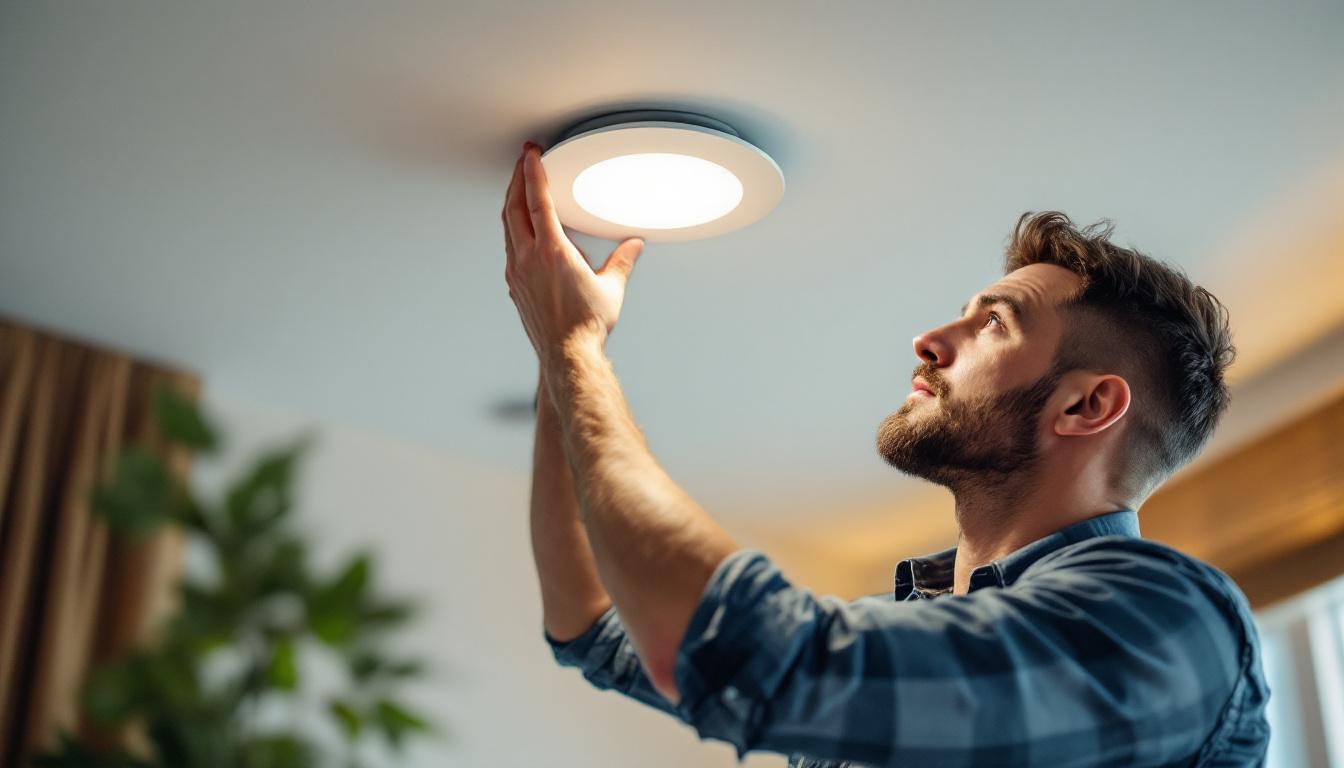
Can lights, also known as recessed lights, are a popular choice among lighting contractors for their aesthetic appeal and versatility. These fixtures are installed into the ceiling, providing a clean and unobtrusive look that enhances the overall design of a space. When it comes to angled ceilings, however, the installation and effectiveness of can lights can present unique challenges and opportunities.
Angled ceilings, often found in attics, vaulted spaces, or modern architectural designs, require careful consideration when it comes to lighting. The angle of the ceiling can affect how light is distributed throughout a room, impacting both functionality and ambiance. Understanding the pros and cons of using can lights in these settings is crucial for lighting contractors who aim to deliver optimal results for their clients.
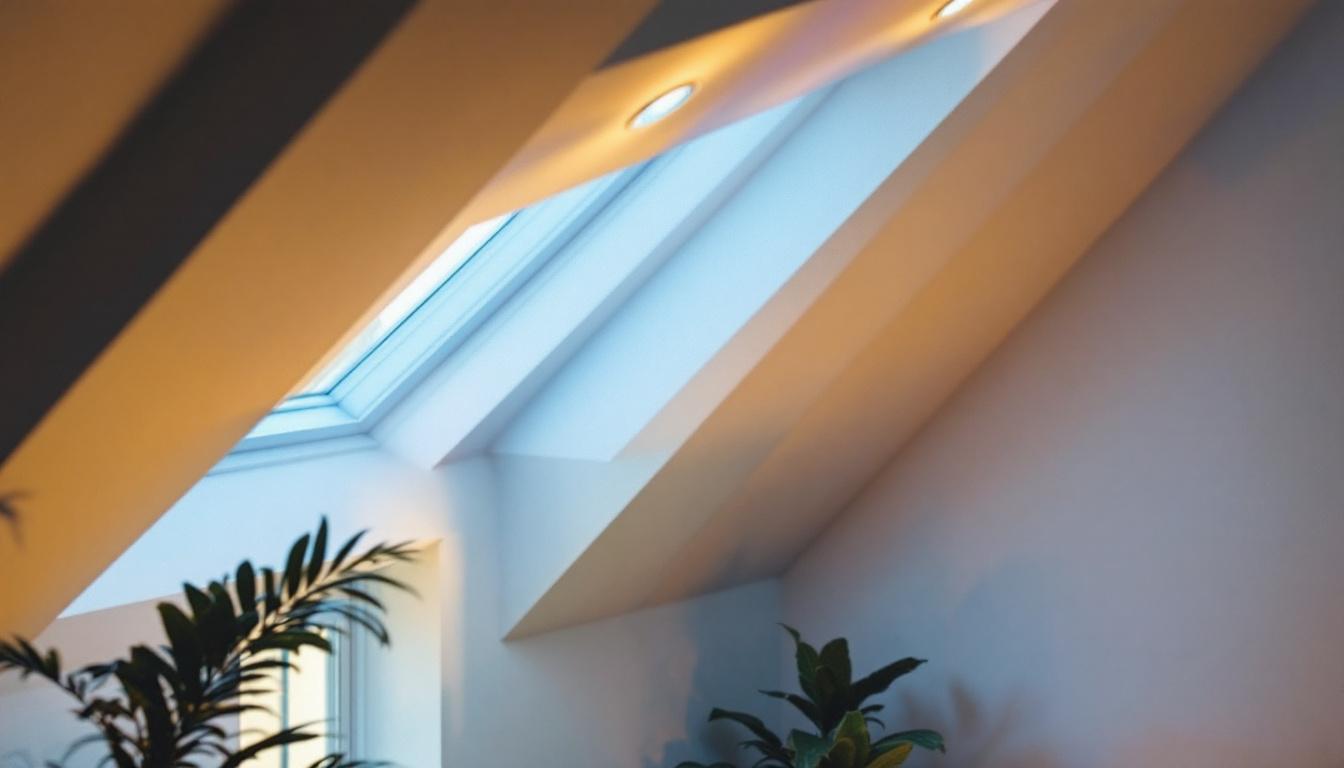
One of the primary advantages of can lights in angled ceilings is their ability to create a sense of height and spaciousness. By strategically placing these fixtures, contractors can highlight architectural features, such as beams or unique ceiling angles, while simultaneously providing general illumination. Moreover, the use of adjustable or gimbal can lights allows for greater flexibility in directing light where it is needed most, making them ideal for spaces that require task lighting, such as reading nooks or home offices tucked under sloped roofs.
However, the installation process for can lights in angled ceilings can be more complex than in traditional flat ceilings. Proper placement is essential to avoid shadows and ensure even light distribution. Additionally, contractors must consider the type of bulb used, as different wattages and color temperatures can significantly influence the mood of the space. For instance, warmer tones can create a cozy atmosphere in a bedroom, while cooler tones may be more suitable for a modern kitchen. By taking these factors into account, lighting professionals can maximize the effectiveness of can lights and transform angled ceilings into stunning focal points in any home.
Pros of Using Can Lights for Angled Ceilings
1. Aesthetic Appeal
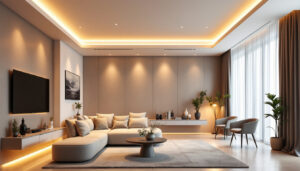
One of the primary advantages of can lights is their ability to blend seamlessly into the ceiling. This is particularly beneficial in rooms with angled ceilings, where traditional fixtures might disrupt the flow of the space. Can lights can be strategically placed to highlight architectural features or artwork, enhancing the overall aesthetic without overwhelming the design.
Moreover, the low-profile nature of can lights allows for a more open and spacious feel, which is especially important in rooms with sloped ceilings. By directing light upwards and outwards, these fixtures can create an illusion of height, making a room feel larger and more inviting. The subtle integration of can lights can also complement various design styles, from modern minimalism to rustic charm, allowing homeowners to maintain their desired aesthetic while enjoying functional lighting.
In addition to their visual appeal, can lights can be used to create different moods within a space. By adjusting the brightness or color temperature of the bulbs, homeowners can transform a room from bright and energizing during the day to warm and cozy in the evening. This versatility in ambiance can enhance the overall experience of the space, making it more enjoyable for both residents and guests.
2. Versatility in Lighting Design
Can lights offer a high degree of versatility, which is essential for lighting contractors working with angled ceilings. These fixtures can be installed at various angles to accommodate the slope of the ceiling, allowing for customized lighting solutions that meet the specific needs of the space. Whether it’s for general illumination, task lighting, or accent lighting, can lights can be adjusted to achieve the desired effect.
Additionally, many can lights come with adjustable features, such as tilt and rotation capabilities. This allows contractors to direct light exactly where it’s needed, enhancing functionality while maintaining the sleek appearance that recessed lighting is known for. The ability to focus light on specific areas, such as a reading nook or a kitchen island, ensures that every corner of the room is well-lit, promoting both safety and usability.
Furthermore, the integration of smart technology into can lights has opened up new avenues for versatility. Homeowners can now control their lighting through mobile apps or voice commands, allowing for effortless adjustments to brightness and color. This level of control not only enhances the user experience but also allows for the creation of dynamic lighting scenes that can adapt to different activities or moods throughout the day.
3. Energy Efficiency
In today’s environmentally conscious market, energy efficiency is a significant consideration for lighting contractors. Can lights, particularly those equipped with LED technology, offer excellent energy-saving benefits. LED can lights consume significantly less energy compared to traditional incandescent bulbs, making them a cost-effective choice for homeowners.
Furthermore, LED can lights have a longer lifespan, reducing the need for frequent replacements. This not only saves on maintenance costs but also minimizes waste, aligning with sustainable practices that many clients are increasingly prioritizing. The reduced heat output of LED fixtures also means that they contribute less to cooling costs in warmer months, making them an even more attractive option for energy-conscious consumers.
In addition to their energy-efficient properties, many LED can lights now come with features such as dimming capabilities and color-changing options. These advancements allow homeowners to further customize their lighting while still enjoying the benefits of lower energy consumption. By selecting the right settings for different occasions, users can create a more personalized environment that reflects their lifestyle while being mindful of their energy usage.
Cons of Using Can Lights for Angled Ceilings
1. Installation Challenges
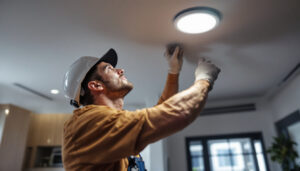
While can lights offer numerous advantages, they also come with their share of challenges, particularly when installed in angled ceilings. The installation process can be more complex compared to flat ceilings, requiring additional planning and precision. Contractors must ensure that the fixtures are securely mounted and properly angled to achieve the desired lighting effect.
Moreover, the unique structure of angled ceilings may necessitate custom framing or additional support, which can increase labor costs and project timelines. Contractors must be prepared to navigate these challenges to deliver a high-quality installation that meets client expectations.
2. Limited Light Distribution
Another potential downside of can lights in angled ceilings is the limitation in light distribution. Depending on the angle of the ceiling and the placement of the fixtures, there may be areas of the room that receive insufficient lighting. This can create uneven illumination, which is particularly problematic in spaces where consistent lighting is essential.
To mitigate this issue, contractors must carefully consider the layout of the can lights and possibly incorporate additional lighting sources to ensure uniformity. This may involve using a combination of can lights and other fixtures, which can complicate the design and increase costs.
3. Cost Considerations
While can lights can be a cost-effective solution in the long run, the initial investment can be a concern for some clients. The cost of high-quality can lights, combined with the potential need for additional framing and installation labor, can add up quickly. Contractors must be transparent with clients about the costs involved and help them understand the value of investing in quality lighting solutions.
Additionally, the choice between standard and adjustable can lights can also impact the budget. While adjustable fixtures provide more flexibility, they often come at a higher price point. Contractors should weigh the pros and cons of each option to help clients make informed decisions that align with their budget and lighting needs.
Best Practices for Installing Can Lights in Angled Ceilings
1. Assessing the Space
Before installation, it is crucial for contractors to thoroughly assess the space. This includes evaluating the angle of the ceiling, the size of the room, and the intended use of the space. Understanding these factors will help determine the appropriate number and placement of can lights to achieve optimal illumination.
Additionally, considering the existing natural light sources can influence the design. Rooms with ample windows may require fewer fixtures, while darker spaces may need more to achieve the desired brightness. A comprehensive assessment will ensure that the lighting design is both functional and aesthetically pleasing.
2. Planning the Layout
Once the assessment is complete, the next step is to plan the layout of the can lights. This involves determining the optimal spacing between fixtures to ensure even light distribution. A common guideline is to space can lights approximately 4 to 6 feet apart, but this can vary based on the specific requirements of the room.
Contractors should also consider the height of the angled ceiling when planning the layout. Higher ceilings may benefit from fixtures that are spaced further apart, while lower ceilings may require closer placement to achieve adequate lighting. Creating a detailed lighting plan can help streamline the installation process and ensure a successful outcome.
3. Choosing the Right Fixtures
Selecting the right can lights is essential for achieving the desired lighting effect. Contractors should consider factors such as the beam angle, color temperature, and dimming capabilities when choosing fixtures for angled ceilings. A wider beam angle may be beneficial in larger spaces, while a narrower beam can create focused lighting for specific areas.
Additionally, the color temperature of the bulbs can significantly impact the ambiance of the room. Warmer tones can create a cozy atmosphere, while cooler tones may be more suitable for modern or minimalist designs. Providing clients with options and recommendations based on their preferences can enhance the overall satisfaction with the final result.
Conclusion: Weighing the Options
In conclusion, can lights can be an excellent choice for angled ceilings, offering numerous benefits such as aesthetic appeal, versatility, and energy efficiency. However, lighting contractors must also be aware of the potential challenges, including installation complexities, limited light distribution, and cost considerations.
By carefully assessing the space, planning the layout, and choosing the right fixtures, contractors can successfully navigate these challenges and deliver high-quality lighting solutions that meet their clients’ needs. Ultimately, the decision to use can lights in angled ceilings should be based on a thorough understanding of the pros and cons, ensuring that the final installation enhances both the functionality and beauty of the space.
Get Your Premium Can Lights at LumenWholesale
Ready to elevate your lighting projects with the best can lights for angled ceilings? Look no further than LumenWholesale. Our commitment to quality and affordability ensures that you have access to spec-grade lighting products that meet your exacting standards. With unbeatable wholesale prices and the convenience of free shipping on bulk orders, you can trust us to provide the value and efficiency you need for your next installation. Don’t let inflated markups dim your project’s potential. Choose LumenWholesale for Wholesale Lighting at the Best Value and light up your spaces with confidence and style.