Understanding Hanging Lamp Hardware
In the realm of lighting design, hanging lamps serve as both functional and aesthetic elements. The hardware that supports these fixtures plays a crucial role in ensuring their safety, stability, and overall effectiveness. For lighting contractors, understanding the intricacies of hanging lamp hardware is essential for delivering high-quality installations that meet client expectations.
Hanging lamp hardware encompasses a variety of components, including chains, cables, hooks, and mounting brackets. Each piece must be selected and installed with care, considering factors such as weight capacity, compatibility with the lamp design, and the overall aesthetic appeal. A well-executed installation not only enhances the beauty of a space but also ensures the longevity and reliability of the lighting solution. Furthermore, the right hardware can significantly influence the ambiance of a room, creating a warm, inviting atmosphere or a sleek, modern vibe depending on the chosen materials and design.
Types of Hanging Lamp Hardware
There are several types of hardware used in hanging lamp installations, each designed for specific applications and styles. Understanding these options allows contractors to make informed decisions tailored to the unique needs of each project.
Common types of hanging lamp hardware include adjustable chains, rigid rods, and flexible cables. Chains provide a classic look and allow for easy height adjustments, while rigid rods offer a sleek, modern aesthetic. Flexible cables are often used in contemporary designs, allowing for creative configurations and installations. Additionally, some designs incorporate decorative elements, such as ornate hooks or custom finishes, which can elevate the overall look of the fixture and contribute to the theme of the space. The choice of hardware can also reflect the client’s personal style, making it a vital consideration during the design process.
Choosing the Right Hardware
Selecting the appropriate hardware for a hanging lamp involves considering several factors. Weight capacity is paramount; the hardware must be able to support the lamp’s weight without compromising safety. Additionally, the style of the hardware should complement the lamp and the overall design of the space.
Contractors should also consider the installation environment. For instance, outdoor installations may require weather-resistant materials, while indoor settings might allow for a broader range of options. Understanding the specific needs of each project will lead to better choices and ultimately enhance customer satisfaction. Moreover, it is essential to account for the electrical requirements of the hanging lamp, ensuring that the hardware accommodates any necessary wiring or electrical connections seamlessly. This attention to detail not only ensures functionality but also contributes to the overall aesthetic by keeping unsightly wires hidden and maintaining a clean, polished look in the installation.
The Installation Process
Proper installation of hanging lamp hardware is critical to ensuring both safety and functionality. A well-executed installation process not only enhances the aesthetic appeal of the lighting but also minimizes the risk of accidents or malfunctions.
The installation process typically begins with assessing the location where the lamp will be hung. This involves checking the ceiling structure to ensure it can support the weight of the lamp and its hardware. Once the location is confirmed, the contractor can proceed with the installation, following a series of steps that ensure a secure and stable setup.
Preparation and Planning
Before any installation begins, thorough preparation and planning are essential. This includes gathering all necessary tools and materials, as well as reviewing the lamp’s specifications and installation guidelines. Contractors should also take measurements to determine the ideal height for the lamp, considering both functionality and design.
Additionally, it is important to communicate with clients about their preferences regarding the lamp’s placement and height. This collaborative approach not only ensures that the final result meets their expectations but also fosters a positive working relationship.
Installation Steps
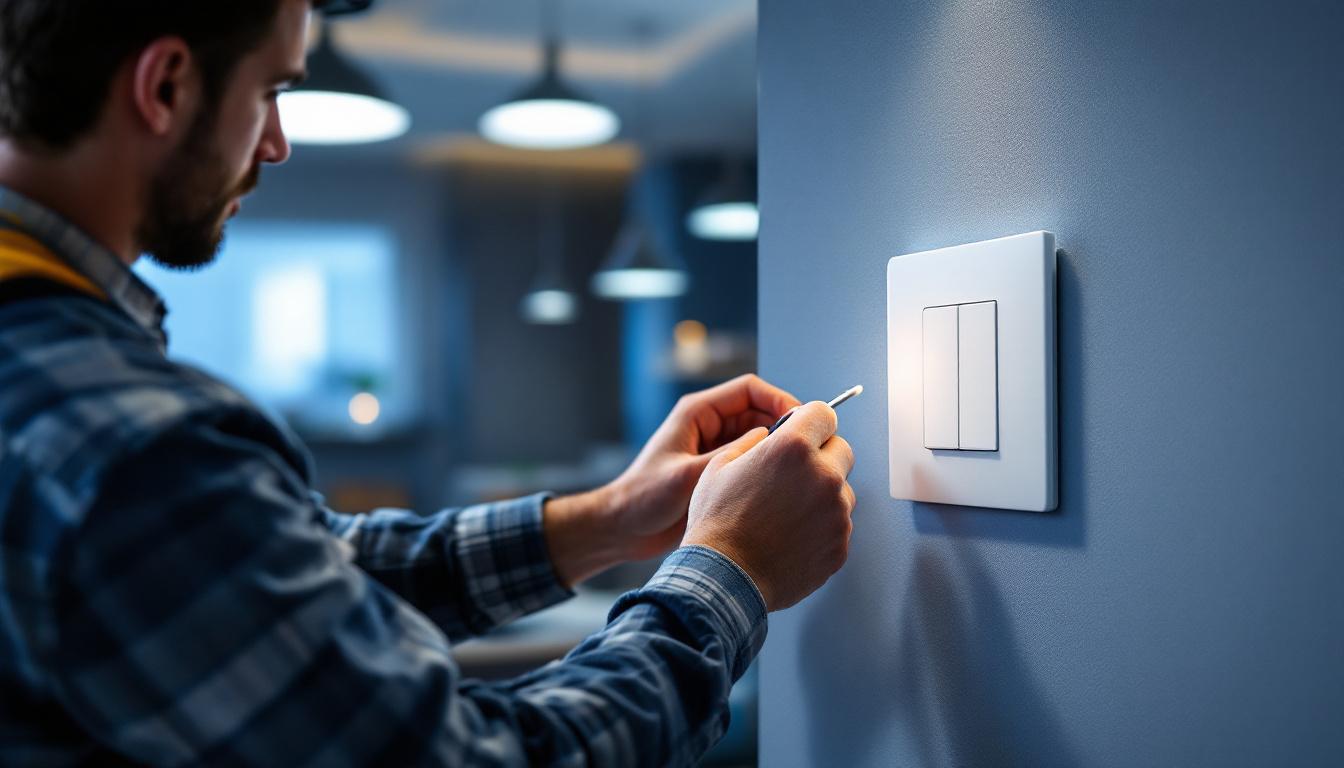
The installation process can be broken down into several key steps. First, the contractor should securely attach the mounting bracket to the ceiling, ensuring it is anchored in a way that can support the lamp’s weight. Next, the chosen hardware—whether it be chains, rods, or cables—should be connected to the lamp fixture, taking care to follow the manufacturer’s guidelines for secure attachment.
Once the hardware is in place, the contractor can hang the lamp and make any necessary adjustments to achieve the desired height. Finally, it is crucial to test the installation by checking for stability and ensuring that all electrical connections are secure and functioning correctly.
Electrical Considerations
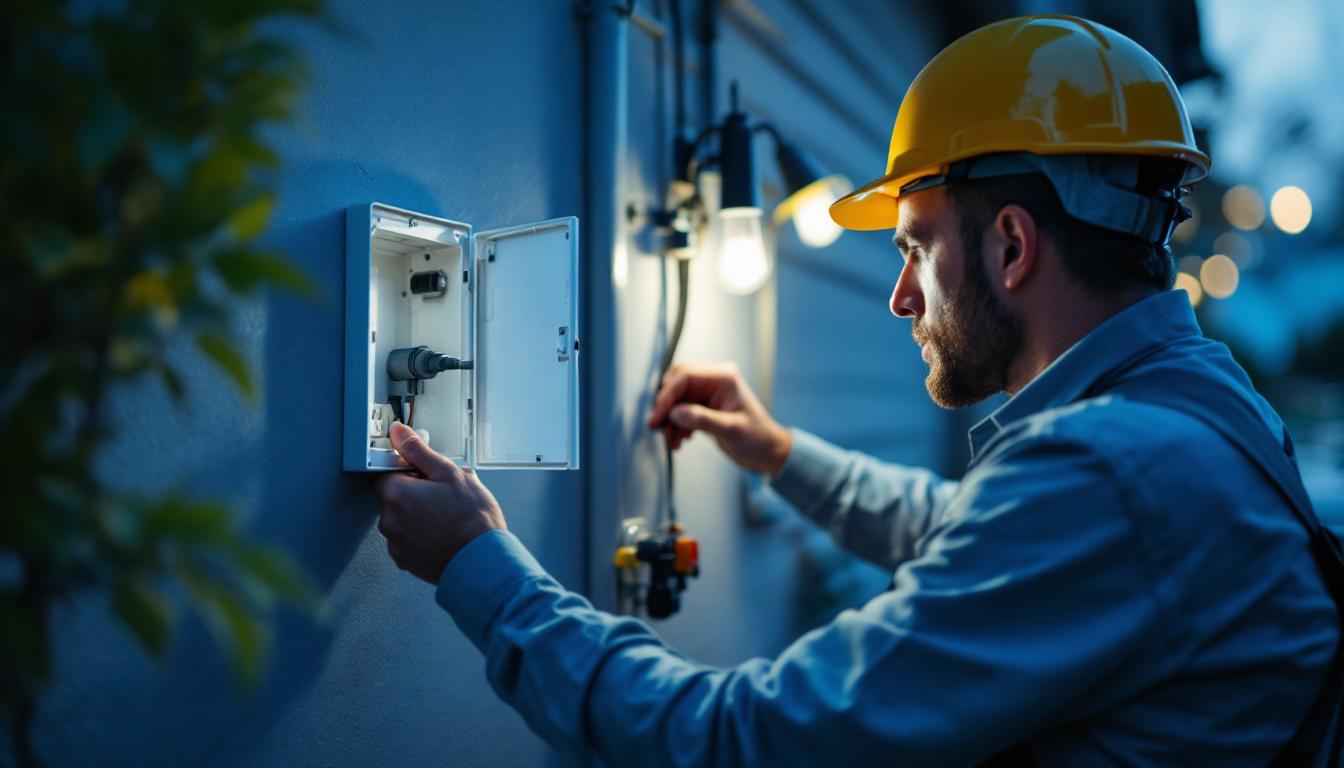
Electrical safety is a paramount concern when installing hanging lamps. Contractors must be well-versed in electrical codes and regulations to ensure compliance and safety throughout the installation process. This includes understanding the requirements for wiring, grounding, and circuit load.
When connecting the lamp to the electrical supply, it is essential to use appropriate wiring and connectors. This not only ensures safety but also contributes to the longevity of the installation. Additionally, contractors should be aware of any potential hazards, such as the risk of electrical shock or fire, and take necessary precautions to mitigate these risks.
Wiring Techniques
Proper wiring techniques are critical to the success of any hanging lamp installation. Contractors should familiarize themselves with the different types of wiring used in lighting applications, including solid and stranded wire, as well as the appropriate gauge for the specific installation.
When running wires, it is important to avoid sharp bends or kinks, which can lead to damage over time. Additionally, using wire connectors and junction boxes that meet local codes will help ensure a safe and reliable connection.
Grounding and Safety
Grounding is a key aspect of electrical safety in hanging lamp installations. Proper grounding helps prevent electrical shock and reduces the risk of fire hazards. Contractors should ensure that all fixtures are grounded according to local electrical codes, using grounding wires or grounding screws as needed.
In addition to grounding, contractors should also consider the use of circuit breakers and fuses to protect against overloads. These safety devices can help prevent electrical fires and ensure the longevity of the lighting installation.
Design Considerations
Beyond functionality and safety, design plays a crucial role in the selection and installation of hanging lamps. The right hardware can enhance the overall aesthetic of a space, contributing to a cohesive design that reflects the client’s vision.
When selecting hanging lamp hardware, contractors should consider the style of the lamp and the surrounding decor. A modern lamp may call for sleek, minimalist hardware, while a vintage fixture might benefit from ornate chains or decorative hooks. Understanding these design elements allows contractors to create installations that are not only functional but also visually appealing.
Matching Aesthetics
Matching the aesthetics of hanging lamp hardware to the lamp itself is essential for creating a harmonious look. This involves considering factors such as color, material, and style. For instance, a brass lamp may pair beautifully with antique-style chains, while a contemporary lamp might look best with polished chrome hardware.
Contractors should also take into account the overall design theme of the space. A rustic setting may call for more rugged, natural materials, while a modern space might benefit from sleek, streamlined hardware. By carefully considering these elements, contractors can enhance the visual impact of their installations.
Creating a Cohesive Look
A cohesive look is achieved when all elements of a space work together harmoniously. This includes not only the hanging lamp but also other lighting fixtures, furniture, and decor. Contractors should encourage clients to consider how the hanging lamp will fit into the overall design scheme, helping them select hardware that complements other elements in the room.
Additionally, using consistent materials and finishes throughout the space can contribute to a unified aesthetic. For example, if the hanging lamp features brushed nickel hardware, using similar finishes on other fixtures can create a seamless look that enhances the overall design.
Maintenance and Troubleshooting
Regular maintenance is essential for ensuring the longevity and functionality of hanging lamps. Contractors should educate clients on proper care and maintenance practices, as well as how to troubleshoot common issues that may arise.
Routine maintenance may include dusting the lamp and hardware, checking for loose connections, and inspecting the wiring for signs of wear. By staying proactive about maintenance, clients can avoid potential problems and ensure their lighting remains safe and effective.
Common Issues and Solutions
Despite best efforts, issues can occasionally arise with hanging lamp installations. Common problems include flickering lights, loose hardware, and electrical malfunctions. Understanding these issues and how to address them can save both contractors and clients time and frustration.
For flickering lights, the first step is to check the bulb and replace it if necessary. If the problem persists, it may be indicative of a wiring issue that requires further investigation. Loose hardware can often be tightened with minimal effort, ensuring the lamp remains secure. In cases of electrical malfunctions, it is crucial to consult a licensed electrician to address the issue safely.
Educating Clients
Educating clients about maintenance and troubleshooting is an important part of the contractor’s role. Providing clear instructions and resources can empower clients to take care of their lighting installations, ensuring they remain safe and functional over time.
Consider creating a simple maintenance guide that outlines key practices and troubleshooting tips. This not only enhances client satisfaction but also establishes the contractor as a knowledgeable and trustworthy professional in the field.
Conclusion
In the world of lighting design, hanging lamp hardware is a fundamental aspect that requires careful consideration and expertise. From selecting the right components to executing a flawless installation, lighting contractors play a vital role in creating beautiful and functional lighting solutions.
By understanding the various types of hardware, adhering to electrical safety standards, and considering design aesthetics, contractors can deliver exceptional results that meet the needs of their clients. Furthermore, educating clients on maintenance and troubleshooting ensures that these installations remain effective and safe for years to come.
Ultimately, the success of a hanging lamp installation lies in the details. By approaching each project with a focus on quality, safety, and design, lighting contractors can elevate their work and leave a lasting impression on their clients.
Get Your Premium Lighting Hardware at LumenWholesale
Ready to elevate your lighting installations with the finest hardware on the market? Look no further than LumenWholesale, where we offer contractors an exceptional range of spec-grade lighting products at unbeatable wholesale prices. Say goodbye to local distributor markups and hello to top-quality lighting that meets the highest industry standards. With our hassle-free bulk buying and free shipping, you can stock up on reliable, high-performance lighting solutions that bring your projects to life. Don’t compromise on quality or value—discover the best wholesale lighting deals at LumenWholesale today.