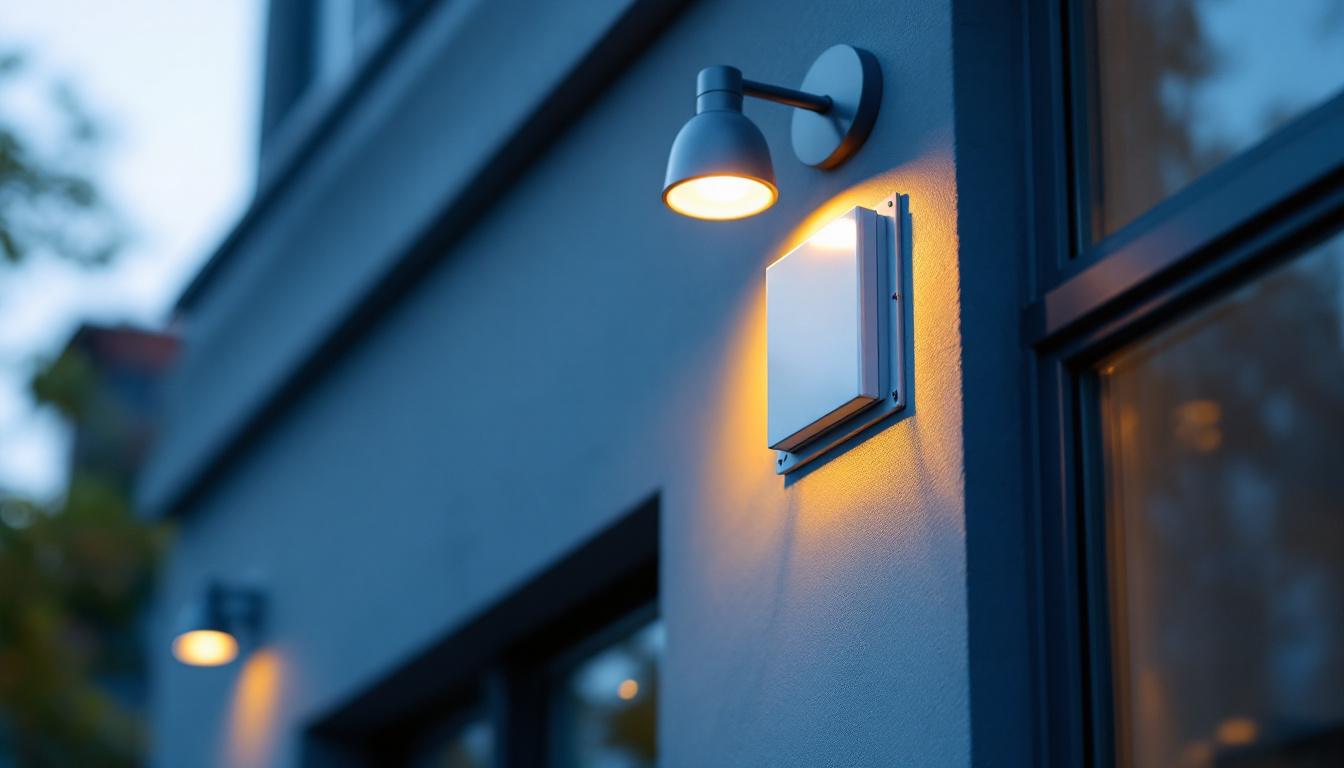
The exterior surface mount junction box is a critical component in the realm of electrical installations, particularly for lighting contractors. This seemingly simple device plays a pivotal role in ensuring that electrical connections are secure, safe, and compliant with industry standards. Understanding its significance can greatly enhance the efficiency and safety of lighting projects.
Understanding the Exterior Surface Mount Junction Box
At its core, an exterior surface mount junction box is designed to house electrical connections and protect them from environmental elements. These boxes are typically mounted on the surface of walls or ceilings, making them easily accessible for maintenance and modifications. Their primary purpose is to provide a safe enclosure for wiring, ensuring that connections remain intact and insulated from moisture, dirt, and other potential hazards. The design of these junction boxes often includes features that facilitate easy access to the wiring inside, allowing electricians to perform inspections or repairs without the need for extensive disassembly.
These junction boxes come in various sizes and materials, allowing contractors to choose the right option based on the specific requirements of a project. Common materials include plastic, metal, and fiberglass, each offering different levels of durability and resistance to environmental factors. Selecting the appropriate material is crucial, especially for outdoor installations where exposure to the elements is a concern. For instance, plastic junction boxes are lightweight and resistant to corrosion, making them suitable for humid climates, while metal boxes provide superior strength and are often used in areas prone to physical impact or vandalism.
Types of Junction Boxes
There are several types of exterior surface mount junction boxes available, each designed for specific applications. Some of the most common types include:
- Standard Junction Boxes: These are the most widely used and are suitable for a variety of applications. They provide ample space for wiring connections and are often used in residential and commercial lighting installations.
- Weatherproof Junction Boxes: Designed specifically for outdoor use, these boxes are sealed to prevent moisture ingress. They are essential for installations exposed to rain, snow, or humidity, ensuring that the electrical connections remain safe and functional regardless of the weather conditions.
- Heavy-Duty Junction Boxes: Constructed from robust materials, these boxes are ideal for industrial applications where durability and impact resistance are paramount. They often feature reinforced designs and additional sealing mechanisms to withstand harsh environments.
Key Features to Consider
When selecting an exterior surface mount junction box, several features should be taken into account:
- Ingress Protection (IP) Rating: This rating indicates the level of protection against dust and water. A higher IP rating is essential for outdoor installations, as it ensures that the internal components are safeguarded against the elements, prolonging the lifespan of the electrical connections.
- Size and Capacity: The box must be large enough to accommodate all necessary connections and wiring without overcrowding, which could lead to overheating or other issues. It’s also important to consider future expansions, as a larger box can provide flexibility for additional wiring needs.
- Mounting Options: Consider how the box will be mounted. Some boxes offer multiple mounting options, which can simplify installation. For example, certain models may allow for both surface and recessed mounting, providing versatility in different installation scenarios.
Additionally, the availability of accessories such as covers, gaskets, and mounting brackets can enhance the functionality of the junction box. These accessories can help ensure a secure fit and additional protection against environmental factors. Furthermore, some junction boxes come with built-in cable management systems, which help organize and secure the wiring, reducing the risk of damage and making future maintenance easier. Understanding these features can significantly impact the efficiency and safety of electrical installations, particularly in challenging outdoor environments.
The Importance of Proper Installation
Proper installation of exterior surface mount junction boxes is crucial for ensuring the safety and functionality of lighting systems. A poorly installed junction box can lead to several issues, including electrical failures, short circuits, and even fire hazards. These problems not only jeopardize the integrity of the electrical system but can also pose serious risks to property and personal safety. Therefore, understanding the significance of proper installation practices is essential for anyone involved in electrical work.
To ensure a successful installation, contractors should adhere to local electrical codes and standards. This includes proper grounding, securing all connections, and ensuring that the junction box is adequately sealed against moisture. Additionally, it is essential to follow manufacturer guidelines to ensure that the box is used as intended. By doing so, contractors can minimize the likelihood of future issues and ensure that the lighting systems operate efficiently and reliably over time. Furthermore, taking the time to install junction boxes correctly can lead to increased customer satisfaction and trust, as clients appreciate the attention to detail and commitment to safety.
Common Installation Mistakes
Even experienced contractors can make mistakes during the installation of junction boxes. Some common pitfalls include:
- Inadequate Sealing: Failing to properly seal the junction box can lead to moisture ingress, which can corrode connections and create safety hazards. Water damage can not only affect the electrical components but can also lead to mold growth, which poses additional health risks.
- Overcrowding: Trying to fit too many wires into a junction box can cause overheating and increase the risk of electrical fires. This overcrowding can also make it difficult to troubleshoot issues in the future, as tangled wires can obscure the source of problems.
- Poor Placement: Installing the box in an inaccessible location can complicate future maintenance and repairs. This can lead to increased labor costs and downtime when issues arise, as technicians may need to spend extra time locating and accessing the junction box.
Best Practices for Installation
To avoid common mistakes, contractors should follow these best practices:
- Plan Ahead: Before installation, carefully plan the layout and ensure that all necessary materials are on hand. This proactive approach helps to streamline the installation process and reduces the likelihood of interruptions due to missing components.
- Follow Electrical Codes: Always adhere to local and national electrical codes to ensure safety and compliance. Familiarizing oneself with these regulations not only enhances safety but also protects contractors from potential legal issues and liabilities.
- Test Connections: After installation, test all connections to ensure they are secure and functioning correctly. Regular testing can help identify potential issues before they escalate into more significant problems, thereby prolonging the lifespan of the electrical system.
Moreover, utilizing high-quality materials during installation can significantly impact the longevity and reliability of junction boxes. Selecting weather-resistant junction boxes and corrosion-proof connectors can provide additional protection against the elements, especially in outdoor settings. Additionally, contractors should consider the environmental conditions where the junction box will be installed, as extreme temperatures or exposure to moisture can affect the performance of electrical components. By taking these factors into account, contractors can ensure that their installations not only meet current standards but also stand the test of time.
Furthermore, ongoing education and training for contractors are vital in keeping up with the latest advancements in electrical technology and installation techniques. Attending workshops, seminars, or online courses can provide valuable insights into new products and methods that enhance safety and efficiency. This commitment to continuous learning not only benefits the contractors themselves but also ensures that clients receive the highest quality service possible, fostering a culture of excellence within the industry.
Impact on Project Efficiency
The choice of junction box can significantly impact the efficiency of a lighting project. A well-selected and properly installed junction box can streamline the installation process, reduce the risk of errors, and enhance the overall quality of the electrical system.
Using the right junction box can also save time during installation. For example, weatherproof junction boxes designed for outdoor use can eliminate the need for additional protective measures, allowing contractors to complete projects more quickly. Additionally, having easily accessible junction boxes can simplify future maintenance, reducing downtime and costs associated with repairs.
Cost Considerations
While it may be tempting to opt for the cheapest junction box available, this can lead to higher costs in the long run. Investing in high-quality junction boxes can prevent issues such as electrical failures and the need for costly repairs or replacements. Furthermore, using durable materials can extend the lifespan of the installation, providing better value over time.
Contractors should also consider the potential for increased efficiency when choosing junction boxes. Selecting boxes that facilitate easier installation can reduce labor costs and project timelines, ultimately improving profitability.
Enhancing Client Satisfaction
For lighting contractors, client satisfaction is paramount. The choice of junction box can play a significant role in how clients perceive the quality of the work. A well-installed, durable junction box contributes to the overall reliability of the lighting system, which can lead to positive feedback and repeat business.
Moreover, educating clients about the importance of quality junction boxes can enhance their understanding and appreciation of the work being done. Providing insights into the materials used and the installation process can help clients feel more confident in their investment.
Compliance and Safety Standards
Compliance with safety standards is a critical aspect of any lighting project. The use of exterior surface mount junction boxes must adhere to local and national electrical codes, which are designed to ensure the safety of electrical installations.
Contractors should stay informed about the latest regulations and standards related to junction boxes and electrical installations. This includes understanding the requirements for weatherproofing, grounding, and securing connections. Failing to comply with these standards can result in fines, project delays, and safety hazards.
Regular Inspections and Maintenance
Even after installation, the importance of junction boxes does not diminish. Regular inspections and maintenance are essential to ensure that junction boxes continue to function as intended. This includes checking for signs of wear, corrosion, or damage, as well as ensuring that all connections remain secure.
Contractors should encourage clients to schedule routine inspections to identify potential issues before they escalate. This proactive approach can enhance the longevity of the electrical system and prevent costly repairs down the line.
Training and Education
Ongoing training and education for contractors are vital in keeping up with the ever-evolving landscape of electrical installations. Understanding the latest advancements in junction box technology, installation techniques, and safety standards can significantly impact the success of lighting projects.
Participating in workshops, seminars, and industry conferences can provide valuable insights and networking opportunities. Staying informed about new products and best practices can help contractors make informed decisions that benefit both their projects and their clients.
Conclusion
The exterior surface mount junction box is more than just a housing for electrical connections; it is a cornerstone of safety, efficiency, and quality in lighting projects. For lighting contractors, understanding the significance of these boxes can lead to improved project outcomes, enhanced client satisfaction, and compliance with safety standards.
By selecting the right type of junction box, adhering to best installation practices, and prioritizing ongoing maintenance, contractors can ensure that their lighting projects are not only successful but also safe and reliable. Investing time and resources into understanding and utilizing exterior surface mount junction boxes can yield significant benefits in the long run, both for contractors and their clients.
Get Your Premium Lighting Supplies at LumenWholesale
Ready to elevate your lighting projects with the highest quality junction boxes and lighting accessories? Look no further than LumenWholesale, where we offer spec-grade lighting products at unbeatable wholesale prices. Our extensive selection is designed to meet the most rigorous industry standards, ensuring that your installations are safe, reliable, and efficient. Plus, with the convenience of bulk buying and free shipping, you can stock up on all your lighting needs without the worry of hidden fees. Make your next project a shining success and experience the best value in wholesale lighting with LumenWholesale.