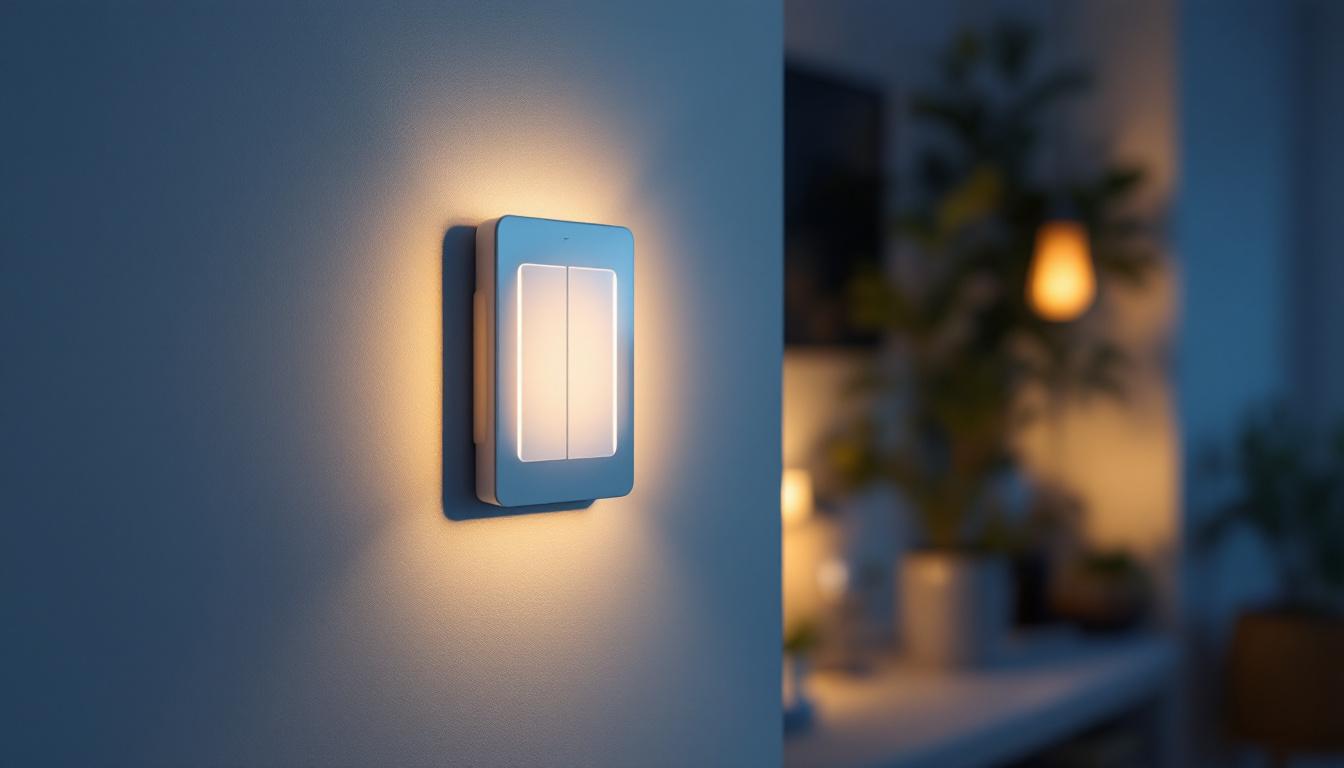
As the world of home automation continues to evolve, lighting contractors are presented with a unique opportunity to enhance their service offerings. Home automation switches, specifically designed for controlling lighting, are becoming increasingly popular among homeowners seeking convenience, energy efficiency, and modern aesthetics. This guide will delve into the essential aspects of home automation switches, providing lighting contractors with the knowledge they need to effectively integrate these systems into their projects.
Understanding Home Automation Switches
Home automation switches are electronic devices that allow homeowners to control their lighting systems remotely or through automated schedules. These switches can be integrated into various home automation systems, enabling users to manage lighting alongside other smart devices, such as thermostats, security cameras, and entertainment systems. The appeal of these switches lies in their ability to enhance user experience by providing convenience and energy savings. With the rise of smart home technology, these devices have become increasingly sophisticated, offering features like remote monitoring and integration with energy management systems, which can provide insights into energy usage patterns.
Types of Home Automation Switches
There are several types of home automation switches available on the market, each offering unique features and benefits. Understanding these types is crucial for lighting contractors looking to recommend the best solutions to their clients. As technology continues to evolve, new types of switches are emerging, providing even more options for customization and control.
- Smart Switches: These switches connect to a home Wi-Fi network, allowing users to control them via smartphone apps or voice commands through virtual assistants like Amazon Alexa or Google Assistant. Smart switches often feature customizable settings, enabling users to create schedules or set scenes. Some models even allow for geofencing capabilities, where lights can automatically turn on or off based on the homeowner’s location.
- Dimmer Switches: Dimmer switches not only allow users to turn lights on and off but also adjust brightness levels. Many modern dimmer switches are compatible with smart home systems, providing additional control options. They can also enhance the ambiance of a room by allowing users to set the perfect lighting for different activities, whether it’s a cozy movie night or a lively dinner party.
- Motion Sensor Switches: These switches automatically turn lights on or off based on detected movement. They are particularly useful in areas where hands-free operation is desired, such as hallways, bathrooms, and garages. Some advanced motion sensor switches can even differentiate between people and pets, ensuring that lights only activate when necessary.
Benefits of Home Automation Switches
Integrating home automation switches into lighting installations offers numerous advantages for both contractors and homeowners. Some of the key benefits include:
- Energy Efficiency: Home automation switches can significantly reduce energy consumption by allowing users to control lighting more effectively. For example, lights can be programmed to turn off when a room is unoccupied, minimizing waste. Additionally, many smart switches provide real-time energy usage data, helping homeowners make informed decisions about their electricity consumption.
- Enhanced User Experience: The convenience of controlling lights from a smartphone or through voice commands adds a layer of comfort that many homeowners appreciate. This ease of use can be a selling point for contractors. Furthermore, the ability to create customized lighting scenes for different occasions can enhance the overall atmosphere of a home, making it more inviting and enjoyable.
- Increased Home Value: Homes equipped with smart technology, including automated lighting, often attract higher resale values. Homebuyers are increasingly looking for properties that offer modern conveniences. The presence of home automation switches can also appeal to tech-savvy buyers who value the integration of smart home features in their living spaces.
Moreover, the integration of home automation switches can lead to improved safety and security. For instance, homeowners can program lights to simulate occupancy while they are away, deterring potential intruders. This feature not only enhances security but also provides peace of mind, knowing that the home is well-lit and welcoming, even when the residents are not present. As the demand for smart home solutions continues to grow, the versatility and functionality of home automation switches will likely expand, offering even more innovative features to enhance everyday living.
Installation Considerations
Installing home automation switches requires careful planning and consideration. Lighting contractors must be aware of various factors to ensure a successful installation that meets both safety standards and client expectations.
Wiring and Compatibility
Before installation, it is essential to assess the existing wiring and ensure compatibility with the chosen home automation switches. Most smart switches require a neutral wire for proper operation, which may not be present in older homes. Contractors should evaluate the wiring setup and, if necessary, recommend upgrades to accommodate modern switches.
Network Infrastructure
Since many home automation switches rely on Wi-Fi connectivity, it is vital to ensure that the home’s network infrastructure can support these devices. A strong and reliable Wi-Fi signal is crucial for seamless operation. Contractors should consider recommending Wi-Fi extenders or mesh networks for larger homes or areas with poor connectivity.
Client Education
Educating clients about the operation and benefits of home automation switches is an essential part of the installation process. Contractors should take the time to explain how to use the switches, including setting up schedules, creating scenes, and troubleshooting common issues. Providing clear instructions and resources can enhance client satisfaction and reduce the likelihood of service calls after installation.
Choosing the Right Products
The market for home automation switches is vast, with numerous brands and models available. Lighting contractors must be discerning when selecting products to ensure quality and reliability. Here are some factors to consider:
Brand Reputation
Choosing products from reputable brands can significantly impact the success of a project. Established brands typically offer better customer support, warranty options, and reliable performance. Contractors should research and select brands known for their quality in the home automation space.
Features and Functionality
Different home automation switches come with varying features, such as dimming capabilities, scheduling options, and integration with other smart devices. Contractors should assess the needs of their clients and recommend switches that align with their preferences and lifestyle. For instance, a family with young children may benefit from motion sensor switches for safety and convenience.
Price Point
While it can be tempting to choose the most affordable options, it is essential to balance cost with quality. Investing in higher-quality switches may lead to fewer issues and greater client satisfaction in the long run. Contractors should present clients with a range of options at different price points, allowing them to make informed decisions based on their budget and needs.
Integrating Home Automation with Lighting Design
Home automation switches can significantly enhance lighting design, allowing for greater flexibility and creativity. Lighting contractors should consider how these switches can be integrated into their overall lighting plans.
Creating Ambiance
With smart dimmer switches, contractors can help clients create the perfect ambiance for any occasion. By programming different lighting scenes for activities such as dining, entertaining, or relaxing, homeowners can easily adjust their lighting to suit their mood. This capability can be a significant selling point for contractors, as it adds value to their services.
Layering Light
Home automation switches can facilitate layered lighting designs, where multiple light sources work together to create depth and interest in a space. For example, contractors can recommend using smart switches to control overhead lights, floor lamps, and accent lighting independently. This allows homeowners to customize their lighting based on the time of day or activity.
Outdoor Lighting Control
Outdoor lighting is another area where home automation switches can shine. Contractors can install smart switches to control landscape lighting, patio lights, and security lights. Homeowners can set schedules for outdoor lights to turn on at dusk and off at dawn, enhancing both safety and aesthetics. Additionally, integrating outdoor lighting with motion sensors can provide added security and convenience.
Challenges and Solutions
While the integration of home automation switches into lighting installations offers many benefits, it is not without its challenges. Lighting contractors should be prepared to address potential issues that may arise during installation and operation.
Technical Issues
Technical issues can sometimes arise with home automation systems, including connectivity problems or compatibility issues with other devices. Contractors should be equipped to troubleshoot these problems or provide clients with resources for resolving them. Establishing a good relationship with manufacturers can also help contractors access support when needed.
Client Resistance
Some clients may be hesitant to adopt home automation technology due to concerns about complexity or reliability. Contractors should take the time to address these concerns by demonstrating the ease of use and reliability of modern home automation switches. Providing testimonials or case studies from satisfied clients can also help alleviate doubts.
Ongoing Maintenance
Home automation systems require occasional updates and maintenance to ensure optimal performance. Contractors should educate clients about the importance of keeping their devices updated and offer ongoing support or maintenance services. This proactive approach can foster long-term relationships and lead to repeat business.
The Future of Home Automation in Lighting
As technology continues to advance, the future of home automation in lighting looks promising. Lighting contractors who stay informed about emerging trends and innovations will be better positioned to meet the evolving needs of their clients.
Integration with IoT
The Internet of Things (IoT) is rapidly transforming the way homeowners interact with their devices. Future home automation switches may offer even greater integration with other IoT devices, allowing for seamless communication and control. Contractors should keep an eye on developments in this area to provide clients with the latest solutions.
Energy Management Systems
As energy efficiency becomes a higher priority for homeowners, the integration of home automation switches with energy management systems is likely to grow. These systems can provide real-time data on energy usage, allowing homeowners to make informed decisions about their lighting and other energy-consuming devices. Contractors should consider how they can incorporate these systems into their offerings.
Enhanced User Interfaces
Future home automation switches may feature more intuitive user interfaces, making it easier for homeowners to control their lighting. Voice control, gesture recognition, and even AI-driven automation are on the horizon. Contractors should be prepared to adapt to these advancements and educate clients on how to use new technologies effectively.
Conclusion
Home automation switches represent a significant opportunity for lighting contractors to enhance their service offerings and meet the growing demand for smart home solutions. By understanding the various types of switches, installation considerations, product selection, and integration with lighting design, contractors can position themselves as experts in this evolving field.
As technology continues to advance, staying informed about trends and innovations will be crucial for success. By embracing the potential of home automation, lighting contractors can not only improve their business but also enhance the lives of their clients through modern, efficient, and convenient lighting solutions.
Get Your Premium Home Automation Switches at LumenWholesale
Ready to elevate your lighting projects with the latest home automation switches? Look no further than LumenWholesale. Our commitment to providing contractors with spec-grade lighting products at unbeatable wholesale prices ensures that you can offer your clients the best in smart home technology without breaking the bank. With LumenWholesale, you’ll find an extensive selection of reliable, high-performance switches that meet the highest industry standards. Plus, with the convenience of free shipping on bulk orders, you can stock up on quality lighting solutions with ease. Don’t let local distributors’ markups limit your potential. Wholesale Lighting at the Best Value is just a click away. Experience the LumenWholesale difference today!