Par Bulb: vs. Alternatives, What Lighting Contractors Should Choose
In the realm of lighting design and installation, contractors are often faced with a plethora of choices when it comes to selecting the right type of bulb for their projects. Among these options, the Par bulb stands out due to its versatility and performance. However, as technology advances, various alternatives have emerged, each with its unique characteristics. This article delves into the Par bulb and its alternatives, providing insights to help lighting contractors make informed decisions.
Understanding Par Bulbs
Par bulbs, or parabolic aluminized reflector bulbs, are a popular choice in both residential and commercial lighting applications. Their design features a reflective surface that directs light in a specific direction, making them ideal for spotlighting and floodlighting. With their unique construction, these bulbs offer not only efficiency but also versatility, catering to a wide array of lighting needs.
Characteristics of Par Bulbs
One of the defining features of Par bulbs is their ability to produce a concentrated beam of light. This is achieved through their unique shape and reflective coating. They come in various sizes, typically ranging from PAR20 to PAR64, which indicates the diameter of the bulb in eighths of an inch. This range allows contractors to choose a bulb that best fits their lighting needs. The varying wattages and beam angles available also provide additional customization, enabling users to select the perfect bulb for their specific application, whether it be a narrow beam for accent lighting or a wider beam for general illumination.
Another characteristic is their durability. Par bulbs are often constructed with robust materials that can withstand the rigors of both indoor and outdoor environments. This makes them a reliable choice for contractors who require long-lasting lighting solutions. Many Par bulbs are designed to be shock-resistant and can endure high temperatures, making them suitable for use in fixtures that generate significant heat. Furthermore, advancements in LED technology have led to the development of energy-efficient Par bulbs that not only last longer but also consume less power, reducing overall energy costs.
Applications of Par Bulbs
Par bulbs are widely used in various applications, including stage lighting, architectural lighting, and outdoor illumination. Their ability to produce focused beams makes them particularly effective for highlighting specific areas, such as artwork or architectural features. Additionally, they are commonly used in track lighting systems, where flexibility and directional control are essential. In commercial settings, Par bulbs are often utilized in retail environments to create an inviting atmosphere, drawing attention to products and displays through strategic lighting.
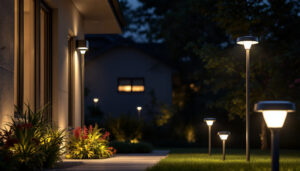
In outdoor settings, Par bulbs are often employed in landscape lighting, providing illumination for pathways, gardens, and building exteriors. Their weather-resistant designs ensure that they can perform effectively in various environmental conditions. Moreover, these bulbs are frequently used in security lighting, where bright, focused beams can deter potential intruders and enhance safety. The versatility of Par bulbs extends to their use in photography and film production, where they can be employed to create dramatic lighting effects, emphasizing textures and colors in a scene. This adaptability makes Par bulbs a staple in both creative and functional lighting applications.
Alternatives to Par Bulbs
While Par bulbs have their advantages, several alternatives are available that may better suit specific projects or preferences. Understanding these options is crucial for lighting contractors looking to optimize their lighting designs.
LED Bulbs
LED bulbs have gained immense popularity in recent years due to their energy efficiency and longevity. Unlike traditional incandescent or halogen bulbs, LEDs consume significantly less power while providing the same or even greater light output.
One of the main advantages of LED bulbs is their lifespan. Many LED options can last up to 25,000 hours or more, reducing the need for frequent replacements. This longevity not only saves money on replacement costs but also minimizes maintenance efforts, making them an attractive choice for contractors. Furthermore, LEDs are available in a wide range of color temperatures, allowing for greater flexibility in creating the desired ambiance in various settings, from warm and cozy living spaces to bright and alert work environments.
Halogen Bulbs
Halogen bulbs are a type of incandescent bulb that offers improved efficiency and brightness compared to standard incandescent options. They produce a warm light that many find appealing, making them suitable for residential applications.
However, halogen bulbs are less energy-efficient than LEDs and have a shorter lifespan. They typically last around 2,000 hours, which may require more frequent replacements. Despite this, their ability to produce high-quality light and their compatibility with dimmer switches make them a viable option for certain applications. Additionally, halogen bulbs tend to have a higher Color Rendering Index (CRI), which means they can render colors more accurately, making them a preferred choice in settings where color fidelity is essential, such as art galleries or retail spaces.
CFL Bulbs
Compact fluorescent lamps (CFLs) are another alternative that lighting contractors may consider. These bulbs are more energy-efficient than traditional incandescent bulbs and can last up to 10,000 hours. CFLs are available in various shapes and sizes, making them versatile for different fixtures.
However, CFLs have some drawbacks. They can take time to warm up to full brightness, which may not be ideal for all applications. Additionally, they contain small amounts of mercury, requiring careful disposal. Contractors must weigh these factors when considering CFLs as an alternative to Par bulbs. Moreover, the flickering that some CFLs exhibit when turned on can be distracting in environments that require consistent lighting, such as offices or classrooms. Despite these challenges, CFLs can still be an effective choice for areas where lights are left on for extended periods, as their energy savings can offset their slower start times.
Comparative Analysis: Par Bulbs vs. Alternatives
When choosing between Par bulbs and their alternatives, several factors come into play. Each type of bulb has its strengths and weaknesses, and the right choice often depends on the specific requirements of a project.
Energy Efficiency
Energy efficiency is a crucial consideration for many contractors, especially in commercial projects where lighting costs can significantly impact the bottom line. LED bulbs lead the pack in energy efficiency, consuming up to 80% less energy than incandescent options. Par bulbs, particularly halogen variants, are less efficient, making LEDs a more sustainable choice. Moreover, the lifespan of LED bulbs can reach up to 25,000 hours, compared to the 2,000 hours typical for incandescent bulbs. This longevity not only reduces the frequency of replacements but also contributes to lower waste and a smaller carbon footprint, aligning with the growing emphasis on sustainability in construction and design.
Light Quality and Output
Light quality is another essential factor. Par bulbs are known for their ability to produce focused, high-quality light, making them ideal for applications requiring precision. While LEDs can also provide excellent light quality, some contractors may prefer the warm glow of halogen bulbs for residential settings. The color rendering index (CRI) is an important metric here; Par bulbs often boast a CRI of 100, meaning they render colors accurately and vividly. This characteristic makes them particularly suitable for art galleries or retail spaces where color perception is critical. Additionally, advancements in LED technology have led to the development of bulbs that mimic the warm tones of halogen, providing a broader range of options for contractors looking to achieve a specific aesthetic without sacrificing efficiency.
Cost Considerations
Cost is often a deciding factor for contractors. While LED bulbs may have a higher upfront cost, their longevity and energy savings can lead to lower overall expenses in the long run. Par bulbs, while generally more affordable initially, may incur higher replacement and energy costs over time. Contractors should consider both initial and long-term expenses when making their selections. Furthermore, many utility companies offer rebates and incentives for switching to energy-efficient lighting solutions, which can help offset the initial investment in LED technology. This financial support can make the transition more appealing, allowing contractors to not only save on energy costs but also to enhance the overall value of their projects by integrating modern, efficient lighting solutions that meet current energy standards and regulations.
Factors to Consider When Choosing Lighting Solutions
Choosing the right lighting solution involves more than just comparing bulb types. Several factors should be taken into account to ensure that the selected option meets the project’s needs effectively.
Project Requirements
Each project comes with its unique requirements. For instance, a commercial space may prioritize energy efficiency and longevity, while a residential project may focus on aesthetics and light quality. Understanding the specific needs of the project will help contractors make informed decisions.
Fixture Compatibility
Compatibility with existing fixtures is another important consideration. Not all bulbs fit all fixtures, and contractors must ensure that the chosen bulb is compatible with the lighting system in place. This includes considering the wattage, base type, and overall design of the fixture.
Environmental Impact
As sustainability becomes increasingly important, contractors should consider the environmental impact of their lighting choices. LED bulbs are generally more eco-friendly due to their energy efficiency and longer lifespan. Additionally, the disposal of bulbs, especially CFLs, should be taken into account to minimize environmental harm.
Conclusion: Making the Right Choice
In conclusion, the choice between Par bulbs and their alternatives is not straightforward. Each option has its unique advantages and disadvantages, and the best choice will depend on the specific needs of the project. Lighting contractors must carefully consider factors such as energy efficiency, light quality, cost, and environmental impact when making their selections.
Ultimately, staying informed about the latest advancements in lighting technology and understanding the diverse range of options available will empower contractors to make the best decisions for their clients. Whether opting for the reliability of Par bulbs or the energy efficiency of LEDs, the right choice can enhance the overall quality and effectiveness of a lighting design.
As the lighting industry continues to evolve, contractors who remain adaptable and informed will be better positioned to meet the demands of their clients and deliver exceptional results in their projects.
Illuminate Your Projects with LumenWholesale
Ready to make the right lighting choice for your next project? At LumenWholesale, we offer an extensive selection of spec-grade lighting products that combine quality and affordability. Say goodbye to inflated markups and hello to top-quality lighting at wholesale prices. With our commitment to hassle-free bulk buying and free shipping, you can trust that you’re getting the best value without any hidden fees. Elevate your lighting designs with the perfect blend of performance and price. Choose Wholesale Lighting at the Best Value and experience the LumenWholesale difference today.