In the ever-evolving landscape of lighting technology, understanding the costs associated with 3 way switches is crucial for contractors aiming to deliver exceptional service while ensuring long-term viability for their clients. As smart homes become increasingly prevalent, integrating advanced lighting solutions is not just a trend but a necessity. This article delves into the pricing of 3 way switches and offers insights on how to future-proof lighting projects.
Understanding 3 Way Switches
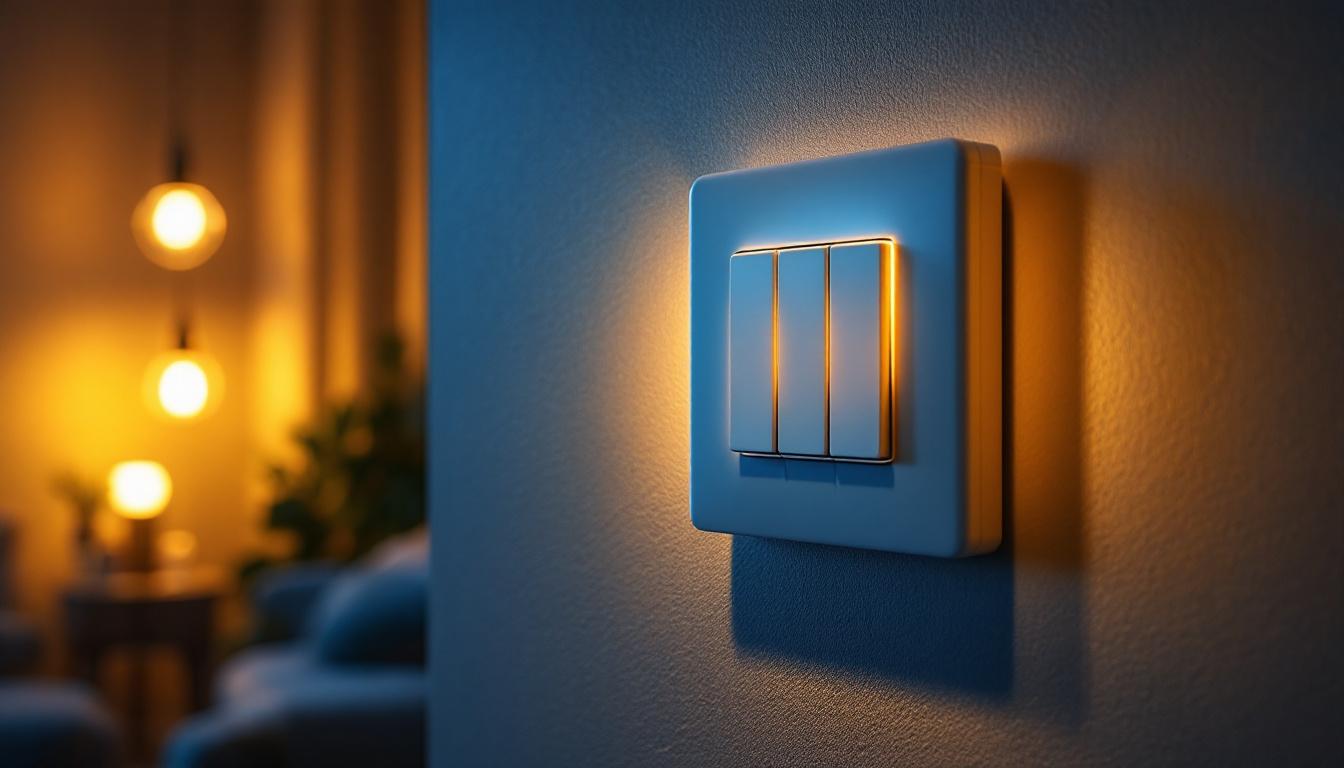
3 way switches allow for the control of a single light fixture from two different locations, enhancing convenience and functionality in residential and commercial spaces. This type of switch is particularly beneficial in larger rooms or hallways where multiple entry points exist. Imagine entering a long corridor or a spacious living room and being able to control the lighting from either end, eliminating the need to walk back to the switch after entering the room. This not only adds to the comfort of the space but also contributes to energy efficiency by allowing users to easily turn lights off when they leave.
From a technical perspective, a 3 way switch operates through a system of wiring that connects two switches to one light source. This setup can be more complex than standard single-pole switches, making it essential for contractors to be well-versed in installation techniques and electrical codes. The wiring typically involves a traveler wire that connects the two switches, allowing them to communicate with each other. This intricate design is what enables the flexibility of controlling the same light from multiple locations, and it’s crucial for electricians to ensure that the wiring is done correctly to avoid issues such as flickering lights or complete power loss.
Types of 3 Way Switches
There are several types of 3 way switches available on the market, each with its own features and benefits. Traditional mechanical switches are the most common, but with the rise of smart technology, smart 3 way switches are gaining popularity. These smart switches offer additional functionalities, such as remote control via smartphone apps and integration with home automation systems. For instance, homeowners can set schedules for their lights to turn on or off at specific times, enhancing security when they are away. Furthermore, many smart switches come equipped with dimming capabilities, allowing users to adjust the brightness to suit their mood or activity.
Contractors should familiarize themselves with both types to provide clients with options that suit their specific needs and preferences. Additionally, understanding the differences in installation requirements and costs can help in creating accurate estimates for projects. For example, while traditional switches may require basic wiring skills, smart switches often necessitate a Wi-Fi connection and may involve additional setup steps, such as configuring the device through an app. This knowledge not only aids in the installation process but also empowers contractors to educate clients about the long-term benefits of investing in smart technology.
Pricing Factors for 3 Way Switches
The price of 3 way switches can vary widely based on several factors. Firstly, the type of switch plays a significant role; traditional switches are generally more affordable than their smart counterparts. On average, a standard 3 way switch may cost between $5 and $15, while smart switches can range from $30 to $100 or more, depending on features. The price difference is often justified by the added convenience and advanced functionalities that smart switches provide, making them an attractive option for tech-savvy homeowners.
Another crucial factor is the brand and quality of the switch. Well-known brands may charge a premium for their products, but they often come with better warranties and customer support, which can be a deciding factor for contractors looking to establish long-term relationships with clients. Additionally, the installation costs should also be factored into the overall pricing. While some homeowners may opt for DIY installation to save money, hiring a professional can ensure that the switches are installed correctly and safely, ultimately providing peace of mind and potentially saving on future repairs. Understanding these pricing dynamics can help contractors provide comprehensive quotes that reflect the true value of their services.
Future-Proofing Lighting Projects
Future-proofing is essential in today’s rapidly changing technological landscape. For contractors, this means not only selecting the right products but also considering how those products will perform in the years to come. Here are several strategies to ensure lighting projects remain relevant and functional over time.
Investing in Smart Technology
Integrating smart technology into lighting projects is one of the most effective ways to future-proof installations. Smart lighting systems offer flexibility and adaptability, allowing homeowners to adjust lighting based on their needs and preferences. Features such as voice control, scheduling, and remote access can significantly enhance user experience.
When selecting smart 3 way switches, it’s vital to choose models that are compatible with various smart home ecosystems. This compatibility ensures that clients can easily integrate their lighting systems with other smart devices, such as thermostats and security systems, creating a cohesive smart home environment. Additionally, many smart lighting solutions now support energy monitoring, which can provide valuable insights into energy consumption patterns, allowing homeowners to make informed decisions about their usage and potentially reduce their energy bills.
Planning for Expansion
As clients’ needs evolve, so too may their lighting requirements. Contractors should design lighting systems with potential future expansions in mind. This could involve installing additional wiring or choosing fixtures that can easily accommodate new technologies.
By discussing potential future needs with clients during the planning phase, contractors can create a more comprehensive lighting plan that considers not just current requirements but also anticipated changes. This proactive approach can save time and money in the long run. Moreover, incorporating modular lighting designs can facilitate easy upgrades or replacements, ensuring that the system can adapt to new trends or technologies without necessitating a complete overhaul. For instance, using track lighting systems allows for easy repositioning of fixtures, enabling clients to refresh their space with minimal effort as their preferences or needs change over time.
Installation Considerations
The installation of 3 way switches requires careful planning and execution. Proper installation not only ensures functionality but also enhances safety, reducing the risk of electrical hazards. Here are some key considerations for contractors during the installation process.
Wiring and Code Compliance
Understanding local electrical codes is paramount when installing 3 way switches. Each jurisdiction may have specific requirements regarding wiring, switch placement, and circuit protection. Contractors must stay informed about these regulations to ensure compliance and avoid potential fines or safety issues.
Moreover, proper wiring techniques are critical. Mistakes in wiring can lead to malfunctioning switches or, worse, electrical fires. Contractors should double-check connections and ensure that all components are rated for the intended load. It is also advisable to use color-coded wires and labels to simplify the identification of circuits during both installation and future maintenance. This practice not only aids in compliance with safety standards but also enhances the efficiency of any troubleshooting efforts that may be required later on.
Testing and Troubleshooting
After installation, thorough testing is essential. Contractors should verify that the switches operate correctly from both locations and that there are no flickering lights or other issues. Proper troubleshooting techniques can help identify problems early, ensuring that clients receive a fully functional lighting system.
In cases where issues arise post-installation, having a solid understanding of the system’s wiring and components will allow contractors to address concerns efficiently, reinforcing their reputation as reliable professionals. Additionally, contractors should consider implementing a systematic approach to testing, such as using a multimeter to check voltage levels and continuity. This not only helps in diagnosing problems but also provides peace of mind to clients, knowing that their electrical systems are safe and up to standard. Furthermore, documenting the installation process, including any challenges faced and solutions implemented, can serve as a valuable reference for future projects and enhance the overall quality of service provided.
Cost-Effective Solutions for Clients
While the initial investment in 3 way switches, especially smart models, may seem high, it is essential to communicate the long-term benefits to clients. Cost-effective solutions can provide significant savings over time, making them an attractive option for budget-conscious homeowners.
Energy Efficiency and Savings
Smart 3 way switches often come with energy-saving features, such as dimming capabilities and scheduling functions that allow users to reduce energy consumption. By optimizing lighting usage, clients can see a noticeable decrease in their energy bills, making the initial investment worthwhile.
Additionally, educating clients about the environmental benefits of energy-efficient lighting can enhance their overall satisfaction with the project. Many homeowners are increasingly concerned about their carbon footprint, and promoting energy-efficient solutions aligns with their values.
Long-Term Durability
Investing in higher-quality switches may incur a higher upfront cost, but the long-term durability and reliability can lead to fewer replacements and repairs. Contractors should emphasize the importance of choosing durable materials and reputable brands to clients, as this can ultimately save them money and hassle in the future.
Providing warranties and guarantees can also reassure clients about their investment, making them more likely to opt for higher-quality products.
Conclusion
Understanding the price and functionality of 3 way switches is vital for lighting contractors looking to future-proof their projects. By investing in smart technology, planning for expansion, and ensuring compliance with electrical codes, contractors can deliver exceptional lighting solutions that meet both current and future needs.
Moreover, emphasizing energy efficiency and long-term durability can help clients see the value in their investments, fostering trust and satisfaction. As the lighting industry continues to evolve, staying informed and adaptable will be the key to success for contractors in this competitive market.
In conclusion, the right approach to selecting and installing 3 way switches not only enhances the immediate functionality of lighting systems but also secures a brighter, more efficient future for clients. By prioritizing quality, innovation, and client education, contractors can ensure their projects stand the test of time.
Illuminate Your Projects with LumenWholesale
Ready to elevate your lighting projects with the latest in smart technology and energy-efficient solutions? Look no further than LumenWholesale, where we provide contractors with the highest quality, spec-grade lighting products at unbeatable wholesale prices. Say goodbye to inflated markups and hello to a vast selection of reliable, high-performance lighting that meets the most rigorous industry standards. Plus, with free shipping on bulk orders, you can secure premium lighting at the best value without any hidden fees. Don’t compromise on quality or cost—choose LumenWholesale for the perfect blend of affordability and convenience. Wholesale Lighting at the Best Value is just a click away.