In the realm of modern lighting design, recessed lights have emerged as a popular choice for both residential and commercial spaces. Their sleek appearance and ability to blend seamlessly into ceilings make them an attractive option for contractors and homeowners alike. However, understanding the dimensions of recessed lights is crucial for maximizing their efficiency and effectiveness in any lighting project. This article delves into the importance of recessed light dimensions, how they impact project efficiency, and best practices for implementation.
The Basics of Recessed Lighting
Recessed lighting, often referred to as can lights or downlights, is installed into the ceiling, creating a clean and unobtrusive look. They are available in various sizes, shapes, and styles, which can significantly affect the overall lighting scheme of a space. Understanding the basic dimensions of recessed lights is essential for contractors to ensure optimal placement and functionality.
Common Sizes and Shapes
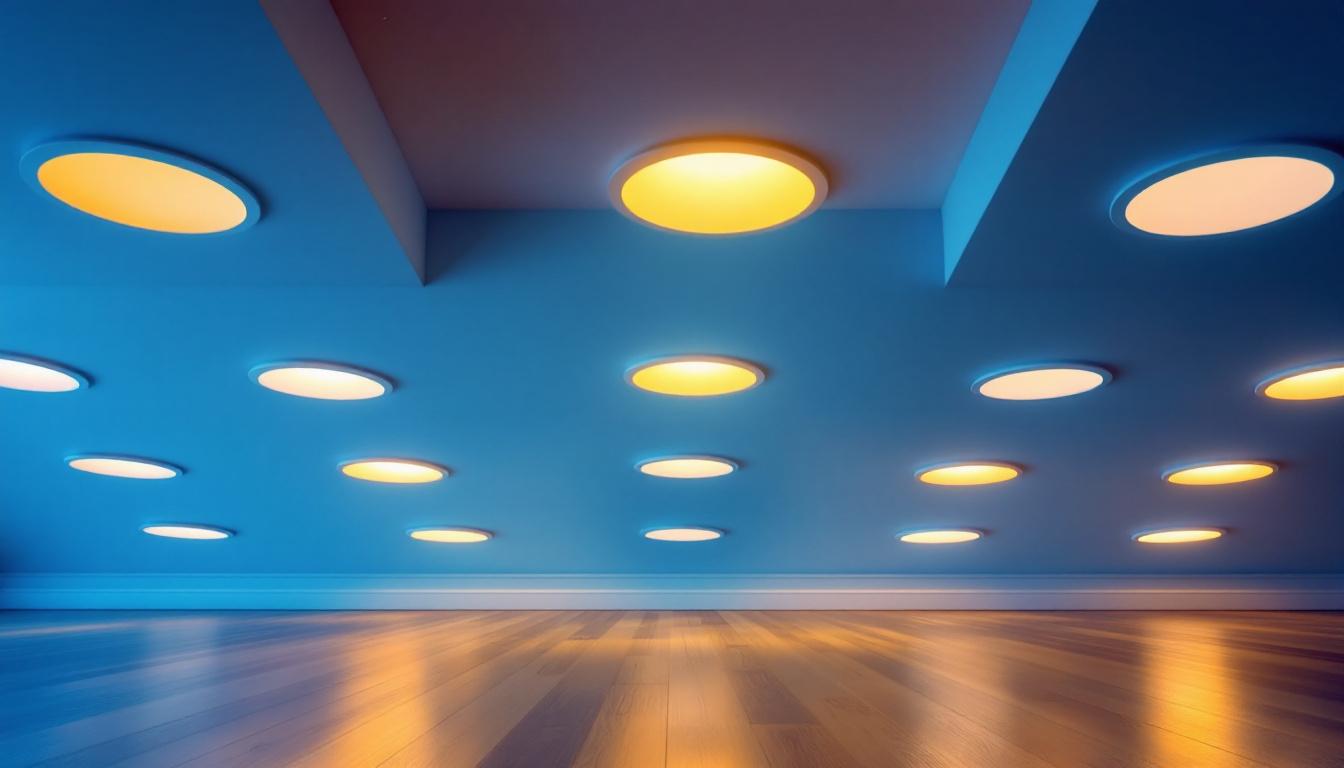
Recessed lights typically come in a range of diameters, with the most common sizes being 4-inch, 6-inch, and 8-inch models. Each size serves different purposes and can create varying levels of brightness and coverage. For instance, a 4-inch recessed light is often used for accent lighting or smaller spaces, while 6-inch and 8-inch options are better suited for general illumination in larger areas.
In addition to size, recessed lights can also come in different shapes, including round and square. The choice between these shapes can influence the aesthetics of a room, as well as the distribution of light. Understanding these options allows contractors to tailor their lighting designs to meet specific project requirements. Furthermore, some manufacturers offer customizable trim options that can enhance the visual appeal of the fixtures, allowing for finishes that complement the overall decor of a room, from sleek metallics to rustic finishes.
Understanding Mounting Depth
Another critical dimension to consider is the mounting depth of recessed lights. This measurement refers to how far the fixture extends into the ceiling cavity. Depending on the type of ceiling—whether it be drywall, plaster, or a drop ceiling—the mounting depth can vary significantly. Ensuring that the correct depth is chosen is vital for proper installation and to avoid any potential issues with insulation or ceiling joists.
Moreover, the mounting depth can affect the beam angle and light distribution. A deeper fixture may provide a more focused beam, while a shallower one can create a wider spread of light. Contractors should carefully assess the intended use of the space before selecting the appropriate mounting depth. Additionally, it’s important to consider the type of bulb being used, as LED options often have different heat management needs compared to incandescent bulbs. This can influence not only the choice of fixture but also the overall energy efficiency of the lighting system, making it crucial for contractors to stay informed about the latest advancements in lighting technology.
Impact of Dimensions on Lighting Efficiency
The dimensions of recessed lights play a pivotal role in determining the overall efficiency of a lighting project. From the size of the fixture to its mounting depth, each aspect contributes to how effectively light is distributed throughout a space. Understanding these relationships can lead to better design choices and improved energy efficiency.
Light Output and Coverage
The size of a recessed light directly correlates with its light output. Larger fixtures typically accommodate higher wattage bulbs, resulting in greater illumination. This is particularly important in larger rooms where adequate lighting is essential for functionality and aesthetics. Conversely, smaller fixtures may be more suitable for accent lighting, providing focused illumination on specific areas or objects.
Additionally, the coverage area of recessed lights is influenced by their dimensions. A well-placed 6-inch recessed light can effectively illuminate a large area, while a 4-inch light may require multiple fixtures to achieve the same effect. Understanding these dynamics allows contractors to create balanced lighting schemes that enhance the overall ambiance of a space. For instance, in a spacious living room, strategically placing larger recessed lights can create a warm and inviting atmosphere, while smaller fixtures can highlight architectural features or artwork, adding depth and character to the design.
Energy Efficiency Considerations
In an age where energy efficiency is paramount, the dimensions of recessed lights can significantly impact energy consumption. Larger fixtures that utilize high-wattage bulbs may consume more energy, while smaller, LED options can provide adequate lighting with lower energy use. Selecting the right size and type of fixture is essential for creating a sustainable lighting design.
Moreover, the placement of recessed lights should be strategically planned to minimize energy waste. By ensuring that lights are positioned to provide maximum coverage, contractors can reduce the number of fixtures needed, ultimately leading to lower energy costs and a more efficient lighting project. Additionally, incorporating dimmer switches and smart lighting controls can further enhance energy efficiency, allowing users to adjust the brightness based on the time of day or activity. This adaptability not only contributes to reduced energy consumption but also allows for a customizable lighting experience that can evolve with the needs of the space over time.
Best Practices for Selecting Recessed Light Dimensions
Choosing the right dimensions for recessed lights requires careful consideration of various factors, including the intended use of the space, ceiling height, and existing architectural features. Implementing best practices can lead to more efficient lighting designs that meet both aesthetic and functional needs.
Assessing Ceiling Height
Ceiling height is a crucial factor in determining the appropriate size of recessed lights. In spaces with lower ceilings, smaller fixtures may be more suitable to avoid overwhelming the room and to ensure adequate headroom. Conversely, higher ceilings can accommodate larger fixtures, allowing for more significant light output and coverage.
Additionally, the mounting depth should be adjusted based on ceiling height. In rooms with higher ceilings, deeper fixtures may be necessary to achieve the desired beam angle and light distribution. Contractors should take precise measurements and consider the overall design of the space when selecting recessed light dimensions. For example, in a vaulted ceiling living room, using larger, adjustable recessed lights can create a dramatic effect, accentuating the height and architectural features while providing ample illumination.
Evaluating Room Functionality
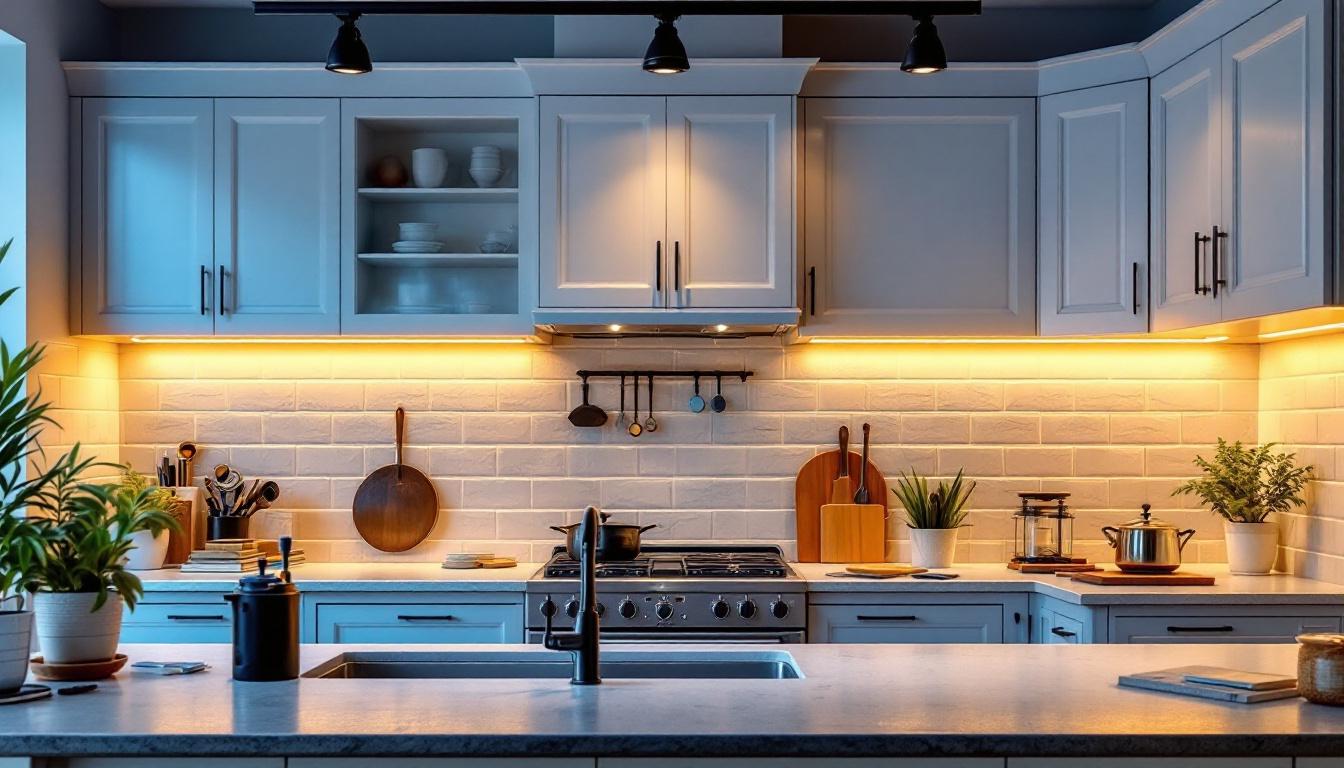
The intended use of a room plays a significant role in determining the appropriate recessed light dimensions. For instance, a kitchen may require brighter lighting for cooking and food preparation, necessitating larger fixtures or a greater number of lights. On the other hand, a living room may benefit from softer, ambient lighting, which can be achieved with smaller, strategically placed fixtures.
Contractors should engage with clients to understand their specific needs and preferences, allowing for a more tailored lighting design. This collaborative approach can lead to better outcomes and increased satisfaction with the final result. Furthermore, considering the color temperature of the recessed lights is essential; warmer tones can create a cozy atmosphere in living spaces, while cooler tones may be more appropriate for work areas like offices or workshops. By combining the right dimensions with the correct color temperature, designers can enhance the functionality and mood of each room, ensuring that the lighting complements the overall aesthetic and purpose of the space.
Installation Considerations
Once the appropriate dimensions for recessed lights have been determined, the installation process must be executed with precision. Proper installation not only ensures that the lights function effectively but also contributes to the overall safety and aesthetics of the space.
Proper Spacing and Placement
Spacing between recessed lights is a critical aspect of installation that can affect both light distribution and visual appeal. A common guideline is to space fixtures approximately 4 to 6 feet apart, depending on their size and the desired lighting effect. However, this can vary based on the specific layout and purpose of the room.
In addition to spacing, the placement of recessed lights should consider architectural features, furniture layout, and the overall design of the space. By strategically positioning fixtures, contractors can create a cohesive lighting scheme that enhances the room’s aesthetics while providing adequate illumination.
Adhering to Building Codes and Standards
Ensuring compliance with local building codes and standards is paramount during the installation of recessed lights. These regulations often dictate specific requirements for fixture placement, wiring, and energy efficiency. Contractors should familiarize themselves with these codes to ensure that their installations are safe and compliant.
Moreover, adhering to industry standards can enhance the reputation of contractors, as clients are more likely to trust professionals who prioritize safety and compliance. This attention to detail can lead to repeat business and referrals, ultimately contributing to the success of a lighting contractor’s career.
Conclusion
Understanding recessed light dimensions is essential for lighting contractors aiming to increase project efficiency and deliver high-quality results. By considering factors such as size, mounting depth, and spacing, contractors can create effective lighting designs that meet the needs of their clients while adhering to safety and compliance standards.
As the demand for recessed lighting continues to grow, staying informed about the latest trends and best practices will be crucial for contractors looking to excel in this competitive market. By prioritizing the dimensions of recessed lights and their impact on lighting efficiency, contractors can enhance their projects and ensure client satisfaction.
Ultimately, the careful selection and installation of recessed lights can transform a space, providing both functional illumination and aesthetic appeal. By mastering the intricacies of recessed light dimensions, contractors can elevate their work and contribute to the ongoing evolution of modern lighting design.
Illuminate Your Projects with LumenWholesale
Ready to enhance your lighting projects with the efficiency and elegance of recessed lighting? Look no further than LumenWholesale for all your lighting needs. Our extensive selection of spec-grade lighting products is designed to meet the highest industry standards, ensuring you deliver exceptional results every time. With unbeatable wholesale prices and the convenience of free shipping on bulk orders, you can trust LumenWholesale to provide premium lighting solutions that are both affordable and reliable. Elevate your lighting projects today by visiting Wholesale Lighting at the Best Value and discover the perfect blend of quality, affordability, and convenience.