In the ever-evolving world of lighting, LED technology has emerged as a game-changer, offering energy efficiency, longevity, and versatility. Among the various options available, the 4-foot LED light fixture stands out as a popular choice for both commercial and residential applications. For lighting contractors, mastering the installation and application of these fixtures can significantly enhance their service offerings and client satisfaction. This article delves into the essentials of LED 4-foot light fixtures, providing contractors with the knowledge and skills needed to excel in this domain.
Understanding LED 4 Foot Light Fixtures
LED 4-foot light fixtures are designed to replace traditional fluorescent tubes, providing a more energy-efficient and longer-lasting solution. These fixtures are typically used in a variety of settings, including offices, warehouses, schools, and retail spaces. Understanding the components and benefits of these fixtures is crucial for lighting contractors aiming to deliver optimal solutions to their clients.
Components of LED 4 Foot Light Fixtures
At the core of every LED 4-foot light fixture is the LED technology itself. Unlike traditional lighting, which relies on filaments or gas, LEDs use semiconductor materials to emit light when an electric current passes through them. This technology not only consumes less energy but also produces less heat, making it safer and more efficient.
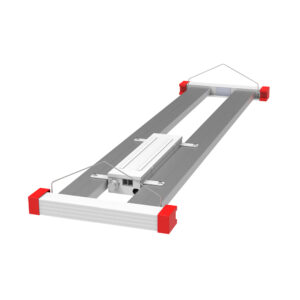
Additionally, most LED fixtures come with a built-in driver that regulates the power supply, ensuring consistent performance. The housing of these fixtures is typically made from durable materials such as aluminum or polycarbonate, providing protection against environmental factors and enhancing longevity. Some models even feature advanced thermal management systems that help dissipate heat, further extending the life of the LEDs and maintaining optimal performance under various conditions.
Benefits of Using LED 4 Foot Light Fixtures
The advantages of LED 4-foot light fixtures are numerous. First and foremost, they offer significant energy savings, often reducing electricity consumption by up to 50% compared to traditional fluorescent lights. This translates into lower utility bills for clients, making it a compelling selling point for contractors.
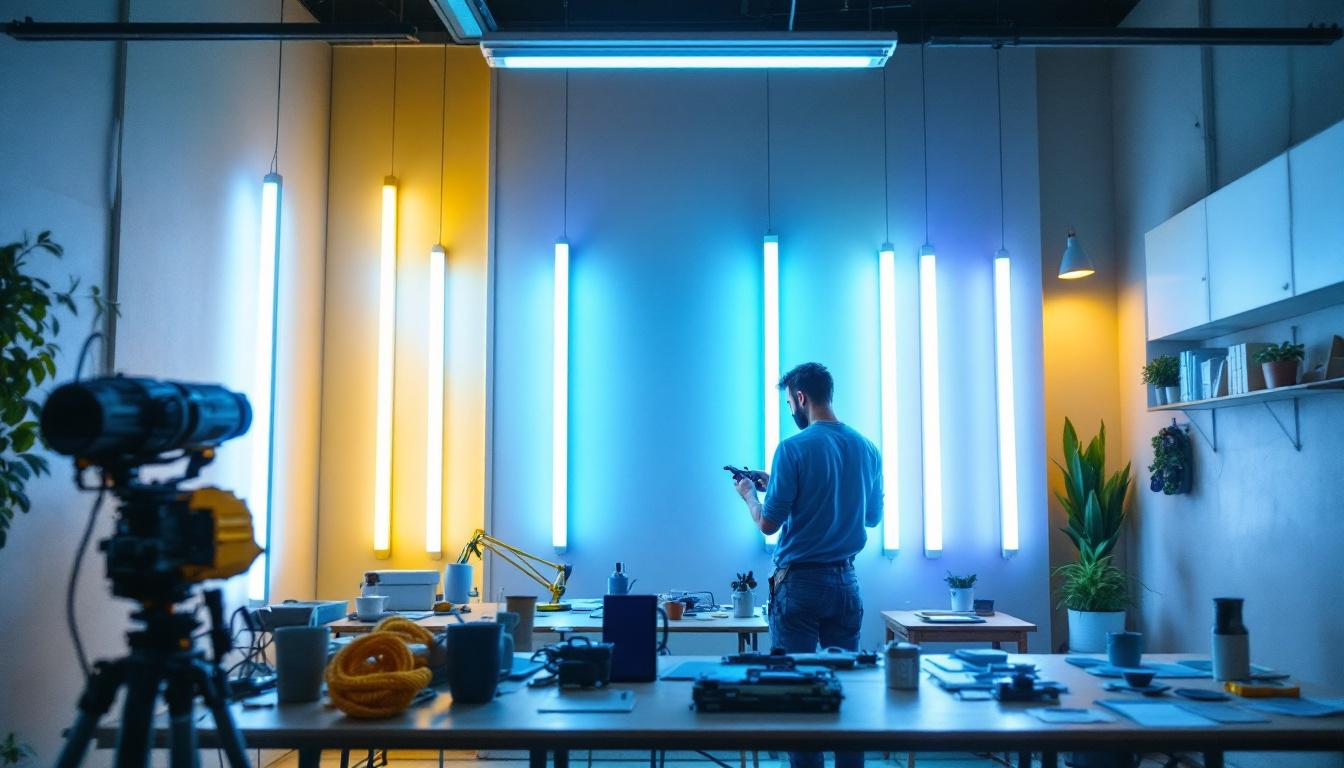
Moreover, the lifespan of LED fixtures can exceed 50,000 hours, drastically reducing the frequency of replacements and maintenance. This longevity not only benefits clients but also enhances the contractor’s reputation for providing reliable solutions. Additionally, LED fixtures are available in various color temperatures, allowing contractors to customize lighting to suit specific environments and preferences. For instance, cooler temperatures can enhance focus and productivity in office settings, while warmer tones can create a more inviting atmosphere in retail spaces. Furthermore, many LED fixtures are now designed with dimming capabilities, providing even greater flexibility in lighting design and energy management.
Another significant benefit of LED 4-foot light fixtures is their environmental impact. Unlike traditional fluorescent lights, which contain harmful substances like mercury, LEDs are free from toxic materials, making them a safer choice for both users and the planet. This eco-friendly aspect is increasingly important to clients who are looking to reduce their carbon footprint and adhere to sustainability practices. Additionally, the recyclability of LED components further contributes to their appeal, as it aligns with the growing trend towards responsible waste management in commercial and industrial settings.
Installation Best Practices
For lighting contractors, understanding the best practices for installing LED 4-foot light fixtures is essential. Proper installation not only ensures optimal performance but also enhances safety and compliance with local regulations.
Preparation and Planning
Before beginning any installation, thorough planning is crucial. Assessing the space where the fixtures will be installed helps determine the appropriate number of fixtures needed and their placement. Factors such as ceiling height, room dimensions, and the purpose of the space should be considered to achieve even and effective lighting.
Additionally, contractors should familiarize themselves with local electrical codes and regulations. Compliance with these standards is vital for ensuring safety and avoiding potential legal issues. Having the right tools and materials on hand before starting the installation can also save time and prevent delays.
Installation Steps
The installation of LED 4-foot light fixtures typically involves several key steps:
- Turn Off Power: Always ensure that the power is turned off at the circuit breaker before beginning any electrical work.
- Mounting the Fixture: Depending on the type of fixture, it may need to be mounted directly to the ceiling or suspended using chains or cables. Follow the manufacturer’s instructions for the specific mounting method.
- Wiring: Connect the fixture to the power supply, ensuring that all connections are secure and insulated. Use wire nuts or electrical tape as necessary.
- Testing: Once everything is connected, turn the power back on and test the fixture to ensure it operates correctly.
Proper installation not only enhances the performance of LED fixtures but also ensures the safety of the environment in which they are installed. Contractors should always prioritize quality workmanship and attention to detail.
Troubleshooting Common Issues
Even with proper installation, issues may arise with LED 4-foot light fixtures. Being equipped to troubleshoot common problems can help contractors provide excellent service and maintain client satisfaction.
Flickering Lights
One of the most common issues with LED fixtures is flickering. This can be caused by a variety of factors, including incompatible dimmer switches, loose connections, or voltage fluctuations. Contractors should first check the compatibility of the dimmer switch with LED technology, as not all dimmers are designed to work seamlessly with LEDs.
If the dimmer is compatible, inspecting the wiring connections is the next step. Loose or poorly connected wires can lead to inconsistent power supply, resulting in flickering. Ensuring all connections are tight and secure can often resolve this issue.
Color Temperature Changes
Another issue that may arise is a change in color temperature. This can occur if the fixture is exposed to extreme temperatures or if there is a failure in the LED chip. Contractors should advise clients on the importance of maintaining a stable environment for their fixtures and recommend suitable locations for installation.
If color temperature changes persist, it may be necessary to replace the affected fixture. Educating clients about the expected lifespan and performance of their LED fixtures can help manage expectations and reduce dissatisfaction.
Energy Efficiency and Environmental Impact
As energy efficiency continues to be a priority for many clients, lighting contractors must understand the environmental benefits of LED 4-foot light fixtures. These fixtures not only consume less energy but also contribute to a reduction in greenhouse gas emissions.
Calculating Energy Savings
To effectively communicate the benefits of LED fixtures to clients, contractors should be able to calculate potential energy savings. This involves comparing the wattage of traditional fixtures with that of LED alternatives. For example, if a traditional fluorescent fixture uses 32 watts and the LED equivalent uses only 18 watts, the savings can be calculated based on the number of fixtures and the hours of operation per day.
By presenting this information in a clear and concise manner, contractors can help clients understand the long-term financial benefits of switching to LED lighting. This not only enhances the contractor’s credibility but also positions them as knowledgeable professionals in the field.
Promoting Sustainability
In addition to energy savings, contractors should emphasize the sustainability aspects of LED lighting. Unlike traditional bulbs, LEDs do not contain harmful substances such as mercury, making them safer for the environment. Additionally, their longer lifespan means fewer fixtures end up in landfills, contributing to a more sustainable lighting solution.
By promoting the environmental benefits of LED 4-foot light fixtures, contractors can appeal to eco-conscious clients and differentiate themselves in a competitive market. This approach not only fosters client loyalty but also aligns with broader sustainability goals.
Staying Updated with Technology Trends
The lighting industry is constantly evolving, with new technologies and trends emerging regularly. For lighting contractors, staying informed about these developments is essential for maintaining a competitive edge.
Smart Lighting Integration
One of the most significant trends in lighting is the integration of smart technology. LED fixtures can now be equipped with smart features such as remote control, scheduling, and automation. Contractors should familiarize themselves with these technologies and consider offering smart lighting solutions to clients.
By providing clients with the option to control their lighting through smartphones or voice-activated devices, contractors can enhance the user experience and add value to their services. Understanding the installation and configuration of smart lighting systems will be a valuable asset for contractors in the modern marketplace.
Energy Codes and Regulations
As energy efficiency becomes a priority for governments and regulatory bodies, staying updated on energy codes and regulations is crucial for lighting contractors. These codes often dictate the minimum efficiency standards for lighting products, and compliance is essential for successful project completion.
Contractors should regularly review local and national regulations to ensure that their installations meet or exceed the required standards. This not only helps avoid potential fines but also positions the contractor as a responsible and knowledgeable professional in the industry.
Conclusion
Mastering the installation and application of LED 4-foot light fixtures is a vital skill for lighting contractors looking to enhance their service offerings. By understanding the components, benefits, and best practices associated with these fixtures, contractors can provide clients with energy-efficient and sustainable lighting solutions.
Furthermore, being equipped to troubleshoot common issues, promote energy savings, and stay updated with industry trends will set contractors apart in a competitive market. As the demand for LED lighting continues to grow, those who invest in their knowledge and skills will undoubtedly reap the rewards of a successful lighting contracting business.
Get Your Premium LED Lighting Supplies at LumenWholesale
Ready to elevate your lighting projects with the best LED 4-foot light fixtures on the market? Look no further than LumenWholesale, where we provide contractors with exceptional, spec-grade lighting products at unbeatable wholesale prices. Say goodbye to local distributor markups and hello to our extensive selection that meets the highest industry standards. With LumenWholesale, you can count on reliable, high-performance lighting that comes with the convenience of free shipping on bulk purchases. Don’t compromise on quality or value—visit LumenWholesale today and experience the ultimate in quality, affordability, and convenience for all your lighting needs.