As the demand for high-quality lighting solutions in arenas and large venues continues to rise, lighting contractors face a variety of challenges when it comes to the installation and maintenance of LED arena lights. These challenges not only affect the efficiency of the installation process but also impact the overall performance and longevity of the lighting systems. This article explores some of the top challenges faced by lighting contractors in the realm of LED arena lights, offering insights and potential solutions to help navigate these complexities.
Understanding the Technical Specifications
One of the primary challenges for lighting contractors is the need to fully understand the technical specifications of LED arena lights. With advancements in technology, LED lights come with a range of features and specifications that can be overwhelming.
Variety of Options
LED lights are available in various wattages, color temperatures, and beam angles. Each of these factors plays a crucial role in determining the overall effectiveness of the lighting in an arena setting. For instance, a higher wattage may be necessary for larger venues, while specific color temperatures can enhance the visual experience for both performers and spectators.
Contractors must be well-versed in these options to ensure they select the right products for each unique project. This requires not only product knowledge but also an understanding of how these specifications will interact with the arena’s architecture and intended use. Additionally, the choice of beam angle can greatly influence the distribution of light across the arena. A narrow beam angle may be ideal for focused lighting on a stage, while a wider beam angle can help illuminate larger areas, ensuring that every spectator has a clear view of the action. Understanding these nuances allows contractors to create a tailored lighting design that enhances the overall experience.
Compliance with Standards
Another layer of complexity arises from the need to comply with local and national lighting standards. These regulations often dictate aspects such as energy efficiency, light pollution control, and safety measures. Contractors must stay informed about these standards to avoid costly mistakes and ensure that installations meet all necessary legal requirements.
Failure to comply can lead to delays, fines, or even the need for reinstallation, all of which can significantly impact project timelines and budgets. Moreover, being proactive about compliance can also provide a competitive edge. Many organizations are increasingly prioritizing sustainability and environmental responsibility, making energy-efficient lighting solutions not just a regulatory requirement but also a market expectation. By understanding and implementing these standards, contractors can position themselves as leaders in the industry, appealing to clients who value both performance and sustainability in their lighting solutions. This not only enhances the reputation of the contractor but also contributes positively to the overall perception of the project within the community.
Installation Challenges
The installation process for LED arena lights can be fraught with challenges, particularly in large venues where access and logistics play a significant role. Proper planning and execution are essential to ensure a smooth installation process.
Access and Safety
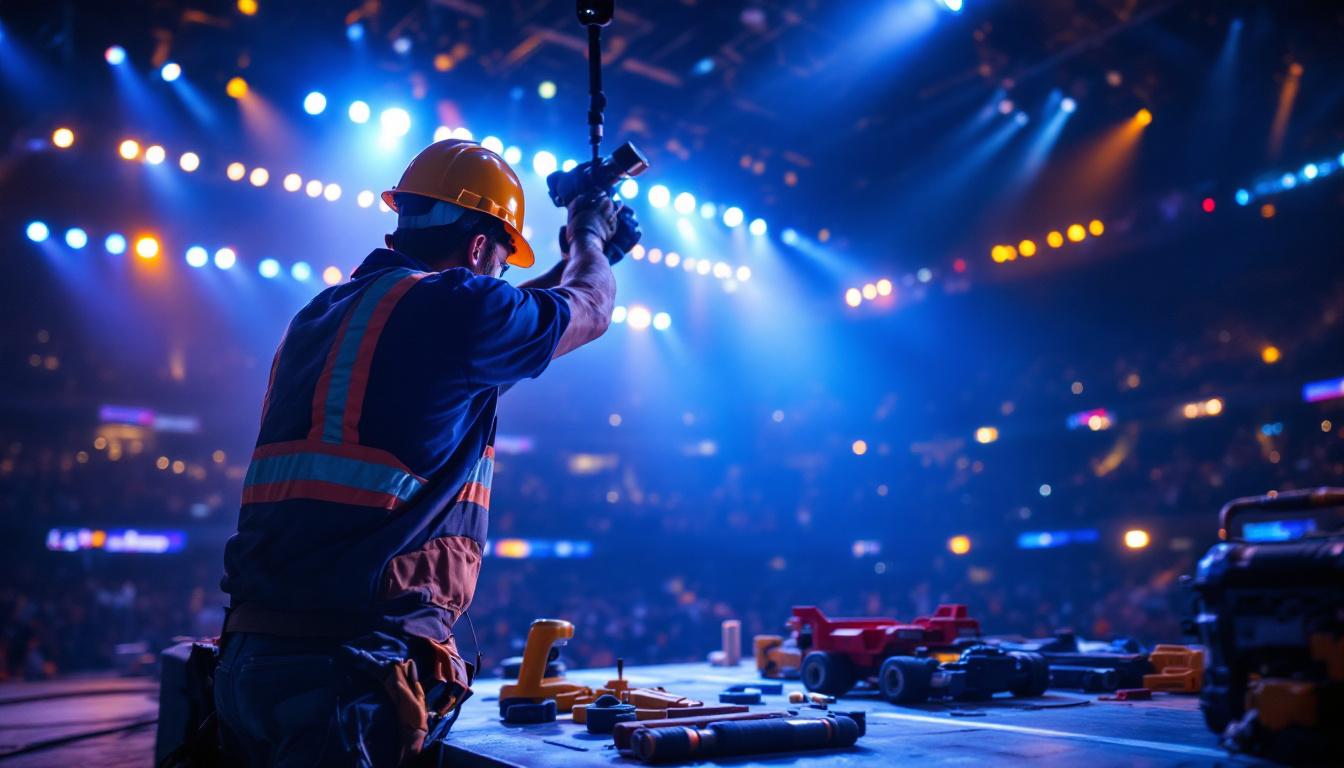
Many arenas feature high ceilings and complex structures, making access to lighting fixtures a significant concern. Contractors often need to use specialized equipment such as lifts or scaffolding to reach these areas safely. This not only adds to the cost of the project but also requires careful planning to ensure that safety protocols are followed.
In addition to physical access, contractors must also consider the safety of the installation process itself. Working at heights poses risks, and ensuring that all team members are trained and equipped with the necessary safety gear is paramount. Regular safety briefings and adherence to OSHA regulations can help mitigate risks, ensuring that every worker is aware of their surroundings and the potential hazards involved. Furthermore, implementing a system for reporting near-misses or unsafe conditions can foster a culture of safety that benefits the entire team.
Coordination with Other Trades
Lighting contractors often need to coordinate with other trades, such as electricians and general contractors, to ensure that installations proceed smoothly. This requires effective communication and collaboration to avoid conflicts and ensure that all aspects of the project align.
Delays in one area can have a ripple effect, impacting the entire project timeline. Therefore, establishing clear lines of communication and a comprehensive project plan is essential for successful collaboration. Weekly coordination meetings can be beneficial, allowing all parties to discuss progress, address concerns, and adjust schedules as necessary. Additionally, utilizing project management software can streamline communication, providing a centralized platform for updates and documentation. This not only enhances transparency but also helps in tracking project milestones, ensuring that everyone remains on the same page as the installation progresses.
Energy Efficiency and Sustainability
As energy efficiency becomes increasingly important in lighting design, contractors must navigate the challenges associated with selecting and installing energy-efficient LED arena lights. While LED technology is inherently more efficient than traditional lighting solutions, there are still considerations to keep in mind.
Balancing Performance and Efficiency
Contractors must strike a balance between performance and energy efficiency. While it may be tempting to opt for the most energy-efficient options available, it is crucial to ensure that these lights still meet the performance needs of the venue. For example, a highly efficient LED light may not provide adequate illumination for a sports event or concert, leading to a subpar experience for attendees.
Understanding the specific lighting requirements of the venue and how different LED products can meet those needs is essential for making informed decisions. Factors such as the height of the arena, the type of events hosted, and the desired ambiance all play a role in determining the appropriate lighting solution. Moreover, the color temperature and color rendering index (CRI) of the LEDs can significantly affect how the space is perceived, impacting everything from player performance to audience enjoyment.
Long-Term Sustainability
In addition to energy efficiency, sustainability is a growing concern for many contractors and clients. The environmental impact of lighting solutions is under scrutiny, and there is a push for products that not only perform well but also have a minimal ecological footprint.
Contractors can address this challenge by selecting LED lights that are designed for longevity and recyclability. By promoting sustainable practices, contractors can differentiate themselves in a competitive market while also contributing to a more environmentally friendly future. Furthermore, integrating smart lighting systems can enhance sustainability efforts, allowing for automated adjustments based on occupancy and natural light levels. This not only conserves energy but also extends the lifespan of the lighting fixtures, reducing waste and maintenance costs over time. As the industry moves towards more sustainable practices, staying informed about advancements in technology and materials will be vital for contractors aiming to lead in this evolving landscape.
Maintenance and Longevity
Once the LED arena lights are installed, the focus shifts to maintenance and ensuring the longevity of the systems. While LED technology is known for its durability, proper maintenance is still crucial to avoid premature failures and ensure optimal performance.
Regular Inspections
Regular inspections are essential for identifying potential issues before they escalate. Contractors should establish a maintenance schedule that includes routine checks of all lighting fixtures, wiring, and control systems. This proactive approach can help catch problems early and reduce the risk of costly repairs or replacements down the line.
In addition to visual inspections, contractors should also consider implementing monitoring systems that can provide real-time data on the performance of the lighting. These systems can alert contractors to issues such as flickering lights or power fluctuations, enabling quicker responses to maintenance needs.
Training and Support
Another challenge in maintaining LED arena lights is ensuring that staff are adequately trained to handle routine maintenance and troubleshooting. Contractors often need to provide training sessions for venue staff to familiarize them with the lighting systems and best practices for upkeep.
Providing ongoing support and resources can empower venue staff to address minor issues independently, reducing the burden on contractors and ensuring that the lighting remains in optimal condition.
Cost Management
Cost management is a critical aspect of any lighting project, and LED arena lights can present unique financial challenges. While the initial investment in LED technology may be higher than traditional lighting options, the long-term savings can be significant. However, managing costs throughout the project lifecycle is essential to ensure profitability.
Budgeting for Upgrades
Contractors must carefully budget for the initial installation costs while also considering potential upgrades in the future. As technology continues to evolve, there may be opportunities to enhance lighting systems with new features or capabilities. Planning for these upgrades in advance can help contractors avoid unexpected expenses down the line.
Additionally, understanding the total cost of ownership, which includes maintenance, energy consumption, and replacement costs, is crucial for making informed decisions about lighting solutions.
Client Education
Educating clients about the long-term benefits of investing in LED arena lights can also play a significant role in cost management. Many clients may be hesitant to invest in higher upfront costs without understanding the potential savings on energy bills and maintenance over time.
By providing clear and comprehensive information about the advantages of LED technology, contractors can help clients make informed decisions that align with their budgetary constraints and long-term goals.
Conclusion
The landscape of LED arena lighting presents a range of challenges for lighting contractors, from technical specifications and installation complexities to maintenance and cost management. By understanding these challenges and implementing effective strategies, contractors can enhance their ability to deliver high-quality lighting solutions that meet the needs of their clients.
As the demand for advanced lighting solutions continues to grow, staying informed about industry trends and best practices will be essential for contractors looking to thrive in this competitive market. Embracing these challenges as opportunities for growth and innovation will ultimately lead to successful project outcomes and satisfied clients.
Illuminate Your Projects with LumenWholesale
Overcome the challenges of LED arena lighting with LumenWholesale by your side. We provide lighting contractors with the high-quality, spec-grade lighting products you need at prices that respect your budget. Say goodbye to local distributor markups and hello to a vast selection of industry-standard lighting solutions that promise reliability and high performance for every project. With LumenWholesale, bulk buying is a breeze, and with free shipping included, you can trust that you’re getting premium lighting at the best value — no hidden fees, no compromises. Elevate your lighting projects and experience the ideal combination of quality, affordability, and convenience. Wholesale Lighting at the Best Value is just a click away.