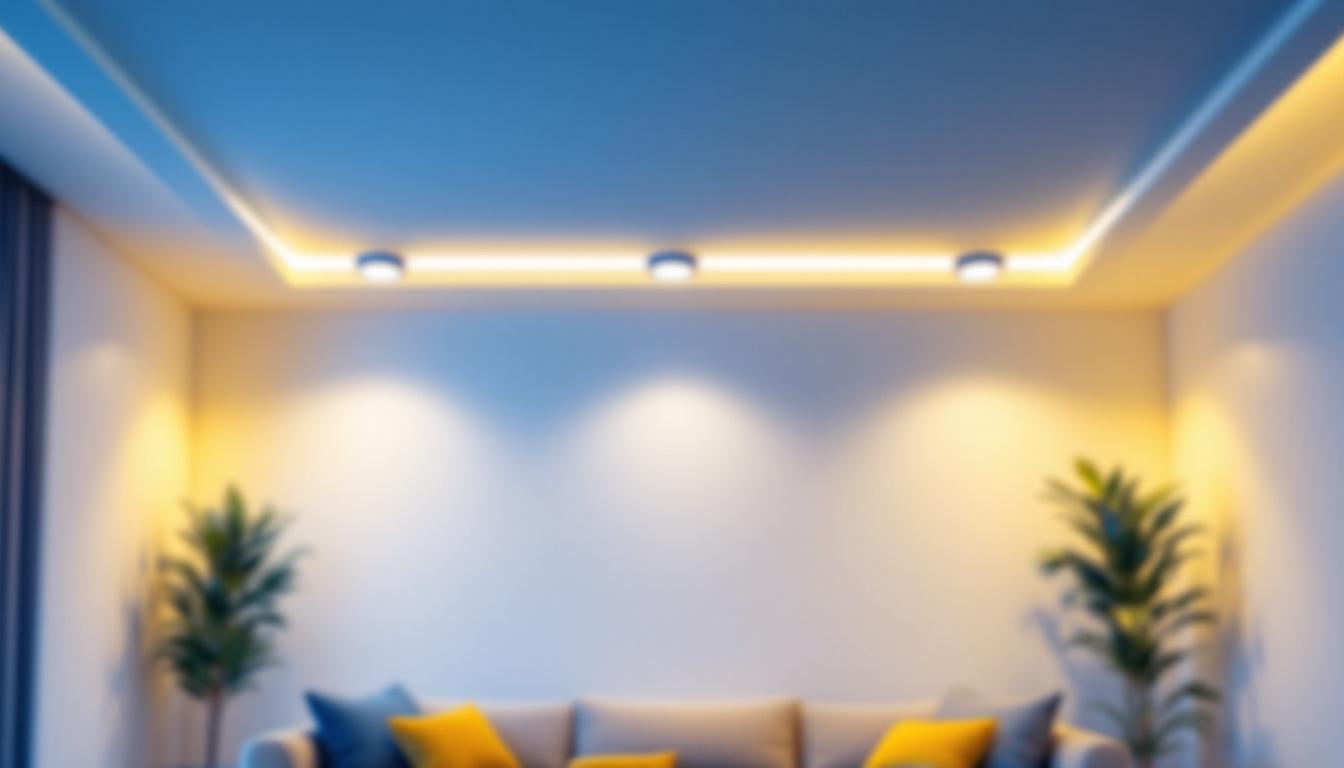
In an era where energy efficiency is paramount, the adoption of LED technology has transformed the lighting industry. Among the various innovations, LED kit lights stand out for their versatility and effectiveness. This article explores the impact of LED kit lights on energy efficiency, highlighting their benefits, applications, and the broader implications for sustainability.
Understanding LED Kit Lights
LED kit lights are modular lighting solutions that incorporate light-emitting diodes (LEDs) as their primary light source. These kits are designed for easy installation and can be used in various settings, from residential to commercial environments. Their adaptability makes them a popular choice among lighting contractors and end-users alike. With advancements in technology, LED kits have become increasingly versatile, offering a range of styles and functionalities that cater to diverse aesthetic preferences and practical requirements.
Components of LED Kit Lights
Typically, an LED kit light consists of several components, including the LED light source, a driver, and sometimes additional fixtures or housings. The driver is crucial as it regulates the power supply to the LEDs, ensuring optimal performance and longevity. Many kits also come with customizable features, such as dimming capabilities and color temperature adjustments, allowing users to tailor their lighting to specific needs. Furthermore, some LED kits include smart technology integration, enabling users to control their lighting through mobile apps or voice commands, thus enhancing convenience and energy management.
How LED Kit Lights Work
LEDs operate on a principle known as electroluminescence, where electrical current passes through a semiconductor material, emitting light. Unlike traditional incandescent bulbs, which generate light through heat, LEDs produce minimal heat, making them more efficient. This fundamental difference is key to their energy-saving potential. Additionally, the lifespan of LED lights is significantly longer than that of traditional bulbs, often exceeding 25,000 hours, which translates to reduced maintenance costs and less frequent replacements. This durability, combined with their low energy consumption, positions LED kit lights as an environmentally friendly option, contributing to lower carbon footprints in both residential and commercial spaces.
The Energy Efficiency of LED Kit Lights
The energy efficiency of LED kit lights is one of their most significant advantages. They consume considerably less power compared to traditional lighting solutions, such as incandescent or fluorescent bulbs. This efficiency translates into lower electricity bills and a reduced carbon footprint, making them an attractive option for both residential and commercial applications. In addition to their energy-saving capabilities, LED kit lights also offer enhanced versatility, allowing users to choose from a variety of color temperatures and brightness levels to suit different environments and preferences.
Comparative Energy Consumption
When comparing energy consumption, LED kit lights typically use about 75% less energy than incandescent bulbs and around 50% less than fluorescent lights. This stark difference is due to the high luminous efficacy of LEDs, which measures how much light is produced per watt of electricity consumed. As a result, LED kit lights can provide the same level of brightness as traditional bulbs while using significantly less energy. Furthermore, the ability of LEDs to maintain their brightness over time, without the gradual dimming that often occurs with other types of bulbs, ensures that spaces remain well-lit and inviting for longer periods.
Longevity and Maintenance Savings
Another factor contributing to the energy efficiency of LED kit lights is their impressive lifespan. On average, LEDs can last up to 25,000 hours or more, compared to just 1,000 hours for incandescent bulbs. This longevity not only reduces the frequency of replacements but also minimizes maintenance costs. For contractors, this means fewer service calls and happier clients. Additionally, many LED kit lights are designed with durable materials that can withstand various environmental conditions, making them ideal for both indoor and outdoor use. This resilience further enhances their appeal, as users can rely on them for consistent performance, regardless of the setting.
Moreover, the reduced heat output of LED kit lights is another compelling aspect of their energy efficiency. Unlike incandescent bulbs, which convert a significant portion of energy into heat, LEDs remain cool to the touch even after extended use. This characteristic not only contributes to a safer environment, particularly in spaces where children or pets are present, but also reduces the load on air conditioning systems during warmer months. Consequently, homeowners and businesses can enjoy additional savings on cooling costs, further amplifying the economic benefits of switching to LED technology.
Environmental Impact
The shift towards LED technology is not just a matter of energy savings; it also has profound implications for the environment. By reducing energy consumption, LED kit lights help decrease greenhouse gas emissions associated with electricity generation. This is particularly important as the world grapples with climate change and seeks sustainable solutions.
Reduction of Hazardous Materials
LEDs are also more environmentally friendly because they do not contain hazardous materials like mercury, which is found in fluorescent lights. This absence of harmful substances simplifies disposal and recycling processes, making LEDs a safer choice for both consumers and the environment. As awareness of environmental issues grows, the demand for safer lighting solutions continues to rise.
Supporting Renewable Energy Initiatives
By adopting LED kit lights, consumers and businesses can contribute to renewable energy initiatives. With reduced energy demand, there is less pressure on power plants, allowing for a smoother transition towards renewable energy sources. This synergy between energy-efficient lighting and renewable energy can significantly bolster sustainability efforts across various sectors.
Applications of LED Kit Lights
The versatility of LED kit lights makes them suitable for a wide range of applications. From residential homes to commercial spaces, their adaptability allows for creative and functional lighting solutions. Understanding these applications can help contractors recommend the best options to their clients.
Residential Use
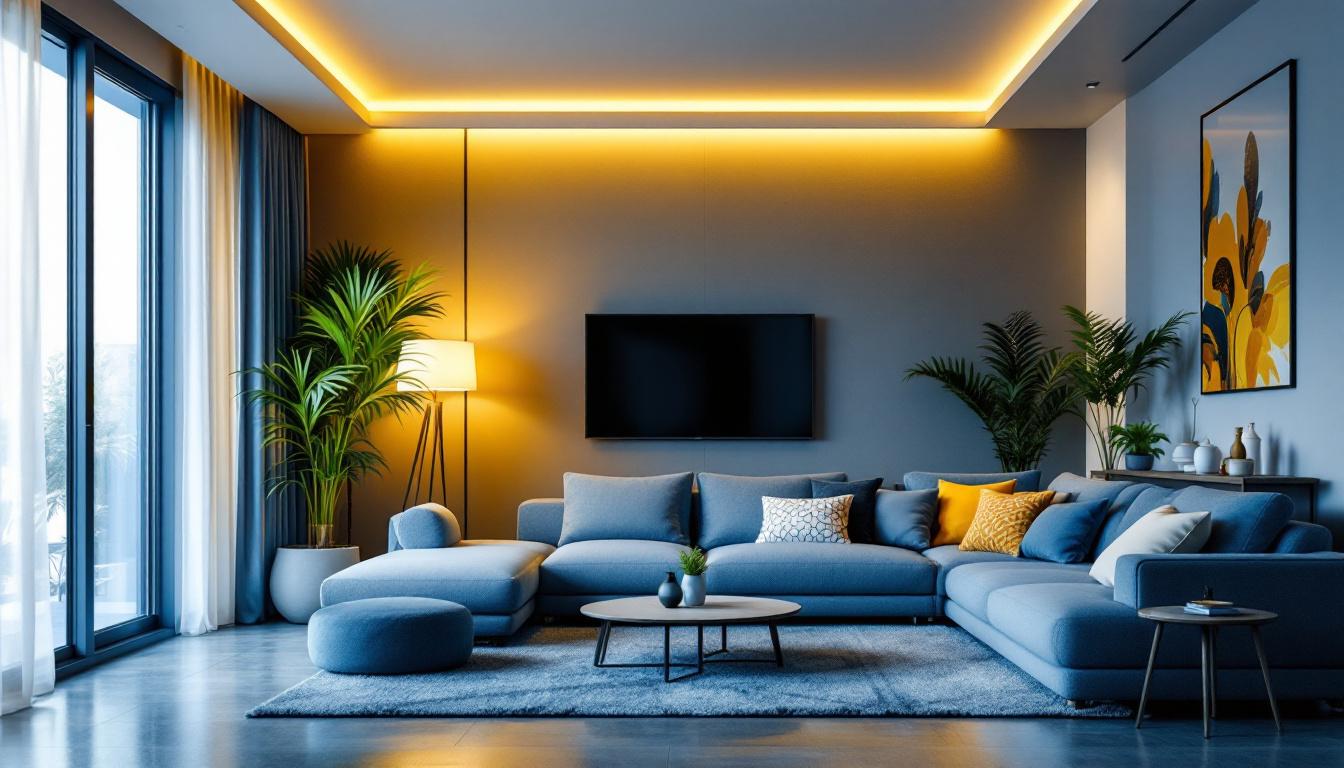
In residential settings, LED kit lights can enhance the ambiance of living spaces while providing energy-efficient illumination. They are ideal for kitchens, bathrooms, and living rooms, offering options for task lighting, accent lighting, and general illumination. Homeowners appreciate the ability to customize their lighting to suit their lifestyles, making LED kit lights a popular choice.
Commercial and Industrial Use
In commercial and industrial environments, LED kit lights are invaluable for their efficiency and performance. They are commonly used in offices, retail spaces, warehouses, and manufacturing facilities. The ability to install them in various configurations allows businesses to optimize lighting for productivity and safety while keeping energy costs low.
Outdoor Applications
Outdoor lighting is another area where LED kit lights excel. They can be used for landscape lighting, security lighting, and street lighting. Their durability and resistance to weather conditions make them suitable for outdoor installations, ensuring reliable performance year-round. Furthermore, the energy savings associated with outdoor LED lighting can significantly impact municipal budgets and private property expenses.
Challenges and Considerations
While LED kit lights offer numerous benefits, there are challenges and considerations that lighting contractors should be aware of when recommending these solutions to clients. Understanding these factors can help ensure successful installations and satisfied customers.
Initial Cost vs. Long-Term Savings
One of the primary challenges is the initial cost of LED kit lights, which can be higher than traditional lighting options. However, it is essential to communicate the long-term savings associated with energy efficiency and reduced maintenance. Over time, the return on investment becomes evident as energy bills decrease and replacement costs diminish.
Compatibility with Existing Systems
Another consideration is compatibility with existing lighting systems. Contractors should assess whether the LED kit lights can be integrated into current setups without significant modifications. In some cases, additional components, such as drivers or dimmers, may be necessary to ensure optimal performance, which can add to the overall project cost.
The Future of LED Kit Lights
The future of LED kit lights looks promising as technology continues to evolve. Innovations in LED technology are expected to enhance efficiency, performance, and functionality, making them an even more attractive option for consumers and contractors alike.
Smart Lighting Integration
One of the most exciting developments in the lighting industry is the integration of smart technology with LED kit lights. Smart lighting systems allow users to control their lighting remotely, adjust brightness, and even set schedules through mobile applications. This level of control not only enhances convenience but also promotes energy conservation, as users can easily turn off lights when not in use.
Advancements in Design and Aesthetics
As the demand for aesthetically pleasing lighting solutions grows, manufacturers are focusing on design innovations. LED kit lights are becoming more versatile in terms of style and appearance, allowing for seamless integration into various architectural designs. This trend is particularly important for contractors who aim to meet the diverse preferences of their clients.
Conclusion
LED kit lights have made a significant impact on energy efficiency, offering a range of benefits that extend beyond mere illumination. Their energy-saving capabilities, longevity, and environmental advantages make them a compelling choice for both residential and commercial applications. As the lighting industry continues to evolve, the adoption of LED technology will play a crucial role in promoting sustainability and reducing energy consumption.
For lighting contractors, understanding the nuances of LED kit lights is essential for providing clients with informed recommendations. By embracing this technology, contractors can not only enhance their service offerings but also contribute to a more energy-efficient future. The transition to LED kit lights is not just a trend; it is a step towards a more sustainable and responsible approach to lighting.
Illuminate Your Projects with LumenWholesale
Ready to elevate your lighting solutions and drive energy efficiency forward? At LumenWholesale, we offer an extensive selection of LED kit lights that embody the perfect blend of quality, affordability, and convenience. Say goodbye to inflated markups and hello to spec-grade lighting products at unbeatable wholesale prices. Plus, with free shipping on bulk orders, you can stock up on premium lighting without the worry of hidden fees. Don’t compromise on your lighting needs—choose LumenWholesale for the best value in wholesale lighting. Wholesale Lighting at the Best Value.