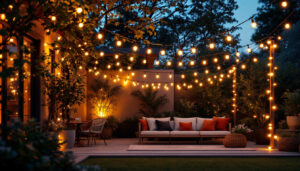
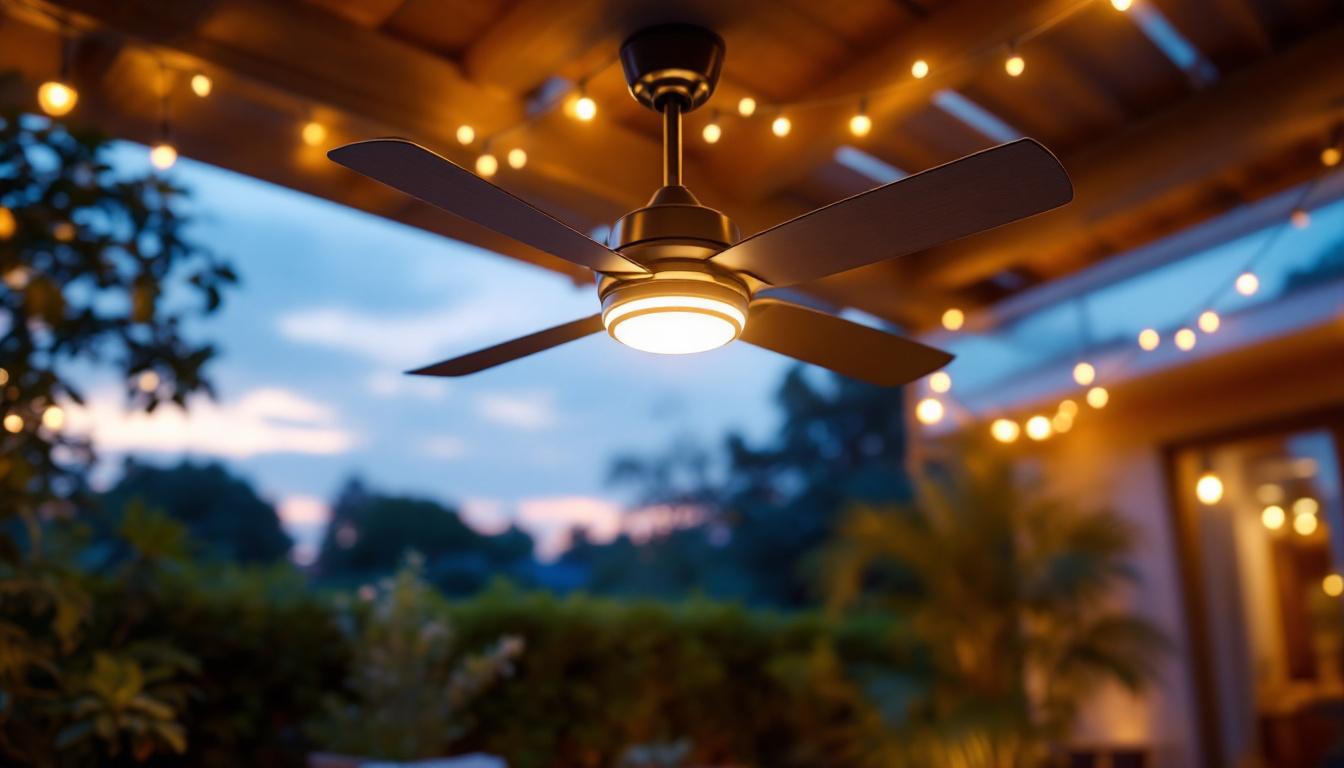
As the demand for sustainable and energy-efficient solutions grows, outdoor solar lighting has emerged as a popular choice for both residential and commercial applications. For lighting contractors, understanding the intricacies of solar technology and its application in outdoor lighting is essential. This comprehensive guide will explore the various aspects of outdoor solar lighting, providing insights and practical tips to enhance your offerings and better serve your clients.
Understanding Solar Lighting Technology
What is Solar Lighting?
Solar lighting refers to outdoor lighting systems that utilize solar panels to convert sunlight into electricity. This electricity powers LED lights, providing illumination without the need for traditional electrical wiring. Solar lights are typically equipped with rechargeable batteries that store energy during the day, allowing for nighttime operation.
The technology behind solar lighting has evolved significantly, resulting in more efficient solar panels, improved battery storage, and advanced LED technology. These advancements have made solar lighting a viable option for various applications, from garden pathways to parking lots. Moreover, the growing emphasis on sustainability and reducing carbon footprints has further propelled the adoption of solar lighting solutions. As cities and communities strive to become more eco-friendly, solar lighting offers an innovative way to enhance outdoor spaces while minimizing environmental impact.
Components of Solar Lighting Systems
Understanding the key components of solar lighting systems is crucial for lighting contractors. Each system generally consists of the following elements:
- Solar Panels: These capture sunlight and convert it into electrical energy.
- Batteries: Rechargeable batteries store the energy collected during the day for use at night.
- LED Lights: Energy-efficient lighting that provides illumination while consuming minimal power.
- Control Systems: These regulate the operation of the lights, including automatic on/off functions based on ambient light levels.
By familiarizing yourself with these components, you can better assess the needs of your clients and recommend appropriate solar lighting solutions. Additionally, understanding the various types of solar lights available—such as motion-sensor lights, decorative fixtures, and floodlights—can help you tailor your recommendations to specific applications. For instance, motion-sensor solar lights are ideal for enhancing security in residential areas, while decorative solar lanterns can add aesthetic appeal to outdoor gatherings. This versatility not only meets functional requirements but also allows for creative expression in outdoor design.
Benefits of Outdoor Solar Lighting
Energy Efficiency and Cost Savings
One of the primary advantages of solar lighting is its energy efficiency. Since solar lights rely on renewable energy, they significantly reduce electricity costs for clients. Additionally, the installation of solar lighting systems often eliminates the need for extensive electrical work, further reducing installation costs.
Over time, the savings on energy bills can be substantial, making solar lighting an attractive option for budget-conscious clients. Moreover, many local governments offer incentives for using renewable energy solutions, which can enhance the overall appeal of solar lighting systems. These incentives can include tax rebates, grants, or even subsidized installation costs, making the transition to solar lighting not only environmentally responsible but also financially savvy.
Environmental Impact
Solar lighting contributes to a reduction in carbon emissions, making it a more environmentally friendly option compared to traditional lighting solutions. By harnessing the power of the sun, solar lights help decrease reliance on fossil fuels and promote sustainable practices.
For clients who prioritize eco-friendly solutions, solar lighting can be a compelling selling point. Highlighting the environmental benefits can help contractors attract a more conscious clientele and differentiate their services in a competitive market. Furthermore, solar lights often come equipped with energy-efficient LED bulbs that not only consume less power but also have a longer lifespan compared to conventional bulbs, further minimizing waste and environmental impact. This combination of sustainability and efficiency can resonate deeply with clients looking to make a positive change.
Versatility and Design Options
Solar lighting systems come in a variety of styles and designs, making them suitable for numerous applications. From decorative garden lights to functional streetlights, the versatility of solar lighting allows contractors to cater to diverse client needs.
Moreover, advancements in design mean that solar lights can seamlessly blend into existing landscapes or architectural styles, enhancing the aesthetic appeal of outdoor spaces. Contractors can leverage this variety to create customized solutions that meet both functional and aesthetic requirements. Additionally, many modern solar lights are equipped with smart technology, allowing for features such as motion sensors, dimming capabilities, and programmable timers. This not only enhances the usability of solar lights but also provides clients with greater control over their outdoor lighting, ensuring that it meets their specific lifestyle and security needs. As the demand for innovative outdoor solutions grows, integrating smart solar lighting can position contractors at the forefront of the industry.
Installation Considerations
Site Assessment
Before installing solar lighting, conducting a thorough site assessment is essential. Factors such as sunlight exposure, landscape features, and potential obstructions must be evaluated to ensure optimal performance of the solar lighting system.
Identifying areas with sufficient sunlight throughout the day will help determine the best locations for solar panels. Additionally, understanding the specific lighting needs of the area will guide the selection of appropriate fixtures and configurations. For instance, areas that require brighter illumination, such as pathways or parking lots, may benefit from fixtures with higher lumen output, while softer lighting may be suitable for gardens or decorative purposes. Furthermore, seasonal changes in sunlight exposure should also be taken into account, as trees may grow or foliage may change, affecting the amount of light received by the solar panels over time.
Choosing the Right Solar Lighting Products
Not all solar lighting products are created equal. When selecting products for installation, consider the following:
- Quality of Components: Opt for products with high-quality solar panels, batteries, and LED lights to ensure longevity and performance.
- Wattage and Brightness: Assess the required brightness levels for the specific application to choose the right wattage.
- Durability: Ensure that the fixtures are weather-resistant and designed to withstand outdoor conditions.
By selecting reliable products, contractors can enhance customer satisfaction and reduce the likelihood of maintenance issues down the line. Additionally, it is crucial to consider the aesthetic appeal of the lighting fixtures. Solar lights come in a variety of styles and finishes, allowing for a seamless integration into the existing landscape design. This not only enhances the visual appeal of the area but also ensures that the lighting serves its functional purpose without detracting from the overall ambiance. Moreover, energy efficiency should be a priority; choosing products with smart technology features, such as motion sensors or timers, can further optimize energy use and extend the lifespan of the lighting system.
Maintenance of Solar Lighting Systems
Regular Cleaning and Inspection
To ensure optimal performance, regular maintenance of solar lighting systems is crucial. This includes cleaning the solar panels to remove dirt, debris, and snow that can obstruct sunlight absorption. A simple wipe-down with a damp cloth can significantly improve efficiency.
Additionally, periodic inspections of the fixtures and batteries are essential to identify any issues early. Checking for signs of wear or damage can help prevent more significant problems in the future and prolong the lifespan of the system.
Battery Replacement and Upgrades
Batteries are a critical component of solar lighting systems and will eventually require replacement. Understanding the signs of battery degradation, such as reduced runtime or flickering lights, is essential for timely replacements.
Contractors should also stay informed about advancements in battery technology. Upgrading to newer, more efficient batteries can enhance system performance and provide clients with improved lighting solutions.
Common Misconceptions About Solar Lighting
Performance in Low Light Conditions
A common misconception about solar lighting is that it does not perform well in low light conditions. While it is true that solar lights rely on sunlight for charging, modern solar lighting systems are designed to operate efficiently even in partially shaded areas.
By selecting high-quality products with advanced battery technology, contractors can ensure that solar lights provide adequate illumination, even during overcast days or in shaded locations.
Initial Costs vs. Long-Term Savings
Another misconception is that solar lighting systems are prohibitively expensive. While the initial investment may be higher than traditional lighting solutions, the long-term savings on energy bills and maintenance costs often outweigh the upfront costs.
Educating clients about the financial benefits and potential incentives can help dispel this myth and encourage the adoption of solar lighting solutions.
Future Trends in Solar Lighting
Smart Solar Lighting Solutions
The integration of smart technology into solar lighting systems is a growing trend. Smart solar lights can be controlled via mobile apps, allowing users to adjust brightness, set timers, and monitor performance remotely. This added convenience enhances user experience and can lead to increased satisfaction.
Contractors should stay abreast of these advancements and consider incorporating smart solar lighting options into their offerings to appeal to tech-savvy clients.
Increased Efficiency and Sustainability
As technology continues to evolve, solar lighting systems are becoming increasingly efficient and sustainable. Innovations in solar panel technology and battery storage are expected to improve performance and reduce costs further.
Contractors who stay informed about these trends will be better positioned to offer cutting-edge solutions that meet the demands of an evolving market.
Conclusion
Outdoor solar lighting presents a unique opportunity for lighting contractors to expand their service offerings while promoting sustainability and energy efficiency. By understanding the technology, benefits, installation considerations, and maintenance requirements of solar lighting systems, contractors can provide valuable solutions to their clients.
As the industry continues to evolve, staying informed about trends and advancements will be crucial for success. Embracing solar lighting not only enhances the contractor’s portfolio but also contributes to a greener future.
By leveraging this ultimate handbook, lighting contractors can navigate the world of outdoor solar lighting with confidence, ensuring they meet the needs of their clients while playing a part in the transition to renewable energy solutions.
Illuminate Your Projects with LumenWholesale
Ready to elevate your outdoor solar lighting projects and exceed your clients’ expectations? Look no further than LumenWholesale for all your lighting needs. Our extensive range of top-quality, spec-grade lighting products comes at unbeatable wholesale prices, ensuring you get the best value for every project. Say goodbye to local distributor markups and hello to superior products, free shipping, and the convenience of hassle-free bulk buying. Don’t compromise on quality or price. Visit LumenWholesale today and discover the perfect blend of quality, affordability, and convenience for Wholesale Lighting at the Best Value.