LED Bulbs For Recessed Lights: Lighting Contractors’ Guide
In the ever-evolving world of lighting technology, LED bulbs have emerged as a game-changer, especially for recessed lighting applications. As a lighting contractor, understanding the nuances of LED bulbs for recessed lights is essential for delivering optimal solutions to clients. This guide aims to provide comprehensive insights into the various aspects of LED bulbs, including their benefits, types, installation tips, and considerations for achieving the best results.
Understanding LED Technology
LED, or Light Emitting Diode, technology has transformed the lighting industry by offering energy-efficient and long-lasting alternatives to traditional incandescent and fluorescent bulbs. Unlike conventional bulbs, LEDs convert a higher percentage of energy into light, resulting in reduced energy consumption and lower electricity bills. This shift towards LED technology has not only revolutionized how we illuminate our spaces but has also paved the way for innovative lighting designs that enhance both functionality and aesthetics.
Energy Efficiency
One of the most significant advantages of LED bulbs is their energy efficiency. They consume up to 80% less energy than incandescent bulbs, making them an attractive option for both residential and commercial applications. This efficiency not only benefits the environment but also appeals to cost-conscious clients looking to reduce their energy expenses. Moreover, the reduced heat output of LEDs means that they contribute less to cooling costs in warmer climates, further enhancing their appeal as an eco-friendly lighting solution.
Longevity and Durability
LED bulbs boast an impressive lifespan, often lasting up to 25,000 hours or more. This longevity means fewer replacements and maintenance costs for clients, making them a wise investment. Additionally, LEDs are more durable than traditional bulbs, as they are not made of fragile glass and are resistant to shocks and vibrations. This resilience makes them ideal for a variety of settings, including outdoor installations and high-traffic areas where traditional bulbs might fail more quickly. Furthermore, many LED products are designed to withstand extreme temperatures, making them suitable for both hot and cold environments, which adds to their versatility in diverse applications.
Another fascinating aspect of LED technology is its ability to produce a wide range of colors without the need for filters. This capability allows for creative lighting designs that can enhance moods and atmospheres in various settings, from cozy homes to vibrant commercial spaces. Additionally, the development of smart LED lighting systems has introduced features such as dimming, color changing, and remote control, giving users unprecedented control over their lighting environments. As the technology continues to evolve, we can expect even more innovative applications that will further integrate LED lighting into our daily lives, making it an essential component of modern design and functionality.
Types of LED Bulbs for Recessed Lighting
When selecting LED bulbs for recessed lighting, it’s crucial to understand the different types available. Each type has unique characteristics that cater to various lighting needs and preferences.
Standard LED Bulbs
Standard LED bulbs are designed to replace traditional incandescent bulbs directly. They come in various shapes and sizes, making them versatile for different recessed lighting fixtures. These bulbs provide a warm, inviting light that can enhance the ambiance of any space. Additionally, standard LED bulbs are known for their longevity, often lasting up to 25,000 hours, significantly reducing the frequency of replacements. This longevity not only contributes to cost savings over time but also minimizes waste, making them an environmentally friendly choice.
LED Retrofit Kits
For contractors looking to upgrade existing recessed fixtures, LED retrofit kits offer an efficient solution. These kits typically include an LED module and a trim that fits into the existing housing. Retrofit kits are an excellent choice for clients who want to improve energy efficiency without the need for a complete fixture replacement. Furthermore, many retrofit kits are designed to be compatible with dimmer switches, allowing for greater control over the lighting levels. This adaptability makes them suitable for various settings, from residential homes to commercial spaces, where lighting needs can vary throughout the day.
Smart LED Bulbs
Smart LED bulbs are becoming increasingly popular due to their advanced features. These bulbs can be controlled remotely via smartphone apps or voice-activated assistants, allowing clients to customize their lighting experience. Smart bulbs often include adjustable color temperatures and dimming capabilities, making them ideal for creating different moods in a space. Additionally, some smart LED bulbs can be programmed to change colors or brightness based on the time of day, enhancing not only the aesthetics but also the functionality of the lighting. This feature is particularly beneficial for those who want to simulate natural light patterns, which can improve overall well-being and productivity in both home and office environments.
Installation Considerations
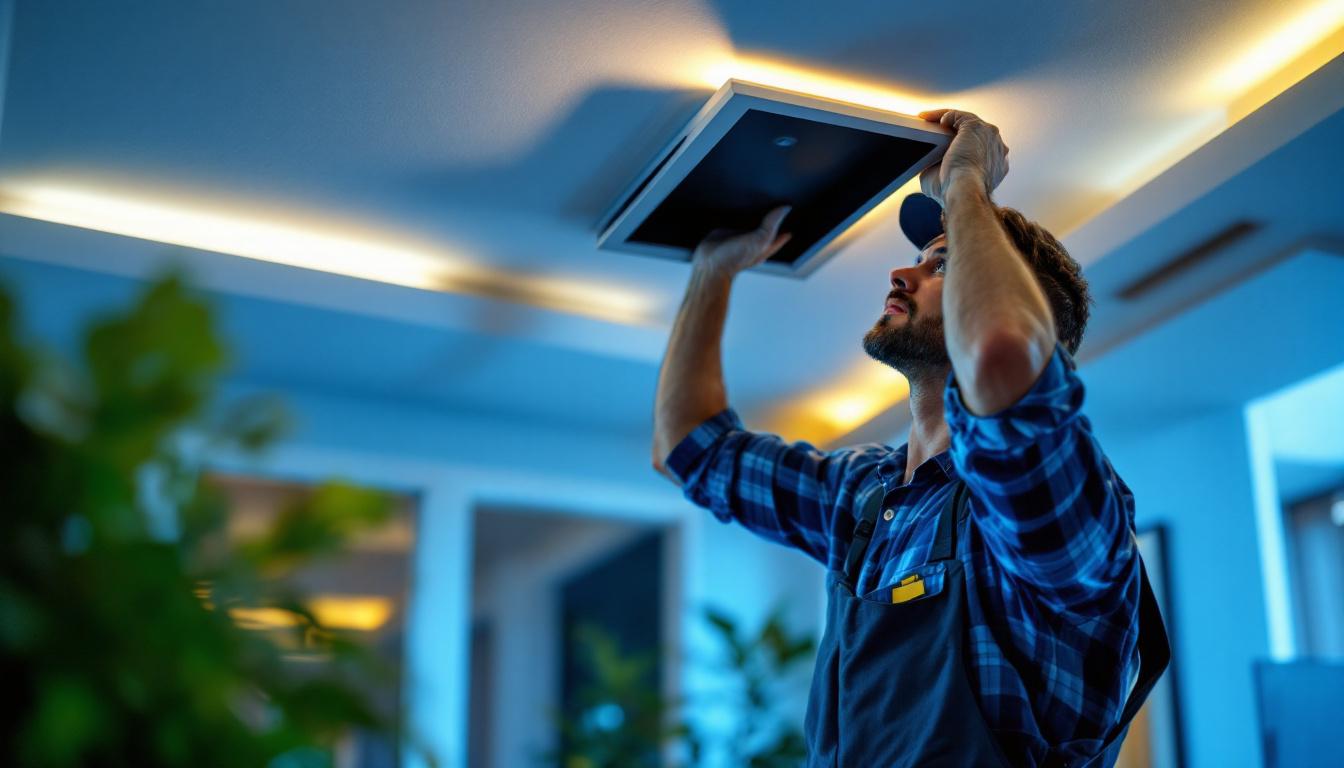
Proper installation of LED bulbs in recessed lighting fixtures is essential for achieving optimal performance and longevity. Here are some key considerations for lighting contractors to keep in mind.
Compatibility with Existing Fixtures
Before installing LED bulbs, it’s crucial to ensure compatibility with the existing recessed lighting fixtures. Some older fixtures may not be designed to accommodate the lower wattage of LEDs, which can lead to flickering or reduced performance. Checking the specifications of both the bulbs and fixtures will help avoid any issues. Additionally, it’s advisable to consider the beam angle and color temperature of the LED bulbs, as these factors can significantly affect the overall ambiance and functionality of the space. For instance, a narrow beam angle may be ideal for highlighting artwork, while a wider angle could be better for general illumination.
Heat Management
Heat management is another vital aspect of LED installation. Although LEDs produce significantly less heat than incandescent bulbs, they still require adequate ventilation to prevent overheating. Ensuring that the recessed housing has sufficient airflow will help maintain the longevity of the bulbs and prevent premature failure. Furthermore, using LED trims designed specifically for recessed fixtures can enhance heat dissipation and improve overall performance. It is also beneficial to regularly check for dust accumulation in the fixtures, as this can hinder airflow and contribute to overheating.
Electrical Considerations
In addition to fixture compatibility and heat management, electrical considerations play a crucial role in the installation process. Contractors should verify that the existing wiring can handle the specific voltage and wattage requirements of the new LED bulbs. In some cases, it may be necessary to upgrade the wiring or install a compatible dimmer switch to ensure optimal performance. Moreover, utilizing LED-compatible dimmers can enhance the versatility of the lighting system, allowing for greater control over brightness levels and energy consumption.
Environmental Impact
When selecting LED bulbs, it’s also important to consider their environmental impact. LEDs are known for their energy efficiency, which translates to lower energy bills and reduced carbon footprints. However, the materials used in manufacturing LEDs, such as certain metals and plastics, can have environmental implications if not disposed of properly. Encouraging clients to recycle old bulbs and choose products with eco-friendly certifications can further enhance the sustainability of their lighting choices. By being mindful of these factors, contractors can contribute to a greener future while providing high-quality lighting solutions.
Benefits of Using LED Bulbs in Recessed Lighting
Incorporating LED bulbs into recessed lighting designs offers numerous benefits that can enhance the overall experience for clients.
Improved Light Quality
LED technology provides superior light quality compared to traditional bulbs. With options for adjustable color temperatures, contractors can create tailored lighting solutions that suit different environments, whether it’s a warm, cozy atmosphere for a living room or bright, focused lighting for a workspace.
Environmental Impact
Using LED bulbs contributes to a more sustainable future. Their energy efficiency reduces carbon footprints, and their long lifespan means fewer bulbs end up in landfills. Contractors can promote these environmental benefits to clients who prioritize sustainability in their choices.
Common Challenges and Solutions
While LED bulbs offer many advantages, there are challenges that contractors may encounter during installation or in client interactions. Addressing these challenges proactively can lead to smoother projects and satisfied clients.
Flickering Issues
Flickering can be a common issue when using LED bulbs, often caused by incompatible dimmer switches or poor-quality bulbs. To mitigate this problem, contractors should recommend high-quality LED bulbs specifically designed for dimming applications and ensure that existing dimmer switches are compatible with LED technology.
Color Rendering Index (CRI)
The Color Rendering Index (CRI) measures how accurately a light source displays colors compared to natural light. For applications where color accuracy is essential, such as in art studios or retail environments, selecting LED bulbs with a high CRI (above 90) is crucial. Educating clients about the importance of CRI can help them make informed decisions.
Cost Considerations for Clients
While the initial investment in LED bulbs may be higher than traditional options, the long-term savings and benefits make them a cost-effective choice for clients. As a contractor, it’s essential to communicate these financial aspects effectively.
Upfront Costs vs. Long-Term Savings
Clients may initially be deterred by the higher upfront costs of LED bulbs. However, highlighting the long-term savings on energy bills and reduced maintenance costs can help justify the investment. Providing a simple cost analysis can illustrate the payback period and overall savings over time.
Incentives and Rebates
Many utility companies offer incentives or rebates for clients who choose energy-efficient lighting solutions. Contractors should stay informed about available programs in their area and guide clients through the process of applying for these incentives, making the transition to LED lighting even more appealing.
Future Trends in LED Lighting
The LED lighting industry continues to evolve, with new technologies and trends emerging regularly. Staying updated on these developments can help contractors remain competitive and provide cutting-edge solutions to clients.
Human-Centric Lighting
Human-centric lighting focuses on creating lighting environments that support human health and well-being. This trend involves adjusting color temperatures and intensities throughout the day to mimic natural light patterns. Contractors can explore options for integrating human-centric lighting systems into their designs to enhance client satisfaction.
Integration with Smart Home Systems
As smart home technology becomes more prevalent, the integration of LED lighting with smart home systems will likely increase. Contractors should familiarize themselves with various smart lighting solutions and how they can be incorporated into clients’ existing systems, providing added convenience and control.
Conclusion
LED bulbs have revolutionized recessed lighting, offering energy efficiency, longevity, and improved light quality. For lighting contractors, understanding the various types of LED bulbs, installation considerations, and the benefits they provide is essential for delivering exceptional service to clients. By staying informed about industry trends and addressing common challenges, contractors can position themselves as trusted experts in the field of LED lighting.
As the demand for energy-efficient lighting solutions continues to grow, embracing LED technology will not only benefit clients but also contribute to a more sustainable future. By providing valuable insights and solutions, lighting contractors can enhance their reputation and build lasting relationships with clients.
Get Your Premium LED Lighting Solutions at LumenWholesale
Ready to elevate your lighting projects with the most efficient, durable, and high-quality LED bulbs? Look no further than LumenWholesale, where we specialize in providing spec-grade lighting products that meet the highest industry standards. Our commitment to affordability and convenience means you get the best value on wholesale lighting without the extra costs. Take advantage of our hassle-free bulk buying and free shipping to ensure your next project shines brighter. Discover the best wholesale lighting value today and join the countless contractors who trust LumenWholesale for their lighting needs.