When it comes to commercial and residential lighting, fluorescent lights have long been a staple due to their efficiency and versatility. However, understanding the various sizes and types of fluorescent lights is crucial for any lighting contractor. This comprehensive checklist will guide you through the essential aspects of fluorescent light sizes, ensuring that you can make informed decisions for your projects.
Understanding Fluorescent Light Basics
Fluorescent lights operate by passing an electric current through a gas, which produces ultraviolet light. This light then excites a phosphor coating on the inside of the bulb, creating visible light. This mechanism allows for a variety of sizes and shapes, making them suitable for different applications. The efficiency of fluorescent lighting is one of its most appealing features, as it can produce more light per watt than traditional incandescent bulbs, making it a popular choice for both residential and commercial settings. Additionally, fluorescent lights have a longer lifespan, which contributes to reduced maintenance costs and less frequent replacements.
Types of Fluorescent Lights
Fluorescent lights come in several types, each with unique characteristics. The most common types include:
- T12: The traditional fluorescent bulb, measuring 1.5 inches in diameter. T12 bulbs are being phased out in many regions due to energy efficiency standards. Despite their declining popularity, they are still found in older installations and can be used effectively with the right fixtures.
- T8: A more energy-efficient option, T8 bulbs are 1 inch in diameter and provide better light output and lifespan compared to T12s. They are widely used in offices and retail spaces due to their balance of efficiency and performance.
- T5: The smallest of the standard fluorescent bulbs, T5 lights are 5/8 inch in diameter. They are often used in compact spaces and provide high efficiency. T5 bulbs are particularly favored in applications requiring high-intensity lighting, such as in photography studios or specialized industrial settings.
Fluorescent Tube Lengths
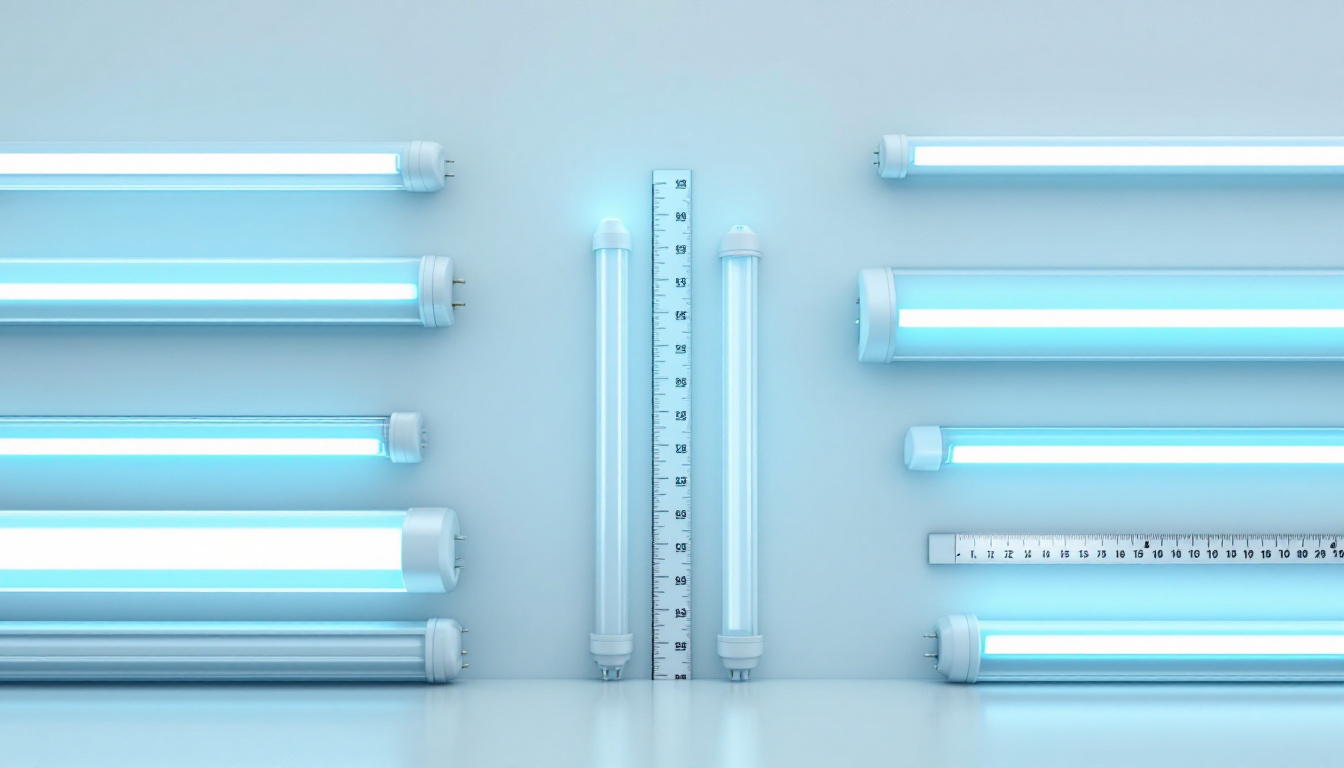
Fluorescent tubes come in various lengths, which can affect their application and installation. Common lengths include:
- 2 feet: Often used in smaller fixtures or under cabinets, these tubes are ideal for task lighting in kitchens and workspaces.
- 4 feet: The most common length, suitable for a wide range of applications, including office lighting and retail displays. Their versatility makes them a staple in many environments.
- 8 feet: Typically used in larger commercial spaces or warehouses, these tubes can illuminate extensive areas with fewer fixtures, making them a cost-effective solution for large-scale lighting needs.
In addition to these standard lengths, fluorescent tubes can also be found in various color temperatures, ranging from warm white to cool daylight. This allows users to select the right ambiance for their space, whether they are aiming for a cozy atmosphere in a living room or a bright, energizing environment in a workspace. Furthermore, advancements in technology have led to the development of dimmable fluorescent fixtures, providing even greater control over lighting levels and energy consumption. This adaptability makes fluorescent lighting not only practical but also a customizable option for diverse settings.
Choosing the Right Size for Your Project
Selecting the appropriate fluorescent light size is crucial for achieving optimal lighting conditions. Factors such as the space’s dimensions, the intended use, and aesthetic preferences all play a role in this decision.
Assessing Space Dimensions
Before selecting fluorescent lights, it is essential to assess the dimensions of the space. Measure the length, width, and height of the area to determine how many fixtures will be necessary. For larger spaces, a combination of different sizes may be required to ensure even lighting distribution. Additionally, consider the layout of the room, including any obstacles such as furniture or architectural features that may affect light placement. Utilizing a lighting calculator can also help estimate the lumens needed for adequate illumination based on the square footage and the height of the ceiling.
Understanding Lighting Needs
Different areas have different lighting needs. For instance, a warehouse may require brighter, more intense lighting, while a conference room may benefit from softer, more diffused light. Understanding the specific needs of each space will guide the selection of fluorescent light sizes and types. Moreover, it’s important to consider the color temperature of the bulbs, as this can significantly impact the mood and functionality of the environment. Cooler temperatures (5000K and above) are often preferred in workspaces to enhance alertness and concentration, while warmer temperatures (3000K to 4000K) can create a more inviting atmosphere in social or relaxation areas. By carefully evaluating both the functional and emotional aspects of lighting, you can create a balanced and effective lighting scheme that meets the diverse needs of your project.
Fluorescent Light Color Temperature
Color temperature is another critical factor to consider when selecting fluorescent lights. Measured in Kelvin (K), color temperature affects the ambiance of a space and can influence mood and productivity. The right color temperature can enhance the functionality of a room, making it feel either more inviting or more stimulating, depending on the needs of the occupants.
Common Color Temperatures
Fluorescent lights are available in several color temperatures, each suited for different environments:
- Cool White (3500K): Offers a balanced light, ideal for offices and retail spaces. This color temperature can help reduce eye strain during long hours of work, promoting better focus and efficiency.
- Daylight (5000K – 6500K): Mimics natural light, perfect for areas requiring high visibility, like workshops and garages. This lighting is particularly beneficial for tasks that demand precision, as it enhances color accuracy and detail.
- Warm White (3000K): Creates a cozy atmosphere, suitable for residential settings and hospitality environments. This softer light can make spaces feel more inviting and comfortable, encouraging relaxation and social interaction.
Impact on Energy Efficiency
Choosing the right color temperature can also impact energy efficiency. Some bulbs are designed to provide more lumens per watt, making them more efficient. Understanding the relationship between color temperature and energy consumption can help contractors select the best options for their clients. For example, while higher color temperatures may seem more energy-intensive, advancements in fluorescent technology have led to more efficient bulbs that can deliver bright, daylight-like illumination without significantly increasing energy costs. Additionally, the strategic use of color temperature can reduce the need for additional lighting sources, further enhancing overall energy savings.
Moreover, the choice of color temperature can influence not just energy consumption but also the lifespan of the lighting fixtures. Cooler temperatures often produce less heat, which can lead to a longer operational life for the bulbs. This not only reduces replacement costs but also minimizes waste, making it a more sustainable choice for both residential and commercial applications. As awareness of energy efficiency and sustainability grows, selecting the appropriate color temperature becomes an essential aspect of responsible lighting design.
Fluorescent Light Ballasts
Ballasts are essential components of fluorescent lighting systems, controlling the current to the bulbs. Understanding the different types of ballasts and their compatibility with various fluorescent sizes is crucial for successful installations.
Types of Ballasts
There are two main types of ballasts:
- Magnetic Ballasts: Older technology that is less energy-efficient and often results in flickering lights.
- Electronic Ballasts: More modern and efficient, these ballasts provide a steady current and can enhance the lifespan of fluorescent bulbs.
Compatibility Considerations
When selecting ballasts, it is vital to ensure compatibility with the chosen fluorescent light size. Each bulb type may require a specific ballast, and using the wrong one can lead to poor performance or even damage to the bulbs.
Installation Tips for Fluorescent Lights
Proper installation is key to maximizing the performance and lifespan of fluorescent lights. Here are some essential tips for lighting contractors:
Fixture Selection
The choice of fixture can significantly impact the effectiveness of fluorescent lights. Ensure that the fixture is compatible with the bulb size and type. Consider factors such as reflectivity and lens design, as these can affect light distribution and efficiency.
Wiring Considerations
Fluorescent lights require specific wiring configurations. Familiarize yourself with the electrical requirements for each bulb type and ensure that all installations comply with local electrical codes. Proper wiring not only enhances performance but also ensures safety.
Maintenance and Troubleshooting
Even the best fluorescent lighting systems require maintenance to ensure longevity and optimal performance. Understanding common issues and their solutions can save time and money.
Common Issues
Some common problems with fluorescent lights include flickering, dimming, or complete failure. These issues can often be traced back to the ballast, bulb, or wiring. Regular inspections can help identify potential problems before they escalate.
Replacement and Upgrades
When replacing fluorescent bulbs, consider upgrading to more energy-efficient models. Newer technologies, such as LED fluorescent replacements, can provide similar light quality while consuming less energy. This not only benefits the environment but also reduces operating costs for clients.
Fluorescent Lighting Trends
The lighting industry is continually evolving, with new technologies and trends emerging regularly. Staying informed about these changes can help contractors provide the best solutions for their clients.
Energy Efficiency Standards
As energy efficiency becomes increasingly important, many regions are implementing stricter regulations on fluorescent lighting. Understanding these standards is essential for compliance and can influence the choice of products used in projects.
Smart Lighting Solutions
Smart lighting is gaining popularity, allowing for greater control over lighting systems. Incorporating smart technology with fluorescent lighting can enhance user experience and energy management. Consider offering smart solutions to clients looking for modern, efficient lighting options.
Conclusion
Fluorescent lights remain a popular choice for both commercial and residential applications due to their efficiency and versatility. By understanding the various sizes, types, and installation considerations, lighting contractors can make informed decisions that meet their clients’ needs. This checklist serves as a valuable resource for navigating the complexities of fluorescent lighting, ensuring successful projects and satisfied customers.
As the industry continues to evolve, staying updated on trends and technologies will further enhance the ability to provide exceptional lighting solutions. Embrace the challenges and opportunities that come with fluorescent lighting, and continue to deliver quality service to clients.
Illuminate Your Projects with LumenWholesale
Ready to elevate your lighting projects with the efficiency and versatility of fluorescent lights? Look no further than LumenWholesale for all your lighting needs. We provide contractors with the highest quality, spec-grade lighting products at unbeatable wholesale prices. With our extensive selection that meets rigorous industry standards, you can trust that your installations will shine with reliability and high performance. Plus, enjoy the convenience of bulk buying with free shipping, ensuring you get the premium lighting you need at the best value — without any hidden fees. Don’t compromise on quality or cost; choose LumenWholesale for superior lighting solutions. Visit us at Wholesale Lighting at the Best Value and start your project with confidence.