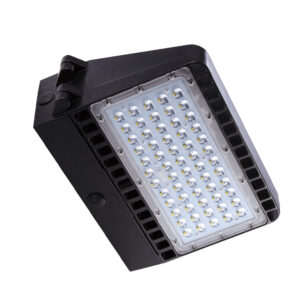
Understanding the Importance of Wholesale Lighting Suppliers
For lighting contractors, sourcing materials and fixtures at competitive prices is crucial to maintaining profitability and delivering quality projects. Wholesale lighting suppliers offer a significant advantage by providing access to a broad range of products at reduced costs, allowing contractors to meet client demands without compromising on quality.
Accessing wholesale lights locally—“wholesale lights near me”—not only reduces shipping times but also facilitates easier returns, exchanges, and consultations. This proximity can be a game-changer in fast-paced projects where timelines are tight and client expectations are high. Additionally, local suppliers often have a deeper understanding of regional preferences and regulations, which can be invaluable when selecting fixtures that comply with local codes and standards.
Moreover, wholesale suppliers often carry the latest lighting technologies and styles, enabling contractors to stay ahead of trends and offer innovative solutions. From energy-efficient LED fixtures to smart lighting systems, having a reliable wholesale partner ensures that contractors can source the right tools and materials for any job. The ability to access cutting-edge products not only enhances the contractor’s portfolio but also positions them as leaders in the industry, attracting more clients who are looking for modern and sustainable lighting options.
Furthermore, many wholesale lighting suppliers provide additional resources such as training sessions, workshops, and technical support. These offerings can be instrumental in helping contractors understand new products and technologies, ensuring they can effectively implement them in their projects. By partnering with suppliers that prioritize education and support, contractors can boost their own expertise and confidence, ultimately leading to higher quality installations and satisfied clients. This relationship can foster a collaborative environment where both parties benefit from shared knowledge and mutual growth.
Essential Lighting Tools Every Contractor Should Have
1. Precision Measuring Instruments
Accurate measurements are the foundation of any successful lighting installation. Tools such as laser distance meters and digital angle finders help contractors measure spaces quickly and precisely. These instruments reduce errors and save time during the planning and installation phases.
Laser distance meters, for instance, can measure distances up to hundreds of feet with an accuracy of within a fraction of an inch. This precision is invaluable when determining fixture placement, ceiling heights, and cable lengths. Additionally, many laser distance meters come equipped with built-in memory functions that allow contractors to store multiple measurements, making it easier to reference previous data without needing to re-measure. This feature is particularly beneficial in larger spaces where multiple fixtures need to be installed at consistent intervals.
2. Wire Strippers and Crimping Tools
Electrical wiring is a critical component of lighting installations. High-quality wire strippers and crimping tools ensure clean connections and reduce the risk of faulty wiring. These tools come in various sizes to accommodate different wire gauges, making them versatile for residential and commercial projects alike.
Investing in ergonomic and durable wire strippers can also reduce hand fatigue during long installations, improving overall efficiency and safety. Furthermore, some advanced models feature adjustable settings that allow contractors to strip multiple wire sizes with a single tool, streamlining the process and minimizing the need to switch tools frequently. This adaptability can be a game-changer on busy job sites where time is of the essence.
3. Voltage Testers and Multimeters
Safety is paramount when working with electrical systems. Voltage testers allow contractors to verify that circuits are de-energized before beginning work, preventing accidents. Multimeters provide detailed diagnostics by measuring voltage, current, and resistance, helping troubleshoot issues quickly.
Modern digital multimeters often feature backlit displays and auto-ranging capabilities, making them user-friendly even in dimly lit environments. Some models also include advanced features such as data logging and Bluetooth connectivity, allowing contractors to track measurements over time or share data with team members on-site. This level of functionality not only enhances safety but also aids in maintaining the integrity of the installation by ensuring that all electrical parameters are within the required specifications.
4. Power Drills and Hole Saws
Installing lighting fixtures frequently requires drilling holes in ceilings, walls, and panels. Cordless power drills with adjustable torque settings offer flexibility and control, while hole saw attachments enable contractors to create clean, precise openings for recessed lights and junction boxes.
Choosing tools with long-lasting batteries and quick-change chucks can significantly enhance productivity on the job site. Moreover, some power drills come with built-in LED lights that illuminate the work area, making it easier to see where you are drilling, especially in tight or dark spaces. This feature not only improves accuracy but also enhances safety by minimizing the risk of accidents caused by poor visibility.
5. Cable Management Supplies
Proper cable management is essential for both aesthetics and safety. Tools such as cable ties, clips, and conduits help organize wiring and prevent tangling or damage. Additionally, labeling systems assist in identifying circuits, which is especially useful in complex installations.
Wholesale suppliers often provide these consumables in bulk, ensuring contractors have ample stock for multiple projects. Beyond basic cable ties, there are also specialty options available, such as reusable ties and color-coded varieties, which can facilitate easier identification and organization of different wiring types. This attention to detail not only enhances the overall appearance of the installation but also simplifies future maintenance or upgrades, as technicians can quickly locate and manage the necessary cables without unnecessary hassle.
Leveraging Technology: Smart Lighting Tools and Accessories
The rise of smart lighting systems has transformed the industry, requiring contractors to adapt their toolkits accordingly. Beyond traditional tools, familiarity with programming devices and diagnostic apps is increasingly important. As the demand for energy-efficient and customizable lighting solutions grows, contractors must stay updated on the latest advancements and trends in smart technology to meet client expectations and enhance their service offerings.
Smart Lighting Controllers and Programmers
Many modern lighting systems incorporate wireless controls that require configuration through specialized devices or mobile applications. Contractors equipped with these tools can efficiently program scenes, schedules, and integration with building automation systems. The ability to create tailored lighting experiences not only enhances the aesthetic appeal of a space but also contributes to energy savings and improved functionality. For instance, contractors can set up automated lighting that adjusts based on the time of day or occupancy, ensuring that lights are only on when needed.
Understanding the nuances of protocols such as Zigbee, Z-Wave, and Wi-Fi ensures seamless installation and client satisfaction. Each protocol has its unique advantages and limitations, making it essential for contractors to choose the right one for each project. For example, Zigbee is known for its low power consumption and ability to connect multiple devices in a mesh network, while Z-Wave is favored for its reliability and ease of integration with existing home automation systems. Knowledge of these protocols allows contractors to provide informed recommendations to clients, enhancing their reputation as trusted experts in smart lighting solutions.
Network Testing Tools
Since smart lighting often relies on network connectivity, tools that test Wi-Fi strength, signal interference, and network integrity are valuable. These devices help identify potential issues before they impact system performance, allowing contractors to troubleshoot proactively. In addition to basic connectivity tests, advanced network testing tools can analyze bandwidth usage and identify dead zones within a property, ensuring that every smart lighting fixture receives a strong and stable connection.
Moreover, with the increasing integration of smart lighting into broader smart home ecosystems, understanding network security becomes paramount. Contractors must be equipped with knowledge about securing Wi-Fi networks against unauthorized access, which can compromise not only the lighting system but also other connected devices. Implementing best practices for network security, such as changing default passwords and enabling encryption, can significantly enhance the reliability and safety of smart lighting installations. As technology continues to evolve, staying ahead of these trends will empower contractors to deliver cutting-edge solutions that meet the dynamic needs of their clients.
Finding Reliable Wholesale Lighting Suppliers Nearby
Locating dependable wholesale lighting suppliers in your vicinity requires a strategic approach. Contractors should consider several factors to ensure they partner with vendors that meet their quality and service standards.
Evaluating Product Range and Availability
A comprehensive product catalog is essential. Suppliers should offer a wide variety of lighting fixtures, bulbs, controls, and accessories to accommodate diverse project requirements. Additionally, consistent stock availability minimizes delays caused by backorders.
Assessing Pricing and Bulk Purchase Benefits
Competitive pricing is a primary reason to seek wholesale suppliers. Contractors should inquire about volume discounts, loyalty programs, and payment terms that can improve cash flow. Transparent pricing structures help avoid unexpected costs.
Checking for Technical Support and Training
Some suppliers provide technical assistance, product training, and installation guides. These resources can be invaluable, especially when dealing with cutting-edge lighting technologies. Establishing a relationship with knowledgeable suppliers can enhance project outcomes.
Reading Reviews and Seeking Recommendations
Word-of-mouth and online reviews offer insights into supplier reliability, customer service, and product quality. Networking with other contractors and industry professionals can uncover trusted wholesale sources that might not be immediately visible through online searches.
Best Practices for Managing Lighting Inventory and Tools
Efficient inventory management is vital for lighting contractors to maintain operational efficiency and reduce costs. Implementing best practices can streamline workflows and improve project delivery.
Organizing Tools and Materials
Designated storage areas with clear labeling help keep tools and materials organized and accessible. Using modular storage systems allows for customization based on project needs and tool sizes.
Implementing Inventory Tracking Systems
Digital inventory management software enables contractors to monitor stock levels, track usage, and reorder supplies proactively. Integrating barcode scanning or RFID technology can further enhance accuracy and reduce manual errors.
Regular Maintenance and Calibration
Keeping tools in optimal condition extends their lifespan and ensures safety. Regular cleaning, calibration, and inspection prevent malfunctions and reduce downtime during critical installations.
Conclusion: Equipping for Success in the Lighting Industry
For lighting contractors, having access to wholesale lights nearby and equipping themselves with the right tools are foundational to delivering high-quality, timely projects. Precision instruments, safety equipment, and technology-enabled tools empower contractors to meet evolving client demands and industry standards.
Building strong relationships with reliable wholesale suppliers not only secures competitive pricing but also provides access to technical support and the latest innovations. Coupled with effective inventory management, these strategies position lighting contractors for sustained success in a competitive marketplace.
Partner with LumenWholesale for Your Lighting Needs
Ready to elevate your lighting projects with the best tools and products in the industry? Look no further than LumenWholesale, where we specialize in providing contractors with high-quality, spec-grade lighting solutions at unbeatable wholesale prices. Say goodbye to local distributor markups and hello to our extensive selection that meets rigorous industry standards. With LumenWholesale, you’ll enjoy the convenience of free shipping on bulk orders, ensuring you get premium lighting at the best value — without hidden fees. Don’t compromise on quality or cost. Wholesale Lighting at the Best Value is just a click away. Experience the LumenWholesale difference today!