Understanding the MR16 Bulb: A Contractor’s Essential
Lighting contractors often encounter a variety of bulb types, but the MR16 bulb stands out for its versatility and efficiency. The term “MR16” refers to the bulb’s shape and size: “MR” means multifaceted reflector, and “16” indicates the diameter of the bulb in eighths of an inch—making it 2 inches across. This compact size allows for focused lighting solutions in both residential and commercial settings. The MR16 is particularly favored for its ability to fit into smaller fixtures without sacrificing light quality, making it a go-to choice for intricate designs and spaces where larger bulbs would be impractical.
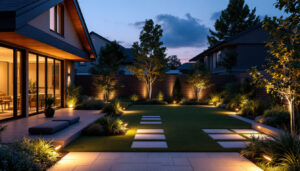
MR16 bulbs are primarily low-voltage halogen or LED lamps, designed to provide bright, directional light. Their multifaceted reflector ensures a sharp beam, ideal for accent lighting, track lighting, and landscape illumination. For contractors, knowing the nuances of MR16 bulbs is crucial for specifying the right product for each project. Additionally, the wide range of beam angles available—from narrow spot to wide flood—allows contractors to tailor the lighting effect to the specific needs of a space, enhancing both functionality and aesthetics.
One of the key advantages of MR16 bulbs is their ability to deliver high-intensity light with minimal heat emission, especially in LED variants. This makes them suitable for enclosed fixtures and tight spaces where heat buildup could be a concern. Understanding these characteristics helps contractors avoid common pitfalls such as overheating or insufficient lighting. Furthermore, the energy efficiency of LED MR16 bulbs translates into lower energy bills and longer lifespans compared to traditional halogen options, providing a compelling case for clients looking to reduce their environmental footprint while maintaining excellent lighting quality.
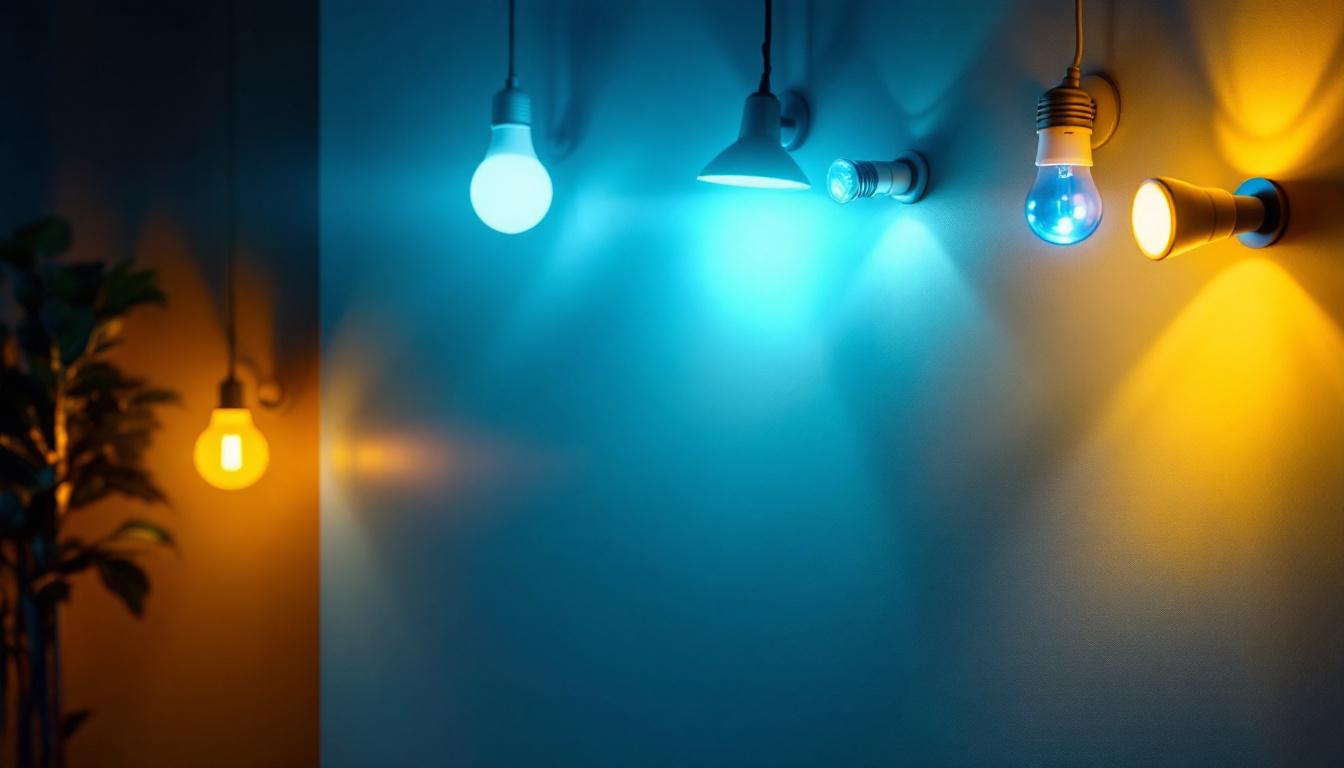
Moreover, the versatility of MR16 bulbs extends beyond just their physical attributes. They are available in various color temperatures, ranging from warm white to cool daylight, allowing contractors to create the desired ambiance in any setting. For instance, warmer tones can impart a cozy feel in residential living areas, while cooler tones are often preferred in commercial spaces for a more modern, vibrant atmosphere. Additionally, the advent of smart technology has led to the development of MR16 bulbs that can be controlled remotely, offering contractors the ability to integrate lighting systems seamlessly into smart home setups, further enhancing the user experience and functionality.
Technical Specifications and Variants
Voltage and Base Types
MR16 bulbs typically operate on 12 volts, requiring a transformer for use in standard 120-volt electrical systems. This low-voltage operation enhances safety and allows for finer control of light intensity. Contractors must ensure that the transformer matches the bulb’s wattage to prevent flickering or premature burnout. Additionally, the use of a compatible transformer can significantly affect the longevity and performance of the bulbs, making it a critical component of the installation process. Some advanced transformers also offer dimming capabilities, providing even more flexibility in lighting design.
The most common base type for MR16 bulbs is the GU5.3 bi-pin base. The pins are spaced 5.3 millimeters apart, which is a standard fitting for many fixtures. However, some MR16 bulbs come with GU10 bases, which are twist-and-lock, designed for line voltage (120V) applications. Confusing these bases can lead to installation issues, so verifying the base type is essential before purchasing or installing. It is also worth noting that some manufacturers produce adapters that allow GU5.3 bulbs to fit into GU10 sockets, but these should be used with caution to avoid overheating and potential safety hazards.
Wattage and Lumens
MR16 bulbs come in a range of wattages, typically from 20 to 50 watts for halogen versions. LED MR16 bulbs, however, consume significantly less power—often between 4 and 8 watts—while producing comparable or higher lumens. For example, a 6-watt LED MR16 can emit around 400 lumens, matching a 35-watt halogen bulb. This efficiency not only reduces energy costs but also contributes to a lower heat output, making LED options safer in enclosed fixtures. As energy regulations become stricter, the shift towards LED technology is becoming increasingly important for both residential and commercial applications.
Contractors should always check lumen output rather than wattage alone when selecting bulbs. Lumens measure brightness, which is the critical factor for achieving the desired lighting effect. Choosing the right lumen level ensures energy efficiency without compromising illumination quality. Furthermore, it is beneficial to consider the intended use of the space; for instance, areas requiring task lighting, such as kitchens or workspaces, may benefit from higher lumen outputs to ensure adequate visibility and reduce eye strain.
Beam Angles and Color Temperatures
Beam angle defines how wide or narrow the light spreads. MR16 bulbs offer a variety of beam angles, from narrow spotlights (around 10 degrees) to wide floods (up to 60 degrees). Spot beams are ideal for highlighting artwork or architectural features, while flood beams provide general ambient lighting. The choice of beam angle can dramatically influence the mood and functionality of a space, allowing designers to create dynamic environments tailored to specific activities or aesthetics. For example, a narrow beam might be perfect for accentuating a sculpture, while a wider beam could be used to illuminate a seating area.
Color temperature, measured in Kelvins (K), ranges from warm white (2700K) to cool white (5000K and above). Warm white creates a cozy atmosphere, commonly used in residential spaces, while cooler temperatures suit commercial or task lighting. Contractors should match color temperature to the environment and client preferences to enhance the overall lighting design. Additionally, some MR16 bulbs are available in tunable white options, allowing users to adjust the color temperature according to the time of day or specific activities, thus providing flexibility and enhancing the user experience. This adaptability is particularly valuable in spaces that serve multiple functions, such as open-plan living areas or multi-purpose rooms.
Installation and Compatibility Considerations
Transformer Compatibility
One of the most critical factors when working with MR16 bulbs is ensuring transformer compatibility. Because most MR16 bulbs are low voltage, they require a transformer to step down the standard line voltage. Transformers come in magnetic and electronic types, each with specific compatibility requirements.
Magnetic transformers are robust and work well with halogen MR16 bulbs but are less efficient and heavier. Electronic transformers are lighter and more energy-efficient but may cause flickering if paired with incompatible bulbs. LED MR16 bulbs often require LED-compatible electronic transformers to function correctly. Contractors should verify the transformer’s specifications and test the system before finalizing installation.
Fixture Compatibility and Heat Management
MR16 bulbs are often used in recessed cans, track lighting, and landscape fixtures. It’s important to confirm that the fixture supports the bulb’s wattage and base type. For example, some fixtures designed for GU10 MR16 bulbs won’t accept GU5.3 bases.
Heat management is another crucial aspect. Halogen MR16 bulbs generate significant heat, which can damage fixtures or pose fire risks if not properly ventilated. LED MR16 bulbs produce less heat, making them safer for enclosed fixtures. Contractors should inspect fixtures for adequate ventilation and recommend LED alternatives when heat buildup is a concern.
Dimming Compatibility
Dimming MR16 bulbs can be tricky. Halogen MR16 bulbs generally dim smoothly with standard dimmers, but LED MR16 bulbs require compatible LED dimmers to avoid flickering or buzzing. Some LED MR16 bulbs are not dimmable at all. Contractors must confirm dimming capabilities with both the bulb and dimmer manufacturer to ensure seamless operation.
Energy Efficiency and Environmental Impact
Transitioning from Halogen to LED MR16 Bulbs
Halogen MR16 bulbs have been a staple in lighting for years, but their energy consumption and heat output are significant drawbacks. LED MR16 bulbs offer a compelling alternative, using up to 80% less energy while providing equal or better light quality.
For contractors, promoting LED MR16 bulbs aligns with energy codes and sustainability goals increasingly demanded by clients and regulatory bodies. LEDs also have longer lifespans-often exceeding 25,000 hours-reducing maintenance and replacement costs over time.
Environmental Considerations
LED MR16 bulbs contain no mercury, unlike some other lighting technologies, making them safer to dispose of and more environmentally friendly. Their reduced energy consumption also lowers carbon footprints, an important factor for green building certifications and environmentally conscious clients.
Contractors should educate clients on these benefits, emphasizing long-term savings and environmental responsibility. Offering LED MR16 bulbs as a standard option can differentiate a contractor’s services in a competitive market.
Common Challenges and Troubleshooting Tips
Flickering and Dimming Issues
Flickering is a frequent complaint with MR16 installations, often caused by incompatible transformers or dimmers. Using LED MR16 bulbs with magnetic transformers designed for halogen bulbs can lead to inconsistent performance. Similarly, non-LED dimmers paired with LED MR16 bulbs may cause flickering or buzzing.
To troubleshoot, contractors should test bulbs with the existing transformer and dimmer system before installation. Replacing transformers with LED-compatible electronic models or upgrading dimmers can resolve most issues.
Overheating and Premature Bulb Failure
Halogen MR16 bulbs generate substantial heat, which can lead to fixture damage or shortened bulb life if ventilation is inadequate. Enclosed fixtures or fixtures with poor airflow exacerbate this problem.
Switching to LED MR16 bulbs reduces heat concerns significantly. If halogen bulbs must be used, contractors should recommend fixtures designed for high-heat bulbs and ensure proper spacing and ventilation.
Incorrect Beam Spread or Color Temperature
Choosing the wrong beam angle or color temperature can negatively impact a project’s lighting design. For example, a flood beam in a display case meant for spot lighting can wash out the intended focus, while a color temperature that clashes with interior finishes can create an uninviting atmosphere.
Contractors should consult with designers or clients to confirm lighting goals and select MR16 bulbs accordingly. Testing samples on-site before full installation can prevent costly mistakes.
Final Checklist for Lighting Contractors
- Verify bulb type and base: Confirm whether GU5.3 or GU10 base is required.
- Check voltage requirements: Ensure compatibility with existing transformers or specify new ones.
- Match wattage and lumens: Select bulbs that meet brightness needs while optimizing energy use.
- Confirm beam angle and color temperature: Align with the lighting design intent.
- Assess dimming compatibility: Use compatible dimmers and bulbs to avoid flicker.
- Evaluate fixture compatibility: Check for heat tolerance and physical fit.
- Promote LED options: Encourage energy-efficient, long-lasting bulbs.
- Test before installation: Verify system performance to prevent issues.
- Educate clients: Explain benefits and maintenance considerations.
Following this checklist ensures that lighting contractors deliver reliable, efficient, and aesthetically pleasing MR16 lighting solutions that meet client expectations and regulatory standards.
Illuminate Your Projects with LumenWholesale
Ready to elevate your lighting game? Look no further than LumenWholesale for an unparalleled selection of MR16 bulbs and other spec-grade lighting products. With our commitment to quality, affordability, and convenience, you can trust us to light up your projects while keeping costs down. Say goodbye to middleman markups and hello to hassle-free bulk purchases with free shipping. Don’t compromise on your lighting needs—choose Wholesale Lighting at the Best Value and make your next project shine with LumenWholesale.