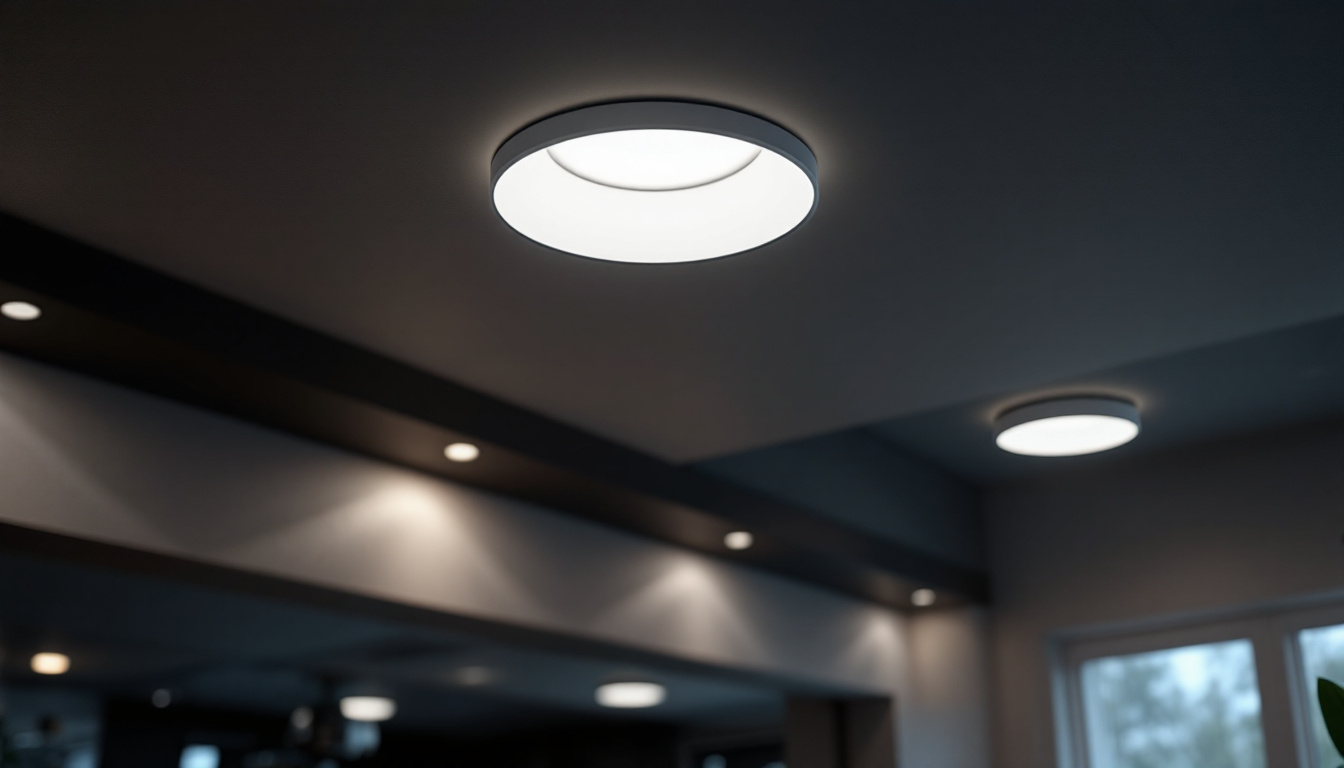
Fluorescent lamps have long been a staple in the lighting industry, offering an efficient and versatile solution for various applications. For lighting contractors, understanding the intricacies of fluorescent lamps is essential for providing clients with the best possible solutions. This article delves into what fluorescent lamps are, their benefits, installation best practices, and maintenance tips tailored specifically for lighting contractors.
Understanding Fluorescent Lamps
What Are Fluorescent Lamps?
Fluorescent lamps are gas-discharge lamps that produce light by exciting mercury vapor. When electricity flows through the gas, it generates ultraviolet (UV) light, which then interacts with a phosphor coating on the inside of the lamp, resulting in visible light. This technology allows fluorescent lamps to be more energy-efficient compared to traditional incandescent bulbs, making them a popular choice for both residential and commercial applications. The mechanism behind fluorescent lamps not only enhances their efficiency but also contributes to their ability to produce a broad spectrum of light, which can be tailored to suit various settings, from cozy home environments to bright office spaces.
Types of Fluorescent Lamps
There are several types of fluorescent lamps available, each designed for specific applications. The most common types include:
- T12 Lamps: These are the older, larger diameter lamps that are less energy-efficient and are being phased out in many areas.
- T8 Lamps: A more energy-efficient option, T8 lamps have a smaller diameter and offer better performance and longevity.
- T5 Lamps: These are even smaller and more efficient than T8 lamps, often used in specialized applications such as high-bay lighting.
Each type has its own set of advantages and is suited for different environments, making it crucial for lighting contractors to choose the right lamp for each project. Additionally, advancements in technology have led to the development of compact fluorescent lamps (CFLs), which are designed to fit into standard light fixtures while providing the same energy-saving benefits. These compact options are particularly popular for residential use, as they can easily replace incandescent bulbs without requiring any modifications to existing fixtures.
Benefits of Fluorescent Lamps
Fluorescent lamps offer numerous benefits that make them an attractive option for both contractors and clients:
- Energy Efficiency: Fluorescent lamps consume significantly less energy than incandescent bulbs, which translates into lower electricity bills.
- Longevity: These lamps have a longer lifespan, often lasting up to 10,000 hours or more, reducing the frequency of replacements.
- Variety of Color Temperatures: Fluorescent lamps come in various color temperatures, allowing for flexibility in creating the desired ambiance.
These advantages make fluorescent lamps a compelling choice for energy-conscious clients looking to reduce their environmental impact while maintaining quality lighting. Moreover, the reduced heat output of fluorescent lamps compared to incandescent bulbs can lead to lower cooling costs in warmer climates, making them an even more economical choice for large spaces. Furthermore, as the demand for sustainable and eco-friendly solutions increases, fluorescent lamps are often seen as a stepping stone toward more advanced lighting technologies, such as LED lamps, which offer even greater energy savings and longer lifespans.
Best Practices for Installation
Preparation and Planning
Before installing fluorescent lamps, thorough preparation is essential. This includes assessing the space, determining the appropriate lamp type, and ensuring compatibility with existing fixtures. Understanding the layout and the intended use of the space will help in selecting the right wattage and color temperature. For instance, areas requiring bright, focused light, such as workspaces or kitchens, may benefit from cooler color temperatures, while softer lighting may be more suitable for living rooms or bedrooms.
Additionally, reviewing local codes and regulations regarding lighting can prevent potential issues during installation. Familiarizing oneself with the specific requirements for commercial versus residential installations is also crucial, as these can differ significantly. It’s also advisable to consult with local utility companies, as they may offer incentives or rebates for energy-efficient lighting solutions, which can influence the choice of fluorescent lamps and fixtures. This proactive approach not only ensures compliance but also maximizes potential savings.
Proper Installation Techniques
When it comes to installing fluorescent lamps, following proper techniques is vital for optimal performance. Here are some key steps to consider:
- Ensure Electrical Compatibility: Verify that the fixture is compatible with the type of fluorescent lamp being installed. This includes checking the ballast, which regulates the electrical current to the lamp.
- Secure Mounting: Make sure the fixture is securely mounted and that all connections are tight to prevent flickering or failure.
- Use Protective Gear: Always wear appropriate safety gear, such as gloves and goggles, when handling fluorescent lamps, as they contain small amounts of mercury.
By adhering to these installation practices, lighting contractors can ensure a successful and safe installation process. Additionally, it’s important to consider the orientation of the lamps; for instance, vertical versus horizontal installation can affect light distribution and overall effectiveness. Proper alignment can enhance the aesthetic appeal of the space while ensuring that the light is evenly distributed, thus avoiding dark spots or overly bright areas.
Testing and Quality Assurance
Once the installation is complete, conducting thorough testing is essential to ensure everything is functioning correctly. This includes checking for flickering, verifying the correct color temperature, and ensuring that the lamps are adequately secured in their fixtures. A successful installation not only meets the client’s expectations but also reflects the contractor’s professionalism and attention to detail. Furthermore, documenting the installation process, including any adjustments made and the final settings, can provide valuable information for future maintenance or troubleshooting.
In addition to basic functionality tests, it’s wise to monitor the energy consumption of the newly installed lamps over the first few weeks. This can help identify any discrepancies in performance and ensure that the lamps are operating efficiently. Regular follow-ups with clients can also foster good relationships and provide opportunities for additional services, such as upgrades or replacements, enhancing long-term satisfaction and trust in the contractor’s expertise.
Maintenance and Troubleshooting
Regular Maintenance Practices
Maintaining fluorescent lamps is crucial for ensuring their longevity and performance. Regular maintenance practices include:
- Cleaning Fixtures: Dust and debris can accumulate on fixtures, affecting light output. Regular cleaning can help maintain optimal performance.
- Inspecting Ballasts: Ballasts can fail over time, leading to flickering or non-functioning lamps. Regular inspections can identify issues before they become significant problems.
- Replacing Worn Components: If a lamp is flickering or not lighting up, it may be time to replace the lamp or the ballast. Keeping spare parts on hand can expedite repairs.
Implementing these maintenance practices can significantly extend the lifespan of fluorescent lamps and ensure consistent lighting quality. Additionally, it is advisable to schedule maintenance during off-peak hours to minimize disruption. This not only helps in maintaining a steady workflow but also allows for a thorough inspection without the pressure of immediate lighting needs. Furthermore, documenting maintenance activities can provide valuable insights into the performance trends of the lighting systems, helping to predict future issues and optimize replacement schedules.
Troubleshooting Common Issues
Even with proper maintenance, issues may arise with fluorescent lamps. Here are some common problems and troubleshooting tips:
- Flickering Lights: This can be caused by a faulty ballast, loose connections, or a failing lamp. Checking the ballast and ensuring all connections are secure can often resolve the issue.
- Dim Lighting: If the light output is lower than expected, it may indicate a need for lamp replacement or ballast issues. Testing the lamp in a different fixture can help determine the source of the problem.
- Color Shift: Over time, fluorescent lamps may shift in color temperature. This can be addressed by replacing the lamps with new ones that match the desired color temperature.
By being proactive in troubleshooting, lighting contractors can maintain high standards of service and client satisfaction. Moreover, it is beneficial to educate clients on the signs of potential issues, empowering them to report problems early. For instance, clients should be made aware that unusual sounds, such as buzzing or humming, can indicate ballast problems that need immediate attention. Establishing a good communication channel with clients not only enhances trust but also facilitates timely interventions, ensuring that the lighting systems remain efficient and effective in their intended environments.
Environmental Considerations
Recycling and Disposal
Fluorescent lamps contain small amounts of mercury, making proper disposal and recycling essential. Many localities have specific regulations regarding the disposal of fluorescent lamps, and contractors should be familiar with these guidelines to avoid environmental hazards.
Encouraging clients to recycle their old lamps can also enhance a contractor’s reputation as an environmentally responsible professional. Many retailers and waste management facilities offer recycling programs for fluorescent lamps, making it easier for clients to dispose of them safely.
Energy Efficiency and Sustainability
As energy efficiency becomes increasingly important, fluorescent lamps play a significant role in sustainable lighting solutions. By promoting the use of fluorescent technology, contractors can help clients reduce their energy consumption and carbon footprint.
Additionally, staying informed about advancements in fluorescent technology, such as high-efficiency lamps and eco-friendly options, can provide contractors with a competitive edge in the market. Offering clients energy audits and recommendations for efficient lighting solutions can further solidify a contractor’s position as a trusted advisor in the industry.
Conclusion
Fluorescent lamps remain a vital component of modern lighting solutions, offering energy efficiency, longevity, and versatility. For lighting contractors, understanding the various types of fluorescent lamps, installation best practices, maintenance strategies, and environmental considerations is essential for delivering high-quality service to clients.
By adhering to best practices and staying informed about industry advancements, contractors can ensure that they provide effective and sustainable lighting solutions that meet the needs of their clients. As the lighting industry continues to evolve, embracing the benefits of fluorescent technology will be crucial for maintaining a competitive edge and promoting environmental responsibility.
Illuminate Your Projects with LumenWholesale
Ready to elevate your lighting solutions with the efficiency and sustainability of fluorescent lamps? Look no further than LumenWholesale for all your lighting needs. We provide lighting contractors with an extensive selection of top-quality, spec-grade fluorescent lamps at unbeatable wholesale prices. Say goodbye to local distributor markups and hello to superior lighting products that meet the highest industry standards. Plus, enjoy the convenience of bulk buying with free shipping, ensuring you get the premium lighting you need at the best value — without hidden fees or compromises. Don’t miss out on the perfect blend of quality, affordability, and convenience. Visit LumenWholesale today and experience wholesale lighting at the best value for your next project.