Introduction to Wall Bracket Hanging Lights
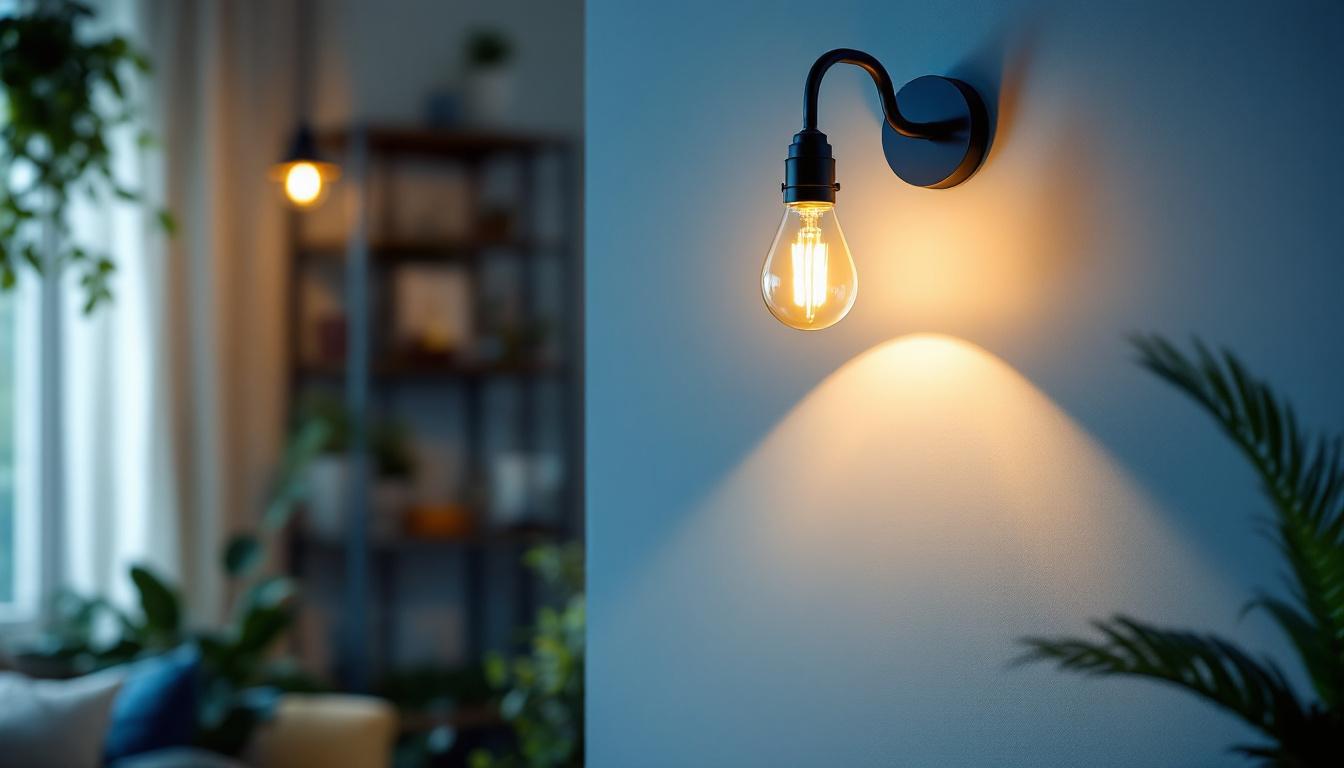
Wall bracket hanging lights represent a versatile and practical lighting solution widely used in both residential and commercial settings. For lighting contractors, understanding the nuances of these fixtures is essential to ensure optimal installation, functionality, and client satisfaction. These lights combine aesthetic appeal with functional design, making them a preferred choice for accent lighting, task illumination, and ambient enhancement.
Unlike ceiling-mounted fixtures, wall bracket hanging lights offer unique placement flexibility. They can be positioned at various heights and angles, providing targeted illumination where it’s most needed. This adaptability is particularly valuable in spaces where ceiling fixtures are impractical or insufficient.
Moreover, wall bracket hanging lights come in a myriad of styles, materials, and finishes, allowing them to seamlessly integrate into diverse interior design themes. From sleek, modern designs made of polished metal to rustic fixtures crafted from reclaimed wood, these lights can enhance the character of any room. In commercial environments, they can be used to create a cohesive branding experience, illuminating key areas such as reception desks or product displays while reflecting the overall aesthetic of the business.
Additionally, the use of energy-efficient LED bulbs in wall bracket hanging lights has revolutionized their functionality. Not only do these bulbs provide bright, long-lasting illumination, but they also contribute to significant energy savings over time. This eco-friendly option appeals to environmentally conscious consumers and businesses alike, making it easier to meet sustainability goals. As technology advances, smart wall bracket hanging lights are also becoming increasingly popular, allowing users to control brightness and color temperature through mobile apps or voice commands, further enhancing the versatility of these fixtures.
Key Components and Design Considerations
Structural Elements of Wall Bracket Hanging Lights
At the core of every wall bracket hanging light is the bracket itself, which securely anchors the fixture to the wall. These brackets are typically manufactured from durable materials such as steel, aluminum, or brass, designed to support the weight of the light fixture safely. The hanging component, often a chain, rod, or cable, suspends the light at the desired length, contributing both to the fixture’s aesthetic and its functional reach. The choice of hanging mechanism can dramatically influence the overall design; for instance, a thick, industrial chain can evoke a rustic charm, while a sleek, minimalist rod may lend a contemporary feel.
The light housing, which contains the bulb and electrical components, varies widely in style—from industrial and minimalist to ornate and classical. Lighting contractors must carefully select fixtures that complement the architectural style of the installation site while meeting the client’s illumination needs. Additionally, the finish of the light fixture plays a crucial role in its visual impact. Options range from polished chrome and brushed nickel to antique bronze and matte black, each offering a distinct character that can either blend seamlessly with the surroundings or serve as a striking focal point.
Electrical and Safety Standards
Compliance with electrical codes and safety standards is non-negotiable. Wall bracket hanging lights must be installed in accordance with national and local electrical regulations, including proper grounding, wiring methods, and secure mounting. Lighting contractors should verify that fixtures are rated for the intended environment, especially in damp or outdoor locations where moisture resistance is critical. It is also essential to consider the type of bulbs being used; LED options are increasingly popular due to their energy efficiency and longevity, but they require compatible fixtures to ensure optimal performance.
Furthermore, the placement of wall bracket hanging lights should be carefully planned to maximize both safety and functionality. For example, in residential settings, these fixtures can illuminate hallways or accentuate artwork, while in commercial spaces, they can enhance the ambiance of dining areas or retail displays. Proper spacing and height are crucial to avoid glare and ensure that the light is distributed evenly. In addition, integrating smart lighting technology can provide users with greater control over their lighting schemes, allowing for adjustments in brightness and color temperature to suit different moods and activities.
Installation Best Practices for Lighting Contractors
Site Assessment and Planning
Before installation, a thorough site assessment is crucial. Contractors need to evaluate wall material, electrical supply accessibility, and the intended lighting effect. For example, mounting a heavy fixture on drywall without proper reinforcement can lead to safety hazards and fixture failure. Identifying stud locations or installing appropriate anchors ensures a secure installation.
Additionally, understanding the client’s lighting objectives—whether for ambient, accent, or task lighting—guides the positioning and height of the wall bracket hanging light. This planning phase is vital for achieving both functionality and aesthetic harmony. It’s also beneficial to consider the room’s layout and how natural light interacts with the space throughout the day. By taking into account the time of day and seasonal changes, contractors can recommend fixtures that enhance the room’s atmosphere, ensuring that the lighting complements the overall design while meeting the practical needs of the occupants.
Tools and Techniques for Efficient Installation
Successful installation requires the right tools and techniques. Commonly used tools include stud finders, voltage testers, wire strippers, and levelers. Contractors should also employ mounting hardware that matches the fixture’s weight and the wall type. For example, toggle bolts or molly anchors are preferred for hollow walls, while lag bolts may be necessary for masonry surfaces.
Proper wiring techniques are essential to ensure safety and longevity. This includes securely connecting wires with wire nuts or connectors, insulating exposed conductors, and verifying the polarity and grounding before energizing the circuit. Testing the fixture post-installation confirms operational integrity and client satisfaction. Moreover, it’s wise to keep a checklist of installation steps to streamline the process and minimize errors. This checklist can include verifying local electrical codes, ensuring all necessary permits are obtained, and confirming that the selected fixtures are compatible with the existing electrical system. By adhering to these practices, contractors can enhance their efficiency and deliver high-quality results that meet or exceed client expectations.
Lighting Performance and Efficiency
Choosing the Right Bulbs and Light Sources
The choice of bulb significantly impacts the performance and energy efficiency of wall bracket hanging lights. LED technology has become the industry standard due to its long lifespan, low energy consumption, and reduced heat output. Lighting contractors should recommend LED bulbs compatible with dimmers and other control systems to provide clients with flexible lighting options. Furthermore, the advancements in smart lighting technology allow for even greater control, enabling users to adjust brightness and color temperature via mobile apps or voice commands, enhancing the overall user experience.
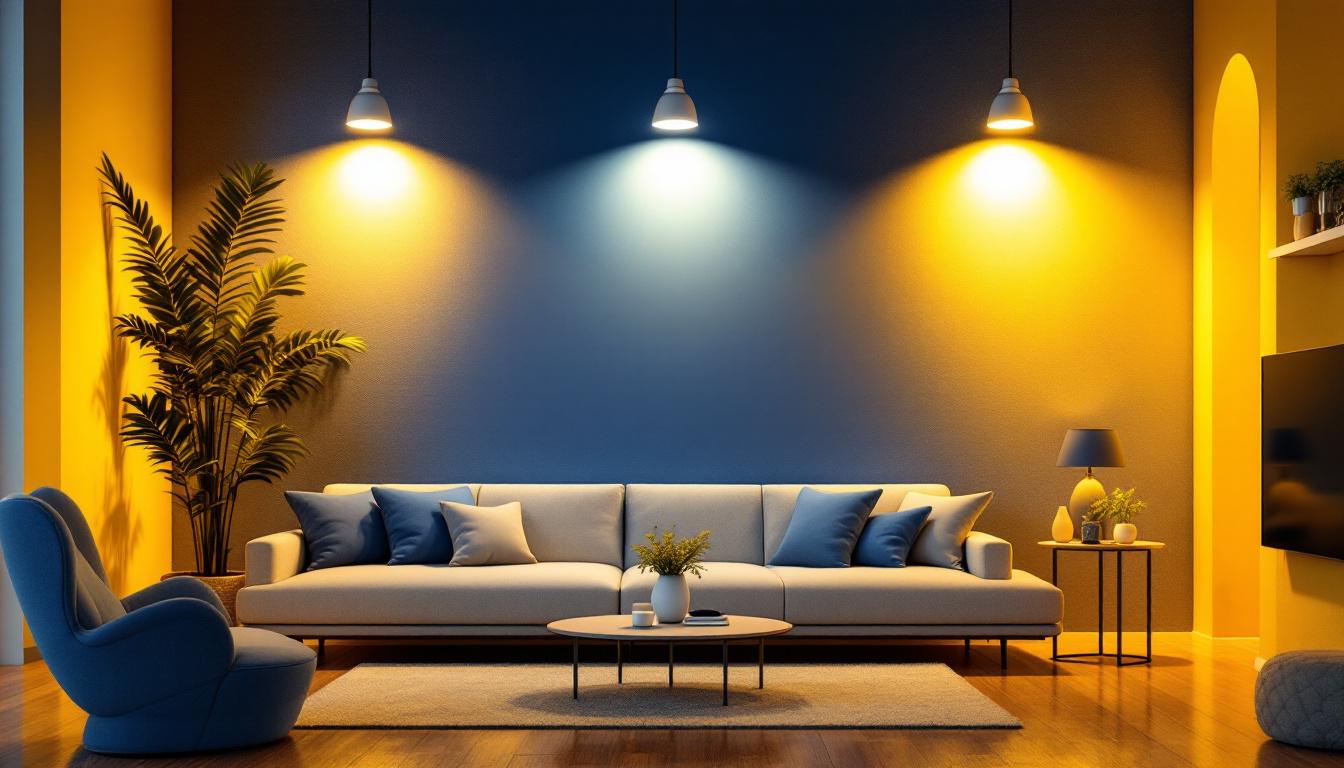
Color temperature selection also plays a crucial role in the ambiance created by the fixture. Warm white (2700K–3000K) is often preferred for residential and hospitality settings to create a cozy atmosphere, while cooler temperatures (4000K–5000K) suit workspaces and commercial environments where clarity and focus are paramount. Additionally, the use of color-rendering index (CRI) ratings can help clients understand how accurately colors will appear under different lighting conditions, which is especially important in retail environments where product presentation is key.
Energy Codes and Sustainability Considerations
Many jurisdictions enforce energy codes that affect lighting installations. Lighting contractors must stay informed about these regulations to ensure compliance and to help clients benefit from potential incentives or rebates. Incorporating energy-efficient wall bracket hanging lights contributes to sustainability goals and reduces operational costs over time. Moreover, the shift towards renewable energy sources, such as solar power, can further enhance the sustainability of lighting installations, allowing for off-grid solutions that reduce reliance on traditional power sources.
Additionally, the lifecycle assessment of lighting products is becoming increasingly important. Contractors should consider not only the energy consumption during use but also the environmental impact of manufacturing, transportation, and disposal of lighting fixtures. By choosing products made from recyclable materials and promoting brands that prioritize sustainable practices, contractors can play a vital role in fostering a greener future while meeting their clients’ aesthetic and functional needs.
Maintenance and Troubleshooting
Routine Maintenance Practices
Proper maintenance extends the lifespan of wall bracket hanging lights and maintains their aesthetic appeal. Regular cleaning of the fixture and light source prevents dust accumulation, which can diminish light output and cause overheating. Contractors should advise clients on safe cleaning methods and schedules tailored to the fixture’s location and environment.
Inspecting mounting hardware and electrical connections periodically ensures continued safety and performance. Loose brackets or corroded wiring can pose risks and should be addressed promptly.
Common Issues and Solutions
Lighting contractors frequently encounter issues such as flickering lights, dimming, or complete outages. These symptoms often result from loose connections, faulty bulbs, or incompatible dimmers. Systematic troubleshooting—starting from the power source, through wiring, to the fixture itself—helps identify and resolve problems efficiently.
In some cases, upgrading components, such as replacing incandescent bulbs with LEDs or installing compatible dimmer switches, can resolve performance issues and enhance client satisfaction.
Trends and Innovations in Wall Bracket Hanging Lighting
Smart Lighting Integration
Advancements in smart lighting technology have transformed wall bracket hanging lights into integral components of modern lighting systems. Integration with home automation platforms allows for remote control, scheduling, and customization of lighting scenes. Lighting contractors should familiarize themselves with smart fixture options and compatible control devices to meet growing client demand.
Design Innovations and Customization
Contemporary design trends emphasize minimalism, mixed materials, and customizable features. Modular wall bracket hanging lights enable clients to tailor the fixture’s length, finish, and light output. Contractors who stay updated on these trends can offer innovative solutions that enhance project value and client satisfaction.
Conclusion: Essential Takeaways for Lighting Contractors
Wall bracket hanging lights are more than decorative elements; they are functional fixtures that require careful consideration from lighting contractors. Understanding their structural components, adhering to safety standards, planning installations meticulously, and selecting appropriate light sources are fundamental to successful projects.
Moreover, staying informed about energy codes, maintenance practices, and emerging technologies empowers contractors to deliver superior service and future-proof installations. By mastering these essential facts, lighting contractors can confidently specify, install, and maintain wall bracket hanging lights that meet the highest standards of quality and performance.
Illuminate Your Projects with LumenWholesale
Ready to elevate your lighting installations with the finest wall bracket hanging lights on the market? Look no further than LumenWholesale. We provide lighting contractors with exceptional, spec-grade lighting products at unparalleled wholesale prices. Our commitment to quality and affordability ensures that you can bring your projects to life without compromising on performance or cost. With our extensive selection, free shipping on bulk orders, and no hidden fees, you can trust that you’re getting the best value every time. Don’t let inflated markups dim your project’s potential—choose LumenWholesale for Wholesale Lighting at the Best Value.