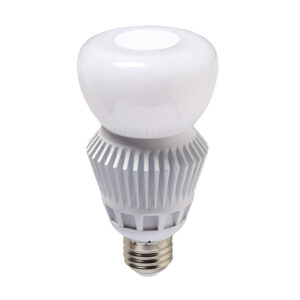
Understanding the US Standard Bulb Base: Why It Matters
Lighting contractors encounter a wide variety of bulb bases daily, but the US standard bulb base remains the most common and essential to master. This base type serves as the foundation for many residential, commercial, and industrial lighting installations. Knowing its specifications, compatibility, and nuances can save time, reduce errors, and ensure client satisfaction.
At its core, the US standard bulb base refers primarily to the E26 base, which is the standard screw-in base for most medium-sized bulbs in the United States. This base is widely used due to its reliability, ease of installation, and availability. For lighting contractors, understanding the E26 and its variants is crucial when specifying bulbs, troubleshooting fixtures, or advising clients on replacements.
The E26 base is not only prevalent in household lighting but also plays a significant role in energy-efficient solutions. With the rise of LED technology, many manufacturers have designed LED bulbs that fit the E26 base, providing a sustainable alternative to traditional incandescent bulbs. These LED options offer longer lifespans and reduced energy consumption, making them an attractive choice for environmentally conscious consumers. Moreover, the compatibility of E26 with smart lighting systems has opened new avenues for contractors to enhance their service offerings, allowing clients to integrate technology seamlessly into their lighting setups.
In addition to the E26 base, it’s important for contractors to be aware of other related bases, such as the E12 and E17, which cater to different applications and fixture types. The E12 base, often referred to as the candelabra base, is commonly used in decorative fixtures and chandeliers, while the E17 base is typically found in appliances and specialty lighting. Understanding these variations not only broadens a contractor’s expertise but also equips them to handle a wider range of projects, ensuring they can meet diverse client needs effectively. As the lighting industry continues to evolve, staying informed about these bases and their applications will be key to maintaining a competitive edge in the market.
Key Specifications of the US Standard Bulb Base
Dimensions and Threading
The E26 base has a diameter of 26 millimeters and features a threaded metal shell that screws into a matching socket. This threading ensures a secure electrical connection and mechanical fit. The threads are standardized, which means bulbs from different manufacturers will fit sockets designed for E26 bases without compatibility issues.
It’s important to note that while the E26 is the standard for medium screw bases in the U.S., the E27 base is its European counterpart. Although similar in size, they are not always interchangeable due to slight differences in thread pitch and electrical standards. Lighting contractors working on international projects or with imported fixtures should be aware of these distinctions. Additionally, the E26 base is often used in various lighting applications beyond just residential settings; it can also be found in commercial environments, such as offices and retail spaces, where versatile and easily replaceable lighting solutions are essential.
Voltage and Wattage Ratings
Standard US bulb bases like the E26 are designed to handle typical household voltages, generally around 120 volts. This makes them suitable for a broad range of lighting applications, from simple table lamps to recessed ceiling fixtures. However, wattage ratings can vary depending on the fixture and bulb type. Contractors should always verify the maximum wattage rating of the socket to prevent overheating or damage.
For example, many residential fixtures with E26 sockets are rated for bulbs up to 60 or 100 watts, but some specialty fixtures may allow higher wattages. LED bulbs, which consume less power, often provide an opportunity to use higher lumen outputs without exceeding wattage limits. Furthermore, the advent of smart lighting technology has introduced bulbs that not only fit E26 sockets but also offer features like color changing and remote control capabilities, enhancing the versatility of lighting solutions in modern homes. As energy efficiency becomes increasingly important, understanding the implications of wattage and lumens is crucial for consumers looking to optimize their lighting choices while reducing energy consumption.
Common Types of Bulbs Using the US Standard Base
Incandescent and Halogen Bulbs
Historically, incandescent bulbs with E26 bases dominated the US lighting market. These bulbs are simple, cost-effective, and compatible with most fixtures. Halogen bulbs, which offer brighter and whiter light, also commonly use the E26 base. However, due to energy efficiency regulations and environmental concerns, incandescent and halogen bulbs are becoming less common. The warm glow of incandescent lighting has a nostalgic appeal, often associated with cozy home environments and traditional aesthetics. Despite their declining popularity, many consumers still appreciate the quality of light they provide, particularly in settings where ambiance is paramount.
Compact Fluorescent Lamps (CFLs)
CFLs with E26 bases became popular as energy-efficient alternatives to incandescent bulbs. They screw into standard sockets and provide significant energy savings. Lighting contractors often encounter CFLs during retrofit projects or in commercial settings where energy codes require efficient lighting solutions. These bulbs utilize a gas-filled tube that emits ultraviolet light, which then excites a phosphor coating inside the bulb to produce visible light. Although they are more efficient, CFLs can take time to warm up to full brightness, which can be a drawback in situations requiring immediate illumination. Additionally, the presence of mercury in CFLs necessitates careful disposal, raising awareness about environmental safety among consumers.
Light Emitting Diode (LED) Bulbs
LED bulbs have largely taken over the market, offering superior energy efficiency, longer life spans, and reduced heat output. Most LED bulbs designed for residential and commercial use come with E26 bases, making them easy drop-in replacements for older bulbs. Contractors should be familiar with LED specifications, including color temperature, lumen output, and dimming compatibility, to recommend the best options for clients. The versatility of LED technology allows for an array of designs, from traditional bulb shapes to sleek, modern fixtures. Moreover, advancements in LED technology have led to the development of smart bulbs that can be controlled via smartphone apps or voice-activated devices, providing users with unprecedented control over their lighting environments. This shift not only enhances convenience but also supports energy management strategies in homes and businesses alike.
Installation and Safety Considerations
Ensuring Proper Socket Compatibility
Even though the E26 base is standardized, lighting contractors must ensure that the bulb and socket are compatible in terms of voltage, wattage, and physical fit. Using a bulb with a higher wattage than the socket rating can lead to overheating, posing fire hazards. Conversely, installing bulbs with lower wattage ratings than the fixture’s minimum might cause flickering or poor performance.
Additionally, some fixtures are designed for enclosed bulbs, while others are open. Installing bulbs not rated for enclosed fixtures can reduce bulb life or cause safety issues. Contractors should always check manufacturer specifications before installation.
Grounding and Electrical Connections
The metal base of an E26 bulb also serves as the electrical contact, completing the circuit when screwed into the socket. Proper grounding of the fixture and secure wiring are essential to prevent shocks or short circuits. Lighting contractors must follow local electrical codes and best practices to ensure safe and reliable installations.
Common Challenges and Troubleshooting Tips
Loose or Flickering Bulbs
One frequent issue encountered in the field is bulbs that flicker or fail to stay firmly seated in the socket. This can be due to worn-out sockets, corrosion, or improper installation. Lighting contractors should inspect sockets for damage or debris and replace them if necessary. Tightening the bulb properly without overtightening is also important to maintain good contact.
Compatibility with Dimmers and Smart Controls
Not all bulbs with E26 bases are compatible with dimmers or smart lighting controls. Using incompatible bulbs can cause flickering, buzzing, or reduced bulb lifespan. Contractors should verify that the bulbs specified for dimming applications are labeled as dimmable and that the dimmer switch supports the bulb technology (LED, CFL, etc.).
Best Practices for Lighting Contractors Working with US Standard Bulb Bases
Stocking and Inventory Management
Maintaining a well-organized inventory of common bulb types with E26 bases can streamline project workflows. Contractors should stock a variety of wattages, color temperatures, and technologies (LED, CFL, incandescent) to meet diverse client needs. Keeping track of manufacturer warranties and batch numbers can also help in managing returns or replacements.
Educating Clients
Clients often rely on contractors for guidance on bulb selection and maintenance. Providing clear explanations about the benefits of LED technology, energy savings, and proper bulb handling can enhance client satisfaction and reduce future service calls. Offering options that align with client preferences for light quality and cost is a valuable service.
Staying Updated on Industry Standards
Lighting technology and regulations evolve continuously. Contractors should stay informed about changes in energy codes, new bulb technologies, and safety standards related to the US standard bulb base. Participating in training, attending trade shows, and subscribing to industry publications are effective ways to maintain expertise.
Conclusion: Mastery of the US Standard Bulb Base Enhances Contractor Performance
The US standard bulb base, especially the E26, is a cornerstone of lighting installations across the country. For lighting contractors, a thorough understanding of its specifications, applications, and potential pitfalls is essential. This knowledge enables efficient project execution, ensures safety, and helps deliver optimal lighting solutions to clients.
By mastering the technical details and practical considerations surrounding the US standard bulb base, contractors can confidently navigate the complexities of modern lighting systems and stay ahead in a competitive market.
Illuminate Your Projects with LumenWholesale
Ready to enhance your lighting installations with the best in the business? Look no further than LumenWholesale for all your lighting needs. Our extensive selection of spec-grade lighting products is designed to meet the rigorous demands of your projects, ensuring you deliver excellence to your clients every time. Say goodbye to inflated markups and hello to unbeatable wholesale prices, free shipping, and the convenience of bulk buying. Elevate your lighting game and discover the best value in wholesale lighting today with LumenWholesale.