Understanding Lightbulb Sockets: The Foundation of Efficient Lighting
For lighting contractors, mastering the nuances of lightbulb sockets is essential not only for ensuring proper installation but also for optimizing energy efficiency. The socket, or base, is the interface between the lightbulb and the fixture, playing a critical role in electrical connection, mechanical support, and heat dissipation. Choosing the right socket type can significantly influence the performance and longevity of lighting systems, particularly as energy-efficient solutions become the industry standard.
Lightbulb sockets come in various designs, each tailored to specific bulb types, voltages, and applications. A comprehensive understanding of these types enables contractors to recommend and install lighting that maximizes energy savings while maintaining safety and compliance with electrical codes.
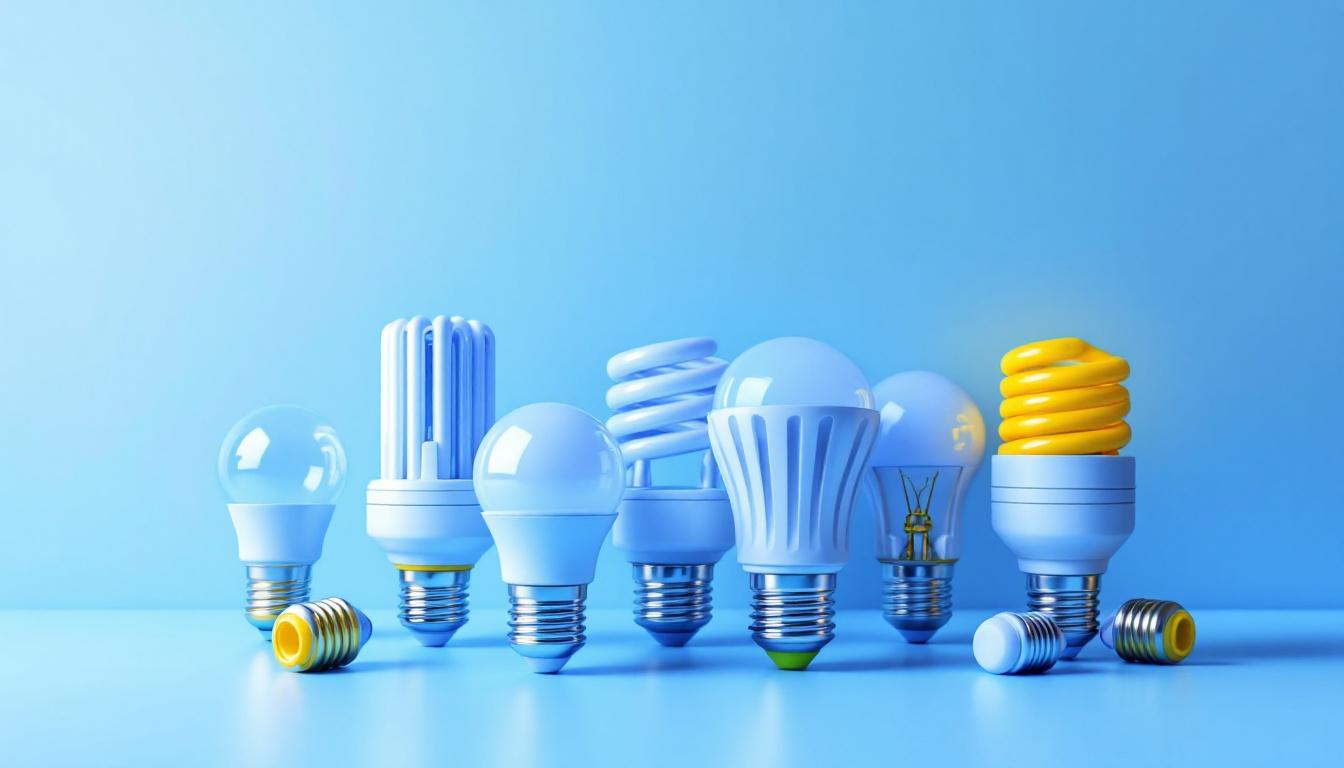
One of the most common socket types is the Edison screw base, which is widely used in residential and commercial lighting. This type of socket is available in several sizes, including E26 and E27, which correspond to the diameter of the base in millimeters. The popularity of the Edison screw base stems from its ease of use and compatibility with a wide range of incandescent, LED, and compact fluorescent bulbs. Additionally, advancements in technology have led to the development of smart bulbs that can be easily integrated into existing Edison sockets, allowing for enhanced control over lighting environments through mobile applications or voice commands.
Another important socket type is the bi-pin socket, commonly found in halogen and fluorescent lighting fixtures. These sockets feature two pins that fit into corresponding holes in the bulb base, providing a secure connection. Bi-pin sockets are often used in applications requiring compact and directional lighting, such as track lighting and under-cabinet fixtures. Understanding the specific requirements of bi-pin sockets, including voltage ratings and wattage limits, is crucial for contractors to ensure optimal performance and prevent potential hazards associated with overheating or electrical failure. As the industry continues to evolve, staying informed about the latest socket designs and their applications will empower contractors to make informed decisions that enhance both functionality and energy efficiency in their lighting projects.
Common Types of Lightbulb Sockets and Their Applications
Edison Screw (E26, E27, E12, E14)
The Edison screw socket is arguably the most ubiquitous lightbulb base worldwide. Variants such as E26 and E27 are standard in residential and commercial lighting, while smaller versions like E12 and E14 are often used in decorative or specialty fixtures.
This socket type is prized for its ease of use and reliable electrical contact. For energy-efficient lighting, Edison screw sockets accommodate a wide range of LED and compact fluorescent bulbs, making them versatile for retrofits and new installations alike. The design of the Edison screw allows for quick bulb changes, which is particularly beneficial in environments where lighting needs may frequently shift, such as in retail spaces or homes with changing decor.
Moreover, the popularity of the Edison screw has led to a wide variety of bulb shapes and styles being available, from vintage filament designs to modern, sleek LED options. This adaptability not only enhances aesthetic appeal but also allows homeowners and businesses to customize their lighting solutions based on specific needs, whether for ambiance, task lighting, or energy savings.
Bayonet Cap (B22, B15)
Bayonet cap sockets, characterized by their push-and-twist locking mechanism, are common in regions like the UK and Australia. The B22 size is typical for general lighting, while B15 is used for smaller bulbs.
These sockets provide a secure connection that resists vibration, which is advantageous in certain commercial or industrial settings. Modern energy-saving bulbs are widely available with bayonet bases, facilitating straightforward upgrades from incandescent to LED technologies. The design of the bayonet cap also helps to prevent accidental disconnection, making it a preferred choice in high-traffic areas or locations prone to movement, such as workshops or garages.
Additionally, the bayonet cap’s robust construction can accommodate a variety of bulb types, including decorative and high-output options, which are often used in outdoor settings or for accent lighting. This versatility ensures that users can achieve the desired lighting effect while maintaining safety and reliability in their installations.
Bi-Pin and GU Bases
Bi-pin sockets, including types like G4, G5.3, and GU10, are prevalent in low-voltage and specialty lighting applications such as track lighting, under-cabinet fixtures, and landscape lighting. The pins provide a stable electrical connection and allow for compact bulb designs.
GU10 bases, in particular, are designed for mains voltage halogen and LED spotlights, combining energy efficiency with directional lighting control. Contractors should be aware of the voltage and wattage specifications when selecting bi-pin sockets to ensure compatibility and safety. The compact nature of bi-pin bulbs makes them ideal for installations where space is limited, such as in recessed lighting or small fixtures.
Furthermore, the ability to easily swap out bulbs in bi-pin sockets allows for flexibility in lighting design, enabling users to experiment with different color temperatures and brightness levels. This adaptability is especially valuable in settings like galleries or retail spaces, where lighting can significantly influence the perception of products and artwork.
Pin Bases (R7s, G9, etc.)
Pin base sockets are used primarily for linear and capsule-shaped bulbs, including halogen and LED variants. The R7s base, for example, is common in floodlights and security lighting, while G9 bases are often found in decorative fixtures and chandeliers.
These sockets support high-intensity bulbs that deliver bright, focused illumination with improved energy efficiency compared to traditional incandescent lamps. The R7s base, with its linear design, is particularly effective for applications requiring broad coverage, such as in warehouses or outdoor security lighting, where visibility is crucial.
In contrast, G9 bases are favored in residential settings for their ability to fit into compact, stylish fixtures without sacrificing brightness. The variety of bulb options available for these sockets, including dimmable and color-changing LEDs, allows for a high degree of customization in lighting design, catering to both functional and aesthetic needs.
Specialty Sockets (Candelabra, Miniature, and Others)
Specialty sockets cater to niche applications such as automotive lighting, appliances, and theatrical lighting. Examples include candelabra bases for chandeliers and miniature sockets for instrument panels.
While less common in general lighting, these sockets are important for contractors working in specialized environments where energy-efficient bulb options are increasingly available. The candelabra base, for instance, is often used in elegant fixtures that require a vintage or ornate touch, making it a popular choice for dining rooms and ballrooms.
Moreover, miniature sockets are crucial in automotive and electronic applications, where space is at a premium and precise lighting is necessary. The advancements in LED technology have also led to the development of energy-efficient options for these specialty sockets, allowing for longer-lasting and more sustainable lighting solutions in both residential and commercial contexts.
Energy Efficiency Considerations When Selecting Sockets
Compatibility with LED and CFL Bulbs
Energy-efficient lighting technologies like LEDs and compact fluorescent lamps (CFLs) have transformed the lighting industry, offering substantial reductions in power consumption and heat output. However, not all sockets are compatible with these bulb types without modification.
For instance, some older fixtures with magnetic ballasts or incompatible socket wiring may require adapters or rewiring to accommodate LED bulbs safely. Contractors must assess socket compatibility to avoid issues like flickering, reduced lifespan, or safety hazards.
Socket Materials and Heat Dissipation
The material of the socket affects heat management, which is critical for the performance and durability of energy-efficient bulbs. Sockets made from high-quality ceramics or heat-resistant plastics are preferable, especially for high-wattage or enclosed fixtures.
Proper heat dissipation helps maintain bulb efficiency and prevents premature failure, ultimately supporting the sustainability goals of energy-efficient lighting installations.
Voltage and Current Ratings
Each socket type is rated for specific voltage and current levels. Using a socket beyond its rated capacity can lead to overheating, electrical failure, or fire hazards. Energy-efficient bulbs often operate at lower wattages but may have different electrical characteristics compared to traditional bulbs.
Contractors should verify that the socket ratings align with the intended bulb specifications to ensure safe and efficient operation.
Emerging Trends and Innovations in Socket Technology
Smart Socket Integration
The rise of smart lighting systems has introduced sockets equipped with integrated sensors, wireless communication modules, and dimming controls. These smart sockets enable contractors to implement advanced lighting solutions that optimize energy use based on occupancy, daylight availability, and user preferences.
While these sockets may require more complex installation, they offer significant energy savings and enhanced functionality, aligning with the growing demand for intelligent building systems.
Modular and Universal Socket Designs
To simplify maintenance and upgrades, manufacturers are developing modular sockets that accommodate multiple bulb types or allow easy swapping of components. Universal sockets aim to reduce inventory complexity and support a wider range of energy-efficient bulbs.
Such innovations help contractors streamline their workflows and provide clients with flexible, future-proof lighting solutions.
Best Practices for Lighting Contractors When Working with Sockets
Assessing Existing Fixtures for Retrofit Projects
When upgrading to energy-efficient lighting, contractors should thoroughly evaluate existing sockets and fixtures. This includes checking for wear, corrosion, and compatibility with new bulb technologies.
In some cases, replacing sockets or entire fixtures may be more cost-effective and safer than retrofitting, especially when dealing with outdated or damaged components.
Ensuring Compliance with Electrical Codes and Standards
Adherence to local and national electrical codes is paramount. Sockets must meet safety certifications and be installed according to manufacturer guidelines and regulatory requirements.
Contractors should stay informed about evolving standards related to energy efficiency and lighting safety to maintain professional credibility and protect end-users.
Educating Clients on Socket and Bulb Selection
Clients often focus on bulb type and wattage but may overlook the importance of socket compatibility and quality. Contractors can add value by explaining how socket choice influences energy savings, maintenance, and lighting quality.
Providing clients with comprehensive information fosters informed decisions and long-term satisfaction with lighting investments.
Conclusion: Mastery of Lightbulb Sockets as a Competitive Advantage
For lighting contractors, expertise in the types and characteristics of lightbulb sockets is a cornerstone of delivering energy-efficient lighting solutions. Understanding socket varieties, compatibility issues, and emerging technologies empowers contractors to design, install, and maintain lighting systems that meet modern performance and sustainability standards.
By prioritizing socket knowledge, contractors not only enhance their technical proficiency but also contribute to broader energy conservation efforts, ultimately benefiting clients and the environment alike.
Illuminate Your Projects with LumenWholesale
Ready to elevate your lighting projects with the best in the business? Look no further than LumenWholesale for a superior selection of spec-grade lighting products at unbeatable wholesale prices. Say goodbye to middleman markups and hello to high-performance lighting that meets the highest industry standards. With free shipping on bulk orders, LumenWholesale ensures you get premium lighting solutions at the best value — all with the convenience you deserve. Don’t compromise on quality or cost. Explore our collection now and bring energy-efficient excellence to every installation.