Understanding LED Light Fixtures: The Foundation for Smart Installations
LED technology has transformed lighting, offering efficiency, longevity, and versatility far beyond traditional bulbs. For lighting contractors, mastering the variety of LED light fixtures is essential—not just to meet client expectations but to optimize installation processes and maintenance schedules. The shift to LED has also prompted a reevaluation of design aesthetics, as these fixtures can be seamlessly integrated into modern architecture, providing both functionality and style.
LED fixtures come in numerous shapes and sizes, each designed for specific applications and environments. Recognizing these differences can help contractors recommend the right solution, streamline project timelines, and avoid costly errors. The adaptability of LED fixtures allows them to be used in a wide range of settings, from residential homes to large commercial spaces, making them an invaluable tool in a contractor’s repertoire.
What Defines an LED Light Fixture?
At its core, an LED light fixture integrates light-emitting diodes (LEDs) with a housing, driver, and often optics to direct light. Unlike simple LED bulbs, fixtures are complete units designed for specific mounting methods, environments, and lighting effects. This distinction is vital for contractors who must select fixtures that comply with electrical codes and client needs. Moreover, understanding the components of an LED fixture can empower contractors to troubleshoot issues more effectively, ensuring that clients receive prompt and efficient service when problems arise.
Why Fixture Choice Matters
Choosing the correct LED fixture affects energy consumption, light quality, and durability. For example, a fixture designed for outdoor use will have weatherproofing features absent in indoor models. Similarly, commercial spaces might require fixtures with high lumen output and specific color temperatures to enhance productivity or ambiance. Additionally, the choice of fixture can influence the overall energy efficiency of a building, as well-selected fixtures can significantly reduce electricity costs over time, making them a smart investment for both contractors and clients alike.
Furthermore, the integration of smart technology in LED fixtures is revolutionizing how lighting is controlled and managed. Many modern LED fixtures come equipped with capabilities for dimming, color changing, and even automated scheduling, which can be tailored to the specific needs of a space. This not only enhances the user experience but also contributes to energy savings by allowing users to adjust lighting based on occupancy and time of day. As such, contractors who stay informed about the latest advancements in LED technology can provide their clients with cutting-edge solutions that elevate the functionality and efficiency of their lighting systems.
Common Types of LED Light Fixtures and Their Applications
LED fixtures can be broadly categorized by their form factor and intended use. Each type offers unique benefits and challenges, which lighting contractors should understand thoroughly.
Recessed LED Fixtures
Recessed fixtures are installed flush with ceilings or walls, creating a clean, modern look. They are popular in residential, commercial, and hospitality settings due to their unobtrusive design.
These fixtures often come with adjustable trims and baffles to reduce glare and control beam spread. Lighting contractors should verify ceiling depth and wiring access before specifying recessed LED fixtures, as improper installation can lead to overheating or poor light distribution. Additionally, the choice of color temperature can greatly influence the ambiance of a space; warmer tones create a cozy atmosphere, while cooler tones can enhance focus and productivity in work environments.
Surface-Mounted LED Fixtures
Surface-mounted fixtures attach directly to ceilings or walls, making them ideal where recessed installation isn’t feasible. They come in various shapes, including panels, strips, and domes.
Contractors appreciate surface-mounted fixtures for their ease of installation and maintenance. In retrofit projects, these fixtures often replace outdated fluorescent units, offering immediate energy savings without extensive ceiling modifications. Furthermore, surface-mounted fixtures can be designed to blend seamlessly with the interior decor, offering both functionality and aesthetic appeal. With the rise of smart technology, many of these fixtures now come equipped with features such as remote control and programmable settings, allowing users to customize their lighting experience.
LED Troffers
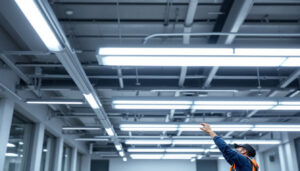
Troffers are rectangular fixtures designed to fit into suspended ceiling grids, commonly found in office buildings, schools, and hospitals. LED troffers provide uniform, glare-free lighting, enhancing visual comfort and productivity.
Modern LED troffers often feature dimming capabilities and integrated sensors, enabling contractors to design energy-efficient lighting systems that respond to occupancy and daylight levels. Additionally, the integration of advanced technologies such as tunable white lighting allows users to adjust the color temperature throughout the day, mimicking natural light patterns and promoting well-being in indoor environments. This adaptability makes LED troffers a popular choice in spaces where flexibility in lighting is essential.
LED High Bay and Low Bay Fixtures
High bay fixtures illuminate large spaces with high ceilings, such as warehouses, manufacturing plants, and gymnasiums. Low bay fixtures serve similar spaces but with lower ceiling heights.
These fixtures deliver powerful, focused light with wide beam angles to cover expansive areas. Lighting contractors must consider factors like mounting height, lumen output, and thermal management to ensure optimal performance and longevity. Moreover, the use of high-efficiency LED chips in these fixtures significantly reduces energy consumption compared to traditional lighting solutions, resulting in lower operational costs over time. Many high bay models also offer rugged designs that withstand the rigors of industrial environments, ensuring durability and reliability.
LED Strip and Tape Lights
Flexible and versatile, LED strip lights are used for accent lighting, under-cabinet illumination, and architectural highlights. They can be cut to length and installed in tight or irregular spaces.
Contractors should pay attention to voltage requirements, IP ratings for moisture resistance, and compatibility with dimmers or controllers when specifying strip lights for different environments. Additionally, the ability to create dynamic lighting effects using RGB (Red, Green, Blue) strips allows for creative applications in both residential and commercial settings. This flexibility enables designers to craft unique atmospheres, making LED strips a favorite for events, displays, and mood lighting.
LED Floodlights and Spotlights
These fixtures are designed to deliver intense, directional light outdoors or indoors. Floodlights cover broad areas like parking lots or building facades, while spotlights focus on specific objects or architectural features.
Durability and weather resistance are critical for outdoor LED floodlights. Contractors must also consider beam angle and color temperature to achieve the desired visual effect and security level. Furthermore, many modern floodlights come equipped with smart technology, allowing for remote monitoring and control, which enhances security and energy efficiency. This capability is especially beneficial in commercial applications where lighting needs may change based on occupancy or time of day.
LED Pendant and Chandeliers
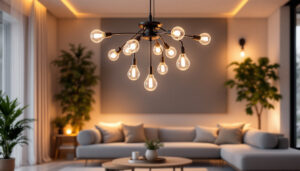
For decorative and ambient lighting, pendant fixtures and chandeliers incorporate LEDs into stylish designs. These fixtures are common in restaurants, retail spaces, and upscale residential projects.
Contractors should ensure that these fixtures are compatible with existing dimming systems and that their installation meets aesthetic and functional requirements. The versatility of LED technology also allows for innovative designs that were not possible with traditional lighting, such as intricate shapes and customizable colors. This adaptability not only enhances the visual appeal of a space but also provides energy-efficient solutions that align with modern sustainability goals. As design trends evolve, the integration of LED fixtures into architectural elements continues to gain popularity, making them a focal point in contemporary interior design.
Technical Considerations for Lighting Contractors
Beyond fixture type, several technical factors influence the success of an LED lighting installation. Understanding these elements helps contractors deliver reliable, high-performance lighting solutions.
Color Temperature and CRI
Color temperature, measured in Kelvins (K), affects the ambiance and functionality of a space. Warm white (2700K-3000K) creates a cozy atmosphere, while cool white (4000K-5000K) enhances concentration and visibility.
Color Rendering Index (CRI) indicates how accurately a light source reveals colors compared to natural light. A CRI of 80 or higher is generally preferred for commercial and residential applications.
Lumen Output and Efficiency
Lumens measure the amount of visible light emitted. Lighting contractors must balance lumen output with energy consumption to meet client goals for brightness and efficiency.
LED fixtures typically offer superior lumens per watt compared to traditional lighting, but selecting the right fixture depends on the specific lighting requirements and space dimensions.
Dimming and Controls Compatibility
Many LED fixtures support dimming, enabling energy savings and mood setting. However, not all fixtures are compatible with every dimmer type.
Contractors should verify compatibility with existing or planned control systems, including occupancy sensors, daylight harvesting, and smart lighting platforms.
Thermal Management and Lifespan
LEDs generate heat that must be dissipated to maintain performance and longevity. Fixtures with effective heat sinks and ventilation extend LED life and reduce maintenance costs.
Lighting contractors should consider ambient temperature and fixture placement to ensure adequate thermal management, especially in enclosed or high-temperature environments.
Installation and Maintenance Insights
Proper installation and maintenance are crucial to maximize the benefits of LED lighting. Lighting contractors play a key role in ensuring fixtures perform as intended over their lifespan.
Installation Best Practices
Before installation, contractors should review manufacturer guidelines, verify electrical compatibility, and inspect mounting surfaces.
Attention to wiring, grounding, and secure fixture attachment prevents safety hazards and operational issues. For recessed and high bay fixtures, ensuring proper clearance and ventilation is essential.
Maintenance and Troubleshooting
LED fixtures typically require less maintenance than traditional lighting, but periodic inspections help identify issues early. Common problems include driver failures, dimming incompatibilities, and physical damage.
Contractors should educate clients on cleaning procedures and replacement schedules. Using fixtures with modular components can simplify repairs and reduce downtime.
Emerging Trends and Future-Proofing
Staying current with LED lighting innovations benefits contractors by expanding their service offerings and enhancing client satisfaction.
Smart LED Fixtures
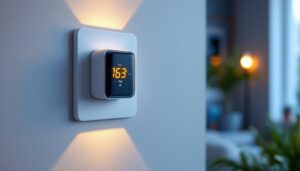
Integration with IoT and smart building systems allows LED fixtures to adapt to occupancy, daylight, and user preferences. Lighting contractors can leverage these features to design intelligent, energy-efficient environments.
Human-Centric Lighting
Adjusting light intensity and color temperature throughout the day supports circadian rhythms and well-being. Fixtures with tunable white and color-changing capabilities are gaining traction in offices, healthcare, and education.
Sustainability and Certifications
Energy codes and green building standards increasingly influence fixture selection. Lighting contractors should prioritize fixtures with certifications like ENERGY STAR and DLC to ensure compliance and promote sustainability.
Conclusion: Mastering LED Fixture Selection for Optimal Outcomes
For lighting contractors, deep knowledge of LED fixture types and technical considerations is a competitive advantage. It enables precise recommendations, efficient installations, and satisfied clients.
By understanding the nuances of recessed, surface-mounted, troffer, high bay, strip, floodlight, and decorative LED fixtures, contractors can tailor solutions to diverse project needs. Coupled with attention to color quality, dimming compatibility, and thermal management, this expertise ensures lighting systems that perform beautifully and reliably.
Embracing emerging trends and sustainability standards further positions contractors as trusted advisors in a rapidly evolving industry. Ultimately, mastering LED light fixtures is about delivering value-illuminating spaces with intelligence, efficiency, and style.
Discover Unmatched Value with LumenWholesale Lighting
Ready to elevate your lighting projects with the finest LED fixtures on the market? Look no further than LumenWholesale, where we provide lighting contractors with exceptional, spec-grade lighting products at unparalleled wholesale prices. Our commitment to quality and affordability ensures that you can deliver outstanding results to your clients while maintaining cost-effectiveness. With free shipping on bulk orders, you can trust that you’re getting premium lighting solutions at the best value — no hidden fees, no compromises. Take the next step in optimizing your lighting installations by visiting Wholesale Lighting at the Best Value and experience the LumenWholesale difference today.