Understanding the Essentials of Track Lighting
Track lighting has become a staple in both residential and commercial settings due to its versatility and sleek design. For lighting contractors, mastering track lighting means more than just installing fixtures—it’s about understanding the system’s components, configurations, and the unique needs of each space.
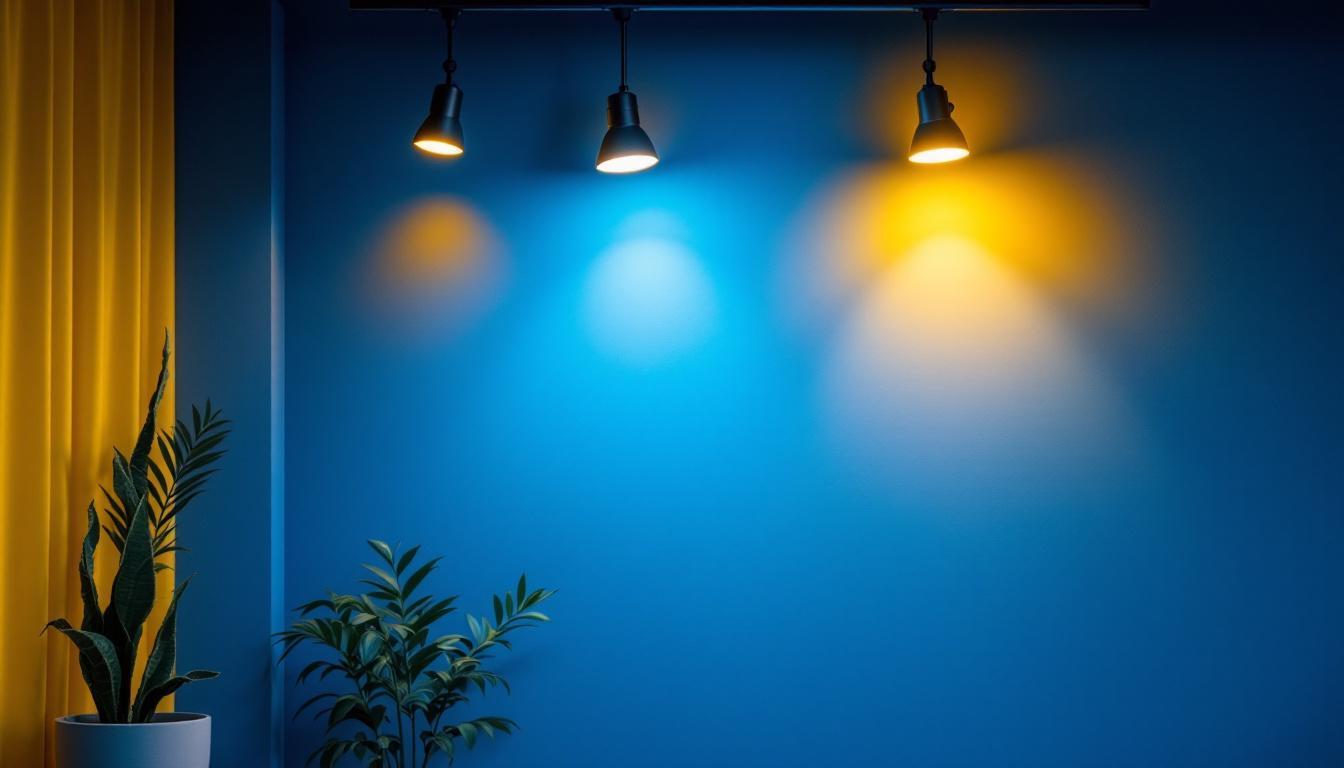
At its core, track lighting consists of a track, which is mounted to the ceiling or wall, and light fixtures that attach to this track. The track provides both mechanical support and electrical power to the fixtures, allowing them to be moved and adjusted without rewiring. This flexibility makes track lighting ideal for highlighting artwork, task lighting in kitchens, or accentuating architectural features. Additionally, the ability to reposition fixtures easily means that the lighting can be adapted to different activities or seasonal decor, making it a dynamic choice for any environment.
Contractors should familiarize themselves with the three primary types of track systems: H, J, and L. Each type has distinct electrical connectors and compatibility requirements. Choosing the right system upfront prevents costly mistakes and ensures smooth installation and future upgrades. Furthermore, understanding the nuances of each type allows contractors to offer tailored solutions that align with the aesthetic and functional goals of their clients. For instance, H-type tracks are often favored for their compatibility with a wide range of fixtures, while J-type tracks are commonly used in residential settings due to their sleek appearance and ease of installation.
In addition to the track types, contractors should also consider the variety of light fixtures available, including LED options that offer energy efficiency and longevity. LED track lights come in various styles, from spotlights to floodlights, allowing for creative lighting designs that can transform a space. Moreover, dimmable fixtures can enhance the versatility of track lighting, enabling users to adjust the ambiance according to the time of day or specific activities. Understanding these elements not only enhances the contractor’s skill set but also empowers them to create lighting solutions that are both functional and visually appealing.
Choosing the Right Track Lighting Components
Tracks: The Backbone of the System
Tracks come in various lengths, finishes, and mounting options. Selecting the appropriate track depends on the room’s layout and the lighting goals. For example, a straight track suits narrow spaces, while flexible or curved tracks accommodate more complex designs. Additionally, the finish of the track can significantly influence the overall aesthetic of the space; options range from sleek metallics to matte blacks or whites, allowing for seamless integration into various interior styles.
Contractors should also consider the track’s amperage rating. High-powered tracks support more fixtures or higher wattage bulbs, which is crucial in commercial environments requiring intense illumination. Furthermore, understanding the electrical layout of the space is essential, as this can dictate the number of tracks that can be installed without overloading circuits. Proper planning ensures that the lighting not only meets design expectations but also adheres to safety standards.
Fixtures: Function Meets Style
Track lighting fixtures vary widely—from spotlights and floodlights to pendants and linear fixtures. Each serves different purposes. Spotlights are perfect for focused task lighting, while floodlights offer broader illumination. The choice of fixture can also enhance the design narrative of a room; for instance, a sleek pendant can serve as a statement piece in a dining area, while minimalist spotlights can maintain a clean look in a modern workspace.
Modern LED fixtures dominate the market due to their energy efficiency, long lifespan, and reduced heat output. Lighting contractors should prioritize LED options, as clients increasingly demand sustainable and cost-effective solutions. Additionally, many LED fixtures now come with adjustable color temperatures, allowing users to switch from warm to cool lighting depending on the time of day or activity, thus enhancing the versatility of the lighting system.
Accessories: Enhancing Performance and Aesthetics
Accessories like connectors, adapters, and dimmers expand the system’s functionality. Connectors join multiple tracks to create longer runs or complex layouts. Adapters allow fixtures to fit different track types or orientations, such as wall-mounted tracks. These accessories not only facilitate creative design solutions but also ensure that the lighting system can evolve over time, adapting to changing needs or preferences.
Dimmers and smart controls enable clients to customize lighting intensity and ambiance, adding value to the installation. Contractors proficient in integrating these accessories can offer tailored solutions that meet diverse client needs. Moreover, with the rise of smart home technology, incorporating Wi-Fi or Bluetooth-enabled controls can significantly enhance user experience, allowing clients to adjust their lighting from a smartphone app or through voice commands, thus merging convenience with cutting-edge technology.
Installation Best Practices for Lighting Contractors
Planning and Layout
Successful track lighting starts with meticulous planning. Contractors should conduct thorough site assessments, noting ceiling height, room dimensions, and existing electrical infrastructure. Understanding the client’s lighting objectives—whether accentuating art, improving workspace illumination, or creating mood lighting—is essential. Engaging with the client during this phase can uncover specific preferences, such as color temperature and fixture styles, which can greatly influence the overall aesthetic and functionality of the lighting design.
Mapping the track layout on blueprints or using digital tools helps visualize the final setup and identify potential challenges. This step also ensures compliance with electrical codes and safety standards. Additionally, considering the placement of furniture and other elements in the space can help avoid shadows and ensure that the light is directed where it is most needed. Utilizing software that simulates lighting effects can provide valuable insights into how different configurations will perform, allowing for adjustments before any physical installation begins.
Electrical Considerations
Track lighting systems require proper wiring and power supply to function safely and efficiently. Contractors must verify circuit capacity to avoid overloads, especially when installing multiple high-wattage fixtures. It’s also important to consider the type of bulbs being used, as LED options can significantly reduce energy consumption while offering longer lifespans compared to traditional incandescent bulbs. This not only benefits the client’s utility bills but also contributes to a more sustainable installation.
Grounding and bonding are critical for safety and code compliance. Using UL-listed components and following manufacturer guidelines minimizes risks. Additionally, incorporating dimmer switches or smart controls requires compatible wiring and devices. Understanding the latest advancements in smart home technology can also provide clients with enhanced control over their lighting, allowing them to customize settings for different occasions. Educating clients about these options can lead to increased satisfaction and potentially higher referrals for contractors.
Mounting and Alignment
Securely mounting the track is vital for both safety and aesthetics. Contractors should use appropriate anchors and fasteners based on ceiling material—drywall, concrete, or wood. It’s crucial to ensure that the mounting hardware is rated for the weight of the fixtures being installed, as improper mounting can lead to accidents and damage. Additionally, considering the height at which the track is installed can impact both functionality and visual appeal; higher installations may require more powerful fixtures to achieve the desired illumination.
Aligning fixtures along the track ensures even lighting distribution and a polished look. Adjustable heads should be tested post-installation to confirm they move smoothly and hold their position. Furthermore, taking the time to clean the fixtures and ensure they are free from dust and debris can enhance their performance and longevity. Contractors should also consider the overall design theme of the space, ensuring that the track lighting complements other design elements, such as wall colors and furniture styles, to create a cohesive and inviting atmosphere.
Advanced Techniques and Troubleshooting
Custom Configurations and Upgrades
Clients often seek unique lighting designs that standard track layouts can’t accommodate. Contractors skilled in custom configurations-such as combining straight and flexible tracks or integrating multiple track types-stand out in the market.
Upgrading existing track lighting to LED or smart systems is another valuable service. This involves retrofitting fixtures and controls while preserving the original track infrastructure, offering clients modern performance without full replacement costs.
Common Issues and Solutions
Track lighting installations can encounter issues like flickering lights, loose fixtures, or uneven illumination. Flickering often results from poor connections or incompatible dimmers. Ensuring tight electrical contacts and using compatible dimmer models resolves this.
Loose fixtures may indicate improper mounting or worn components. Regular maintenance checks and using quality hardware prevent this problem. Uneven lighting can be addressed by repositioning fixtures or adjusting beam angles.
Maximizing Client Satisfaction and Business Growth
Educating Clients on Track Lighting Benefits
Clients appreciate contractors who explain how track lighting enhances their space. Highlighting energy savings from LED technology, the flexibility of adjustable fixtures, and the aesthetic appeal of modern designs builds trust and encourages referrals.
Offering Comprehensive Services
Beyond installation, providing maintenance, troubleshooting, and upgrade services creates long-term client relationships. Contractors who stay updated on lighting trends and technologies can offer innovative solutions that keep clients coming back.
Leveraging Technology and Tools
Utilizing design software and lighting calculators helps contractors create precise plans and accurate estimates. Staying proficient with the latest tools streamlines workflow and improves project outcomes.
Conclusion
Mastering track lighting requires a deep understanding of components, thoughtful planning, and technical expertise. Lighting contractors who invest time in learning system types, installation best practices, and troubleshooting techniques position themselves as trusted professionals.
By offering customized solutions and educating clients on the advantages of track lighting, contractors can enhance their reputation and grow their business. The combination of technical skill and client-focused service is the key to mastering track lighting and accessories.
Get Your Track Lighting Supplies at LumenWholesale
Ready to elevate your track lighting installations with premium components that promise performance and style? Look no further than LumenWholesale for all your lighting needs. Our extensive selection of spec-grade lighting products is designed to meet the highest industry standards, ensuring you deliver exceptional results to your clients. With unbeatable wholesale prices and the convenience of free shipping on bulk orders, you can trust LumenWholesale to provide the best value without any hidden fees. Discover wholesale lighting at the best value and make your next project shine with LumenWholesale.