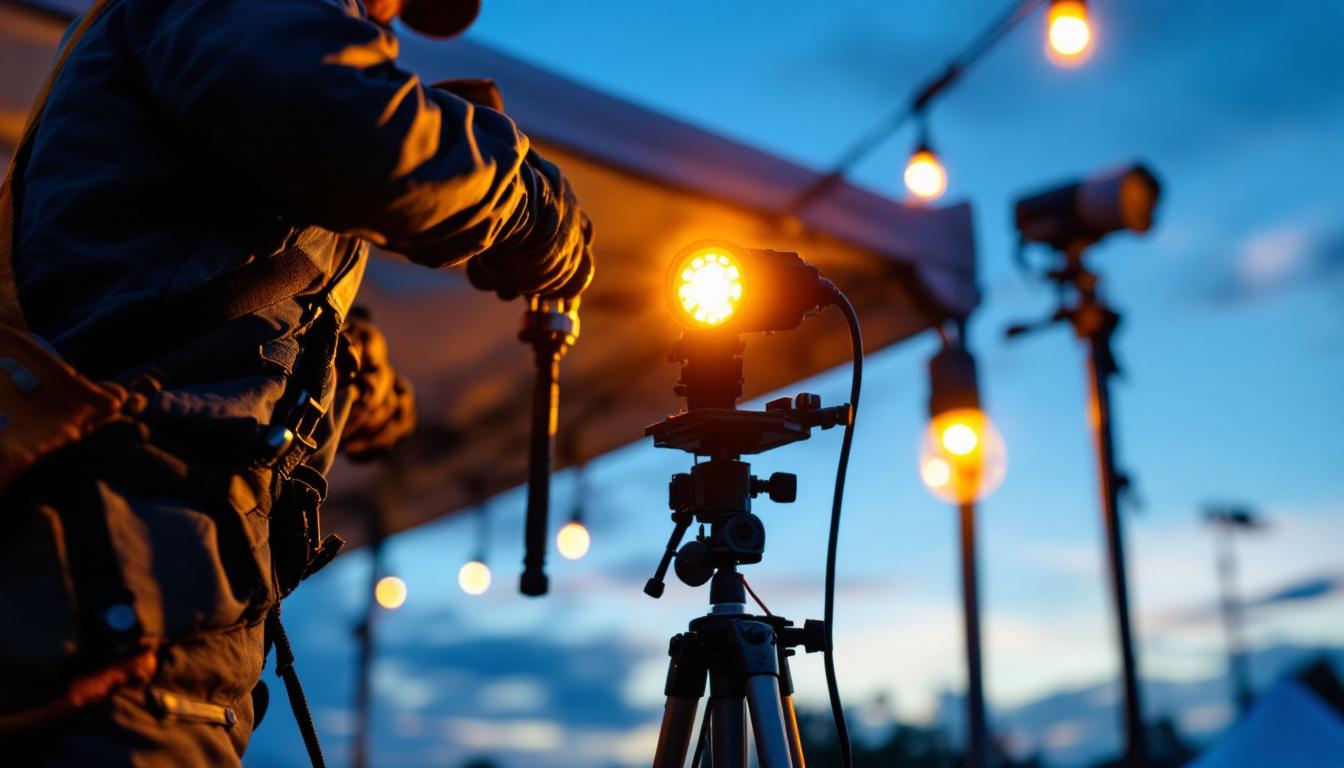
In the world of construction, events, and outdoor activities, temporary lighting plays a crucial role in ensuring safety, visibility, and ambiance. Lighting contractors have the unique opportunity to master the art of temporary lighting, providing solutions that meet the diverse needs of their clients. This article explores the various aspects of temporary lighting, offering insights and strategies for lighting contractors to excel in this specialized field.
Understanding Temporary Lighting
Temporary lighting refers to lighting solutions that are installed for a limited time, typically for construction sites, outdoor events, or emergency situations. The primary goal of temporary lighting is to enhance visibility and safety while creating an inviting atmosphere. Understanding the different types of temporary lighting and their applications is essential for lighting contractors looking to expand their expertise.
Types of Temporary Lighting
There are several types of temporary lighting that contractors can utilize, each serving a specific purpose. Some of the most common include:
- String Lights: Often used for outdoor events, string lights create a warm and inviting atmosphere. They can be hung from trees, tents, or buildings, providing both functional and aesthetic lighting.
- Flood Lights: Ideal for construction sites, flood lights offer powerful illumination to ensure safety during nighttime work. They can be mounted on tripods or fixed structures, providing flexibility in positioning.
- Portable Work Lights: These lights are essential for contractors working in tight spaces or on job sites requiring focused lighting. They are typically lightweight and easy to transport.
Applications of Temporary Lighting
The applications of temporary lighting are vast, ranging from construction sites to outdoor festivals. Understanding these applications allows lighting contractors to tailor their services to meet client needs effectively.
- Construction Sites: Safety is paramount on construction sites, and temporary lighting ensures that workers can see clearly while performing tasks. Properly illuminated areas reduce the risk of accidents and enhance productivity.
- Outdoor Events: From weddings to concerts, outdoor events often require temporary lighting to create the right ambiance. Contractors can offer creative lighting solutions that enhance the event’s theme and atmosphere.
- Emergency Situations: In the event of power outages or natural disasters, temporary lighting can provide essential illumination for safety and navigation. Contractors can play a vital role in emergency preparedness by offering reliable lighting solutions.
Moreover, temporary lighting can also be utilized in film and photography settings, where controlled lighting conditions are crucial for capturing the perfect shot. Lighting contractors can set up softboxes or LED panels to create flattering light for subjects, ensuring that every detail is highlighted effectively. This application not only enhances the visual quality but also contributes to the overall storytelling aspect of the production, making it a valuable service for filmmakers and photographers alike.
In addition to these applications, temporary lighting plays a significant role in festivals and fairs, where vibrant displays and themed lighting can elevate the overall experience for attendees. From colorful LED installations to synchronized light shows, contractors can collaborate with event planners to design immersive environments that captivate audiences. This not only enhances the visual appeal but also encourages longer stays and increased engagement, ultimately benefiting vendors and organizers alike.
Key Considerations for Lighting Contractors
Mastering temporary lighting requires a deep understanding of various factors that influence the effectiveness and safety of lighting installations. Lighting contractors should consider the following key aspects:
Safety First
Safety is the foremost concern when dealing with temporary lighting. Contractors must ensure that all lighting installations comply with local regulations and safety standards. This includes:
- Using lights that are rated for outdoor use to prevent electrical hazards.
- Ensuring that all cables and connections are secure and protected from the elements.
- Regularly inspecting lights and equipment for any signs of wear or damage.
By prioritizing safety, contractors can build trust with their clients and reduce the risk of accidents on job sites.
Choosing the Right Equipment
Selecting the appropriate lighting equipment is crucial for achieving the desired results. Contractors should consider factors such as:
- Brightness: The lumen output of lights should be sufficient for the area being illuminated. Different applications may require different brightness levels.
- Energy Efficiency: Energy-efficient lighting options, such as LED lights, not only reduce electricity costs but also have a longer lifespan, making them a cost-effective choice.
- Durability: Temporary lighting equipment should be robust enough to withstand outdoor conditions, including wind, rain, and temperature fluctuations.
Planning and Layout
Effective planning and layout are essential for maximizing the impact of temporary lighting. Contractors should consider the following steps:
- Site Assessment: Conduct a thorough assessment of the site to identify areas that require illumination. This includes considering potential hazards and the specific needs of the project.
- Lighting Design: Develop a lighting design that takes into account the type of event or work being performed. This may involve layering different types of lighting to create depth and interest.
- Installation Strategy: Plan the installation process to ensure efficiency and safety. This includes determining the best locations for lights and how to power them effectively.
Innovative Techniques in Temporary Lighting
As technology continues to advance, innovative techniques in temporary lighting are emerging. Lighting contractors can leverage these advancements to enhance their services and provide cutting-edge solutions.
Smart Lighting Solutions
Smart lighting technology allows for greater control and flexibility in temporary lighting setups. Contractors can utilize:
- Remote Control Systems: These systems enable contractors to adjust lighting levels and settings from a distance, making it easier to respond to changing conditions.
- Automated Timers: Timers can be programmed to turn lights on and off at specific times, ensuring that areas are illuminated only when needed, thus saving energy.
By incorporating smart lighting solutions, contractors can offer clients enhanced convenience and efficiency.
Creative Lighting Techniques
Creativity plays a significant role in temporary lighting design, especially for events. Contractors can explore various techniques to create stunning visual effects, such as:
- Color Washes: Using colored gels or LED lights, contractors can create vibrant color washes that enhance the atmosphere of an event.
- Highlighting Features: Strategic placement of lights can highlight architectural features or focal points, adding depth and interest to the overall design.
These creative techniques can set a contractor apart in a competitive market, showcasing their ability to deliver unique and memorable lighting experiences.
Client Communication and Education
Effective communication with clients is vital for successful temporary lighting projects. Lighting contractors should focus on educating clients about their options and the importance of quality lighting.
Understanding Client Needs
Before starting any project, contractors should take the time to understand the specific needs and goals of their clients. This involves asking questions about:
- The purpose of the lighting (safety, ambiance, etc.).
- The budget and any constraints that may impact the project.
- Any specific preferences or themes that the client has in mind.
By gaining a comprehensive understanding of client needs, contractors can tailor their proposals and recommendations accordingly.
Providing Expert Guidance
Lighting contractors should position themselves as experts in the field, offering guidance on the best lighting solutions for each project. This can include:
- Recommending the most suitable types of lights for specific applications.
- Explaining the benefits of energy-efficient options and how they can save money in the long run.
- Discussing safety measures and compliance with regulations to reassure clients of their professionalism.
By providing expert guidance, contractors can build credibility and trust with their clients, leading to repeat business and referrals.
Maintaining and Upgrading Temporary Lighting
Once temporary lighting is installed, ongoing maintenance and the possibility of upgrades are important considerations for contractors. This ensures that lighting systems remain effective and safe throughout their use.
Regular Inspections
Conducting regular inspections of temporary lighting systems is essential for identifying any issues before they become major problems. Contractors should:
- Check for any signs of wear or damage to lights, cables, and connections.
- Test the functionality of all lights to ensure they are operating as intended.
- Address any safety concerns promptly to maintain a safe environment for workers and event attendees.
Regular inspections not only enhance safety but also extend the lifespan of lighting equipment, providing better value for clients.
Upgrading Technology
As technology evolves, lighting contractors should consider upgrading their equipment to stay competitive. This may include:
- Investing in newer, more energy-efficient lighting options that provide better performance.
- Incorporating advanced control systems that allow for greater flexibility and customization.
- Staying informed about emerging trends and technologies in the lighting industry to offer clients the latest solutions.
By upgrading technology, contractors can enhance their service offerings and improve overall project outcomes.
Conclusion
Mastering temporary lighting requires a combination of technical knowledge, creativity, and effective communication. By understanding the various types and applications of temporary lighting, prioritizing safety, and leveraging innovative techniques, lighting contractors can provide exceptional services that meet the diverse needs of their clients. Through ongoing education and a commitment to quality, contractors can position themselves as leaders in the field of temporary lighting, ensuring success in every project they undertake.
Illuminate Your Projects with LumenWholesale
Ready to elevate your temporary lighting game? At LumenWholesale, we provide lighting contractors like you with the highest quality, spec-grade lighting products at prices that can’t be beaten. Say goodbye to local distributor markups and hello to a vast selection of reliable, high-performance lighting that meets the most stringent industry standards. With the convenience of free shipping on bulk orders, you can stock up on premium lighting solutions without worrying about hidden fees. Make your next project shine with the perfect blend of quality, affordability, and convenience. Discover the best value in wholesale lighting today by visiting Wholesale Lighting at the Best Value.