Why Street Lamp Covers Matter in Energy Efficiency
Street lighting accounts for a significant portion of municipal energy consumption. For lighting contractors, understanding the role of street lamp covers can be a game-changer in optimizing energy use and reducing operational costs. These covers are not just protective shells; they influence light distribution, fixture longevity, and energy efficiency.
When a street lamp cover is poorly designed or improperly installed, it can cause light loss or scatter light in unwanted directions. This results in wasted energy and contributes to light pollution, which affects both the environment and community well-being. Conversely, a well-engineered cover can focus light precisely where it’s needed, reducing wattage requirements without compromising illumination quality.
Moreover, the material used in street lamp covers plays a critical role in their performance. For instance, polycarbonate and acrylic are popular choices due to their durability and ability to withstand harsh weather conditions. These materials also provide excellent light transmission properties, ensuring that the maximum amount of light is delivered to the ground below. Additionally, advancements in coating technologies have led to the development of covers that can resist yellowing and degradation over time, maintaining their clarity and effectiveness for years. This longevity not only enhances energy efficiency but also reduces the frequency and costs associated with maintenance and replacement.
Furthermore, the integration of smart technology into street lamp covers is an emerging trend that promises to revolutionize urban lighting. Smart covers equipped with sensors can adjust brightness based on real-time conditions, such as pedestrian presence or ambient light levels. This adaptive lighting approach not only conserves energy but also enhances safety and security in public spaces. As cities continue to evolve towards smart infrastructure, the role of street lamp covers will become increasingly vital, serving as both a functional and innovative component in the quest for sustainable urban environments.
Types of Street Lamp Covers and Their Impact
Material Choices: Glass vs. Polycarbonate
Street lamp covers typically come in glass or polycarbonate. Glass covers offer excellent clarity and resist yellowing over time, but they are heavier and more fragile. Polycarbonate is lightweight and impact-resistant, making it ideal for high-traffic or vandal-prone areas. However, polycarbonate can degrade under UV exposure, leading to reduced light transmission unless treated with UV inhibitors.
For energy efficiency, clarity and durability are paramount. A cover that becomes cloudy or scratched reduces the amount of light emitted, forcing higher wattage or additional fixtures to compensate. Selecting the right material based on environmental conditions can maintain optimal light output and reduce energy waste. Moreover, the choice of material also affects the overall aesthetic of the street lighting. Glass covers can provide a classic look that complements historical or decorative urban environments, while polycarbonate options can be designed in various colors and finishes to suit modern architectural styles.
Shape and Design: Controlling Light Distribution
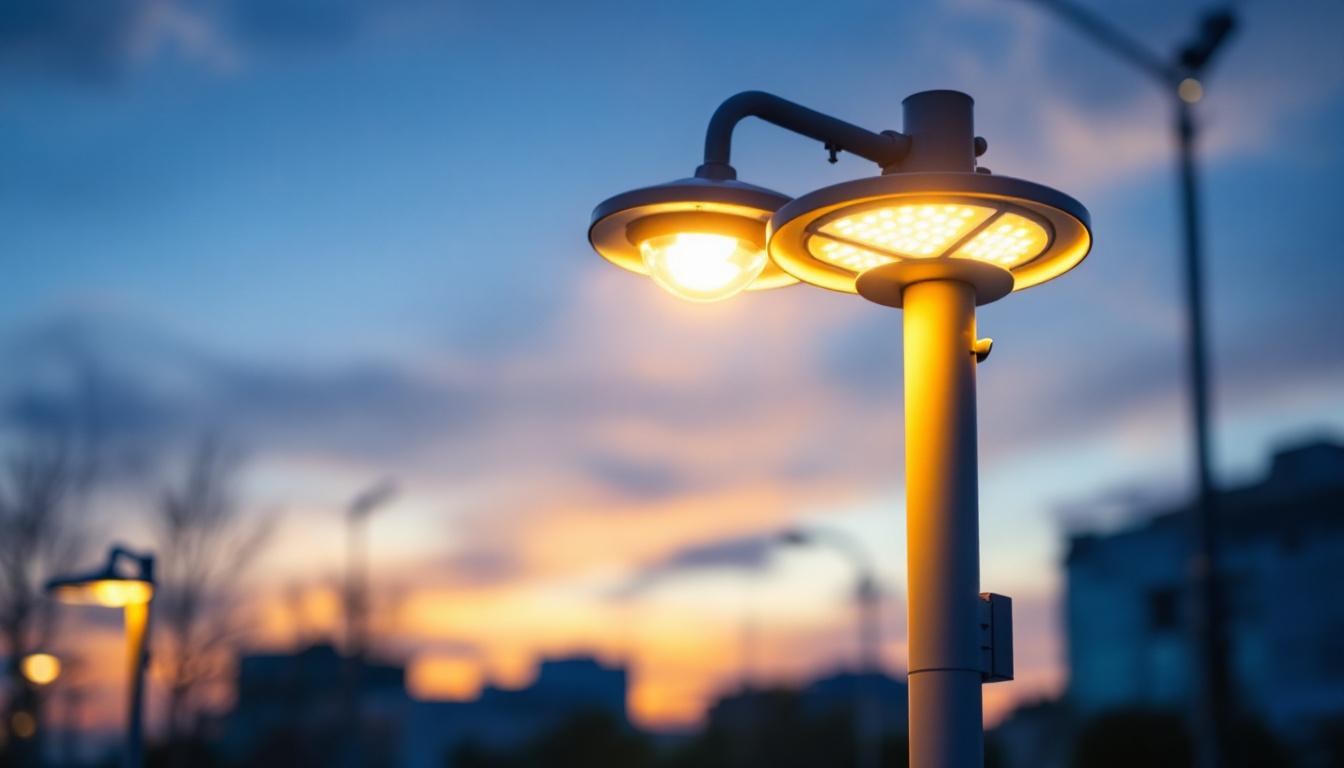
The shape of the cover directly influences how light is dispersed. Traditional dome-shaped covers tend to scatter light broadly, which may cause glare and light trespass into unwanted areas. Modern designs incorporate optics that direct light downward and minimize spillover.
For contractors, specifying covers with integrated lenses or prismatic patterns can improve uniformity and efficiency. These designs help achieve required illumination levels using lower wattage lamps, which translates into energy savings and reduced maintenance. Additionally, innovative cover designs can enhance the visual appeal of street lighting, integrating seamlessly with urban landscapes. Some manufacturers are even exploring smart technology integration, allowing for adaptive lighting that adjusts based on real-time conditions, further optimizing energy use and improving safety in public spaces.
Energy Savings Through Advanced Cover Technologies
Anti-Reflective and Self-Cleaning Coatings
Advanced coatings on street lamp covers can significantly improve energy efficiency. Anti-reflective coatings increase light transmission by reducing surface reflection, allowing more light to exit the fixture. This means less power is needed to achieve the same brightness. By optimizing the amount of light that escapes the fixture, municipalities can not only reduce energy consumption but also extend the lifespan of the lighting systems, as lower energy use translates to less heat generation and wear on components.
Self-cleaning coatings reduce the accumulation of dust, grime, and pollutants that degrade light output over time. In urban environments where dirt buildup is common, this technology ensures consistent performance without frequent cleaning, lowering maintenance costs and energy waste caused by dimmed lights. Additionally, these coatings often utilize photocatalytic properties, which can break down organic materials and pollutants upon exposure to sunlight, further enhancing their effectiveness. As cities strive to improve air quality, the use of self-cleaning surfaces can contribute to a cleaner urban environment by reducing the need for chemical cleaning agents that can be harmful to ecosystems.
Smart Covers for Adaptive Lighting
Emerging smart street lamp covers incorporate sensors and adaptive optics that adjust lighting based on real-time conditions. For example, covers embedded with light sensors can dim or brighten lamps depending on ambient light or pedestrian presence. This technology not only enhances energy efficiency but also improves the overall user experience by providing optimal lighting conditions tailored to the needs of the moment, such as brighter illumination during peak pedestrian traffic or softer lighting during late-night hours.
This dynamic control prevents unnecessary energy consumption during low-traffic periods while maintaining safety and visibility. Contractors working on smart city projects should consider integrating these covers to future-proof installations and maximize energy savings. Furthermore, the data collected from these smart systems can be invaluable for urban planners and city officials, providing insights into traffic patterns and pedestrian behavior that can inform future infrastructure decisions. By leveraging this data, cities can create more responsive and sustainable urban environments that adapt to the needs of their residents.
Installation and Maintenance Considerations
Proper Fit and Sealing
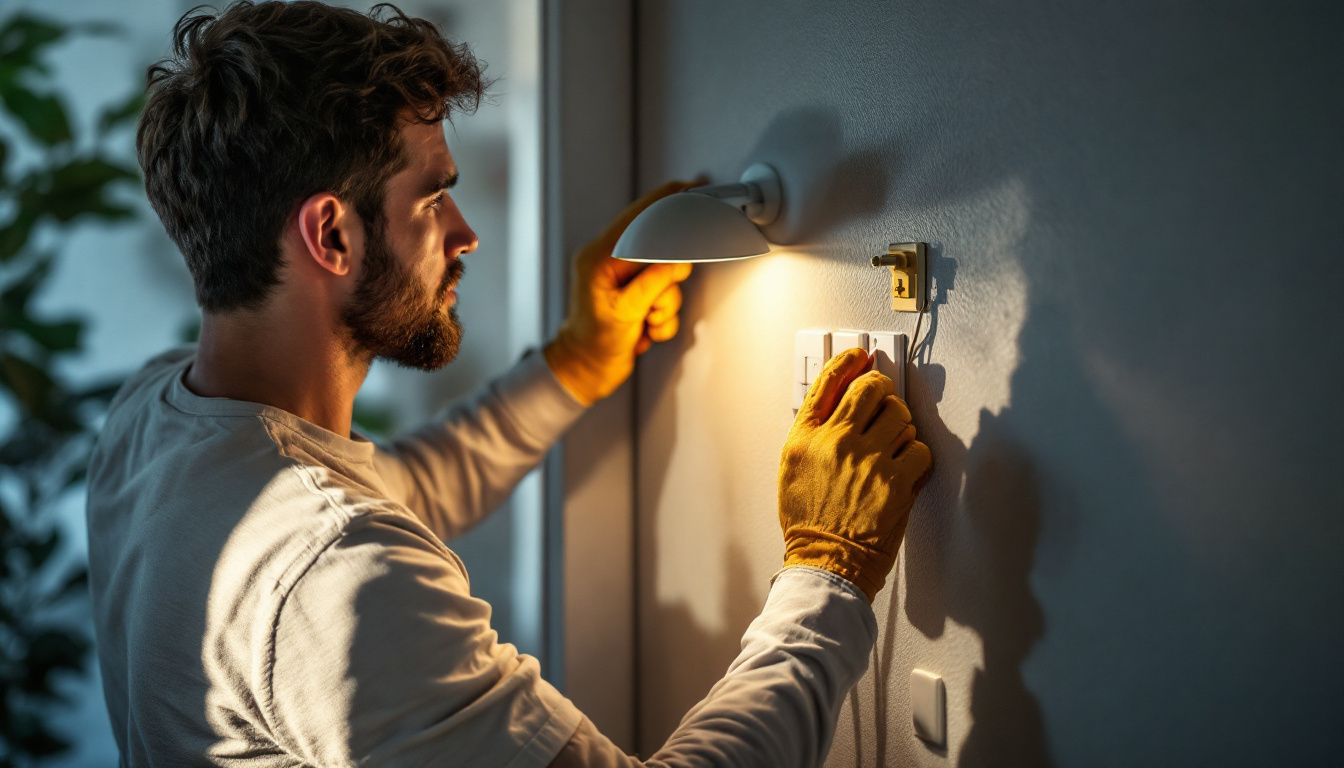
Even the best street lamp cover can underperform if not installed correctly. Gaps or loose fittings allow moisture and debris to enter the fixture, which can damage internal components and reduce efficiency. Ensuring a tight seal protects the lamp and maintains optimal light output.
Contractors should verify compatibility between covers and fixtures during installation and use manufacturer-recommended sealing materials. This attention to detail extends fixture life and preserves energy efficiency. Additionally, utilizing high-quality gaskets and seals can further enhance the durability of the installation, preventing issues caused by extreme weather conditions such as heavy rain or snow. It’s also advisable to conduct a thorough inspection of the fixture’s housing to ensure that no corrosion or wear has compromised the integrity of the installation, as this can lead to more significant problems down the line.
Routine Inspection and Replacement
Street lamp covers are exposed to harsh environmental conditions. Over time, they may crack, yellow, or become scratched. Regular inspections help identify covers that no longer meet performance standards.
Replacing degraded covers promptly restores light quality and energy efficiency. Contractors should educate clients on the importance of maintenance schedules and offer cost-effective replacement options to sustain long-term savings. Furthermore, implementing a proactive maintenance plan can significantly reduce the frequency of emergency repairs, which can be costly and disruptive. During inspections, it’s beneficial to check not only the covers but also the internal components such as bulbs and wiring, ensuring that everything functions harmoniously. This holistic approach to maintenance not only enhances the longevity of the street lighting system but also contributes to safer roadways by ensuring consistent illumination for drivers and pedestrians alike.
Case Studies: Real-World Energy Efficiency Gains
Urban Retrofit Project
A mid-sized city retrofitted its aging street lamps by switching to polycarbonate covers with prismatic lenses and anti-reflective coatings. The result was a 20% reduction in energy consumption due to improved light distribution and lower wattage requirements. Additionally, maintenance costs dropped by 15% thanks to the durability and self-cleaning properties of the new covers. This initiative not only enhanced the aesthetic appeal of the streets but also contributed to a safer urban environment, as the improved lighting visibility reduced crime rates in previously dimly lit areas. Community feedback highlighted a sense of pride in the city’s commitment to sustainability and modernization.
Smart Lighting Implementation
In a suburban neighborhood, smart street lamp covers with integrated sensors were installed. These covers allowed the lighting system to dim during late-night hours and brighten when motion was detected. Energy bills decreased by nearly 30%, and residents reported improved satisfaction with lighting quality and reduced glare. Furthermore, the smart lighting system was integrated with a mobile app, enabling residents to monitor energy usage and receive alerts about potential maintenance issues. This level of engagement fostered a community-driven approach to energy conservation, as residents became more aware of their energy consumption habits and participated in local discussions about further sustainability initiatives.
Choosing the Right Street Lamp Cover: Key Factors for Contractors
When selecting street lamp covers, contractors should evaluate several critical factors:
- Environmental Conditions: Consider exposure to UV light, pollution, and physical impacts.
- Compatibility: Ensure the cover fits the existing fixture and lamp type.
- Light Distribution Needs: Match cover design to the required illumination pattern.
- Maintenance Resources: Factor in cleaning and replacement frequency.
- Budget Constraints: Balance upfront costs with long-term energy and maintenance savings.
By carefully weighing these factors, contractors can recommend solutions that optimize energy efficiency and client satisfaction.
Conclusion: The Strategic Role of Street Lamp Covers
Street lamp covers are a critical yet often overlooked component in energy-efficient lighting systems. Their design, material, and technology directly affect light output, energy consumption, and maintenance demands. For contractors, mastering the nuances of street lamp covers unlocks opportunities to deliver superior lighting solutions that save energy and reduce costs.
Investing in the right covers, ensuring proper installation, and maintaining them diligently can transform street lighting projects. This approach not only benefits municipalities and property owners but also contributes to broader sustainability goals by minimizing energy waste and light pollution.
Illuminate Your Projects with LumenWholesale
Ready to enhance your street lighting projects with the most efficient covers on the market? Look no further than LumenWholesale, where we provide lighting contractors with the highest quality, spec-grade lighting products at unmatched wholesale prices. Our extensive selection is designed to meet your every need, ensuring energy efficiency and performance that stands the test of time. With free shipping on bulk orders, you can stock up on superior lighting solutions and enjoy the best value without any hidden costs. Elevate your lighting game and contribute to a sustainable future by choosing Wholesale Lighting at the Best Value with LumenWholesale.