Understanding the Stakes: Why Efficiency Matters in Stadium Lighting
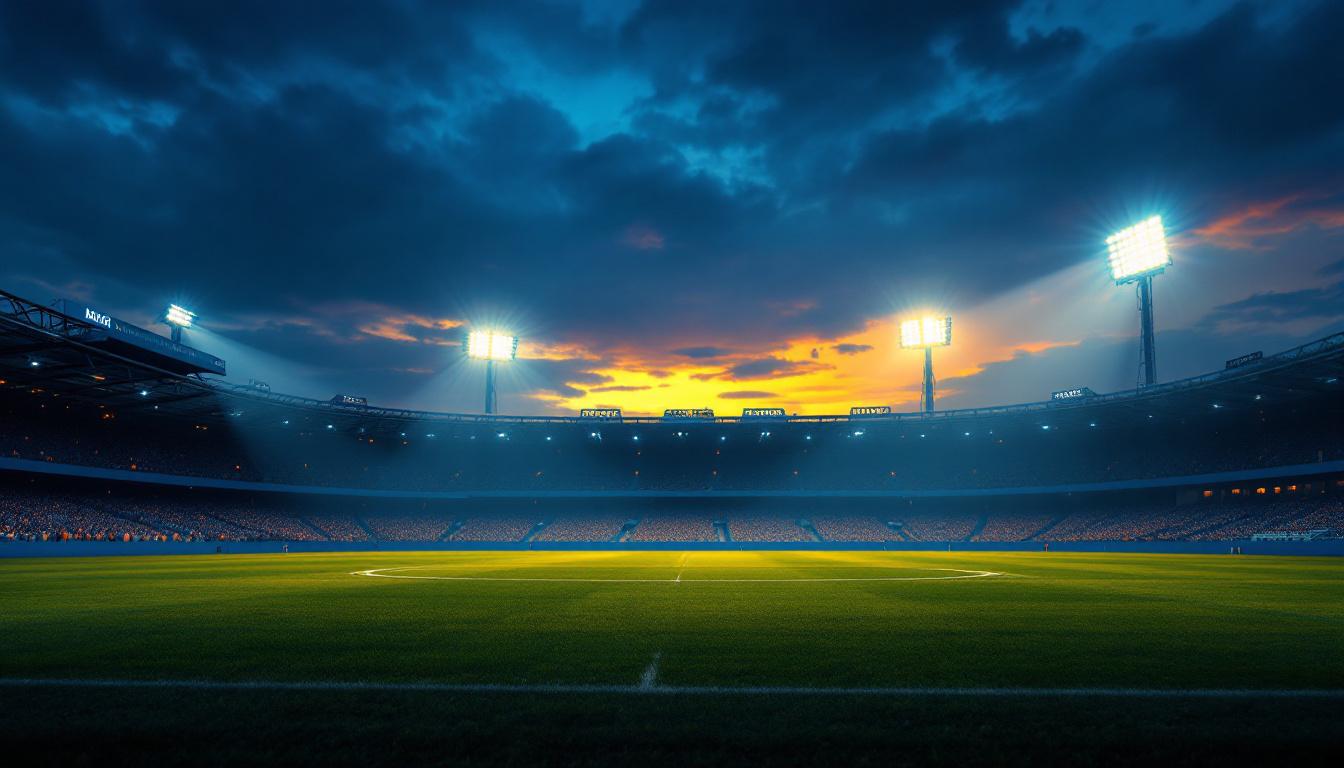
Stadium floodlighting isn’t just about illuminating a field; it’s about creating an environment where athletes perform at their best and audiences enjoy the spectacle without strain. For lighting contractors, optimizing floodlight efficiency is a challenge that blends technical precision with practical application. Efficient lighting reduces energy consumption, lowers costs, and extends equipment lifespan—all while maintaining the high-quality illumination that stadiums demand.
Energy consumption in stadiums is notoriously high. A single large stadium can consume hundreds of thousands of kilowatt-hours during an event. Inefficient lighting systems not only inflate operational costs but also contribute significantly to carbon emissions. For contractors, this means that every decision—from fixture selection to installation angle—impacts the overall efficiency and sustainability of the project.
Moreover, the advancements in LED technology have revolutionized stadium lighting, offering a more sustainable alternative to traditional halogen or metal halide fixtures. LEDs not only consume less power but also provide superior color rendering and uniformity, enhancing the visual experience for both players and spectators. This shift towards LED systems has prompted many stadiums to undergo retrofitting, a process that not only improves energy efficiency but also aligns with growing environmental regulations and public expectations for greener operations.
In addition to energy savings, the strategic design of lighting systems can significantly enhance the overall experience of sporting events. Properly designed lighting can minimize glare and shadows, which is crucial for athletes who rely on precise visibility to perform at their peak. Furthermore, well-lit stadiums can create a vibrant atmosphere that elevates the excitement for fans, encouraging higher attendance and engagement. As such, lighting contractors must consider not only the technical specifications but also the emotional and experiential aspects of lighting design, ensuring that every fixture contributes to the overall ambiance of the venue.
Choosing the Right Fixtures: LED vs. Traditional Lighting
LED Floodlights: The Clear Front-Runner
Light Emitting Diodes (LEDs) have revolutionized stadium lighting. Their energy efficiency surpasses traditional metal halide and high-pressure sodium lamps by a wide margin. LEDs consume up to 50-70% less energy while delivering superior brightness and color rendering. This translates to sharper visibility for players and spectators alike. The ability of LEDs to produce a more focused beam of light also means less light pollution, which is increasingly important in urban settings where excessive brightness can disturb local wildlife and residents.
Beyond energy savings, LEDs offer longer lifespans—often exceeding 50,000 hours—reducing maintenance frequency and costs. They also reach full brightness instantly, unlike metal halide lamps that require warm-up time. This feature is crucial for stadiums that host multiple events per day or require quick lighting changes. Additionally, many LED systems come equipped with smart technology, allowing for remote control and scheduling, which can further enhance operational efficiency and adaptability for various events.
When Traditional Lighting Still Has a Role
While LEDs dominate, some stadiums still rely on traditional lighting due to initial budget constraints or existing infrastructure. Metal halide lamps, for instance, provide excellent color rendering and are familiar to many contractors. However, their higher energy consumption and shorter lifespan make them less desirable for new installations or upgrades. In some cases, the warm, familiar glow of traditional lighting can evoke a sense of nostalgia, particularly in historic venues where maintaining the original aesthetic is a priority.
For contractors working with legacy systems, retrofitting existing fixtures with LED modules can be a cost-effective way to improve efficiency without a full overhaul. This hybrid approach balances upfront costs with performance gains. Furthermore, as technology advances, many traditional lighting systems can be enhanced with smart controls, allowing for dimming and color changes that were previously unattainable. This adaptability can breathe new life into older stadiums, enabling them to meet modern standards while preserving their unique character.
Designing the Lighting Layout: Precision Over Power
Beam Angles and Mounting Heights
Optimizing floodlight placement is as important as selecting the right fixtures. The goal is to achieve uniform illumination across the playing surface while minimizing light spill and glare. Beam angles must be carefully chosen to match the field dimensions and the mounting height of the fixtures.
Wide beam angles cover larger areas but can cause light to spill beyond the field, wasting energy and causing light pollution. Narrow beams focus light more precisely but require more fixtures to cover the entire field. Contractors must strike a balance, often using a combination of beam angles to tailor coverage. This strategic placement not only enhances visibility for players but also ensures that spectators enjoy a well-lit environment, enhancing their overall experience. Additionally, the choice of mounting heights plays a crucial role; higher fixtures can provide a broader spread of light but may create shadows if not positioned correctly. Therefore, understanding the dynamics of both beam angles and mounting heights is essential for achieving optimal lighting conditions.
Reducing Glare and Light Pollution
Glare can affect players’ performance and spectator comfort. It also poses challenges for broadcasters capturing the event. Using fixtures with precise optics and shields helps direct light exactly where it’s needed. Proper aiming and angling reduce upward light spill, which not only improves efficiency but also complies with increasingly strict environmental regulations. Furthermore, the implementation of adaptive lighting systems can dynamically adjust brightness levels according to the time of day or specific events, further mitigating glare and enhancing the viewing experience. This technology not only promotes energy efficiency but also aligns with sustainability goals, making it a forward-thinking choice for modern sports facilities.
Moreover, the integration of smart lighting controls allows for real-time adjustments and monitoring, enabling facility managers to respond to varying conditions, such as weather changes or different types of events. For instance, during a night game, the lighting can be ramped up to ensure visibility, while during practice sessions, it can be dialed down to conserve energy. This flexibility not only enhances the functionality of the lighting system but also contributes to a more environmentally friendly approach, reducing the overall carbon footprint of the facility. As communities become more aware of the impact of light pollution, these innovative solutions will play a pivotal role in creating responsible and efficient lighting designs.
Advanced Controls and Smart Technologies
Implementing Dimming and Zoning
Modern stadiums benefit greatly from lighting controls that allow dimming and zoning. Not every area of a stadium needs full illumination at all times. For example, during pre-game warm-ups or halftime, lighting levels can be reduced in certain zones to save energy without compromising safety or visibility. This zoning capability not only enhances the aesthetic experience for spectators but also allows for targeted lighting that can highlight specific areas, such as the field or performance stages, while keeping less critical areas dimmed.
Intelligent control systems enable contractors to program lighting schedules and adjust brightness remotely. This flexibility leads to significant energy savings over time and enhances the user experience by adapting lighting to different event requirements. Furthermore, advanced systems can be integrated with mobile applications, allowing event managers to make real-time adjustments based on crowd dynamics or unforeseen circumstances, ensuring that the atmosphere remains vibrant and engaging throughout the event.
Integration with Sensors and Automation
Motion sensors, ambient light sensors, and automated scheduling can further optimize floodlight operation. Sensors detect when areas are unoccupied or when natural light is sufficient, triggering automatic dimming or shutdown. Automation reduces human error and ensures that lighting is only used when necessary. This capability not only contributes to energy conservation but also extends the lifespan of the lighting fixtures, reducing maintenance costs and the frequency of replacements.
Moreover, the integration of smart technologies allows for a more responsive lighting system that can adapt to various environmental conditions. For instance, during events held in outdoor stadiums, weather-responsive sensors can adjust lighting levels based on the time of day or cloud cover, ensuring that visibility remains optimal regardless of changing conditions. This level of sophistication not only enhances the safety of athletes and spectators but also elevates the overall experience, making each event memorable and enjoyable.
Maintenance Strategies for Sustained Efficiency
Routine Cleaning and Inspection
Dust, dirt, and debris accumulation on floodlight lenses can reduce light output by up to 30%. Regular cleaning is essential to maintain optimal performance. Contractors should establish maintenance schedules that include lens cleaning, fixture inspection, and tightening of mounting hardware.
Inspection also helps identify early signs of wear or damage, preventing unexpected failures during critical events. A well-maintained system operates more efficiently and reliably.
Timely Replacement and Upgrades
Even the best fixtures degrade over time. LEDs experience lumen depreciation, meaning their brightness diminishes gradually. Monitoring light levels and planning replacements before performance drops below standards is key to maintaining efficiency.
Upgrading control systems and retrofitting with newer, more efficient LED modules can extend the life of existing installations and improve energy savings without the cost of complete replacement.
Case Study: Efficiency Gains in a Mid-Sized Stadium
A mid-sized stadium recently underwent a lighting upgrade, replacing metal halide floodlights with LED fixtures and implementing a zoned control system. The results were striking: energy consumption dropped by nearly 60%, and maintenance costs fell by 40% due to the longer lifespan of LEDs.
The new lighting system delivered uniform illumination with reduced glare, improving player visibility and broadcast quality. The control system allowed operators to tailor lighting levels to event types, optimizing energy use without compromising experience.
This example highlights how thoughtful design, fixture selection, and control integration can transform stadium lighting efficiency.
Final Thoughts: The Contractor’s Role in Efficient Stadium Lighting
Lighting contractors are at the forefront of delivering efficient, high-performance stadium lighting solutions. Success depends on understanding the interplay between fixture technology, layout design, control systems, and maintenance practices.
By prioritizing energy-efficient LEDs, precise optical design, smart controls, and proactive maintenance, contractors can help stadium operators reduce costs, enhance experience, and meet environmental standards. The result is a lighting system that shines bright-both on the field and in sustainability.
Illuminate Your Projects with LumenWholesale
Ready to elevate your stadium lighting projects with efficiency and style? LumenWholesale is your trusted partner, offering an extensive range of top-quality, spec-grade lighting products at unbeatable wholesale prices. Say goodbye to inflated markups and hello to superior lighting solutions that meet the highest industry standards. With free shipping on bulk orders, you can trust that you’re getting premium lighting at the best value — without any hidden fees. Don’t compromise on quality or cost. Visit LumenWholesale today and experience the perfect blend of quality, affordability, and convenience for all your lighting needs.