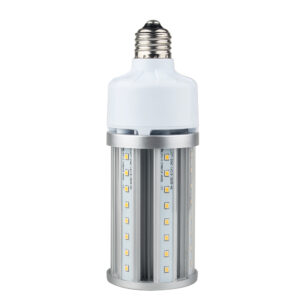
Introduction to Solar Post Top Lighting
Solar post top lighting represents a significant advancement in outdoor illumination, combining sustainable energy solutions with practical design. For lighting contractors, understanding the nuances of these fixtures is essential to meet the growing demand for eco-friendly and cost-effective lighting options.
Unlike traditional post top lights that rely on grid electricity, solar post top lights harness energy from the sun, storing it in batteries to provide illumination after dark. This technology not only reduces operational costs but also simplifies installation, especially in locations where extending electrical infrastructure is challenging or expensive.
Moreover, solar post top lights come equipped with advanced features such as motion sensors and adjustable brightness settings, allowing for enhanced functionality tailored to specific needs. These features not only improve energy efficiency by ensuring lights are only activated when necessary but also enhance safety in public spaces, deterring potential criminal activity through increased visibility. Additionally, many solar post top lights are designed with aesthetic appeal in mind, offering a variety of styles and finishes that can complement the architectural elements of parks, pathways, and commercial properties.
As the technology continues to evolve, manufacturers are increasingly integrating smart technology into solar post top lighting systems. This includes capabilities for remote monitoring and control via smartphone applications, enabling users to adjust settings and monitor energy consumption in real-time. Such innovations not only enhance user experience but also contribute to smarter urban planning initiatives, as municipalities can gather data on lighting usage patterns and optimize their energy strategies accordingly. With the ongoing push for sustainable practices in urban development, solar post top lighting is poised to become a cornerstone of modern outdoor lighting solutions.
Core Components and How Solar Post Top Lights Work
Solar Panels
The solar panel is the heart of the system, typically mounted atop the fixture to maximize sun exposure. These panels are usually made from monocrystalline or polycrystalline silicon, with monocrystalline offering higher efficiency and better performance in low-light conditions. For contractors, selecting the appropriate panel size and type is critical to ensure sufficient energy capture based on geographic location and expected sunlight hours. Furthermore, advancements in solar technology have led to the development of bifacial solar panels, which can capture sunlight from both sides, thereby increasing energy generation and efficiency. This innovation can be particularly beneficial in urban environments where reflections from buildings can enhance solar gain.
LED Lighting Modules
Most solar post top lights utilize LED technology due to its energy efficiency, long lifespan, and quality of light. LEDs consume significantly less power compared to traditional bulbs, enabling longer illumination periods on limited battery capacity. Understanding LED specifications such as lumens, color temperature, and beam angle helps contractors tailor lighting solutions to client needs. Additionally, the color rendering index (CRI) of LEDs is an important consideration, as it affects how colors appear under the light. A higher CRI value indicates more accurate color representation, which can be crucial in settings such as parks or outdoor dining areas where ambiance and aesthetics are key. Moreover, the integration of smart technology allows for remote control and scheduling of LED lights, providing users with greater flexibility and energy management capabilities.
Battery Storage
Energy storage is achieved through rechargeable batteries, commonly lithium-ion or sealed lead-acid types. Lithium-ion batteries are preferred for their higher energy density, longer cycle life, and lighter weight, although they come at a higher upfront cost. Proper battery sizing is essential to maintain consistent performance during cloudy days or extended periods without sunlight. Additionally, advancements in battery technology, such as the development of solid-state batteries, promise even greater safety and efficiency, potentially revolutionizing the energy storage landscape for solar applications. Contractors should also consider the environmental impact of battery disposal and recycling, as sustainable practices become increasingly important in the industry.
Controller and Sensors
A built-in controller manages charging and discharging cycles to optimize battery health and prevent overcharging. Additionally, integrated sensors such as photocells and motion detectors can enhance energy efficiency by activating the light only when needed or adjusting brightness based on ambient conditions. These smart sensors can also contribute to safety and security by ensuring that areas are well-lit when movement is detected, deterring potential intruders. Furthermore, some advanced systems are equipped with wireless connectivity, allowing for real-time monitoring and data analysis of energy usage and performance, which can be invaluable for maintenance and operational efficiency. This level of integration not only enhances the functionality of solar post top lights but also aligns with the growing trend towards smart city initiatives aimed at improving urban living through technology.
Advantages of Solar Post Top Lighting for Contractors and Clients
Cost Savings and Return on Investment
One of the most compelling benefits of solar post top lighting is the reduction in operational expenses. Since these systems operate independently of the electrical grid, clients can save on energy bills and avoid costly trenching or wiring. Although the initial investment may be higher than conventional fixtures, the total cost of ownership often proves favorable over time.
Ease of Installation and Maintenance
Solar post top lights are typically designed as all-in-one units, simplifying installation by eliminating the need for electrical connections. This reduces labor time and associated costs, making projects more efficient. Maintenance is generally minimal, focusing on periodic cleaning of solar panels and battery replacement after several years.
Environmental Impact and Sustainability
With increasing emphasis on green building practices and sustainability, solar lighting aligns with client goals to reduce carbon footprints. These fixtures contribute to renewable energy adoption and help meet regulatory requirements or certifications such as LEED. Contractors who offer solar solutions can differentiate themselves in a competitive market.
Design Considerations and Best Practices for Lighting Contractors
Site Assessment and Solar Access
Before specifying solar post top lights, a thorough site assessment is essential. Contractors must evaluate solar access, considering shading from trees, buildings, or other obstructions that could impede panel performance. Tools like solar pathfinders or mobile apps can assist in mapping sunlight exposure throughout the year.
Fixture Selection Based on Application
Different environments require tailored lighting solutions. For example, residential pathways may benefit from lower lumen outputs and warmer color temperatures to create inviting atmospheres, while commercial or municipal settings might demand higher brightness and durable materials to withstand vandalism or harsh weather.
Battery Capacity and Autonomy
Determining appropriate battery capacity involves calculating expected energy consumption and desired autonomy — the number of nights the light can operate without solar charging. Contractors should factor in seasonal variations and potential weather disruptions to avoid underperformance.
Integration with Smart Controls
Modern solar post top lights often feature smart controls enabling remote monitoring, dimming, and scheduling. These capabilities allow clients to optimize energy use and adapt lighting based on occupancy or time of day. Lighting contractors should familiarize themselves with compatible control systems to offer advanced solutions.
Common Challenges and Solutions in Solar Post Top Lighting Projects
Dealing with Shading and Reduced Solar Efficiency
Shading remains one of the primary challenges affecting solar lighting performance. In cases where complete sun exposure is impossible, contractors can consider panels with higher efficiency ratings or supplemental solar arrays. Alternatively, hybrid systems that combine solar with grid power can provide reliable illumination.
Battery Degradation and Replacement Planning
Batteries degrade over time, leading to reduced run times and eventual failure. Establishing a maintenance schedule that includes battery health checks and timely replacements ensures consistent performance. Educating clients on expected battery lifespan and costs helps set realistic expectations.
Vandalism and Weather Resistance
Outdoor lighting fixtures are susceptible to vandalism and environmental wear. Choosing fixtures with robust construction, tamper-resistant hardware, and appropriate ingress protection (IP) ratings enhances durability. Contractors should also consider warranty terms and manufacturer support when specifying products.
Case Studies: Successful Solar Post Top Lighting Installations
Urban Park Lighting Upgrade
A municipal park replaced aging grid-powered post top lights with solar alternatives, resulting in a 40% reduction in energy costs and improved public safety. The installation required minimal trenching, preserving landscaping and reducing project timelines. Integration with motion sensors further extended battery life.
Residential Community Pathway Illumination
A homeowners association opted for solar post top lights to illuminate walking paths without increasing utility expenses. The warm white LEDs provided comfortable ambiance, while the all-in-one design facilitated quick installation. Residents appreciated the environmental benefits and aesthetic appeal.
Commercial Campus Perimeter Lighting
A corporate campus implemented solar post top fixtures along its perimeter to enhance security lighting. The system included remote monitoring capabilities, allowing facility managers to track performance and schedule maintenance proactively. The project demonstrated how solar lighting can meet stringent commercial requirements.
Conclusion: Why Lighting Contractors Should Embrace Solar Post Top Lighting
Solar post top lighting offers a compelling combination of sustainability, cost-effectiveness, and design flexibility. For lighting contractors, mastering this technology opens new business opportunities and aligns with evolving client demands for green solutions. By understanding the technical components, installation best practices, and potential challenges, contractors can confidently specify and install solar post top lights that deliver reliable and attractive outdoor illumination.
As the industry continues to shift towards renewable energy, solar post top lighting stands out as a practical and forward-thinking choice. Contractors who invest in knowledge and skills related to these systems will be well-positioned to lead in the marketplace and contribute to a more sustainable future.
Illuminate Your Projects with LumenWholesale
Ready to lead the charge in sustainable outdoor lighting solutions? Partner with LumenWholesale to access a vast array of top-quality, spec-grade solar post top lights at unbeatable wholesale prices. Say goodbye to inflated markups and hello to superior products that meet the highest industry standards. With free shipping on bulk orders, you can equip your projects with premium, cost-effective lighting without any hidden fees. Elevate your lighting game and delight your clients with the perfect blend of quality, affordability, and convenience. Wholesale Lighting at the Best Value is just a click away. Join LumenWholesale today and shine a light on excellence.