Understanding the Shift from Fluorescent Tubes to LED Lighting
Lighting contractors are witnessing a transformative change in the industry as LED technology rapidly replaces traditional fluorescent tubes. This shift is not just a trend but a fundamental evolution driven by advancements in energy efficiency, longevity, and environmental considerations. Fluorescent tubes, once the standard for commercial and industrial lighting, are increasingly being phased out due to their limitations and the superior benefits offered by LEDs.
Fluorescent tubes rely on mercury vapor and phosphor coatings to produce light, which poses environmental and health challenges. Additionally, these tubes have a relatively short lifespan and consume more energy compared to LEDs. In contrast, LED lighting uses semiconductor technology to emit light, resulting in higher efficiency, longer service life, and reduced environmental impact. For lighting contractors, understanding these differences is crucial to advising clients and executing future-proof projects.
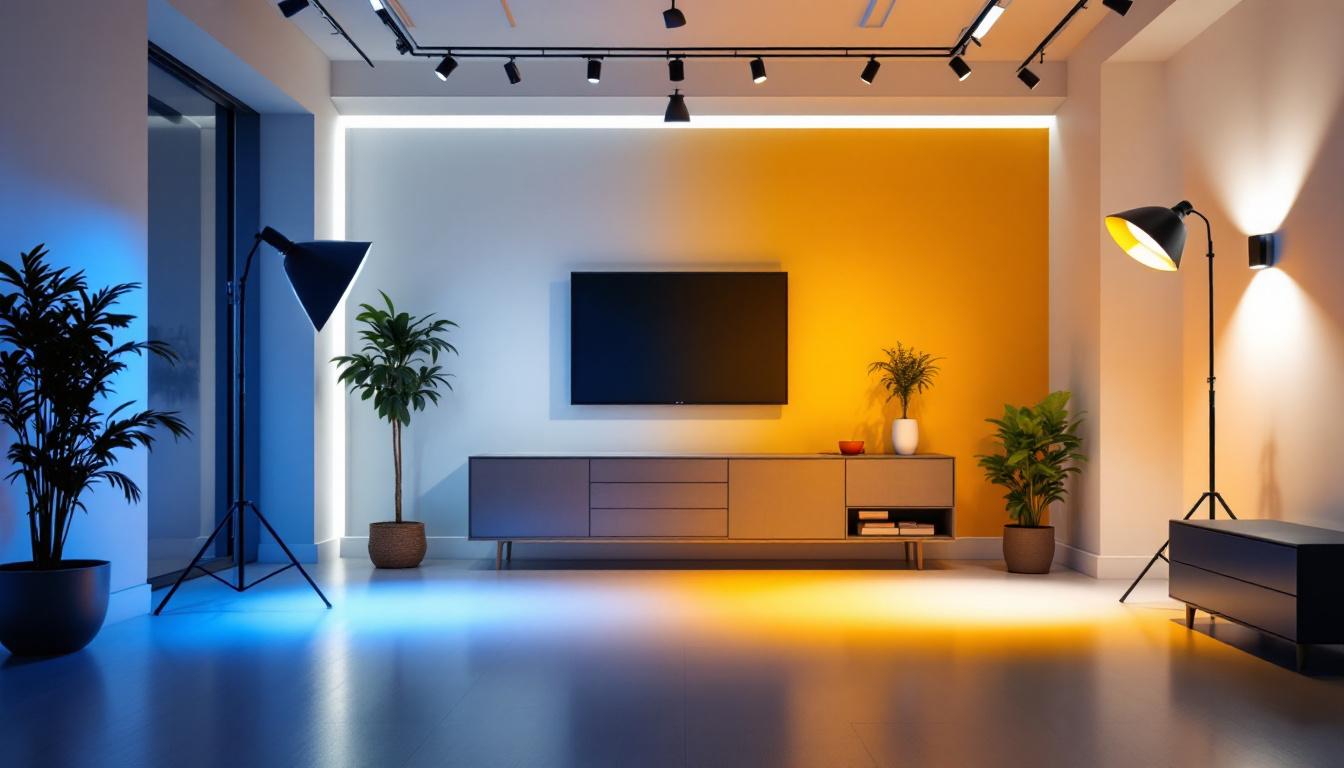
Moreover, the versatility of LED lighting is another compelling factor contributing to its rise. LEDs come in a variety of shapes, sizes, and color temperatures, allowing for customized lighting solutions that can enhance the aesthetic appeal of any space. Whether it’s for a retail environment that requires bright, vibrant lighting to attract customers or a cozy restaurant setting that benefits from warm, inviting tones, LEDs can easily adapt to meet specific design needs. This adaptability not only enhances the functionality of spaces but also contributes to energy savings, as contractors can tailor lighting designs to optimize performance and reduce waste.
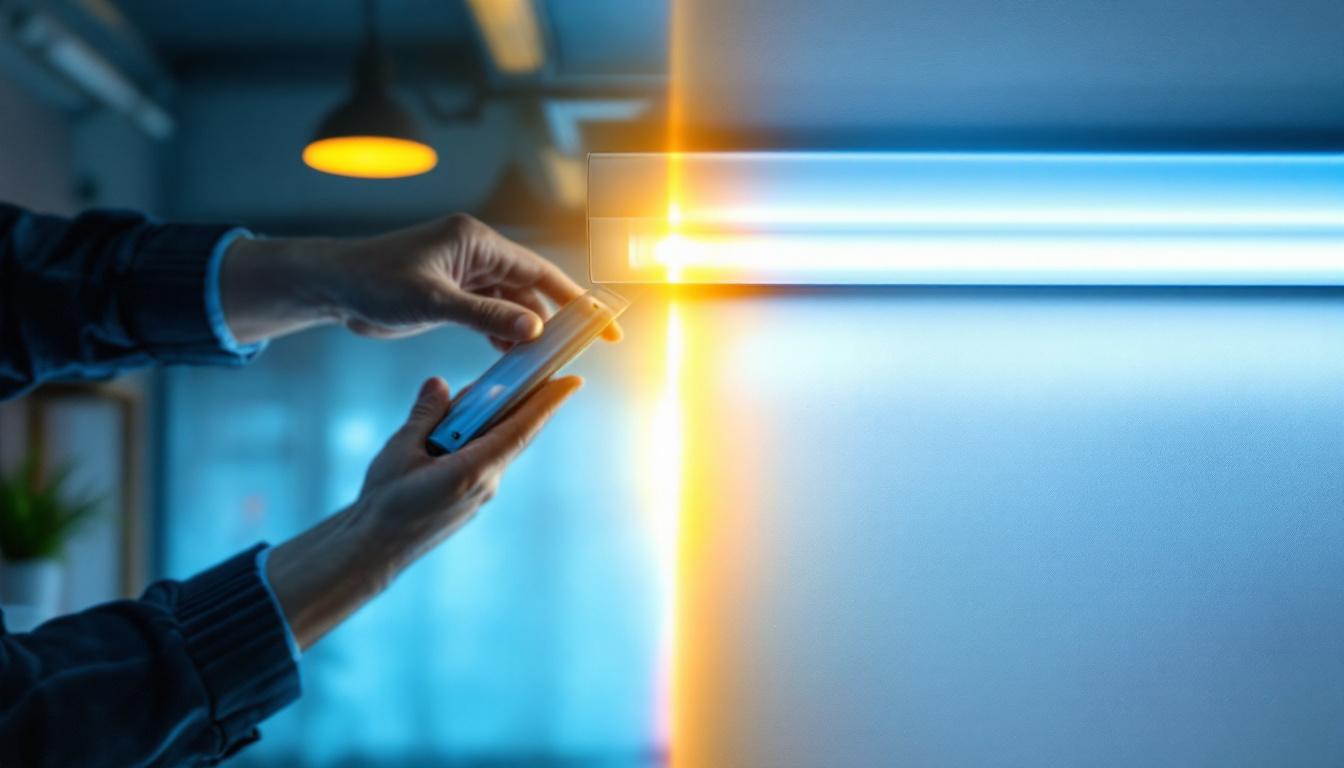
Furthermore, the advancements in smart technology have also played a significant role in the transition to LED lighting. Many LED systems now come equipped with smart features that allow for remote control, dimming, and integration with building management systems. This level of control enables businesses to monitor and adjust their lighting based on occupancy and natural light levels, further enhancing energy efficiency. As lighting contractors embrace these innovations, they are not only providing their clients with modern solutions but also paving the way for a more sustainable future in lighting design.
Key Benefits of Replacing Fluorescent Tubes with LEDs
Energy Efficiency and Cost Savings
One of the most compelling reasons to replace fluorescent tubes with LED lighting is the significant energy savings. LEDs consume up to 50-70% less energy than traditional fluorescent tubes, which translates directly into reduced electricity bills for clients. This efficiency is particularly impactful in large-scale commercial or industrial settings where lighting accounts for a substantial portion of energy consumption.
Moreover, LEDs have a higher luminous efficacy, meaning they produce more light per watt of electricity consumed. This efficiency allows contractors to deliver lighting solutions that meet or exceed existing illumination levels while lowering operational costs. Over the lifespan of an LED installation, the cumulative savings on energy can be substantial, making it an attractive proposition for budget-conscious clients. Additionally, many utility companies offer rebates and incentives for businesses that make the switch to energy-efficient lighting, further enhancing the financial benefits of transitioning to LED technology.
Extended Lifespan and Reduced Maintenance
Fluorescent tubes typically have a lifespan ranging from 7,000 to 15,000 hours, depending on usage and quality. LEDs, on the other hand, can last anywhere from 50,000 to 100,000 hours. This extended lifespan means fewer replacements and less maintenance, which is particularly advantageous in commercial environments where access to lighting fixtures can be challenging or costly.
For lighting contractors, this translates into fewer service calls and enhanced client satisfaction. The reduced need for replacements also minimizes downtime, ensuring that lighting systems remain operational and efficient. This reliability is a key selling point when proposing LED upgrades to clients. Furthermore, the durability of LEDs, which are less prone to breakage and damage compared to fragile fluorescent tubes, adds another layer of reliability, making them an ideal choice for high-traffic areas or installations in difficult-to-reach locations.
Improved Light Quality and Flexibility
LED technology offers superior light quality compared to fluorescent tubes. LEDs provide instant full brightness without flickering or warm-up time, which is often a complaint with fluorescent lighting. Additionally, LEDs offer better color rendering, enhancing the appearance of spaces and improving visual comfort for occupants.
Another advantage is the flexibility in design and control. LEDs can be dimmed easily and integrated with smart lighting controls, allowing for customized lighting environments that adapt to different needs and times of day. This adaptability is increasingly important in modern lighting projects, where energy management and occupant comfort are priorities. The ability to program lighting schedules and adjust brightness levels not only enhances the aesthetic appeal of a space but also contributes to energy conservation, allowing businesses to optimize their lighting usage based on occupancy and activity levels. As a result, the integration of LED lighting can lead to a more dynamic and responsive environment, catering to the diverse needs of modern workplaces and public spaces.
Technical Considerations When Replacing Fluorescent Tubes with LEDs
Compatibility and Retrofit Options
One of the first challenges lighting contractors face when replacing fluorescent tubes with LEDs is ensuring compatibility with existing fixtures. Fluorescent tubes require ballasts to regulate current, whereas many LED tubes are designed to operate without ballasts or with compatible electronic ballasts.
There are generally three retrofit options:
- Direct Replacement (Plug and Play): These LED tubes are compatible with existing ballasts, making installation straightforward. However, compatibility must be verified to avoid flickering or reduced lifespan.
- Ballast Bypass (Direct Wire): This involves removing or bypassing the ballast and wiring the LED tubes directly to the mains supply. While this requires more installation effort, it eliminates ballast maintenance and improves reliability.
- Hybrid Solutions: Some LED tubes can work with or without ballasts, offering flexibility during transition phases.
Contractors must evaluate the existing infrastructure and client preferences to select the most appropriate retrofit method. Proper assessment ensures safety, compliance with electrical codes, and optimal performance.
Electrical and Safety Compliance
Replacing fluorescent tubes with LEDs involves electrical modifications that must adhere to local regulations and safety standards. Lighting contractors should ensure that all installations comply with wiring regulations, including correct handling of ballasts and drivers.
Additionally, LEDs generate less heat than fluorescent tubes, but proper heat dissipation through fixture design remains critical to maintain longevity and performance. Contractors should verify that LED tubes are compatible with existing fixtures or recommend fixture upgrades when necessary.
Environmental and Disposal Considerations
Fluorescent tubes contain mercury, a hazardous substance that requires careful disposal to prevent environmental contamination. When replacing these tubes, contractors should coordinate proper recycling or disposal services to comply with environmental regulations.
LEDs, by contrast, do not contain mercury and are generally easier to recycle. This environmental advantage aligns with growing sustainability goals in commercial and industrial sectors, making LED upgrades a responsible choice for clients focused on green initiatives.
Strategies to Future-Proof Lighting Projects with LED Technology
Incorporating Smart Lighting Controls
Future-proofing lighting projects involves more than just swapping out tubes; it requires integrating technology that enhances efficiency and adaptability. Smart lighting controls, such as occupancy sensors, daylight harvesting, and programmable timers, optimize energy use and improve user experience.
LEDs are inherently compatible with these control systems due to their electronic drivers and dimming capabilities. Lighting contractors who design systems with smart controls position their clients to benefit from ongoing energy savings and operational flexibility.
Selecting Quality LED Products
Not all LED tubes are created equal. To ensure longevity and performance, contractors should select products from reputable manufacturers that meet recognized standards such as LM-80 for lumen maintenance and TM-21 for projected lifespan.
Quality LEDs maintain consistent light output, color temperature, and energy efficiency over time. Investing in high-quality components reduces the risk of premature failures and warranty claims, enhancing contractor reputation and client satisfaction.
Planning for Scalability and Upgrades
Lighting needs evolve with building usage and technological advancements. Future-proof projects anticipate these changes by incorporating modular designs and scalable systems. For example, installing LED fixtures with standardized connectors and compatible control interfaces facilitates easy upgrades and expansions.
Contractors should also educate clients on the benefits of phased upgrades, allowing for budget-friendly implementation while maintaining a pathway to fully modernized lighting systems.
Case Studies: Successful Fluorescent to LED Conversions
Commercial Office Building Retrofit
A mid-sized commercial office building replaced over 1,000 fluorescent tubes with LED equivalents using a ballast bypass retrofit approach. The project resulted in a 60% reduction in energy consumption and a 75% decrease in maintenance costs. Occupants reported improved lighting quality and comfort, contributing to enhanced productivity.
The contractor implemented smart controls that adjusted lighting based on occupancy and natural light availability, further optimizing energy use. The client’s return on investment was realized within two years, demonstrating the financial viability of LED upgrades.
Industrial Warehouse Lighting Upgrade
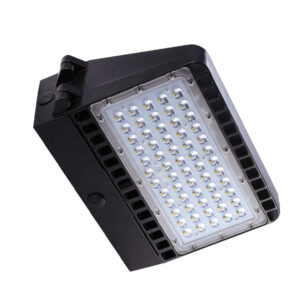
An industrial warehouse with high ceilings and extensive fluorescent lighting transitioned to LED high bay fixtures. This upgrade not only improved illumination uniformity but also reduced energy usage by more than half.
The LED fixtures’ durability and long lifespan minimized maintenance disruptions in a facility where downtime is costly. The contractor’s expertise in selecting appropriate LED solutions for challenging environments ensured a successful project that met both operational and safety requirements.
Conclusion: Embracing LED Technology for Sustainable Lighting Solutions
For lighting contractors, replacing fluorescent tubes with LED technology is a strategic move that aligns with industry trends and client demands for efficiency, sustainability, and quality. Understanding the technical nuances, benefits, and best practices ensures successful project execution and long-term client satisfaction.
By adopting LED lighting and integrating smart controls, contractors not only future-proof their projects but also contribute to broader environmental goals and cost savings. As LED technology continues to advance, staying informed and proactive will position contractors as leaders in the evolving lighting landscape.
Illuminate Your Projects with LumenWholesale
Ready to elevate your lighting projects and deliver unmatched value to your clients? Look no further than LumenWholesale for all your LED lighting needs. Our spec-grade products are designed to meet the highest industry standards, ensuring that your projects shine with reliability and performance. With unbeatable wholesale prices and the convenience of free shipping on bulk orders, you can confidently future-proof your lighting installations while enjoying significant cost savings. Don’t let middleman markups dim your potential—choose LumenWholesale for quality, affordability, and convenience. Take the first step towards brighter, more sustainable lighting solutions by visiting Wholesale Lighting at the Best Value today.