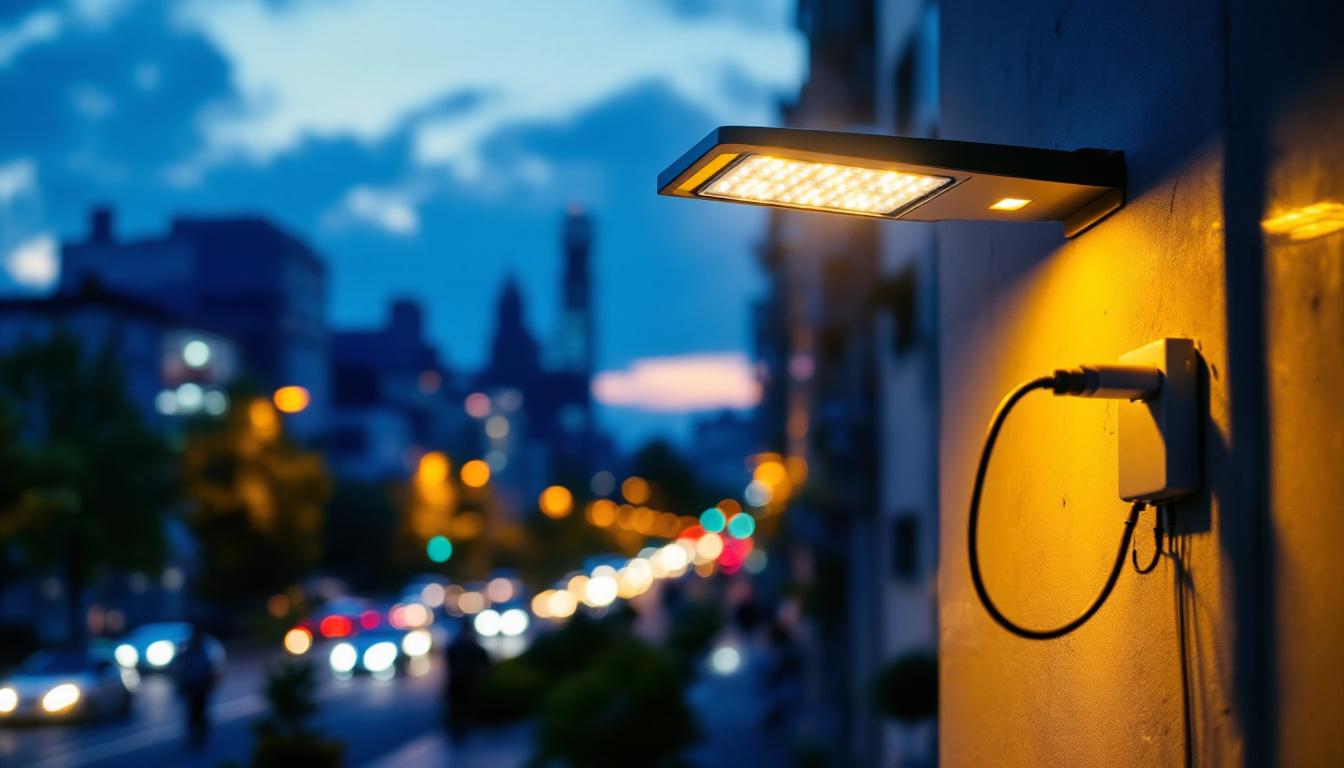
Introduction to Plug In Street Lamps
In the evolving landscape of urban infrastructure, plug in street lamps have emerged as a transformative solution for lighting contractors. Unlike traditional street lighting systems that require extensive wiring and complex installation processes, plug in street lamps offer a modular, efficient, and flexible alternative. These systems are designed to simplify installation and maintenance while providing high-quality illumination that meets modern standards.
For lighting contractors, understanding the latest trends and technological advancements in plug in street lamps is essential. Not only do these trends influence project outcomes, but they also impact cost efficiency, sustainability, and client satisfaction. This article explores the key trends every lighting contractor should know to stay competitive and deliver superior street lighting solutions.
One of the most significant advantages of plug in street lamps is their adaptability to various urban environments. These lamps can be easily relocated or upgraded, making them ideal for cities that are constantly evolving. For instance, as urban areas expand or undergo redevelopment, lighting contractors can quickly adjust the placement of these lamps to enhance visibility and safety without the need for extensive groundwork. This flexibility not only saves time and labor costs but also allows for a more responsive approach to urban planning and community needs.
Moreover, the integration of smart technology into plug in street lamps is revolutionizing how cities manage their lighting systems. Many modern plug in lamps come equipped with sensors that can detect ambient light levels and adjust brightness accordingly, which not only conserves energy but also extends the lifespan of the bulbs. Additionally, the ability to connect these lamps to a centralized control system enables real-time monitoring and maintenance alerts, ensuring that any issues are addressed promptly. This technological advancement not only enhances operational efficiency but also contributes to the overall sustainability goals of urban environments, aligning with the growing demand for greener infrastructure solutions.
The Rise of Modular and Plug-and-Play Designs
Streamlined Installation and Maintenance
One of the most significant trends in plug in street lamps is the shift toward modular, plug-and-play designs. These systems allow lighting components to be easily connected or replaced without specialized tools or extensive labor. For contractors, this means faster installation times and reduced downtime during maintenance.
Modular designs typically include pre-wired units that can be snapped or plugged into existing infrastructure. This approach minimizes the need for on-site electrical work, which can be both time-consuming and prone to errors. As a result, contractors can complete projects more quickly, reduce labor costs, and improve safety by limiting exposure to electrical hazards. Additionally, the ease of installation encourages more municipalities to adopt these systems, as they can implement upgrades without the need for extensive planning or budget overruns.
Flexibility and Scalability in Urban Lighting
Modular plug in street lamps also offer unparalleled flexibility. Cities and municipalities can scale their lighting systems up or down based on changing needs without a complete overhaul. For example, additional lamp units can be added to accommodate new roadways or pedestrian zones, or existing units can be upgraded with minimal disruption.
This scalability is particularly important in rapidly growing urban areas, where lighting demands evolve alongside infrastructure development. Lighting contractors who understand how to leverage modular plug in systems can position themselves as valuable partners in long-term urban planning projects. Furthermore, these systems can be integrated with smart city technologies, allowing for enhanced control over lighting conditions based on real-time data, such as pedestrian traffic or environmental changes. This integration not only improves energy efficiency but also contributes to the overall sustainability goals of modern cities.
Moreover, the aesthetic versatility of modular designs allows municipalities to choose from a variety of styles and finishes, ensuring that the street lamps complement the surrounding architecture and urban landscape. This attention to design can enhance the visual appeal of neighborhoods, making them more inviting and improving the overall quality of life for residents. As cities continue to prioritize sustainability and livability, the demand for adaptable and visually pleasing lighting solutions will only grow, solidifying the role of modular plug-in street lamps in future urban developments.
Integration with Smart Lighting Technologies
IoT and Sensor-Enabled Street Lamps
The integration of Internet of Things (IoT) technology into plug-in street lamps is revolutionizing how cities manage public lighting. Smart street lamps equipped with sensors and connectivity features enable real-time monitoring and control, leading to significant energy savings and enhanced public safety. These advanced systems can adjust their brightness based on the time of day or the presence of pedestrians and vehicles, ensuring optimal lighting conditions while minimizing energy consumption.
For lighting contractors, familiarity with IoT-enabled plug-in street lamps is increasingly important. These systems allow for remote dimming, adaptive lighting based on pedestrian or vehicle presence, and predictive maintenance alerts. Such capabilities reduce operational costs and extend the lifespan of lighting assets. Furthermore, the ability to integrate with other smart city technologies, such as traffic management systems and emergency response networks, creates a more cohesive urban environment, enhancing the overall quality of life for residents.
Data-Driven Urban Management
Beyond illumination, smart plug-in street lamps serve as data collection points that support broader urban management initiatives. They can monitor environmental conditions, traffic flow, and even air quality, providing valuable insights to city planners and emergency responders. This data can be harnessed to inform decisions about infrastructure improvements, public health initiatives, and environmental policies, ultimately leading to more sustainable urban development.
Contractors who can install and maintain these advanced systems contribute directly to the creation of smarter, safer cities. This expertise opens opportunities for collaboration with municipal governments and technology providers, expanding the scope of traditional lighting contracts. Additionally, the integration of smart street lamps into existing urban infrastructure can facilitate the development of smart grids, enhancing energy efficiency and reliability. As cities continue to evolve, the role of lighting contractors will be pivotal in shaping the future of urban landscapes, ensuring they are not only functional but also responsive to the needs of their communities.
Energy Efficiency and Sustainability
LED Advancements in Plug In Street Lamps
Energy efficiency remains a top priority in street lighting, and plug in street lamps are at the forefront of this trend. The widespread adoption of LED technology has dramatically reduced energy consumption compared to older lighting methods such as high-pressure sodium or metal halide lamps.
Modern plug in street lamps utilize high-performance LEDs that offer superior brightness, longer lifespans, and lower power requirements. Lighting contractors must stay updated on the latest LED innovations to recommend and install systems that maximize energy savings while meeting illumination standards.
Renewable Energy Integration
Another sustainability trend involves integrating renewable energy sources with plug in street lamps. Solar-powered plug in street lamps are gaining traction, particularly in areas where grid access is limited or where municipalities aim to reduce carbon footprints.
These systems typically combine solar panels, batteries, and LED lamps into a compact, plug-and-play unit. For contractors, this means new opportunities in off-grid lighting projects and environmentally conscious urban developments. Understanding the technical requirements and installation best practices for solar plug in street lamps is essential for capitalizing on this growing market.
Enhanced Safety and Compliance Standards
Adherence to Updated Lighting Regulations
Street lighting regulations continue to evolve, focusing on safety, light pollution reduction, and energy conservation. Plug in street lamps must comply with these updated standards, including requirements for light intensity, color temperature, and shielding to minimize glare and skyglow.
Lighting contractors need to stay informed about local and national codes to ensure that their installations meet all legal requirements. Non-compliance can lead to costly rework, fines, or legal liabilities, making regulatory knowledge a critical component of professional practice.
Improved Safety Features in Plug In Systems
Modern plug in street lamps incorporate safety features such as surge protection, waterproof connectors, and tamper-resistant designs. These enhancements protect both the electrical components and the public, reducing the risk of accidents and system failures.
Contractors who prioritize these safety features not only safeguard their projects but also build trust with clients and communities. Offering lighting solutions that exceed minimum safety standards can differentiate a contractor in a competitive market.
Cost-Effectiveness and Lifecycle Management
Reducing Total Cost of Ownership
While the initial cost of plug in street lamps may be higher than traditional fixtures, their total cost of ownership (TCO) is often significantly lower. Factors such as reduced installation labor, lower energy consumption, and extended maintenance intervals contribute to long-term savings.
Lighting contractors who can articulate the TCO benefits to clients add value beyond the upfront price. This approach helps secure contracts and fosters long-term relationships based on trust and performance.
Lifecycle Planning and Upgradability
Effective lifecycle management is another trend shaping the plug in street lamp market. Modular designs facilitate easy upgrades, allowing cities to adopt new technologies without replacing entire systems. This adaptability extends the useful life of lighting infrastructure and aligns with sustainable procurement practices.
Contractors who incorporate lifecycle planning into their proposals demonstrate foresight and professionalism. Offering maintenance contracts and upgrade pathways can create recurring revenue streams and deepen client engagement.
Conclusion: Embracing the Future of Street Lighting
Plug in street lamps represent a significant advancement in urban lighting technology, combining ease of installation, smart capabilities, energy efficiency, and compliance with evolving standards. For lighting contractors, staying abreast of these trends is crucial to delivering innovative, cost-effective, and sustainable solutions.
By embracing modular designs, integrating smart technologies, prioritizing energy efficiency, and adhering to safety regulations, contractors can position themselves as leaders in the street lighting industry. These trends not only improve project outcomes but also contribute to the development of smarter, safer, and more sustainable urban environments.
As cities continue to invest in modern infrastructure, the demand for knowledgeable and adaptable lighting contractors will only grow. Understanding and applying the latest trends in plug in street lamps ensures that contractors remain competitive and capable of meeting the challenges of tomorrow’s urban lighting needs.
Get Your Cutting-Edge Plug In Street Lamps at LumenWholesale
Ready to lead the charge in the future of street lighting? At LumenWholesale, we provide lighting contractors with the highest quality, spec-grade plug in street lamps that embody all the trends discussed above. Our extensive selection is available at unbeatable wholesale prices, ensuring you get the most cost-effective, energy-efficient, and smart lighting solutions for your projects. Say goodbye to middleman markups and hello to hassle-free bulk buying with free shipping. Elevate your lighting game with the perfect blend of quality, affordability, and convenience. Wholesale Lighting at the Best Value is just a click away. Don’t miss out on equipping your urban projects with the best in the market.