Why Solar Lighting Is More Than Just a Trend
Solar lighting has moved beyond the realm of novelty and into the mainstream of outdoor and commercial lighting solutions. For contractors, this shift presents both an opportunity and a challenge: how to select and install systems that not only meet current demands but also stand the test of time. With energy costs rising and sustainability becoming a priority for clients, solar lighting offers a compelling alternative to traditional grid-dependent options.
However, not all solar lighting systems are created equal. A poorly designed or installed system can lead to frequent maintenance, reduced efficiency, or outright failure. Future-proofing your lighting projects means understanding the technology, anticipating changes in regulations and client expectations, and choosing solutions that deliver long-term value.
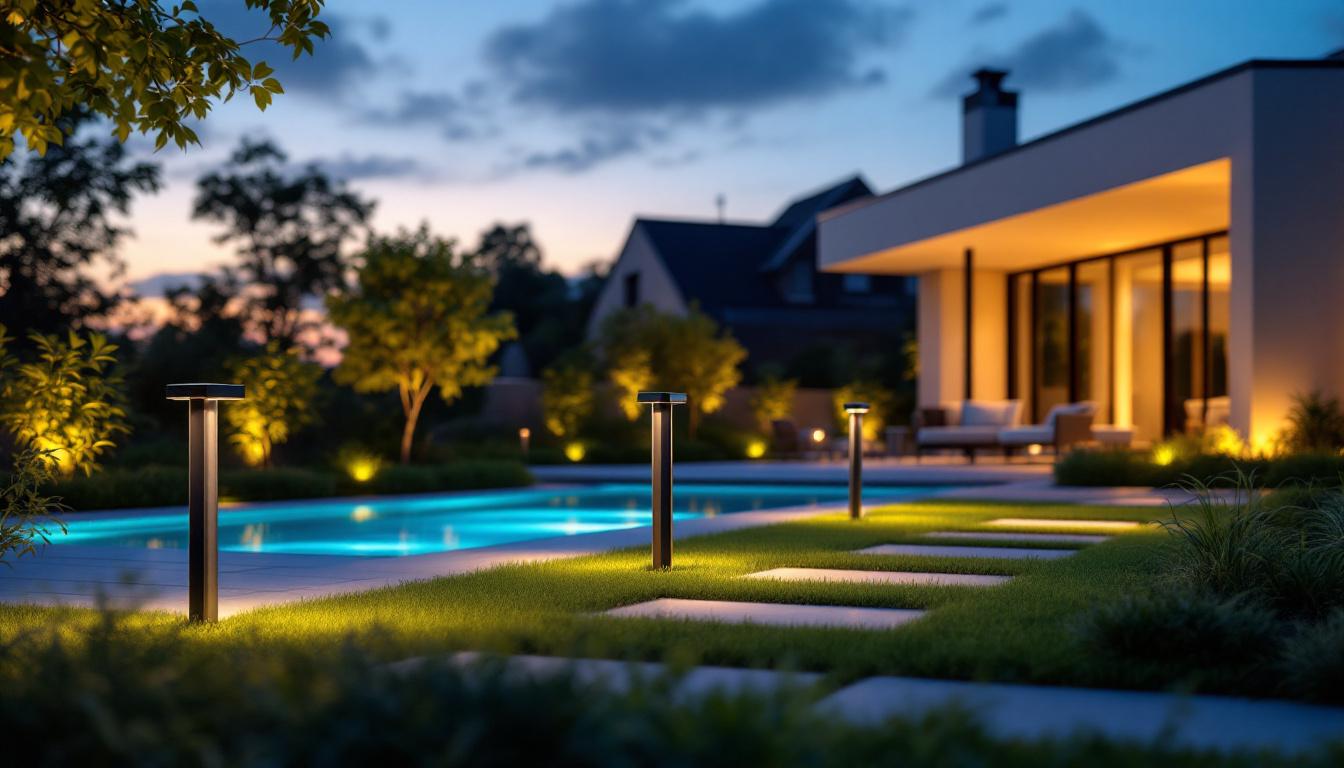
One of the most significant advantages of solar lighting is its adaptability to various environments and applications. From illuminating pathways in residential areas to enhancing security in commercial properties, solar lights can be tailored to fit specific needs. Many modern solar lighting systems come equipped with smart technology, allowing for features such as motion sensors and remote control, which not only improve energy efficiency but also provide added convenience for users. This versatility makes solar lighting an attractive option for diverse projects, catering to both aesthetic preferences and functional requirements.
Moreover, the advancements in solar technology have led to improved efficiency and longevity of solar panels and batteries. With innovations such as bifacial solar panels that capture sunlight from both sides and lithium-ion batteries that offer longer storage capacity, the performance of solar lighting systems has reached new heights. These improvements not only enhance the reliability of solar lighting but also contribute to a reduction in the overall carbon footprint of lighting solutions. As clients become more environmentally conscious, the demand for high-quality solar lighting systems is likely to increase, making it essential for contractors to stay informed about the latest developments in this rapidly evolving field.
Key Components of Reliable Solar Lighting Systems
High-Efficiency Solar Panels
At the heart of every solar lighting system is the solar panel. Efficiency matters because it determines how much sunlight is converted into usable electrical energy. Panels with higher efficiency ratings can generate more power from the same amount of sunlight, which is critical for locations with limited sun exposure or for installations requiring higher light output.
Look for panels made from monocrystalline silicon, which generally offer the best efficiency and durability. Also, consider the panel’s temperature coefficient—a lower coefficient means the panel performs better in hot conditions, a common challenge in many outdoor environments. Additionally, the angle and orientation of the solar panels can significantly impact their performance. Proper installation that maximizes sun exposure throughout the day can lead to substantial gains in energy production, making it essential for installers to assess the site conditions carefully.
Long-Lasting Batteries
Energy storage is the linchpin of solar lighting. Lithium-ion batteries have become the preferred choice due to their superior energy density, longer lifespan, and better performance in varying temperatures compared to traditional lead-acid batteries. Selecting batteries with a high cycle life ensures the system can operate reliably for many years without frequent replacements.
Battery management systems (BMS) are equally important. They protect the battery from overcharging, deep discharging, and temperature extremes, all of which can degrade performance and shorten lifespan. Moreover, advancements in battery technology are leading to innovations such as solar batteries that can be charged during the day and used to power homes or devices at night. This dual functionality not only enhances the utility of solar lighting systems but also contributes to energy independence and sustainability.
Smart Controllers and Sensors
Modern solar lighting systems often incorporate intelligent controllers that optimize energy usage based on environmental conditions and usage patterns. Motion sensors, ambient light sensors, and programmable timers help extend battery life by ensuring lights operate only when needed.
For contractors, integrating smart controls not only improves system efficiency but also adds value for clients seeking advanced features like remote monitoring and adaptive lighting schedules. These smart systems can be connected to mobile apps, allowing users to adjust settings, receive alerts, and monitor energy consumption in real-time. Furthermore, as smart city initiatives gain traction, the integration of solar lighting with broader urban infrastructure becomes increasingly relevant, paving the way for more sustainable and interconnected urban environments.
Design Considerations for Future-Proofing
Scalability and Modularity
Projects rarely remain static. Clients may want to expand lighting coverage or upgrade components as technology evolves. Designing systems with modular components allows for easy upgrades and expansions without a complete overhaul. For example, using standardized mounting brackets and connectors can simplify future additions.
Scalability also means anticipating power needs. Oversizing the solar array or battery bank slightly can accommodate future increases in lighting demand or additional features such as security cameras or emergency lighting.
Site Assessment and Environmental Factors
Every location has unique challenges. Shading from trees or buildings, local weather patterns, and seasonal variations in sunlight all impact solar performance. Conducting thorough site assessments using tools like solar pathfinders or light meters helps ensure optimal panel placement and system sizing.
Environmental durability is another consideration. Components should be rated for the local climate, including resistance to corrosion, UV exposure, and extreme temperatures. Choosing equipment with robust ingress protection (IP) ratings guards against dust and water damage.
Compliance and Future Regulations
Regulatory landscapes around energy and lighting are evolving rapidly. Staying informed about local codes, energy efficiency standards, and incentives can prevent costly retrofits and ensure projects qualify for rebates or tax credits. For instance, some jurisdictions are moving toward mandatory use of smart lighting controls or minimum energy performance standards.
Contractors should also consider the growing emphasis on sustainability reporting. Solar lighting projects that can demonstrate measurable reductions in carbon footprint or energy consumption will appeal to environmentally conscious clients and public agencies.
Installation Best Practices for Longevity and Performance
Proper Mounting and Orientation
Correct panel orientation and tilt angle maximize solar energy capture. Panels should generally face true south in the northern hemisphere (true north in the southern hemisphere) and be tilted at an angle close to the site’s latitude. Adjustments may be necessary to account for seasonal sun paths or shading.
Secure mounting is critical to withstand wind loads and prevent damage. Using corrosion-resistant hardware and ensuring tight, stable connections will reduce maintenance needs and extend system life.
Wiring and Electrical Connections
Quality wiring and connectors designed for outdoor use reduce the risk of shorts, corrosion, and voltage drops. Waterproof connectors and conduit protect against moisture ingress, a common cause of system failures.
Proper cable sizing is essential to minimize power loss, especially in larger systems. Contractors should follow manufacturer guidelines and industry best practices to ensure safe and efficient electrical installations.
Commissioning and Testing
Thorough testing after installation verifies system functionality and identifies any issues early. This includes checking panel output under sunlight, battery voltage and capacity, controller settings, and sensor operation.
Documenting test results and providing clients with operation manuals and maintenance schedules helps ensure the system performs as intended over its lifespan.
Maintenance Strategies That Save Time and Money
Routine Inspections
Regular inspections are essential to catch problems before they escalate. This includes cleaning solar panels to remove dust and debris, checking battery health, inspecting wiring and connectors, and verifying sensor functionality.
Scheduling inspections seasonally or biannually aligns well with natural maintenance cycles and helps maintain optimal performance.
Remote Monitoring and Diagnostics
Advances in IoT technology allow contractors to offer remote monitoring services, providing real-time data on system performance. Alerts for low battery voltage, sensor faults, or panel shading enable proactive maintenance and reduce costly downtime.
Clients appreciate the transparency and reliability that come with remote diagnostics, which can differentiate your services in a competitive market.
Component Replacement and Upgrades
Even the best components have finite lifespans. Planning for timely battery replacements and potential controller upgrades keeps systems running efficiently. Using modular designs simplifies these tasks and reduces labor costs.
Offering upgrade options, such as adding smart controls or increasing battery capacity, can generate additional revenue and enhance client satisfaction.
Choosing the Right Partners and Products
Partnering with reputable manufacturers and suppliers is crucial. Look for companies with proven track records, comprehensive warranties, and strong technical support. Reliable supply chains ensure you can source replacement parts quickly and maintain project schedules.
Training and certification programs offered by manufacturers can boost your team’s expertise and credibility. Staying current with product innovations and industry standards positions your business as a leader in solar lighting solutions.
Case Studies: Successful Future-Proofed Projects
Municipal Park Lighting Upgrade
A city park replaced outdated grid-powered lighting with a solar system designed for scalability and smart control integration. The project included oversized solar panels and batteries to accommodate future expansion and incorporated motion sensors to reduce energy use during low-traffic hours. Remote monitoring enabled the city to track performance and schedule maintenance efficiently, resulting in a 40% reduction in energy costs and increased public satisfaction.
Commercial Campus Security Lighting
A commercial campus installed solar lighting with modular fixtures and lithium-ion batteries rated for extreme temperatures. The system was designed to integrate with existing security infrastructure and included programmable controllers for adaptive lighting schedules. The modular approach allowed the client to add more lights as the campus expanded without replacing the entire system.
Final Thoughts: Building Lighting Projects That Last
Future-proofing solar lighting projects requires a blend of technical knowledge, strategic planning, and attention to detail. By selecting high-quality components, designing for flexibility, adhering to best installation practices, and committing to proactive maintenance, contractors can deliver systems that meet client needs today and adapt to tomorrow’s challenges.
Solar lighting is an investment-one that pays dividends through energy savings, reduced maintenance, and enhanced sustainability. Contractors who master the art of future-proofing will not only satisfy clients but also build a reputation for reliability and innovation in a rapidly growing market.
Illuminate Your Projects with LumenWholesale
Ready to elevate your solar lighting projects with the assurance of quality and cost-efficiency? At LumenWholesale, we specialize in providing contractors with spec-grade lighting solutions that promise durability and high performance. Say goodbye to inflated markups and hello to superior products at wholesale prices. Our commitment to excellence ensures that you can future-proof your lighting installations with confidence. Plus, with free shipping on bulk orders, you can trust that you’re getting the best value without any hidden costs. Don’t compromise on quality or affordability—choose LumenWholesale for your next project. Wholesale Lighting at the Best Value is just a click away.