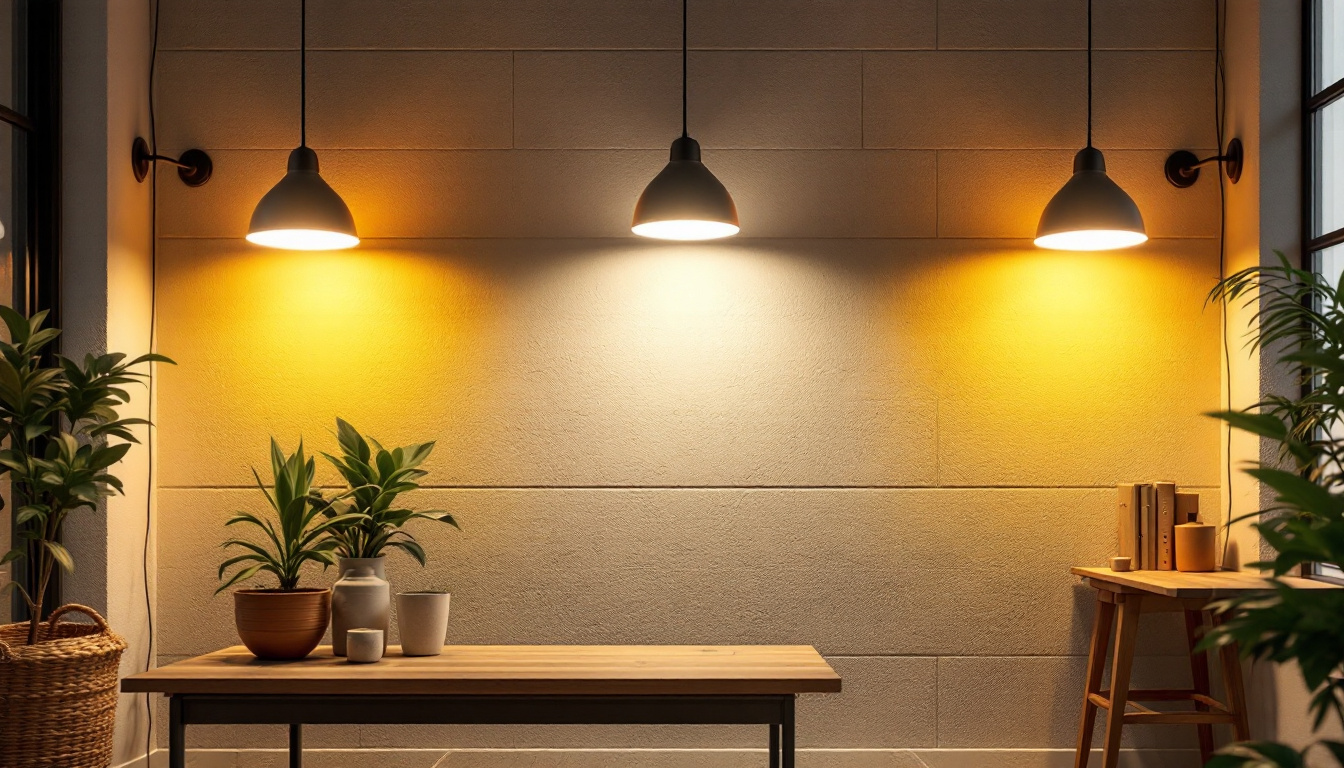
Introduction to Over The Stove Lighting
Over the stove lighting fixtures play a crucial role in kitchen design and functionality. For lighting contractors, understanding the nuances of these fixtures is essential not only for ensuring optimal illumination but also for enhancing safety and compliance with building codes. The kitchen is often the heart of a home, and the area above the stove requires special attention due to the combination of cooking activities, heat, and moisture.
Proper lighting over the stove improves visibility for cooking tasks, reduces eye strain, and can even contribute to the overall ambiance of the kitchen. This guide delves into the types of lighting fixtures suitable for over the stove installation, key considerations for contractors, and best practices to ensure both performance and safety.
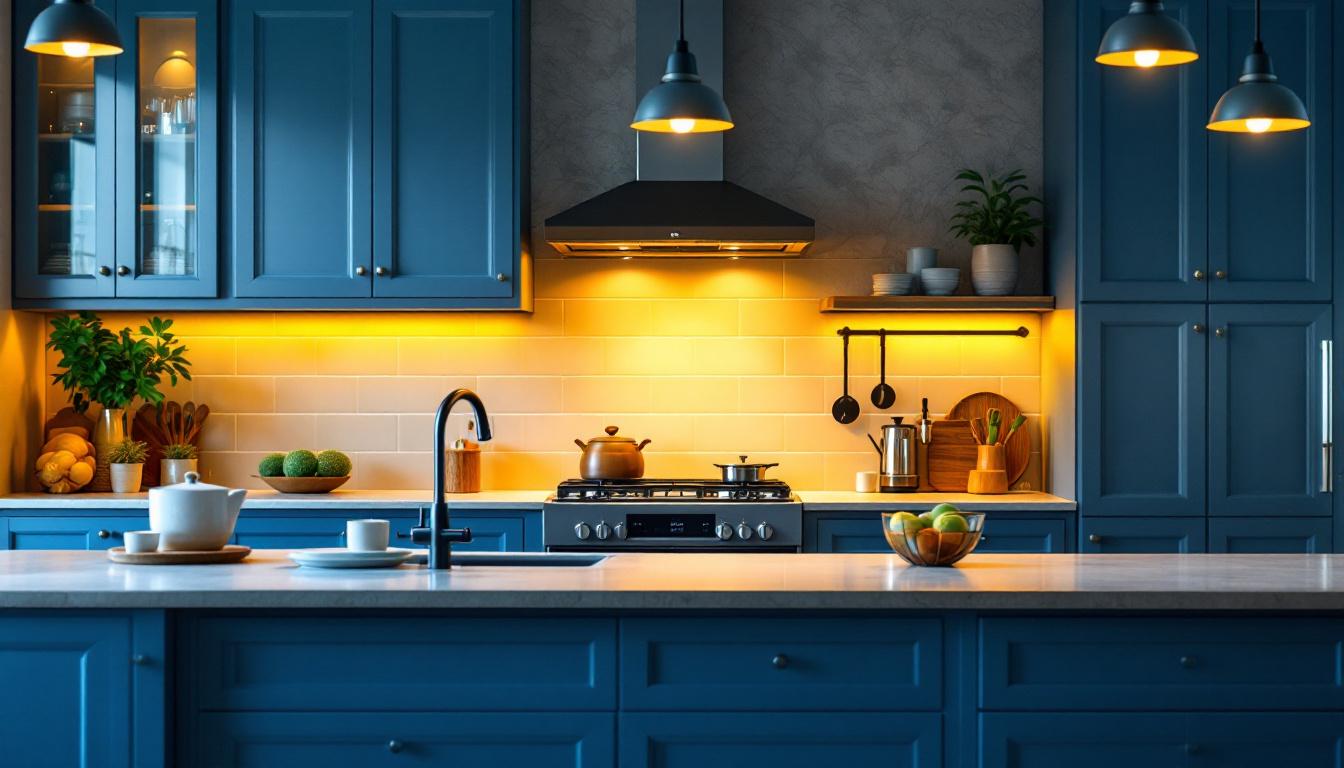
When selecting lighting fixtures for over the stove, it’s important to consider the different types available, such as recessed lights, pendant lights, and under-cabinet lighting. Recessed lights offer a sleek, unobtrusive look, while pendant lights can serve as a stylish focal point that enhances the kitchen’s aesthetic. Under-cabinet lighting, often overlooked, can provide essential task lighting that illuminates the stove area effectively. Each type has its advantages and can be tailored to fit various kitchen layouts and personal preferences.
Moreover, the choice of bulbs is equally significant. LED bulbs are becoming increasingly popular due to their energy efficiency and long lifespan. They provide bright, clear light that can mimic natural daylight, which is particularly beneficial for intricate cooking tasks. Additionally, dimmable options allow for flexibility in lighting, enabling homeowners to create a warm, inviting atmosphere during gatherings or family meals. As contractors, understanding these options empowers you to offer tailored solutions that meet the specific needs of your clients, ensuring their kitchens are both functional and visually appealing.
Types of Over The Stove Lighting Fixtures
Range Hoods with Integrated Lighting
One of the most common solutions for lighting over the stove is the range hood with built-in lighting. These fixtures serve dual purposes: ventilating smoke, steam, and odors while providing direct illumination on the cooking surface. The lighting component typically uses LED or halogen bulbs, offering bright, focused light that enhances cooking precision.
Lighting contractors should be aware of the wattage limits and bulb types recommended by the manufacturer to avoid overheating and ensure longevity. Additionally, integrating lighting within the range hood helps maintain a clean, streamlined look in the kitchen. Many modern range hoods also come with features such as adjustable brightness levels and color temperature settings, allowing homeowners to customize the ambiance of their cooking space. This versatility not only enhances functionality but can also elevate the overall design aesthetic of the kitchen.
Under-Cabinet Lighting
When a range hood is not present or when additional lighting is desired, under-cabinet lighting installed on the bottom of cabinets above the stove can be an effective option. LED strip lights or puck lights are popular choices, providing even illumination without shadows. These fixtures are energy-efficient and can be dimmable, giving homeowners control over brightness levels.
Contractors need to consider heat resistance and moisture protection when selecting fixtures for this area, as the stove environment can be harsh. Ensuring proper wiring and adherence to electrical codes is paramount to prevent hazards. Moreover, under-cabinet lighting can also serve a decorative purpose, highlighting backsplash tiles or decorative elements in the kitchen. By choosing fixtures with a warm color temperature, homeowners can create a cozy atmosphere that invites family and friends to gather around the cooking area.
Recessed Lighting
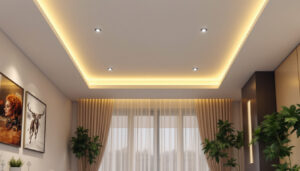
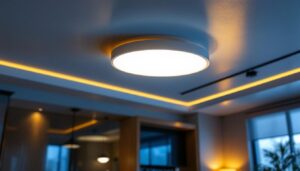
Recessed lighting, also known as can lights, can be installed in the ceiling directly above the stove to provide focused, downward illumination. This type of lighting is subtle and does not interfere with the kitchen’s aesthetics. High-quality recessed fixtures with adjustable trims allow contractors to direct the light precisely where it is needed.
However, recessed lighting requires careful planning to avoid glare and shadows. It is essential to select fixtures rated for use in kitchens and to ensure they are sealed against grease and moisture infiltration. In addition to functionality, recessed lighting can enhance the kitchen’s design by creating layers of light that add depth and dimension. Pairing recessed lighting with other types of fixtures, such as pendant lights or decorative chandeliers, can create a harmonious and inviting space that balances task and ambient lighting effectively.
Key Considerations for Lighting Contractors
Heat and Moisture Resistance
Over the stove lighting fixtures must withstand elevated temperatures and exposure to steam and grease. Contractors should prioritize fixtures that are rated for damp or wet locations, depending on the kitchen environment. Materials such as stainless steel and tempered glass are preferable for their durability and ease of cleaning.
Furthermore, the placement of fixtures should avoid direct exposure to flames or extreme heat sources to prevent damage and maintain safety standards.
Electrical Safety and Code Compliance
Compliance with the National Electrical Code (NEC) and local regulations is non-negotiable. Lighting contractors must ensure that all wiring, fixtures, and installation methods meet or exceed these standards. Proper grounding, use of GFCI (Ground Fault Circuit Interrupter) outlets where applicable, and secure mounting are critical components of a safe installation.
Contractors should also be familiar with the specific requirements for kitchen lighting circuits, including load capacities and the use of dedicated circuits if necessary. Documentation and permits might be required, depending on the scope of the project.
Lighting Quality and Color Temperature
The quality of light over the stove affects both functionality and aesthetics. Color temperature, measured in Kelvins (K), influences how food and surfaces appear. A color temperature between 3000K and 4000K is generally recommended for kitchen task lighting, offering a balance between warm and cool tones that enhances visibility without harshness.
Contractors should advise clients on the benefits of LED lighting, which provides consistent color rendering, energy efficiency, and longevity. High Color Rendering Index (CRI) values, ideally above 80, ensure that colors appear natural and vibrant, which is particularly important for food preparation areas.
Installation Best Practices
Optimal Placement and Height
Positioning lighting fixtures at the correct height and angle is vital for effective illumination. Over the stove lights should be installed to minimize shadows cast by the cook’s hands or utensils. Typically, lighting should be placed 24 to 30 inches above the stove surface, but this can vary depending on the fixture type and kitchen layout.
Contractors should also consider the integration of multiple lighting sources to achieve layered lighting, combining ambient, task, and accent lighting for a well-rounded effect.
Wiring and Power Supply Considerations
Ensuring a reliable and safe power supply is a cornerstone of successful lighting installation. Contractors should use wiring rated for kitchen environments and verify that circuits can handle the additional load. When installing under-cabinet or strip lighting, low-voltage systems may be preferred for safety and energy savings.
Planning for future upgrades or expansions by installing junction boxes or conduits can save time and money down the line. Additionally, incorporating dimmer switches or smart lighting controls can enhance user experience and energy efficiency.
Maintenance and Accessibility
Lighting fixtures over the stove require regular cleaning due to exposure to grease and cooking residues. Contractors should select fixtures that are easy to access and maintain, with replaceable bulbs and washable covers. Providing clients with maintenance guidelines can prolong the life of the installation and maintain optimal lighting performance.
Designing installations that allow for quick bulb replacement without specialized tools or disassembly is a mark of professional workmanship and client consideration.
Emerging Trends and Technologies
Smart Lighting Integration
Smart lighting systems are increasingly popular in modern kitchens. Over the stove lighting can be integrated with home automation platforms, allowing users to control brightness, color temperature, and schedules via smartphones or voice commands. For lighting contractors, familiarity with smart lighting brands and installation protocols is becoming an essential skill.
These systems can improve energy efficiency and convenience, providing tailored lighting scenarios for different cooking tasks or times of day.
Energy Efficiency and Sustainability
Energy-efficient lighting is not only environmentally responsible but also cost-effective for homeowners. LEDs dominate the market due to their low energy consumption, long lifespan, and reduced heat output. Lighting contractors should prioritize recommending LED fixtures and educate clients on the benefits of sustainable lighting choices.
Additionally, fixtures made from recyclable or eco-friendly materials are gaining traction, aligning with the growing demand for green building practices.
Innovative Fixture Designs
Design trends are moving towards sleek, minimalist fixtures that blend seamlessly with kitchen cabinetry and appliances. Lighting contractors should stay informed about new products that offer enhanced performance without compromising aesthetics. Features such as adjustable beam angles, color tuning, and integrated ventilation are becoming standard in higher-end models.
Offering clients a range of design options helps tailor the lighting solution to individual tastes and kitchen styles, from contemporary to traditional.
Conclusion
Over the stove lighting fixtures are a vital component of kitchen functionality and safety. For lighting contractors, mastering the selection, installation, and maintenance of these fixtures is key to delivering high-quality results that meet client expectations and regulatory standards. By considering factors such as heat resistance, electrical safety, lighting quality, and emerging technologies, contractors can provide solutions that enhance both the utility and aesthetics of kitchen spaces.
Staying current with industry trends and innovations ensures that lighting professionals remain competitive and capable of addressing the evolving needs of homeowners and builders alike.
Illuminate Your Projects with LumenWholesale
Ready to enhance your kitchen lighting installations with the best in spec-grade fixtures? Look no further than LumenWholesale for a superior selection of over the stove lighting options. Our commitment to quality and affordability ensures that you can equip your projects with high-performance lighting that meets the highest industry standards. Take advantage of our wholesale prices, free shipping, and the convenience of bulk buying to provide your clients with the perfect blend of functionality and design. Elevate your lighting game with LumenWholesale — where premium lighting meets the best value.