Understanding the Role of Outlet Parts in Lighting Installations
Outlet parts might seem like a small detail in lighting projects, but their impact on a contractor’s efficiency and profitability is significant. These components—ranging from receptacles to junction boxes—serve as the critical connection points for electrical fixtures. Their quality, compatibility, and installation complexity directly influence project timelines and client satisfaction.
For lighting contractors, the choice of outlet parts isn’t just about functionality; it’s about ensuring safety, compliance, and ease of future maintenance. Selecting the right outlet parts can reduce callbacks, minimize troubleshooting time, and enhance the overall reputation of the contractor.
Why Outlet Parts Matter More Than You Think
Consider a scenario where a contractor uses low-grade outlet parts to cut costs. Initially, this might seem like a smart move, but the long-term consequences often include frequent failures, increased labor hours for repairs, and potential liability issues. On the other hand, investing in high-quality outlet parts can streamline installations and reduce the risk of electrical faults.
Moreover, modern lighting systems often integrate smart technologies requiring outlet parts that support advanced features such as dimming, motion sensing, or energy monitoring. Using outdated or incompatible parts can limit these capabilities, reducing the value offered to clients.
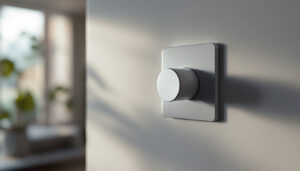
In addition to functionality, the aesthetic appeal of outlet parts should not be overlooked. With the rise of designer outlets and decorative plates, contractors have the opportunity to enhance the overall look of a space. Choosing stylish outlet parts can complement the interior design, making them not just functional elements but also integral to the visual appeal of the lighting installation. This attention to detail can impress clients and elevate the contractor’s brand, showcasing a commitment to quality and design.
Furthermore, the installation process itself can be significantly affected by the choice of outlet parts. High-quality components often come with clearer instructions and better design features that facilitate easier installation. This can lead to reduced labor costs and quicker project completion times, allowing contractors to take on more projects simultaneously. Additionally, well-designed outlet parts can offer features such as tool-less installation or snap-on designs, which can further enhance efficiency on the job site, ultimately benefiting both the contractor and the client.
Impact on Project Costs and Profit Margins
Every lighting contractor knows that controlling costs is key to maintaining healthy profit margins. Outlet parts, while sometimes overlooked, play a crucial role in this equation. The price variation between different types and brands of outlet parts can be substantial, but the cheapest option isn’t always the most cost-effective in the long run.
Material Costs vs. Labor Efficiency
High-quality outlet parts might come with a higher upfront cost, but they often feature design elements that make installation faster and less prone to errors. For example, outlets with tool-free wiring systems or modular components can reduce installation time by up to 30%. This efficiency translates into lower labor costs and the ability to take on more projects.
Conversely, outlet parts that are difficult to install or require special tools can slow down the job, increasing labor hours and potentially delaying project completion. Delays can cascade into penalties or lost opportunities, directly affecting the contractor’s bottom line. Additionally, contractors should consider the long-term benefits of investing in durable materials that withstand wear and tear, as these can lead to fewer replacements and repairs over time, further enhancing overall profitability.
Reducing Callbacks and Warranty Claims
Callbacks are a hidden cost that can severely erode profits. Faulty or incompatible outlet parts are a common cause of post-installation issues, leading to expensive service calls. Each callback not only consumes time and resources but also damages client trust.
Investing in reliable outlet parts reduces the likelihood of failures and warranty claims. This proactive approach safeguards profit margins by minimizing unplanned expenses and preserving a contractor’s reputation for quality work. Moreover, when contractors prioritize high-quality components, they can often leverage this commitment to quality in their marketing efforts, attracting more clients who are willing to pay a premium for dependable and expertly installed electrical systems. Establishing a reputation for excellence can create a competitive advantage, allowing contractors to differentiate themselves in a crowded market.
Compliance and Safety: Avoiding Costly Penalties
Electrical codes and safety standards are stringent, and lighting contractors must adhere to them rigorously. Outlet parts that don’t meet these standards can lead to failed inspections, project delays, or even legal liabilities.
Meeting Electrical Code Requirements
Each region has specific electrical codes that dictate the types of outlet parts permissible for certain applications. For instance, outdoor lighting installations require weather-resistant outlets, while commercial settings may demand tamper-resistant receptacles. Using the wrong parts can result in failed inspections and costly rework.
Staying updated on code changes and selecting compliant outlet parts ensures smooth project approvals and avoids expensive penalties or delays. Additionally, contractors should consider investing in training programs that keep their teams informed about the latest code revisions and best practices. This proactive approach not only enhances compliance but also fosters a culture of safety and responsibility within the organization.
Enhancing Job Site Safety
Safety is paramount in electrical work. Outlet parts that are poorly designed or substandard increase the risk of electrical shocks, fires, or equipment damage. These incidents not only endanger workers and clients but can also lead to significant financial and legal consequences.
By prioritizing outlet parts with robust safety features—such as insulated terminals, secure mounting, and proper grounding—contractors protect themselves and their clients from avoidable hazards. Furthermore, implementing regular safety audits and encouraging open communication about safety concerns on the job site can significantly reduce risks. Engaging workers in safety discussions and training sessions can empower them to recognize potential dangers and take preventative measures, ultimately creating a safer work environment for everyone involved.
Choosing the Right Outlet Parts for Different Lighting Projects
Lighting projects vary widely—from residential renovations to large commercial installations—each demanding specific outlet part considerations. Understanding these nuances helps contractors optimize their material selection and installation strategies.
Residential Lighting
In residential settings, aesthetics and ease of use are often top priorities. Outlet parts with sleek designs, color matching, and user-friendly features enhance the homeowner’s experience. Additionally, smart home integration is increasingly common, necessitating outlet parts compatible with automation systems. These smart outlets not only allow for remote control of lighting but also enable energy monitoring, providing homeowners with insights into their electricity usage and helping them make informed decisions about their consumption.
Contractors should also consider child safety features, such as tamper-resistant outlets, which are now required in many jurisdictions for new homes. Furthermore, the growing trend of home offices has led to an increased demand for outlets that can accommodate multiple devices, including computers and charging stations. This shift emphasizes the importance of planning for sufficient power supply and ensuring that outlets are conveniently located to meet the needs of modern living.
Commercial and Industrial Lighting
Commercial projects demand outlet parts that withstand heavier usage and comply with stricter codes. Durable materials, high amperage ratings, and secure locking mechanisms are essential. In industrial environments, explosion-proof or weather-resistant outlet parts may be necessary to meet safety standards. These requirements are particularly critical in settings such as manufacturing plants or chemical processing facilities, where the risk of hazardous conditions is heightened. Contractors must be well-versed in the specific regulations that govern these installations to ensure compliance and safety.
Energy efficiency is another critical factor. Outlets that support advanced lighting controls can help clients reduce operational costs, making the contractor’s offering more attractive. The integration of occupancy sensors and dimmers can significantly enhance energy savings, allowing businesses to optimize their lighting based on actual usage patterns. Additionally, with the push towards sustainability, many commercial projects are now incorporating LED lighting solutions, which further necessitate the selection of compatible outlet parts to maximize performance and efficiency.
Outdoor and Specialty Lighting
Outdoor lighting requires outlet parts designed to resist moisture, dust, and temperature extremes. Weatherproof covers, corrosion-resistant materials, and sealed connections are vital to ensure longevity and safety. The choice of outlet parts for outdoor applications also involves considering the local climate and environmental conditions, as these factors can significantly impact the durability and functionality of the components used.
Specialty lighting, such as theatrical or landscape installations, might need custom outlet parts that accommodate unique power requirements or mounting configurations. Contractors who understand these specialized needs can differentiate themselves in competitive markets. For instance, in theatrical settings, the ability to manage dimming and color-changing capabilities is crucial, necessitating outlets that can handle specialized lighting equipment. Similarly, landscape lighting often requires low-voltage solutions, which means selecting the right transformer and outlet parts to ensure safe and efficient operation. By staying informed about the latest trends and technologies in specialty lighting, contractors can provide innovative solutions that meet the diverse needs of their clients.
Strategies for Managing Outlet Part Costs Without Sacrificing Quality
Balancing cost and quality is a constant challenge. Lighting contractors can adopt several strategies to manage outlet part expenses effectively while maintaining high standards.
Building Strong Supplier Relationships
Establishing partnerships with reputable suppliers can lead to better pricing, priority service, and access to the latest products. Suppliers often provide technical support and training, helping contractors stay informed about new outlet part technologies and installation best practices.
Bulk purchasing agreements or loyalty programs can also reduce material costs over time.
Standardizing Outlet Parts Across Projects
Using a consistent set of outlet parts simplifies inventory management and training. Standardization reduces the risk of errors and speeds up installations, as crews become familiar with the components and their quirks.
While customization is sometimes necessary, limiting the variety of outlet parts used can improve operational efficiency and reduce waste.
Investing in Training and Tools
Proper training ensures that crews install outlet parts correctly the first time, reducing rework and callbacks. Additionally, investing in specialized tools designed for specific outlet parts can cut installation time and improve safety.
Contractors who prioritize ongoing education and equip their teams with the right tools often see a direct positive impact on project profitability.
Conclusion: Outlet Parts Are More Than Just Components
Outlet parts may seem like a minor detail in lighting projects, but their influence on a contractor’s bottom line is profound. From material costs and labor efficiency to safety compliance and client satisfaction, every aspect is affected by the quality and suitability of these components.
Lighting contractors who approach outlet part selection strategically-prioritizing quality, compliance, and efficiency-position themselves for greater profitability and long-term success. The right outlet parts don’t just complete a lighting system; they enhance the entire project lifecycle, making them an investment worth careful consideration.
Upgrade Your Lighting Projects with LumenWholesale
Ready to enhance your lighting installations and boost your bottom line? At LumenWholesale, we provide lighting contractors with the highest quality, spec-grade outlet parts and lighting products at unbeatable wholesale prices. Say goodbye to local distributor markups and hello to our extensive selection that meets rigorous industry standards. With free shipping on bulk orders, you can trust that you’re getting premium lighting solutions at the best value — no hidden fees, no compromises. Elevate your lighting projects today and experience the LumenWholesale difference. Wholesale Lighting at the Best Value.