Understanding the Importance of Outdoor Lighting in Residential Spaces
Outdoor lighting is more than just an aesthetic enhancement for homes; it plays a pivotal role in safety, security, and functionality. For lighting contractors, comprehending the multifaceted benefits of outdoor lighting is essential to delivering solutions that meet homeowners’ expectations and regulatory standards.
Statistics indicate that well-designed outdoor lighting can reduce the risk of accidents by illuminating pathways, steps, and uneven terrain. Additionally, effective lighting acts as a deterrent against potential intruders, with studies showing that properties with adequate exterior lighting experience fewer break-ins.
Beyond safety, outdoor lighting extends the usability of outdoor spaces, allowing homeowners to enjoy patios, gardens, and decks after sunset. This functional aspect creates opportunities for contractors to recommend lighting designs that blend utility with style, enhancing the overall value of the property.
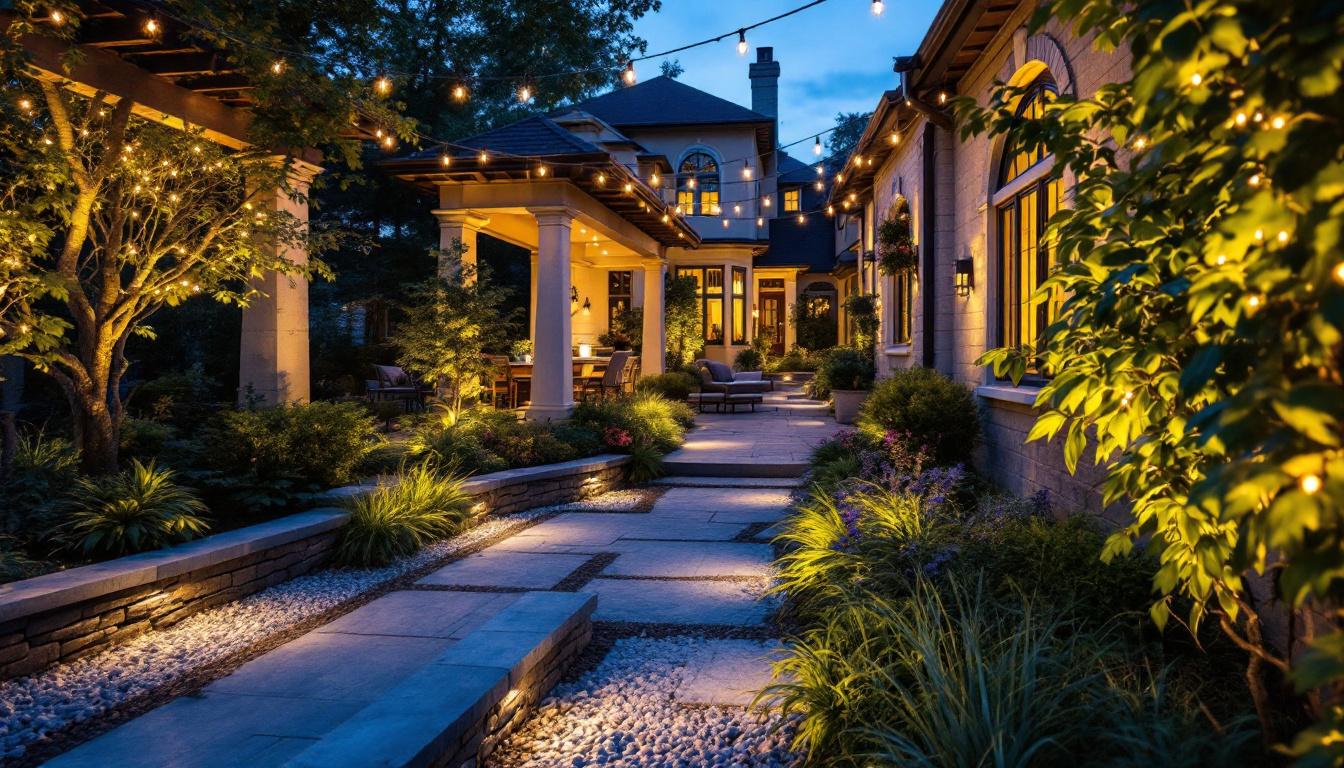
Moreover, outdoor lighting can significantly enhance the aesthetic appeal of a home, creating a warm and inviting atmosphere that welcomes guests. By strategically placing fixtures to highlight architectural features, trees, or water elements, homeowners can transform their outdoor spaces into enchanting retreats. This not only elevates the property’s curb appeal but also provides a sense of pride and satisfaction for the homeowners, as they can showcase their beautiful landscapes even at night.
In addition to these benefits, outdoor lighting can also contribute to energy efficiency when designed thoughtfully. With the advent of LED technology, homeowners can enjoy bright, effective lighting while minimizing energy consumption. Smart lighting systems that allow for remote control and automation can further enhance energy savings by ensuring that lights are only on when needed. This combination of beauty, safety, and sustainability makes outdoor lighting an invaluable investment for any residential space.
Key Considerations for Lighting Contractors When Designing Outdoor Lighting Systems
Assessing the Site and Client Needs
Every outdoor lighting project begins with a thorough site assessment. Contractors must evaluate the architectural style of the home, landscape features, existing electrical infrastructure, and client preferences. Understanding the homeowner’s lifestyle—whether they prioritize security, ambiance, or energy efficiency—guides the selection of appropriate fixtures and control systems.
For example, a client with a large garden may require accent lighting to highlight plantings, while another homeowner might prioritize motion-activated security lights around entry points. Tailoring the design to these needs ensures satisfaction and long-term performance. Additionally, it’s essential to consider the seasonal changes in the landscape, as certain plants may bloom or lose foliage, affecting how light interacts with the environment throughout the year. This foresight can lead to adjustments in the lighting design that enhance the beauty of the property in every season, ensuring that the outdoor space remains inviting and functional regardless of the time of year.
Choosing the Right Types of Outdoor Lighting Fixtures
Lighting contractors should be well-versed in various fixture types, including floodlights, path lights, wall sconces, step lights, and landscape spotlights. Each serves a distinct purpose and contributes differently to the overall lighting scheme. Understanding the nuances of each type allows contractors to create a cohesive design that meets both aesthetic and practical needs.
LED technology has revolutionized outdoor lighting, offering energy efficiency, longevity, and versatility. Contractors should recommend LED fixtures where possible, as they reduce maintenance costs and environmental impact. Moreover, selecting fixtures with appropriate IP ratings ensures durability against weather conditions. It is also beneficial for contractors to stay informed about the latest advancements in smart lighting technology, which allows for remote control and automation. This can enhance user experience, enabling homeowners to adjust their lighting settings based on their preferences or even set schedules for when lights should turn on or off, adding an extra layer of convenience and security.
Balancing Aesthetics and Functionality
While functionality is paramount, aesthetics cannot be overlooked. Lighting contractors must skillfully balance illumination levels to avoid glare and light pollution, which can detract from the home’s appearance and disturb neighbors. Employing techniques such as layering light—combining ambient, task, and accent lighting—creates depth and visual interest. This method not only enhances the beauty of the property but also ensures that each area is well-lit for its intended use, whether it be for entertaining guests or providing safe passage along walkways.
Color temperature selection is also critical; warmer tones tend to complement residential exteriors better, fostering a welcoming atmosphere. Contractors should educate clients on these nuances to align expectations with achievable outcomes. Furthermore, integrating dimmable fixtures can provide homeowners with the flexibility to adjust lighting according to different occasions, from lively gatherings to quiet evenings. This adaptability not only enhances the overall experience of the outdoor space but also allows for a more sustainable approach to energy consumption, as lighting can be tailored to the specific needs of the moment.
Technical and Regulatory Aspects Every Contractor Should Know
Electrical Safety and Code Compliance
Outdoor lighting installations must adhere to local electrical codes and safety standards to prevent hazards such as electrical shocks or fires. Contractors should stay updated on regulations regarding wiring methods, grounding, circuit protection, and fixture placement.
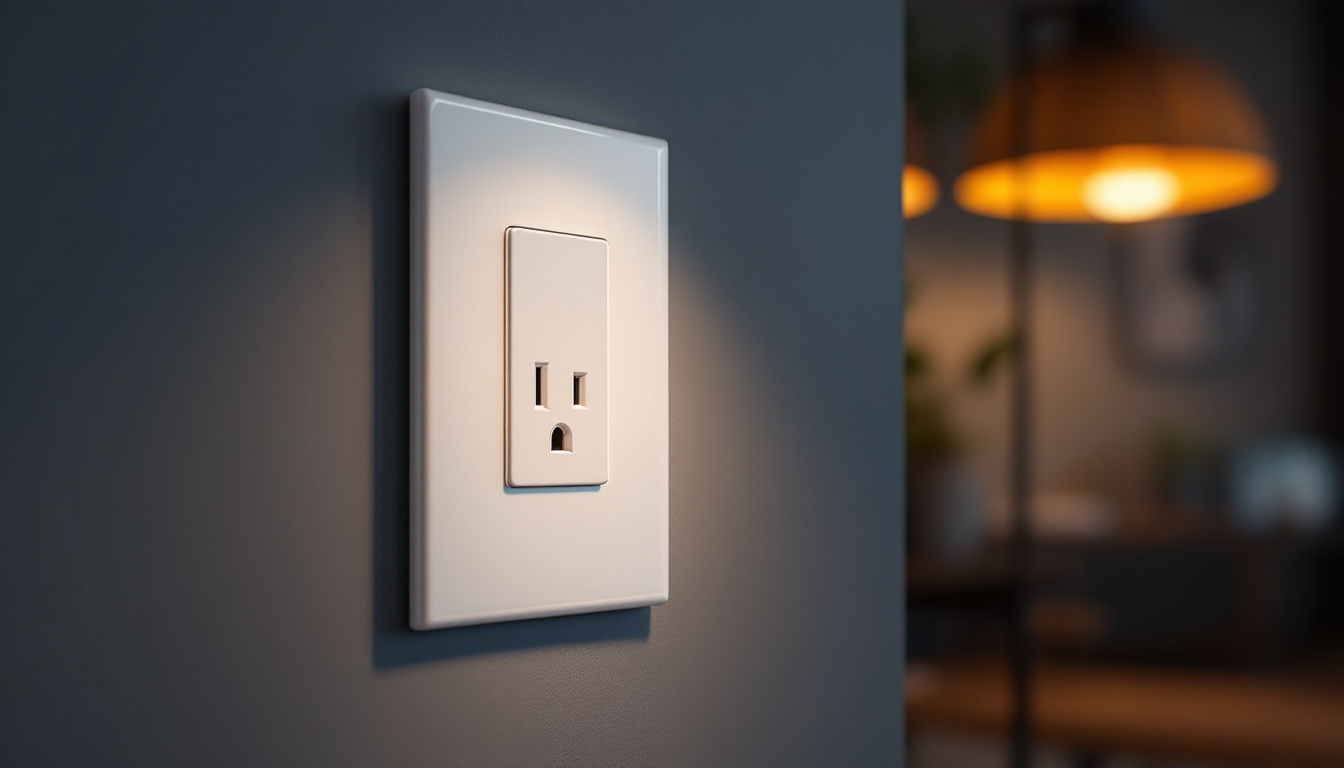
Ground-fault circuit interrupters (GFCIs) are typically required for outdoor circuits to enhance safety. Proper conduit use and weatherproof junction boxes also ensure system reliability. Non-compliance can lead to costly rework, legal liabilities, and compromised safety.
Energy Efficiency and Sustainable Practices
With growing emphasis on sustainability, lighting contractors are increasingly expected to incorporate energy-efficient designs. Utilizing LED fixtures, solar-powered lights, and smart controls like timers and dimmers can significantly reduce energy consumption.
Smart lighting systems enable homeowners to customize schedules and respond to environmental conditions, optimizing energy use. Contractors knowledgeable in these technologies can differentiate themselves in a competitive market by offering innovative, eco-friendly solutions.
Lighting Controls and Automation
Modern outdoor lighting often integrates sophisticated control systems, including motion sensors, photocells, and remote management via smartphone apps. These controls enhance convenience and security while minimizing unnecessary energy use.
Contractors should be proficient in installing and programming these systems, ensuring seamless operation and user-friendly interfaces. Educating clients on the benefits and functionalities of automation can improve satisfaction and encourage upgrades.
Common Challenges and Solutions in Outdoor Lighting Projects
Dealing with Complex Landscapes and Architectural Features
Complex terrain and diverse architectural elements can pose challenges in achieving uniform and effective lighting. Contractors must employ creative solutions such as adjustable fixtures, multiple lighting zones, and custom mounting options to address these complexities.
Using lighting design software or 3D modeling tools can assist in visualizing the final outcome and planning fixture placement. This proactive approach reduces errors and enhances client confidence.
Mitigating Light Pollution and Neighbor Concerns
Excessive or poorly directed outdoor lighting can cause light trespass, disturbing neighbors and contributing to skyglow. Contractors should adopt best practices such as shielding fixtures, using downward-directed lighting, and selecting appropriate lumen outputs.
Engaging with clients about these issues during the design phase fosters awareness and promotes responsible lighting choices that maintain neighborhood harmony.
Ensuring Longevity and Ease of Maintenance
Outdoor lighting systems are exposed to harsh environmental conditions, which can affect performance and lifespan. Selecting corrosion-resistant materials, weatherproof fixtures, and quality components is vital.
Contractors should also design systems that facilitate easy access for maintenance and bulb replacement. Providing clients with maintenance guidelines and service options can extend system life and preserve aesthetics.
Emerging Trends and Technologies in Residential Outdoor Lighting
Integration with Smart Home Ecosystems
Outdoor lighting is increasingly becoming part of integrated smart home systems, allowing homeowners to control lighting alongside security cameras, thermostats, and other devices. Voice control compatibility and geofencing features offer enhanced convenience and personalization.
Lighting contractors who stay abreast of these trends and develop expertise in smart home integration can offer cutting-edge solutions that appeal to tech-savvy clients.
Advancements in Solar and Renewable Energy Lighting
Solar-powered outdoor lighting has advanced significantly, with improved battery life and brighter LEDs making it a viable option for many residential applications. These systems reduce wiring complexity and offer energy independence.
Contractors should evaluate site-specific solar potential and educate clients on the benefits and limitations of solar lighting to ensure appropriate application.
Dynamic and Color-Changing Lighting
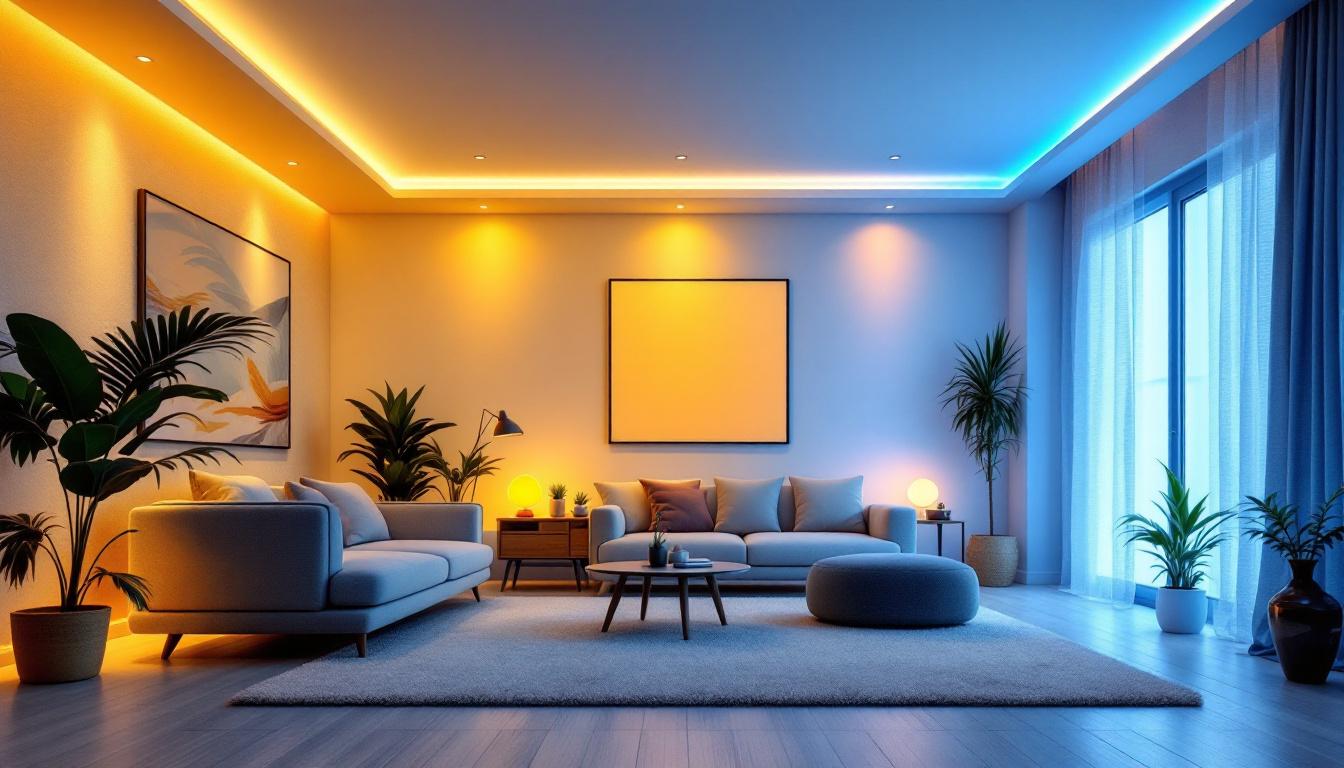
LED technology enables dynamic lighting effects and color-changing capabilities, allowing homeowners to customize ambiance for different occasions. This trend opens creative possibilities for lighting contractors to design unique, mood-enhancing installations.
Understanding control protocols such as DMX and Zigbee is beneficial for contractors aiming to implement these advanced lighting systems.
Best Practices for Lighting Contractors to Enhance Client Satisfaction
Effective Communication and Client Education
Clear communication throughout the project lifecycle—from initial consultation to post-installation support—is crucial. Contractors should explain design choices, energy implications, and maintenance requirements in accessible language.
Providing visual aids such as renderings or sample fixtures helps clients make informed decisions and fosters trust.
Offering Comprehensive Service Packages
Beyond installation, offering maintenance contracts, seasonal adjustments, and system upgrades can create ongoing value for clients. This approach encourages repeat business and referrals, strengthening the contractor’s reputation.
Staying Updated with Industry Developments
Continuous professional development through workshops, certifications, and industry events ensures contractors remain knowledgeable about evolving technologies and standards. This commitment to excellence enhances service quality and competitive advantage.
Conclusion
Outdoor lighting for homes is a complex and rewarding area for lighting contractors, requiring a blend of technical expertise, creative design, and client-focused service. By understanding the critical aspects of safety, aesthetics, technology, and sustainability, contractors can deliver lighting solutions that enhance residential environments and satisfy diverse client needs.
Embracing emerging trends and maintaining rigorous standards not only improves project outcomes but also positions contractors as trusted professionals in an increasingly sophisticated market. Ultimately, successful outdoor lighting projects contribute to safer, more beautiful, and energy-efficient homes, benefiting both homeowners and the broader community.
Illuminate Your Projects with LumenWholesale
Ready to elevate your outdoor lighting projects with the highest quality products at the best value? Look no further than LumenWholesale. We provide lighting contractors with spec-grade lighting solutions that meet the most rigorous industry standards. Our direct-to-contractor approach means you enjoy unbeatable wholesale prices without the middleman markups. Plus, with free shipping on bulk orders, you can stock up on superior lighting while keeping your costs down. Enhance your residential lighting designs today and give your clients the exceptional results they deserve. Discover the perfect fusion of quality, affordability, and convenience at LumenWholesale — your go-to source for Wholesale Lighting at the Best Value.