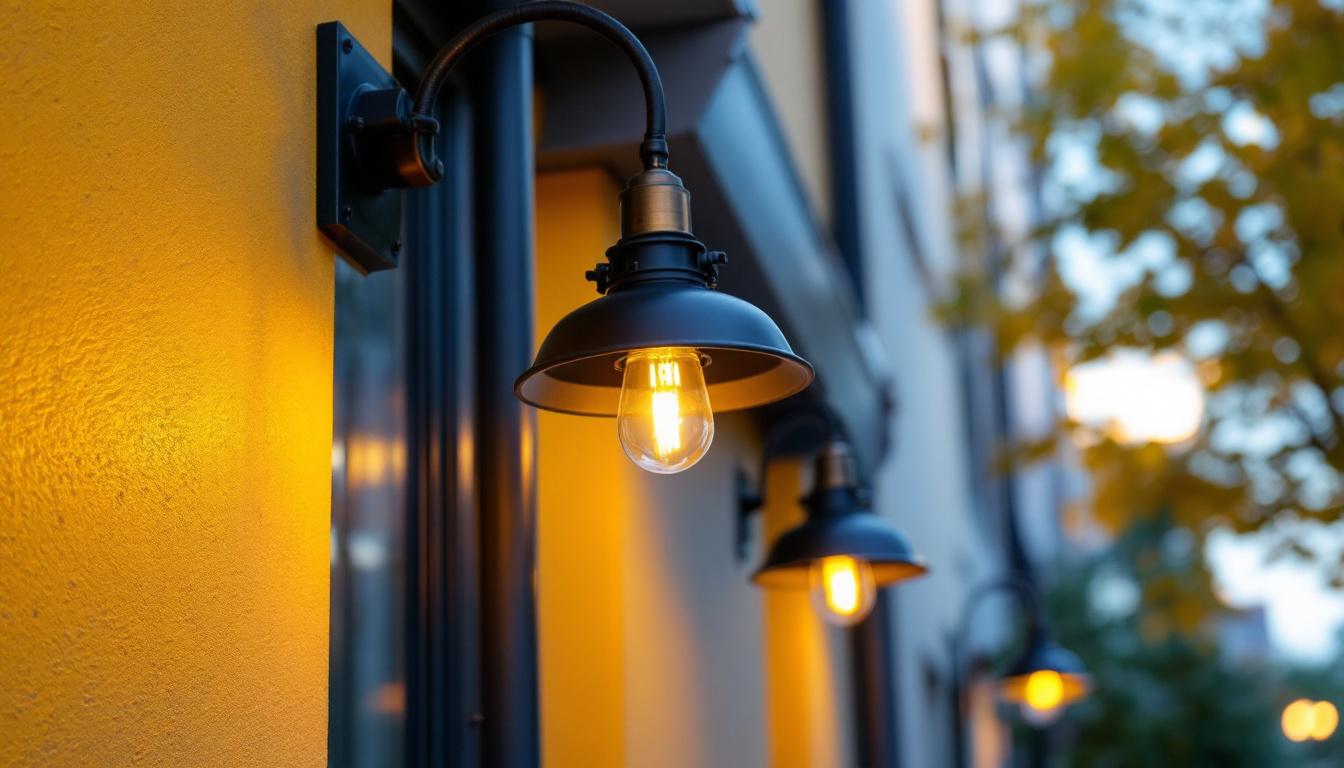
Understanding the Industrial Outdoor Lighting Landscape
Industrial outdoor lighting plays a critical role in ensuring safety, security, and operational efficiency in commercial and industrial environments. From manufacturing plants and warehouses to loading docks and expansive storage yards, the right lighting solution can significantly impact productivity and reduce accidents. For lighting contractors, mastering the nuances of industrial outdoor fixtures is essential to delivering optimal results that meet client expectations and regulatory standards.
Before diving into common pitfalls, it is important to appreciate the unique challenges that industrial outdoor lighting presents. These fixtures must withstand harsh environmental conditions such as extreme temperatures, moisture, dust, and mechanical impact. Additionally, they need to provide adequate illumination while being energy-efficient and compliant with local codes and industry best practices.
Moreover, the choice of lighting technology plays a pivotal role in the overall effectiveness of outdoor lighting systems. LED technology has gained significant traction in recent years due to its longevity and energy efficiency. Unlike traditional lighting systems, LEDs offer a longer lifespan, which translates to reduced maintenance costs and less frequent replacements. This is particularly beneficial in industrial settings where access to fixtures may be limited or hazardous. Furthermore, the ability to control light output and color temperature allows for tailored solutions that enhance visibility and safety during nighttime operations.
Another critical aspect to consider is the layout and design of the lighting system. Proper placement of fixtures is essential to eliminate dark spots and ensure uniform light distribution across the entire area. This not only enhances safety but also contributes to a more productive working environment. Advanced lighting design software can assist contractors in simulating various configurations and predicting light levels, enabling them to make informed decisions that align with both operational needs and aesthetic preferences. Additionally, integrating smart lighting controls can further optimize energy usage by adjusting brightness based on real-time conditions, thereby promoting sustainability in industrial operations.
Common Mistakes to Avoid When Installing Industrial Outdoor Light Fixtures
1. Ignoring Environmental and Site-Specific Conditions
One of the most frequent errors made by lighting contractors is overlooking the specific environmental conditions of the installation site. Industrial outdoor fixtures are exposed to elements such as rain, snow, dust, and corrosive substances, depending on the industry and location. Selecting fixtures without considering their IP (Ingress Protection) rating or material durability can lead to premature failure.
For example, a fixture rated only for indoor use or with a low IP rating may not withstand the moisture and dust levels in a chemical plant or a coastal facility. Contractors must assess the site thoroughly and choose fixtures with appropriate ratings—such as IP65 or higher for wet and dusty environments—to ensure longevity and safety. Furthermore, factors like temperature extremes and UV exposure should also be taken into account. Fixtures designed with UV-resistant materials can prevent degradation and discoloration, which is particularly important in sunny regions. By conducting a comprehensive site analysis, contractors can select fixtures that not only meet the immediate lighting needs but also withstand the test of time against environmental challenges.
2. Underestimating the Importance of Proper Lighting Levels
Lighting levels directly impact safety and productivity in industrial settings. Insufficient illumination can cause accidents, reduce worker efficiency, and increase security risks, while excessive lighting leads to energy waste and unnecessary glare. Lighting contractors sometimes rely on generic guidelines or underestimate the lux levels required for specific tasks.
To avoid this, contractors should consult industry standards such as those from the Illuminating Engineering Society (IES) or OSHA guidelines, which provide detailed recommendations for various industrial applications. Conducting a proper lighting design analysis using photometric data ensures that the fixtures deliver the right amount of light exactly where it is needed. Additionally, understanding the specific tasks performed in each area can help tailor the lighting solution. For instance, areas requiring high precision, such as assembly lines or inspection zones, may need higher lux levels compared to general walkways. By customizing the lighting plan to the unique demands of each workspace, contractors can enhance both safety and operational efficiency.
3. Overlooking Energy Efficiency and Sustainability
Energy costs represent a significant portion of operational expenses for industrial facilities. Lighting contractors who fail to prioritize energy-efficient fixtures and controls may inadvertently increase the client’s long-term costs. LED technology has become the standard for industrial outdoor lighting due to its superior efficiency, long lifespan, and lower maintenance requirements.
Moreover, integrating smart lighting controls such as motion sensors, daylight harvesting, and programmable timers can further reduce energy consumption. Contractors should educate clients about these benefits and incorporate them into their designs to deliver sustainable and cost-effective solutions. In addition to immediate savings, energy-efficient lighting can also enhance the facility’s reputation, as many companies are now prioritizing sustainability in their operational practices. By showcasing the environmental benefits of energy-efficient solutions, contractors can help clients align with corporate social responsibility goals, making the project not only economically viable but also ecologically sound.
4. Neglecting Proper Fixture Placement and Mounting Height
Incorrect placement and mounting height of outdoor fixtures can cause uneven lighting, shadows, and glare, which compromise visibility and safety. This mistake often stems from a lack of site-specific planning or failure to use photometric layouts during the design phase.
Lighting contractors should carefully evaluate the site’s layout, obstructions, and the tasks performed in each area. Using software tools to simulate lighting distribution helps determine optimal fixture locations and heights. For example, mounting fixtures too low in a large yard may create dark spots, while excessively high mounting can reduce light intensity on critical surfaces. Additionally, considering the angle of light distribution is crucial; fixtures that are tilted incorrectly can lead to unwanted glare for both workers and nearby residents. By meticulously planning the placement and height of each fixture, contractors can create a well-lit environment that enhances safety and productivity while minimizing light pollution.
5. Failing to Comply with Local Codes and Regulations
Compliance with local electrical codes, zoning laws, and industry regulations is non-negotiable in industrial lighting projects. Ignorance or oversight in this area can result in costly rework, fines, or even safety hazards. Lighting contractors must stay updated on relevant codes such as the National Electrical Code (NEC) and any local amendments.
Additionally, some jurisdictions have specific requirements regarding light pollution, glare control, and energy efficiency. Incorporating these considerations from the outset ensures smooth project approval and long-term compliance. Furthermore, engaging with local authorities early in the planning process can provide valuable insights into any upcoming regulatory changes that may affect the project. By fostering a collaborative relationship with regulatory bodies, contractors can not only ensure compliance but also position themselves as knowledgeable professionals in the field, ultimately enhancing their reputation and client trust.
Best Practices for Lighting Contractors Installing Industrial Outdoor Fixtures
Conduct Comprehensive Site Assessments
Before selecting fixtures, a thorough site assessment is crucial. This includes evaluating environmental conditions, existing lighting infrastructure, electrical capacity, and specific operational needs. Understanding these factors allows contractors to recommend fixtures that are both robust and fit-for-purpose.
Utilize Advanced Lighting Design Tools
Modern lighting design software enables contractors to create detailed photometric plans that optimize fixture placement, spacing, and light distribution. These tools help visualize potential issues such as glare or shadowing and allow for adjustments before installation, saving time and resources.
Prioritize Durable, High-Quality Fixtures
Investing in high-quality fixtures with proven durability reduces maintenance frequency and downtime. Look for products with certifications from recognized bodies, warranties, and positive performance reviews in similar industrial environments.
Incorporate Smart Controls and Automation
Integrating sensors and automated controls not only enhances energy savings but also improves operational flexibility. For instance, motion-activated lighting in seldom-used areas reduces unnecessary energy use, while programmable schedules align lighting with shift patterns.
Plan for Maintenance Accessibility
Industrial outdoor lighting fixtures should be installed with maintenance in mind. Easy access to fixtures for cleaning, bulb replacement, or repairs minimizes downtime and labor costs. Contractors should coordinate with facility managers to identify optimal mounting locations and access methods.
Case Studies: Learning from Real-World Industrial Lighting Projects
Warehouse Facility Upgrade Reduces Energy Costs by 40%
A large distribution warehouse faced high energy bills due to outdated metal halide fixtures. A lighting contractor conducted a site assessment and replaced the fixtures with LED industrial-grade outdoor lights equipped with motion sensors. The project resulted in a 40% reduction in energy consumption and improved lighting uniformity, enhancing worker safety during night shifts.
Manufacturing Plant Improves Safety with Proper Lighting Design
In a manufacturing plant, poor lighting had contributed to several minor accidents. The contractor utilized photometric software to redesign the outdoor lighting layout, increasing illumination in critical areas such as loading docks and walkways. The new installation complied with OSHA standards and significantly reduced safety incidents.
Conclusion: Elevating Industrial Outdoor Lighting through Expertise
For lighting contractors, avoiding common mistakes in industrial outdoor lighting installations is essential to delivering value, safety, and efficiency. By understanding environmental challenges, adhering to standards, prioritizing energy efficiency, and employing advanced design tools, contractors can ensure successful projects that meet client needs and regulatory requirements.
Continued education, attention to detail, and collaboration with facility stakeholders will further enhance outcomes in this specialized field. Industrial outdoor lighting is more than just illumination—it is a critical component of operational excellence and workplace safety.
Get Your Industrial Outdoor Lighting from LumenWholesale
Ready to elevate your lighting projects with the highest quality fixtures at the best value? Look no further than LumenWholesale. Our spec-grade lighting products are designed to meet the rigorous demands of industrial outdoor environments, ensuring durability, energy efficiency, and compliance with industry standards. With unbeatable wholesale prices and free shipping on bulk orders, LumenWholesale is your go-to source for premium lighting solutions that don’t break the bank. Say goodbye to middleman markups and hello to the perfect blend of quality, affordability, and convenience. Wholesale Lighting at the Best Value is just a click away. Make the smart choice for your next project with LumenWholesale.