Understanding the Unique Requirements of Museum Lighting
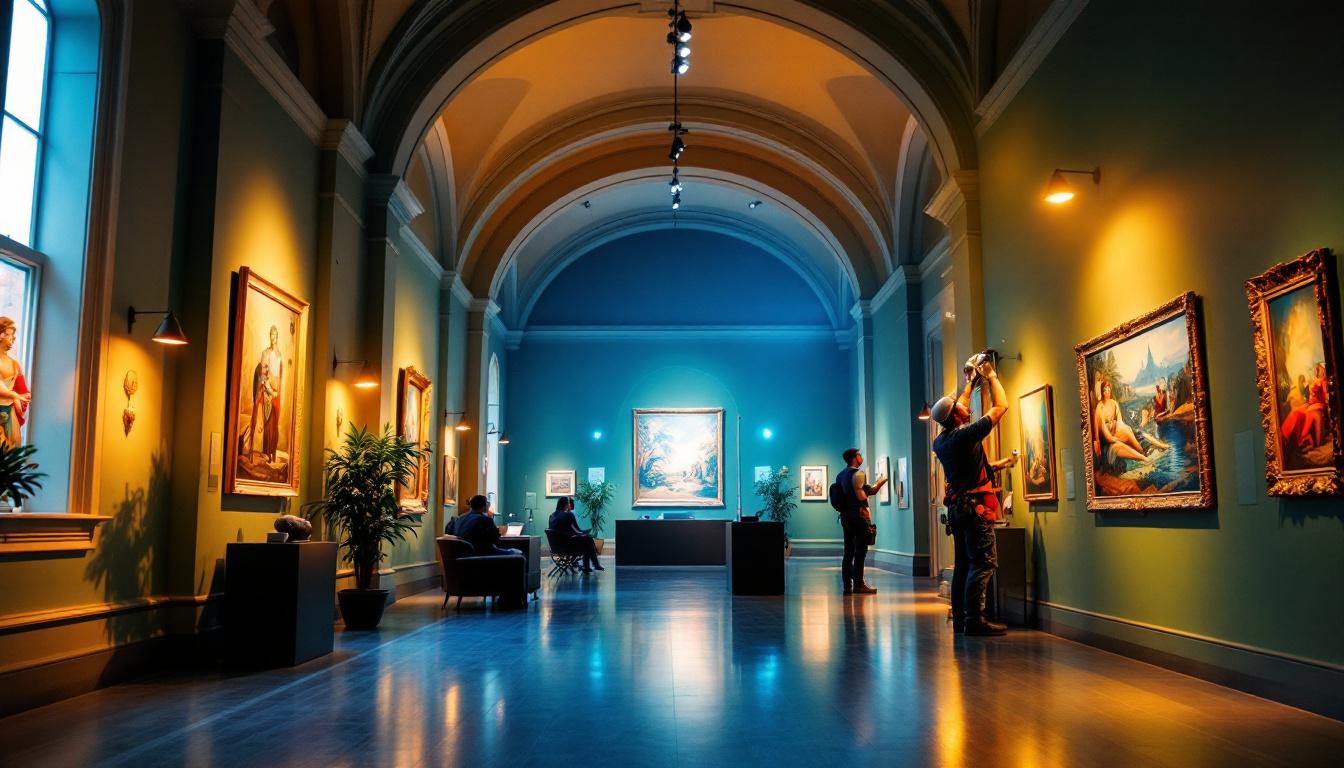
Museums present a distinct set of challenges for lighting contractors. Unlike typical commercial or residential projects, museum lighting must balance aesthetics, preservation, and visitor experience. Artifacts and exhibits are often sensitive to light exposure, requiring carefully controlled illumination to prevent damage while ensuring visibility.
Lighting in museums is not merely about brightness; it involves creating an environment that enhances the storytelling and emotional impact of the exhibits. This means contractors must have a deep understanding of the types of lighting fixtures available, their spectral outputs, and how they interact with various materials.
Furthermore, museums often have diverse collections—from paintings and textiles to sculptures and historical documents—each demanding tailored lighting solutions. For example, ultraviolet (UV) and infrared (IR) radiation can accelerate the deterioration of organic materials, so fixtures with low UV and IR emissions are essential.
Preservation Concerns and Light Sensitivity
One of the primary concerns in museum lighting is the preservation of artifacts. Many materials, such as paper, fabric, and certain pigments, are highly sensitive to light exposure. Prolonged or intense lighting can cause fading, discoloration, and structural degradation.
Lighting contractors must select fixtures that minimize harmful emissions. LED technology has become the preferred choice due to its low UV and IR output, energy efficiency, and long lifespan. However, not all LEDs are created equal, and contractors must evaluate the spectral power distribution to ensure compatibility with conservation standards.
In addition to selecting appropriate fixtures, contractors often collaborate with conservators to develop lighting plans that include specific exposure limits for each exhibit. This involves monitoring light levels over time and making adjustments as necessary to protect fragile items. Some museums even employ light meters to track exposure, ensuring that artifacts remain safe while still being accessible to the public.
Visitor Experience and Visual Comfort
In addition to preservation, lighting must enhance the visitor experience. Properly designed lighting guides visitors through exhibits, highlights key features, and creates an immersive atmosphere. Glare, shadows, and uneven illumination can detract from the experience and obscure details.
Contractors should consider adjustable fixtures, dimming controls, and beam shaping optics to provide flexibility and precision. Lighting zones and layers—ambient, accent, and task lighting—help create depth and focus within gallery spaces.
Moreover, the psychological impact of lighting on visitors cannot be overlooked. Studies have shown that well-lit environments can enhance mood and engagement, encouraging visitors to linger and explore exhibits more thoroughly. By incorporating dynamic lighting solutions that can change throughout the day or in response to visitor interaction, museums can create a more captivating and memorable experience. This adaptability is particularly important during special exhibitions, where lighting can be tailored to fit the theme or narrative of the display, further enriching the storytelling aspect of the museum experience.
Common Challenges Faced by Lighting Contractors in Museums
Lighting contractors working in museums encounter several challenges that require specialized knowledge and problem-solving skills. These challenges range from technical constraints to logistical and regulatory considerations.
Balancing Conservation and Illumination
Achieving the right balance between adequate illumination and artifact preservation is a delicate task. Over-illumination risks damage, while under-illumination compromises visibility and engagement. Contractors must collaborate closely with curators and conservators to define acceptable light levels.
Standards such as those published by the International Commission on Illumination (CIE) and the American Institute for Conservation provide guidelines on maximum illuminance levels for different materials. Adhering to these standards while meeting aesthetic goals requires precise fixture selection and control. This often involves using advanced lighting technologies, such as tunable white LEDs, which allow for adjustments in color temperature and intensity, enabling contractors to adapt the lighting to the specific needs of each exhibit while minimizing potential harm to sensitive artifacts.
Integration with Architectural and Exhibition Design
Museum lighting cannot be considered in isolation. It must integrate seamlessly with architectural features and exhibition layouts. Historic buildings may impose restrictions on fixture installation, wiring, and structural modifications.
Lighting contractors often need to work within tight spatial constraints, preserving the integrity of the building while providing adequate access for maintenance. Collaboration with architects, exhibit designers, and engineers is essential to develop solutions that are both functional and unobtrusive. Additionally, thoughtful design can enhance the visitor experience, guiding them through exhibits in a way that highlights key pieces while maintaining a cohesive narrative throughout the space. This often involves the strategic placement of fixtures to create focal points and shadows that add depth and intrigue to the displays.
Energy Efficiency and Sustainability
With growing emphasis on sustainability, museums are seeking lighting solutions that reduce energy consumption and environmental impact. Lighting contractors must recommend fixtures and control systems that optimize energy use without compromising quality.
LED lighting, combined with smart controls such as occupancy sensors and daylight harvesting, can significantly reduce energy costs. However, retrofitting older museums with modern systems can be complex, requiring careful planning and phased implementation. In addition to energy savings, many museums are also exploring the use of renewable energy sources, such as solar panels, to power their lighting systems. This not only aligns with sustainability goals but can also enhance the museum’s public image as a responsible steward of cultural heritage. As museums continue to evolve, the challenge for lighting contractors will be to stay ahead of technological advancements while ensuring that the unique character and mission of each institution are preserved.
Strategies for Overcoming Museum Lighting Challenges
Successful lighting projects in museums depend on strategic planning, technical expertise, and effective communication. The following strategies help lighting contractors navigate common challenges and deliver optimal outcomes.
Comprehensive Pre-Installation Assessment
Before selecting fixtures or designing layouts, contractors should conduct thorough assessments of the museum environment. This includes evaluating existing lighting conditions, measuring ambient light levels, and understanding the specific needs of each exhibit.
Engaging with curators and conservators early in the process ensures that lighting plans align with preservation goals. Site surveys can identify potential obstacles such as limited ceiling height, power availability, or architectural features that may influence fixture placement.
Utilizing Advanced Lighting Technologies
Modern lighting technologies offer powerful tools for museum applications. Tunable white LEDs allow dynamic adjustment of color temperature to suit different exhibits or times of day. High-CRI (Color Rendering Index) fixtures ensure accurate color representation, vital for art appreciation.
Incorporating control systems enables precise dimming, scheduling, and scene setting. Wireless controls reduce installation complexity and facilitate maintenance. Contractors should stay informed about emerging technologies and integrate them where appropriate.
Customizing Fixtures and Optics
Standard fixtures may not always meet the nuanced requirements of museum lighting. Customization of fixtures, lenses, and reflectors can help achieve the desired beam angles, intensity, and distribution.
For example, narrow beam spotlights highlight individual pieces without spilling light onto adjacent exhibits. Diffusers and filters can soften illumination or reduce glare. Working with manufacturers to tailor solutions can enhance both preservation and presentation.
Implementing Layered Lighting Design
Layered lighting involves combining multiple types of lighting to create a balanced and flexible environment. Ambient lighting provides general illumination, accent lighting draws attention to specific exhibits, and task lighting supports activities such as reading labels or conducting maintenance.
This approach allows contractors to control light levels dynamically and adapt to changing exhibition needs. Layered lighting also contributes to energy savings by enabling selective illumination rather than uniformly lighting entire spaces.
Best Practices for Maintenance and Long-Term Performance
Maintaining museum lighting systems is critical to preserving the integrity of exhibits and ensuring consistent visitor experience. Lighting contractors must consider long-term serviceability during design and installation.
Regular Monitoring and Light Level Adjustments
Light levels should be regularly monitored using calibrated instruments to detect any deviations that could harm artifacts or reduce visibility. Adjustments may be necessary due to fixture aging, lamp degradation, or changes in exhibit arrangements.
Establishing maintenance schedules and protocols helps prevent inadvertent overexposure and extends the lifespan of lighting equipment.
Easy Access and Modular Components
Designing lighting systems with accessible fixtures and modular components simplifies maintenance tasks. Quick-release mounts, adjustable heads, and standardized parts reduce downtime and labor costs.
Contractors should document installation details and provide training to museum staff for routine cleaning and minor adjustments, fostering a collaborative approach to lighting care.
Upgrading and Retrofitting Considerations
Museum lighting technology evolves rapidly, and upgrading systems can enhance performance and sustainability. Contractors should plan for future retrofits by incorporating flexible wiring, compatible control protocols, and scalable infrastructure.
Phased upgrades minimize disruption to museum operations and allow incremental improvements aligned with budget and priorities.
Case Studies: Successful Museum Lighting Projects
Examining real-world examples illustrates how lighting contractors have overcome challenges and delivered exceptional results.
Historic Art Gallery Renovation
In a major renovation of a historic art gallery, lighting contractors faced the challenge of preserving original architectural details while upgrading to energy-efficient LED fixtures. By collaborating with conservation specialists, they selected low-UV LED spotlights with adjustable beam angles to protect delicate paintings.
The installation incorporated wireless controls for dimming and scene setting, allowing curators to tailor lighting for different exhibitions. The project achieved a 40% reduction in energy consumption and enhanced visitor engagement through improved lighting quality.
Natural History Museum Exhibit Lighting
A natural history museum required lighting solutions for a diverse collection including fossils, minerals, and taxidermy specimens. Contractors designed layered lighting systems combining ambient LED panels with accent spotlights featuring narrow beam optics.
To address preservation concerns, fixtures with minimal heat output and no UV emissions were used. Integration with a centralized control system enabled automated adjustments based on visitor presence and daylight levels, optimizing energy use and exhibit protection.
Conclusion: Elevating Museum Lighting Through Expertise and Innovation
Museum lighting fixtures demand a sophisticated approach that balances preservation, aesthetics, and functionality. Lighting contractors play a pivotal role in overcoming the inherent challenges by leveraging technical knowledge, advanced technologies, and collaborative planning.
By understanding the unique requirements of museum environments, implementing strategic design principles, and prioritizing maintenance, contractors can create lighting solutions that safeguard priceless artifacts while enriching the visitor experience. Continuous learning and adaptation to emerging trends will ensure that museum lighting remains both an art and a science.
Illuminate Your Next Museum Project with LumenWholesale
Ready to tackle the unique challenges of museum lighting with expertise and innovation? Choose LumenWholesale for your lighting needs and gain access to our extensive selection of top-quality, spec-grade lighting products. With unbeatable wholesale prices and the convenience of free shipping on bulk orders, you can ensure your museum lighting projects shine without breaking the bank. Elevate the visitor experience and protect priceless artifacts with reliable, high-performance lighting solutions. Wholesale Lighting at the Best Value is just a click away. Partner with LumenWholesale today and experience the perfect blend of quality, affordability, and convenience.