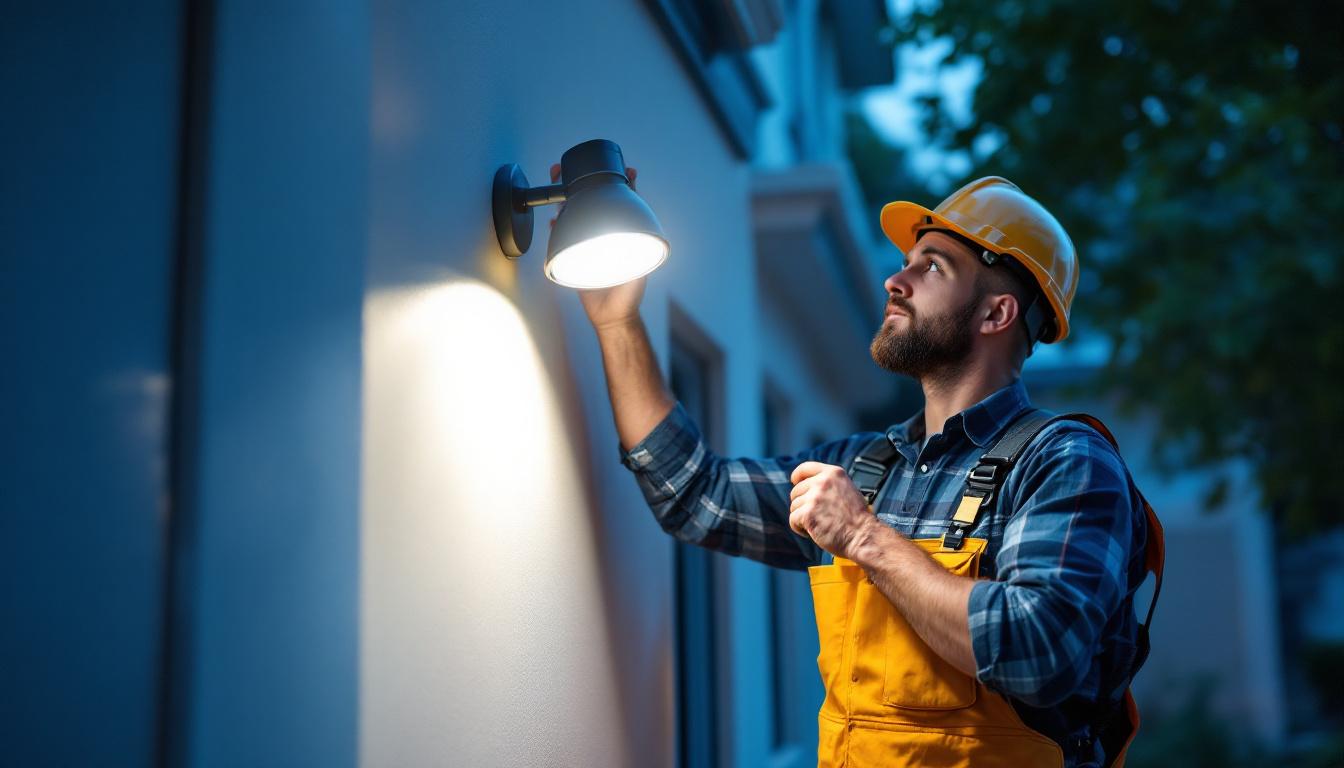
In the realm of modern lighting solutions, motion sensored spotlights have emerged as an innovative and practical option for enhancing security and convenience in residential and commercial spaces. As lighting contractors, understanding the intricacies of these systems is crucial for ensuring successful installations and satisfied clients. This article delves into the common issues associated with motion sensored spotlights and offers strategies to avoid them, ensuring a smooth installation process and optimal performance.
Understanding Motion Sensored Spotlights
Motion sensored spotlights utilize advanced technology to detect movement within a designated area, activating the light only when necessary. This feature not only conserves energy but also provides an added layer of security by illuminating dark areas when motion is detected. However, the effectiveness of these systems can be influenced by various factors, which lighting contractors must carefully consider. The placement of the spotlight, for instance, plays a crucial role in maximizing its efficiency. Proper positioning can ensure that the sensor has an unobstructed view of the area it is meant to monitor, thus reducing the chances of false alarms and enhancing the overall effectiveness of the lighting system.
Types of Motion Sensors
There are primarily two types of motion sensors used in spotlights: passive infrared (PIR) sensors and microwave sensors. PIR sensors detect heat emitted by objects, such as humans and animals, while microwave sensors emit microwave pulses and measure the reflection off moving objects. Understanding the differences between these sensors is vital for selecting the appropriate type for a specific installation. Each sensor type has its unique advantages and disadvantages, which can significantly influence the performance of the spotlight in various settings.
For example, PIR sensors are typically more suitable for outdoor applications where detecting human movement is essential. In contrast, microwave sensors may be better for larger areas or spaces with obstacles, as they can detect motion through walls and other barriers. Lighting contractors should assess the environment and the specific needs of the client to determine the best sensor type. Additionally, some modern systems combine both technologies to enhance detection capabilities, offering a more comprehensive solution for complex environments where movement patterns may vary significantly.
Key Features to Consider
When selecting motion sensored spotlights, several key features should be taken into account. These include detection range, sensitivity settings, and duration of light activation. The detection range determines how far the sensor can detect movement, while sensitivity settings allow for adjustments based on the surrounding environment. A spotlight with adjustable sensitivity can be particularly beneficial in areas with frequent wildlife activity, as it can help prevent unnecessary light activation caused by small animals.
Additionally, the duration of light activation can often be customized, enabling contractors to tailor the system to the client’s preferences. Some systems even offer smart features, such as integration with home automation systems, allowing users to control the lighting remotely or set schedules for activation. By understanding these features, lighting contractors can provide informed recommendations that align with the client’s needs and the specific characteristics of the installation site. Furthermore, considering energy efficiency ratings and the type of bulbs used can also enhance the long-term sustainability of the installation, making it a wise investment for both residential and commercial properties.
Common Issues with Motion Sensored Spotlights
While motion sensored spotlights offer numerous advantages, they are not without their challenges. Lighting contractors may encounter various issues during installation and operation, which can lead to dissatisfaction among clients if not addressed properly. Recognizing these common problems is the first step in implementing effective solutions.
False Triggers
One of the most frequent issues with motion sensored spotlights is false triggering. This occurs when the lights activate without any actual movement, often due to environmental factors such as wind, passing cars, or even animals. False triggers can lead to unnecessary energy consumption and may frustrate clients who expect the lights to function flawlessly.
To mitigate this issue, lighting contractors should carefully assess the installation site and consider the positioning of the sensors. Placing the sensors away from areas prone to movement—like busy streets or areas with heavy foliage—can significantly reduce false activations. Additionally, adjusting the sensitivity settings during installation can help tailor the system to the specific environment. Some advanced models even offer features that allow users to customize the detection range and sensitivity levels, providing an extra layer of control over how the system responds to its surroundings.
Inadequate Coverage
Another common problem is inadequate coverage of the intended area. If the motion sensor’s detection range is insufficient, certain zones may remain unlit, compromising security and convenience. This issue often arises when contractors fail to consider the layout of the space and the potential obstacles that could obstruct the sensor’s line of sight.
To avoid this problem, contractors should conduct a thorough site assessment before installation. Identifying potential obstructions and understanding the client’s needs will help determine the optimal placement of the spotlights. In some cases, multiple fixtures may be necessary to ensure comprehensive coverage, particularly in larger areas. Moreover, utilizing adjustable or swivel-mounted fixtures can enhance flexibility in directing light where it is most needed, ensuring that no corner remains dimly lit. This attention to detail not only improves functionality but also enhances the overall aesthetic appeal of the outdoor space.
Electrical Issues
Electrical issues can also pose significant challenges during the installation of motion sensored spotlights. These may include improper wiring, inadequate power supply, or compatibility problems with existing electrical systems. Such issues can lead to malfunctioning lights or, in some cases, complete failure of the system.
To prevent electrical problems, lighting contractors should ensure they are familiar with the electrical requirements of the selected fixtures. Conducting a thorough inspection of the existing wiring and power supply before installation can help identify potential issues early on. Furthermore, adhering to local electrical codes and regulations is essential for ensuring a safe and compliant installation. In addition, educating clients about the importance of regular maintenance checks can help prolong the lifespan of the system. Simple tasks, such as checking for loose connections or ensuring that the sensors are free from debris, can make a significant difference in the performance and reliability of motion sensored spotlights.
Best Practices for Successful Installation
To minimize the likelihood of issues arising with motion sensored spotlights, lighting contractors should adopt a set of best practices during the installation process. These practices not only enhance the performance of the lighting systems but also contribute to client satisfaction and trust in the contractor’s expertise.
Thorough Site Assessment
A comprehensive site assessment is the foundation of a successful installation. Contractors should evaluate the area where the spotlights will be installed, taking note of factors such as the layout, potential obstructions, and the specific needs of the client. This assessment should also include an analysis of the surrounding environment, including wildlife activity and potential sources of false triggers.
By understanding the unique characteristics of the installation site, contractors can make informed decisions regarding sensor placement, type, and settings. This proactive approach can significantly reduce the likelihood of issues arising post-installation.
Client Education
Educating clients about the functionality and limitations of motion sensored spotlights is crucial for setting realistic expectations. Contractors should take the time to explain how the sensors work, the factors that can affect their performance, and the importance of proper placement and settings.
Providing clients with information on how to adjust sensitivity settings and duration of activation can empower them to manage their lighting systems effectively. This education not only enhances client satisfaction but also fosters a sense of trust and professionalism in the contractor-client relationship.
Regular Maintenance and Follow-Up
After installation, regular maintenance and follow-up are essential for ensuring the continued performance of motion sensored spotlights. Contractors should schedule periodic check-ins with clients to assess the functionality of the systems and address any concerns that may arise.
During these follow-ups, contractors can provide maintenance tips, such as cleaning the sensors and adjusting settings as needed. This proactive approach not only helps maintain the effectiveness of the lighting systems but also reinforces the contractor’s commitment to customer service and satisfaction.
Addressing Client Concerns
Even with the best practices in place, clients may still have concerns regarding their motion sensored spotlights. Lighting contractors should be prepared to address these concerns promptly and professionally to maintain a positive relationship with their clients.
Responding to Feedback
Feedback from clients is invaluable for improving service and addressing any issues that may arise. Contractors should establish open lines of communication, encouraging clients to voice their concerns and questions. Promptly responding to feedback demonstrates a commitment to customer service and can help resolve issues before they escalate.
Additionally, contractors can use client feedback to identify common concerns and areas for improvement in their installation processes. This continuous improvement approach not only enhances client satisfaction but also strengthens the contractor’s reputation in the industry.
Offering Solutions
When clients express concerns about their motion sensored spotlights, it is essential for contractors to offer practical solutions. Whether it involves adjusting settings, repositioning sensors, or providing additional fixtures, demonstrating a willingness to address issues can significantly enhance client trust and satisfaction.
Providing solutions also reinforces the contractor’s expertise and professionalism, positioning them as a reliable resource for clients in the future. This proactive approach can lead to repeat business and referrals, ultimately contributing to the contractor’s success.
Conclusion
Motion sensored spotlights present a unique opportunity for lighting contractors to enhance their service offerings while addressing the evolving needs of clients. By understanding the technology, recognizing common issues, and implementing best practices during installation, contractors can avoid potential pitfalls and ensure client satisfaction.
Through thorough site assessments, client education, and regular maintenance, lighting contractors can build lasting relationships with their clients and establish themselves as trusted experts in the field. As the demand for innovative lighting solutions continues to grow, embracing these strategies will position contractors for success in an increasingly competitive market.
Illuminate Your Projects with LumenWholesale
Ready to elevate your lighting installations with the best in motion sensored spotlights? At LumenWholesale, we provide lighting contractors with the highest quality, spec-grade lighting products at prices that simply can’t be beaten. Say goodbye to the middleman and hello to superior lighting solutions that fit your project’s needs and budget. With our commitment to reliability and performance, plus the convenience of free shipping on bulk orders, you can trust that you’re getting the best value every time. Don’t compromise on quality or cost. Visit LumenWholesale today and discover the perfect blend of quality, affordability, and convenience for your next project.