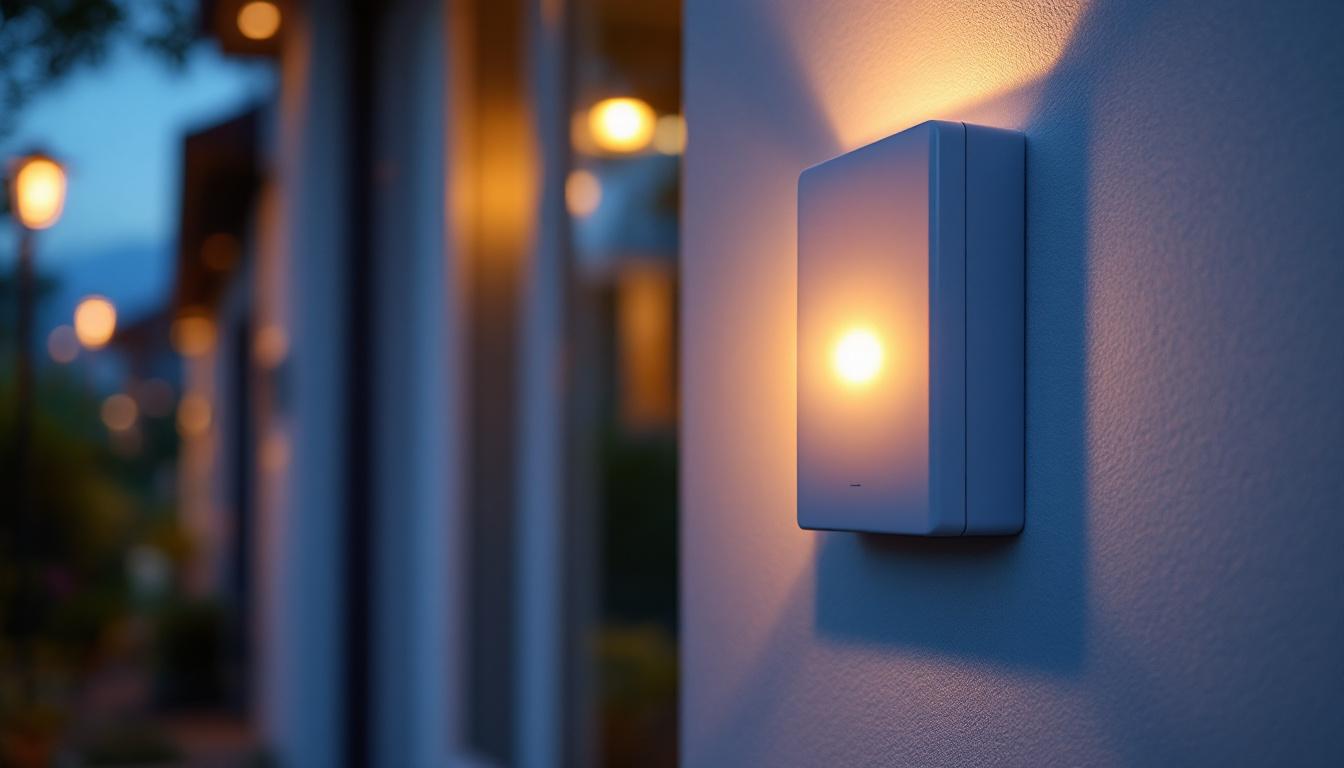
Introduction to Light Sensor Outdoor Switches
For lighting contractors, the integration of smart technology in outdoor lighting systems has become increasingly essential. Among these innovations, the light sensor outdoor switch stands out as a practical and efficient solution for controlling outdoor illumination based on ambient light conditions. Understanding the science behind these devices is crucial for contractors aiming to design, install, and maintain lighting systems that optimize energy use, enhance safety, and improve user convenience.
Light sensor outdoor switches, often referred to as photocell switches, automatically turn lighting fixtures on or off depending on the surrounding light intensity. This automation eliminates the need for manual control, ensuring that outdoor lights operate only when necessary. This not only conserves energy but also extends the lifespan of lighting equipment—an important consideration for contractors advising clients on cost-effective and sustainable solutions.
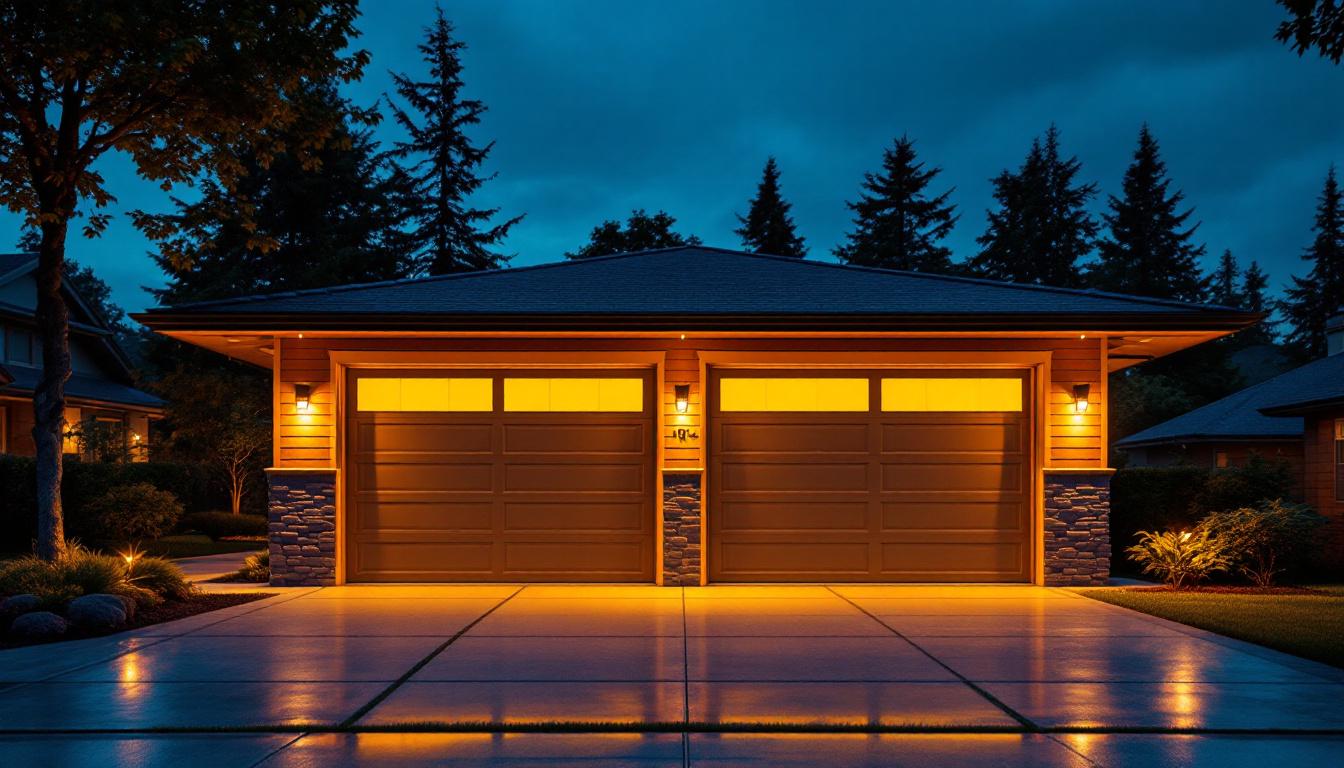
In addition to energy savings, light sensor outdoor switches contribute significantly to safety and security in residential and commercial properties. By ensuring that pathways, entrances, and parking areas are adequately illuminated during the night, these switches help prevent accidents and deter potential intruders. The ability to customize the sensitivity settings of these sensors allows contractors to tailor the lighting response to specific environments, ensuring that lights activate at the optimal times without unnecessary interruptions during twilight hours.
Moreover, advancements in technology have led to the development of smart light sensor switches that can integrate with home automation systems. These sophisticated devices can be programmed to work in conjunction with other smart home features, such as motion detectors and timers, creating a seamless and responsive lighting environment. For contractors, this opens up new avenues for offering clients enhanced control over their outdoor lighting, allowing for programmable schedules or remote access via smartphone applications. This level of customization not only elevates the user experience but also positions contractors as knowledgeable providers of cutting-edge solutions in a competitive market.
The Science Behind Light Sensors
How Light Sensors Detect Ambient Light
At the core of a light sensor outdoor switch is a photosensitive component that detects ambient light levels. The most common types of sensors used include photodiodes, phototransistors, and photoresistors (also known as LDRs, or Light Dependent Resistors). Each of these components reacts to light intensity by changing its electrical properties, which the switch’s circuitry then interprets to trigger the lighting system.
Photoresistors are widely used due to their simplicity and cost-effectiveness. They decrease resistance as light intensity increases, allowing more current to flow through the circuit. Conversely, in darkness, their resistance rises, reducing current flow and signaling the switch to activate the lighting fixture. Photodiodes and phototransistors operate on similar principles but offer faster response times and greater precision, which can be advantageous in certain outdoor lighting applications. For instance, photodiodes are often employed in applications requiring rapid light detection, such as in security systems where immediate response to changes in light can be crucial for safety.
Threshold Settings and Sensitivity
Light sensor switches are calibrated with threshold settings that determine the specific light level at which the switch activates or deactivates the connected lighting. These thresholds are typically adjustable, allowing contractors to tailor the system to the unique environmental conditions of each installation site. For example, a switch can be set to turn on lights at dusk when ambient light falls below a certain lux level and turn them off at dawn when natural light returns. This adaptability is particularly beneficial in regions with varying daylight hours throughout the year, ensuring optimal performance regardless of seasonal changes.
Sensitivity adjustments are also important to prevent false triggers caused by transient light sources such as vehicle headlights or passing shadows. Advanced outdoor switches may incorporate filtering algorithms or delay timers to ensure the lighting responds only to sustained changes in ambient light. Furthermore, some modern systems utilize machine learning techniques to analyze patterns in light changes over time, allowing the switch to learn and adapt to its environment, thereby enhancing its accuracy and reliability. This level of sophistication not only improves user experience but also contributes to energy efficiency by reducing unnecessary lighting activation.
Benefits of Using Light Sensor Outdoor Switches
Energy Efficiency and Cost Savings
One of the primary benefits of light sensor outdoor switches is their ability to reduce energy consumption. By ensuring that outdoor lights operate only when needed, these switches prevent unnecessary electricity use during daylight hours. This can translate into significant cost savings over time, especially for commercial properties with extensive outdoor lighting requirements.
Studies have shown that automated lighting controls can reduce energy usage by up to 30% compared to manual systems. For lighting contractors, recommending light sensor switches is a practical way to help clients achieve sustainability goals and comply with increasingly stringent energy regulations. Furthermore, as energy prices continue to rise, the financial incentive for businesses and homeowners to adopt these technologies becomes even more compelling. By investing in light sensor switches, property owners can not only lower their utility bills but also contribute to a broader effort to reduce carbon footprints, making them a responsible choice for environmentally conscious consumers.
Enhanced Safety and Security
Properly illuminated outdoor spaces are critical for safety and security. Light sensor switches guarantee that lighting is active during periods of low visibility, such as nighttime or inclement weather, without requiring manual intervention. This automatic operation helps deter criminal activity and reduces the risk of accidents caused by poor lighting.
Moreover, these switches support emergency preparedness by ensuring that critical outdoor lighting remains functional during power outages when paired with backup power systems. This reliability is a key selling point for contractors working on residential complexes, commercial facilities, and public infrastructure projects. Additionally, the presence of well-lit pathways, entryways, and parking lots can enhance the overall aesthetic of a property, making it more inviting and comfortable for visitors. This not only boosts the perceived value of the property but also encourages social interaction and community engagement, fostering a safer environment for all.
Extended Lifespan of Lighting Fixtures
Frequent switching on and off can reduce the lifespan of certain types of lighting fixtures, particularly incandescent and halogen bulbs. Light sensor switches help mitigate this issue by optimizing the duration and timing of lighting operation. By preventing lights from being on unnecessarily, the switches reduce wear and tear, leading to fewer replacements and lower maintenance costs.
For contractors, this means fewer callbacks and improved client satisfaction. Additionally, modern LED fixtures paired with light sensor switches offer even greater durability and efficiency, making them a preferred choice in contemporary outdoor lighting designs. The synergy between LED technology and light sensors not only enhances energy savings but also allows for a more flexible lighting design. With the ability to adjust brightness levels based on ambient light conditions, property owners can create dynamic outdoor environments that adapt to changing needs, whether for hosting events or simply enjoying a peaceful evening outdoors. This adaptability further solidifies the value of investing in light sensor outdoor switches, as they cater to both functional and aesthetic demands of modern outdoor spaces.
Installation Considerations for Lighting Contractors
Choosing the Right Sensor Type and Placement
Successful installation of light sensor outdoor switches begins with selecting the appropriate sensor type and positioning it correctly. Contractors must consider factors such as the sensor’s field of view, exposure to direct sunlight, and potential obstructions that could affect its accuracy.
For example, placing a sensor in a shaded area or behind a structure may cause it to misread ambient light levels, resulting in improper switching behavior. Conversely, exposure to artificial light sources like street lamps or vehicle headlights can lead to premature activation or delayed deactivation of the lighting system.
To avoid these issues, contractors should conduct a thorough site assessment and, if necessary, use shields or adjustable mounts to optimize sensor orientation. In some cases, integrating multiple sensors or using sensors with built-in light filters can enhance system reliability.
Wiring and Compatibility
Light sensor switches are designed to be compatible with a variety of lighting systems, including incandescent, fluorescent, and LED fixtures. However, contractors must verify the electrical specifications, such as voltage and current ratings, to ensure safe and effective integration.
Most outdoor light sensor switches operate on standard line voltage and can be wired in series with the lighting circuit. Some models also offer additional features like manual override switches or integration with smart home systems, which may require more complex wiring or communication protocols.
Proper grounding and weatherproofing are essential to prevent electrical hazards and ensure long-term durability, especially in harsh outdoor environments. Contractors should follow manufacturer guidelines and local electrical codes to maintain compliance and safety standards.
Emerging Technologies and Trends
Integration with Smart Lighting Systems
The evolution of smart lighting technology has expanded the capabilities of light sensor outdoor switches. Modern systems can be integrated with wireless networks, allowing remote monitoring and control via smartphones or building management platforms.
This connectivity enables lighting contractors to offer clients advanced features such as adaptive lighting schedules, real-time energy usage tracking, and automated responses to environmental conditions beyond ambient light, including motion detection and weather changes.
Such integration not only enhances user convenience but also supports data-driven maintenance and energy management strategies, positioning contractors at the forefront of the smart building revolution.
Advancements in Sensor Accuracy and Durability
Recent advancements in sensor technology have improved the accuracy, responsiveness, and durability of light sensor outdoor switches. Innovations include the use of silicon photodiodes with enhanced spectral sensitivity and the incorporation of temperature compensation mechanisms to maintain consistent performance across varying climates.
Additionally, ruggedized sensor housings and corrosion-resistant materials extend the operational lifespan of these devices in challenging outdoor conditions. For lighting contractors, staying informed about these technological improvements is vital to recommending the most reliable and cost-effective solutions to clients.
Conclusion: Maximizing Value for Clients
Light sensor outdoor switches represent a smart investment for lighting contractors and their clients. By understanding the scientific principles, operational benefits, and installation best practices, contractors can design outdoor lighting systems that deliver energy efficiency, safety, and durability.
As the demand for sustainable and intelligent lighting solutions grows, mastering the use of light sensor switches will empower contractors to meet client expectations and contribute to greener, safer communities. Continuous education on emerging technologies and adherence to industry standards will ensure that contractors remain competitive and effective in this evolving field.
Illuminate Your Projects with LumenWholesale
Ready to elevate your outdoor lighting projects with the most efficient light sensor switches on the market? Look no further than LumenWholesale, where we provide lighting contractors with the highest quality, spec-grade lighting products at unbeatable wholesale prices. Say goodbye to the middleman and hello to superior lighting solutions that meet rigorous industry standards. With our hassle-free bulk buying and free shipping, you can trust that you’re getting premium lighting at the best value — all without hidden fees or compromises. Enhance your outdoor lighting systems today and make a lasting impression on your clients. Discover the perfect blend of quality, affordability, and convenience at LumenWholesale.