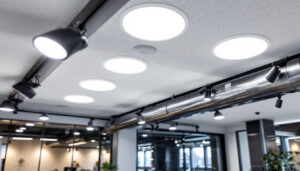
Understanding the Importance of Cost Management in Lighting Projects
For lighting contractors, managing costs effectively is crucial to maintaining profitability and competitiveness. Light fixture hardware, while often overlooked, represents a significant portion of project expenses. From mounting brackets and electrical connectors to bulbs and decorative elements, hardware components can quickly add up, impacting overall project budgets.
Successful contractors recognize that cost-saving strategies in hardware procurement and installation not only improve margins but also enhance client satisfaction by delivering quality results within budget. This article explores practical approaches to optimizing hardware costs without compromising on quality or safety.
The Role of Hardware in Project Budgets
Hardware costs can constitute anywhere from 15% to 30% of a lighting project’s total expenses, depending on the scale and complexity. For large commercial installations, these costs multiply rapidly, making it essential to scrutinize every component. Even small savings per fixture can translate into substantial financial benefits when multiplied across dozens or hundreds of units.
Moreover, hardware quality directly affects installation time and maintenance needs. Choosing substandard components to save upfront costs often leads to increased labor hours, callbacks, and warranty claims, which erode profits over time. Therefore, a balanced approach that considers both price and durability is key.
Additionally, the integration of technology in lighting hardware has introduced new dimensions to cost management. Smart lighting systems, for instance, may have a higher initial investment but can lead to significant savings in energy costs and maintenance over time. Understanding the long-term benefits of investing in advanced hardware can help contractors make informed decisions that align with their clients’ sustainability goals, ultimately enhancing the project’s value proposition.
Furthermore, collaboration with suppliers can yield advantageous pricing and bulk purchase discounts, allowing contractors to negotiate better terms. Establishing strong relationships with manufacturers can also provide insights into upcoming trends and innovations in lighting technology, enabling contractors to stay ahead of the competition while optimizing their hardware selections. By leveraging these partnerships, contractors can not only reduce costs but also improve their overall service offerings, making them more attractive to potential clients.
Smart Procurement: Strategies to Reduce Hardware Costs
One of the most effective ways to save on light fixture hardware is through strategic procurement. Lighting contractors who adopt thoughtful purchasing practices can secure better pricing and reduce waste.
Bulk Purchasing and Supplier Negotiations
Buying hardware in bulk is a time-tested method to lower unit costs. Suppliers often provide discounts for large orders, which can significantly reduce expenses. Lighting contractors should analyze upcoming projects to consolidate hardware needs and place larger, less frequent orders.
Building strong relationships with suppliers also opens doors to negotiation opportunities. Contractors who demonstrate loyalty and consistent business can leverage this to obtain better pricing, favorable payment terms, or access to exclusive product lines.
Furthermore, contractors can enhance their negotiation tactics by researching market trends and competitor pricing. Understanding the landscape allows contractors to present compelling arguments during negotiations, ensuring they secure the best possible deals. Additionally, attending industry trade shows and networking events can provide insights into new suppliers and emerging products, further expanding procurement options.
Standardizing Hardware Components
Standardizing the types of hardware used across projects simplifies inventory management and enhances purchasing power. When contractors limit the variety of brackets, connectors, and fasteners, they can order larger quantities of a few standardized items, often at reduced rates.
This approach also reduces the likelihood of ordering errors and excess stock, which can tie up capital and storage space. Additionally, it streamlines training for installation crews, improving efficiency and reducing labor costs.
Moreover, standardization can lead to improved project timelines, as teams become familiar with the specific components they are using. This familiarity can lead to quicker installations and fewer mistakes on the job site, ultimately resulting in cost savings and increased client satisfaction. Contractors might also consider implementing a centralized inventory management system to track standardized components, further enhancing operational efficiency.
Utilizing Local and Alternative Suppliers
While established suppliers offer reliability, exploring local or alternative vendors can uncover cost advantages. Local suppliers may provide lower shipping costs and faster delivery times, reducing project delays and storage needs.
Alternative suppliers, including manufacturers specializing in generic or off-brand hardware, can offer competitive pricing without sacrificing quality. However, contractors should carefully vet these sources to ensure compliance with safety standards and compatibility with fixtures.
In addition to cost savings, working with local suppliers can foster community relationships and support local economies. Many local vendors are more flexible and responsive to the needs of contractors, allowing for quicker adjustments to orders or last-minute requests. Establishing partnerships with these suppliers can also lead to collaborative opportunities, such as joint marketing efforts or shared resources, which can further enhance the contractor’s business profile and reach within the industry.
Optimizing Installation Practices to Save Costs
Hardware cost savings extend beyond procurement to the installation phase. Efficient installation techniques reduce labor hours and minimize material waste, both of which contribute to overall project savings.
Pre-Assembly and Modular Installation
Pre-assembling hardware components off-site or in a controlled environment can speed up on-site installation. Modular hardware systems designed for quick assembly reduce complexity and the risk of errors during installation.
Contractors who invest time in pre-assembly can shorten project timelines, lowering labor costs and enabling quicker project turnover. This approach also improves safety by reducing the amount of work performed at height or in confined spaces. Furthermore, pre-assembly allows for better quality control, as components can be tested and verified in a more controlled setting, ensuring that they meet all necessary specifications before reaching the job site. This not only enhances the overall quality of the installation but also minimizes disruptions caused by unexpected issues during the final assembly phase.
Training and Skill Development
Well-trained installation teams work more efficiently and make fewer mistakes, which translates into cost savings. Regular training on the latest hardware technologies and installation methods ensures crews are prepared to handle diverse projects with confidence.
Investing in skill development reduces the time spent troubleshooting hardware issues and decreases the likelihood of costly rework. It also enhances the contractor’s reputation for quality workmanship, potentially leading to more business. Additionally, fostering a culture of continuous learning can motivate teams, as they feel more competent and valued in their roles. This not only boosts morale but also encourages innovation, as skilled workers are more likely to propose improvements or new techniques that can further streamline the installation process.
Implementing Quality Control Measures
Effective quality control during installation helps identify hardware defects or compatibility issues early, preventing expensive delays or replacements. Routine inspections and checklists ensure that all components meet specifications and are installed correctly.
By catching problems before project completion, contractors avoid warranty claims and maintain client trust. This proactive approach to quality management is an essential cost-saving strategy. Moreover, incorporating technology, such as digital inspection tools and real-time monitoring systems, can enhance the quality control process. These technologies allow for immediate feedback and adjustments, ensuring that any discrepancies are addressed promptly. As a result, the installation process becomes more transparent, and stakeholders can have greater confidence in the project’s progress and outcomes.
Leveraging Technology and Innovation in Hardware Management
Advancements in technology offer lighting contractors new tools to manage hardware costs more effectively. Embracing these innovations can streamline operations and reduce waste.
Inventory Management Software
Modern inventory management systems provide real-time tracking of hardware stock levels, usage rates, and reorder points. This data-driven approach prevents overstocking and stockouts, both of which can inflate costs.
By integrating inventory software with project management tools, contractors gain better visibility into hardware needs, enabling precise ordering and reducing excess inventory. This leads to improved cash flow and less material obsolescence.
3D Modeling and Project Planning Tools
Using 3D modeling software during project planning allows contractors to visualize fixture placements and hardware requirements accurately. This reduces guesswork and helps identify potential hardware conflicts or shortages before procurement.
Detailed project planning minimizes last-minute hardware purchases at premium prices and reduces waste from ordering incorrect components. It also facilitates communication with clients and suppliers, ensuring alignment on project specifications.
Energy-Efficient and Modular Hardware Solutions
Innovative hardware designs focused on energy efficiency and modularity can lower long-term costs. For example, LED-compatible mounting systems and adjustable brackets reduce the need for future upgrades or replacements.
While these advanced hardware options may have higher upfront costs, their durability and adaptability often result in savings over the fixture’s lifecycle. Contractors who stay informed about emerging hardware technologies can offer clients more sustainable and cost-effective solutions.
Case Studies: Real-World Examples of Cost Savings
Examining successful implementations of cost-saving strategies provides valuable insights for lighting contractors seeking to optimize their hardware expenses.
Commercial Office Lighting Retrofit
A lighting contractor working on a large office retrofit project standardized all mounting hardware across 200 fixtures, enabling a bulk purchase that reduced hardware costs by 18%. Pre-assembly of mounting brackets off-site shortened installation time by 25%, leading to significant labor savings.
Additionally, the contractor employed inventory management software to track hardware usage, avoiding over-ordering and reducing waste. The combined strategies resulted in a 15% overall reduction in project costs without compromising quality.
Hospitality Lighting Installation
In a hotel lighting upgrade, the contractor sourced hardware from a local supplier offering competitive pricing and faster delivery. This approach eliminated shipping delays and storage expenses. Training sessions focused on new modular hardware systems improved installation efficiency, cutting labor hours by 20%.
The contractor also used 3D modeling to plan fixture placements precisely, preventing hardware misorders. These measures collectively enhanced profitability while maintaining high standards of workmanship.
Conclusion: Balancing Cost and Quality for Sustainable Success
For lighting contractors, effective cost-saving strategies related to light fixture hardware are essential for maintaining competitive edge and profitability. By combining smart procurement, optimized installation practices, and technology adoption, contractors can reduce expenses without sacrificing quality or safety.
Standardization, supplier relationships, and workforce training play pivotal roles in controlling hardware costs. Meanwhile, leveraging inventory management and project planning tools enhances accuracy and efficiency. Ultimately, contractors who approach hardware management thoughtfully position themselves for sustainable success in a dynamic industry.
Discover Unmatched Value with LumenWholesale
Ready to elevate your lighting projects while keeping costs in check? LumenWholesale is your trusted partner for spec-grade lighting products at unbeatable wholesale prices. Say goodbye to middleman markups and hello to a vast selection of premium, industry-standard lighting solutions. With free shipping on bulk orders, we ensure you get the best value without any hidden fees. Don’t compromise on quality or cost—choose LumenWholesale for the perfect blend of affordability and performance. Wholesale Lighting at the Best Value is just a click away.