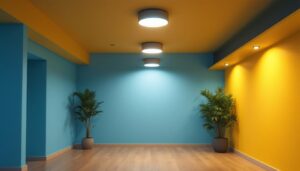
Recessed ceiling lights have become a staple in modern lighting design, offering a sleek and unobtrusive way to illuminate spaces. For lighting contractors, understanding the various types of light bulbs available for these fixtures is essential. This article delves into the key aspects of light bulbs for recessed ceiling lights, ensuring that contractors are well-equipped to make informed decisions for their projects.
Understanding Recessed Lighting
Recessed lighting, often referred to as can lighting or downlighting, is installed into the ceiling, creating a clean and minimalist look. These fixtures can enhance the aesthetics of a room while providing functional lighting. However, the choice of light bulb plays a crucial role in the overall effectiveness and efficiency of recessed lighting.
Types of Recessed Lighting Fixtures
Before selecting a light bulb, it is important to understand the different types of recessed lighting fixtures available. The most common types include:
- New Construction Fixtures: These are designed for installation in new builds or during major renovations. They are typically mounted directly to ceiling joists.
- Remodel Fixtures: Ideal for retrofitting existing spaces, these fixtures can be installed into ceilings without the need for extensive renovations.
- Adjustable Fixtures: These allow for directional lighting, making them perfect for highlighting artwork or architectural features.
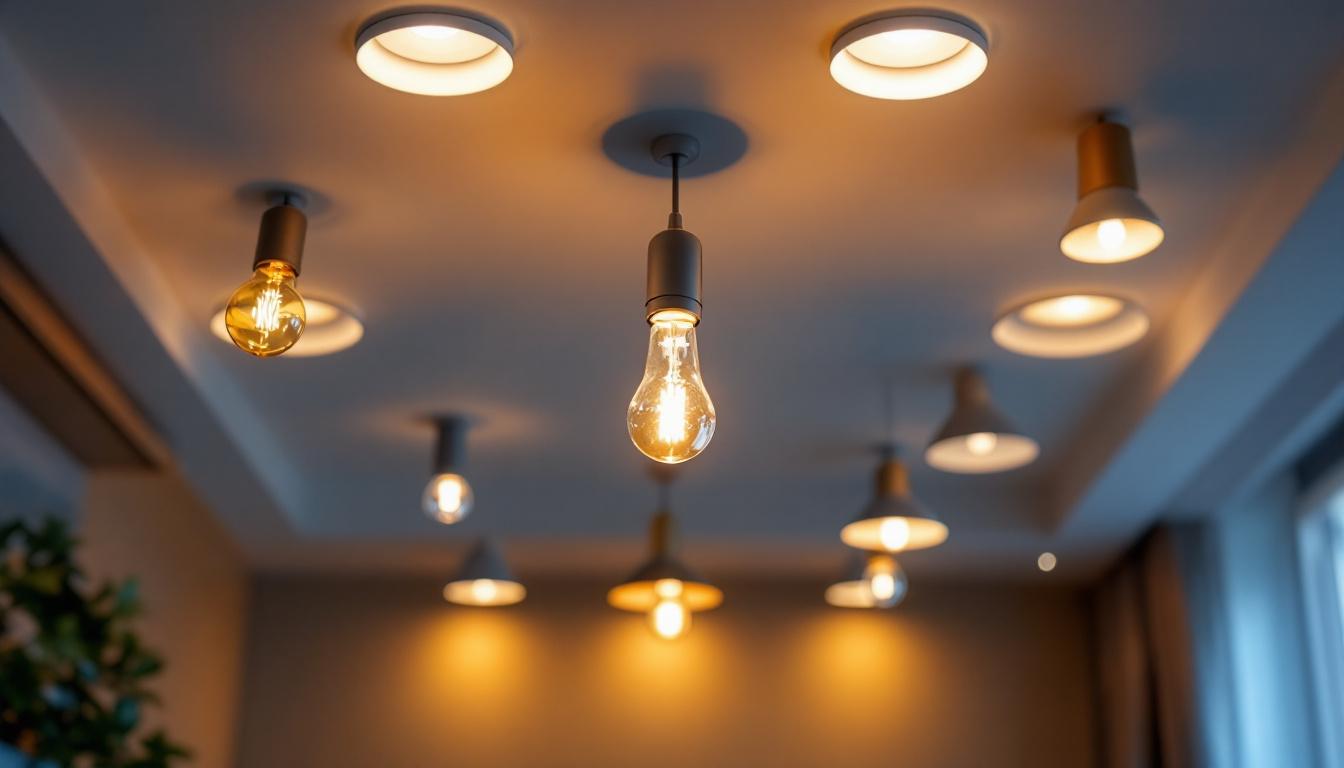
Each type of fixture may have specific requirements for compatible light bulbs, influencing the selection process significantly. For instance, new construction fixtures often come with more robust insulation and wiring options, allowing for a wider range of bulb types, including LED, halogen, or incandescent. Meanwhile, remodel fixtures may have limited space, making it essential to choose bulbs that fit comfortably without overheating.
Importance of Choosing the Right Bulb
The choice of light bulb can affect not only the quality of light but also energy efficiency, longevity, and maintenance costs. Selecting the appropriate bulb for recessed lighting ensures optimal performance and satisfaction for clients. Factors such as brightness, color temperature, and energy consumption should be carefully considered. For example, LED bulbs are increasingly popular due to their low energy consumption and long lifespan, which can significantly reduce replacement frequency and energy bills over time. Additionally, the color temperature of the bulb can create different moods in a space; warmer tones can make a room feel cozy, while cooler tones can enhance focus and productivity.
Moreover, it’s essential to consider the lumen output of the bulbs, as this will determine how bright the space will be. A higher lumen count is necessary for areas requiring more light, such as kitchens or workspaces, while softer lighting may be more suitable for living rooms or bedrooms. Dimming capabilities are another factor to take into account, as they allow for greater control over the ambiance of a room, enabling users to adjust the lighting according to their needs or preferences. This flexibility can transform the atmosphere of a space, making it more inviting or functional as required.
Types of Light Bulbs for Recessed Lighting
When it comes to recessed lighting, several types of light bulbs are commonly used. Each type has its own advantages and disadvantages, making it essential for contractors to understand their characteristics.
Incandescent Bulbs
Incandescent bulbs have been a traditional choice for recessed lighting due to their warm light and excellent color rendering. However, they are not the most energy-efficient option available. While they provide a cozy ambiance, their shorter lifespan and higher energy consumption make them less favorable in modern applications. Additionally, the dimming capabilities of incandescent bulbs are often superior, allowing for a more customizable lighting experience. This can be particularly beneficial in settings where mood lighting is desired, such as in living rooms or dining areas.
Halogen Bulbs
Halogen bulbs are a type of incandescent bulb that offers improved energy efficiency and a longer lifespan. They produce a bright, white light and are often used in applications requiring higher illumination levels. Despite their advantages, halogen bulbs still consume more energy than LED options and can generate significant heat. This heat output can be a concern in tight spaces, as it may lead to overheating of fixtures or surrounding materials. However, halogen bulbs are also known for their ability to provide excellent color rendering, making them ideal for highlighting artwork or architectural features.
Compact Fluorescent Lamps (CFLs)
CFLs are more energy-efficient than incandescent and halogen bulbs, making them a popular choice for recessed lighting. They have a longer lifespan and lower energy consumption, but their light quality may not be as warm or inviting. Additionally, CFLs can take time to reach full brightness, which may not be suitable for all applications. They are also sensitive to temperature fluctuations, which can affect their performance in unconditioned spaces. Nevertheless, CFLs are available in a variety of shapes and sizes, allowing for flexibility in design and installation.
Light Emitting Diodes (LEDs)
LEDs have rapidly gained popularity in the lighting industry due to their exceptional energy efficiency, long lifespan, and versatility. They are available in a variety of color temperatures and can produce a range of brightness levels. Furthermore, LEDs generate minimal heat, making them safer for use in enclosed recessed fixtures. Their durability is another significant advantage, as they are less likely to break compared to other bulb types. Additionally, many LED options now come with smart technology, allowing users to control brightness and color temperature through mobile apps or voice commands, enhancing the overall functionality of recessed lighting systems.
Key Considerations for Selecting Light Bulbs
Choosing the right light bulb for recessed ceiling lights involves several considerations that can impact both functionality and aesthetics. Contractors should keep the following factors in mind:
Brightness and Lumens
The brightness of a light bulb is measured in lumens. When selecting bulbs for recessed lighting, it is essential to determine the desired brightness level for the space. Generally, a higher lumen output is required for areas needing more illumination, such as kitchens or workspaces, while lower lumen levels may suffice for ambient lighting in living rooms or bedrooms.
Color Temperature
Color temperature, measured in Kelvin (K), affects the mood and appearance of a space. Warmer temperatures (2700K-3000K) create a cozy atmosphere, while cooler temperatures (4000K-5000K) provide a more energetic and modern feel. Understanding the intended use of the space can guide the selection of the appropriate color temperature for recessed lighting.
Energy Efficiency and Lifespan
Energy efficiency is a critical consideration for both cost savings and environmental impact. LEDs are the most energy-efficient option, consuming significantly less power than incandescent or halogen bulbs. Additionally, the lifespan of the bulb should be taken into account, as longer-lasting bulbs reduce maintenance costs and the frequency of replacements.
Installation Tips for Recessed Lighting
Proper installation is key to achieving the best performance from recessed lighting. Here are some essential tips for contractors to consider during the installation process:
Determine the Layout
Before installation, it is crucial to plan the layout of the recessed lights. Factors such as ceiling height, room dimensions, and furniture placement should be considered to ensure even light distribution and avoid shadows. A well-thought-out layout enhances the overall effectiveness of the lighting design.
Consider the Trim Style
The trim style of recessed lighting can significantly impact the overall look and feel of the space. Options include baffle, reflector, and adjustable trims, each offering different aesthetic and functional benefits. Selecting the right trim style can enhance the visual appeal while optimizing light distribution.
Ensure Proper Electrical Connections
Safety is paramount when installing recessed lighting. Contractors should ensure that all electrical connections are secure and meet local codes and regulations. Using compatible dimmer switches can also enhance the versatility of recessed lighting, allowing clients to adjust the ambiance as needed.
Maintenance and Troubleshooting
Even the best lighting installations require maintenance and occasional troubleshooting. Being proactive can help contractors address issues before they become significant problems.
Regular Inspections
Regularly inspecting recessed lighting can help identify potential issues, such as flickering bulbs or dimming lights. Contractors should encourage clients to monitor their lighting and report any concerns promptly. This proactive approach can lead to quicker resolutions and improved client satisfaction.
Replacing Bulbs
When replacing bulbs, it is essential to choose compatible options that match the specifications of the existing fixtures. Contractors should educate clients on the importance of selecting high-quality bulbs to ensure optimal performance and longevity. Providing guidance on proper replacement techniques can also enhance safety.
Addressing Common Issues
Common issues with recessed lighting can include flickering, buzzing, or uneven illumination. Identifying the root cause of these problems is crucial for effective troubleshooting. In many cases, these issues can be resolved by checking electrical connections, replacing faulty bulbs, or adjusting the trim style.
Future Trends in Recessed Lighting
The lighting industry is continually evolving, with new technologies and trends emerging regularly. Staying informed about these developments can help contractors remain competitive and offer clients the best solutions.
Smart Lighting Integration
Smart lighting technology is gaining traction in residential and commercial spaces. Integrating smart bulbs and controls into recessed lighting systems allows clients to customize their lighting experience. Features such as remote control, scheduling, and voice activation enhance convenience and energy efficiency.
Advancements in LED Technology
As LED technology continues to advance, new options are becoming available, including tunable white and color-changing LEDs. These innovations provide contractors with even more flexibility in designing lighting solutions that cater to diverse client preferences and applications.
Focus on Sustainability
With a growing emphasis on sustainability, contractors are increasingly being called upon to provide energy-efficient lighting solutions. Understanding the environmental impact of various lighting options can help contractors make informed recommendations that align with clients’ sustainability goals.
Conclusion
In conclusion, understanding the various types of light bulbs available for recessed ceiling lights is essential for lighting contractors. By considering factors such as brightness, color temperature, and energy efficiency, contractors can make informed decisions that enhance the functionality and aesthetics of their projects. Proper installation, maintenance, and staying abreast of industry trends further ensure that contractors can provide exceptional service and solutions to their clients.
With the right knowledge and tools, lighting contractors can navigate the complexities of recessed lighting and deliver outstanding results that meet the diverse needs of their clients.
Illuminate Your Projects with LumenWholesale
Ready to elevate your lighting projects with the highest quality recessed ceiling lights? Look no further than LumenWholesale, where we provide contractors with spec-grade lighting products at unbeatable wholesale prices. Say goodbye to local distributor markups and hello to our premium selection that meets rigorous industry standards. Plus, with free shipping on bulk orders, you can trust that you’re getting the best value without any hidden costs. Enhance your lighting solutions today by visiting Wholesale Lighting at the Best Value and discover the LumenWholesale difference.