Understanding LED Wall Mount Light Fixtures
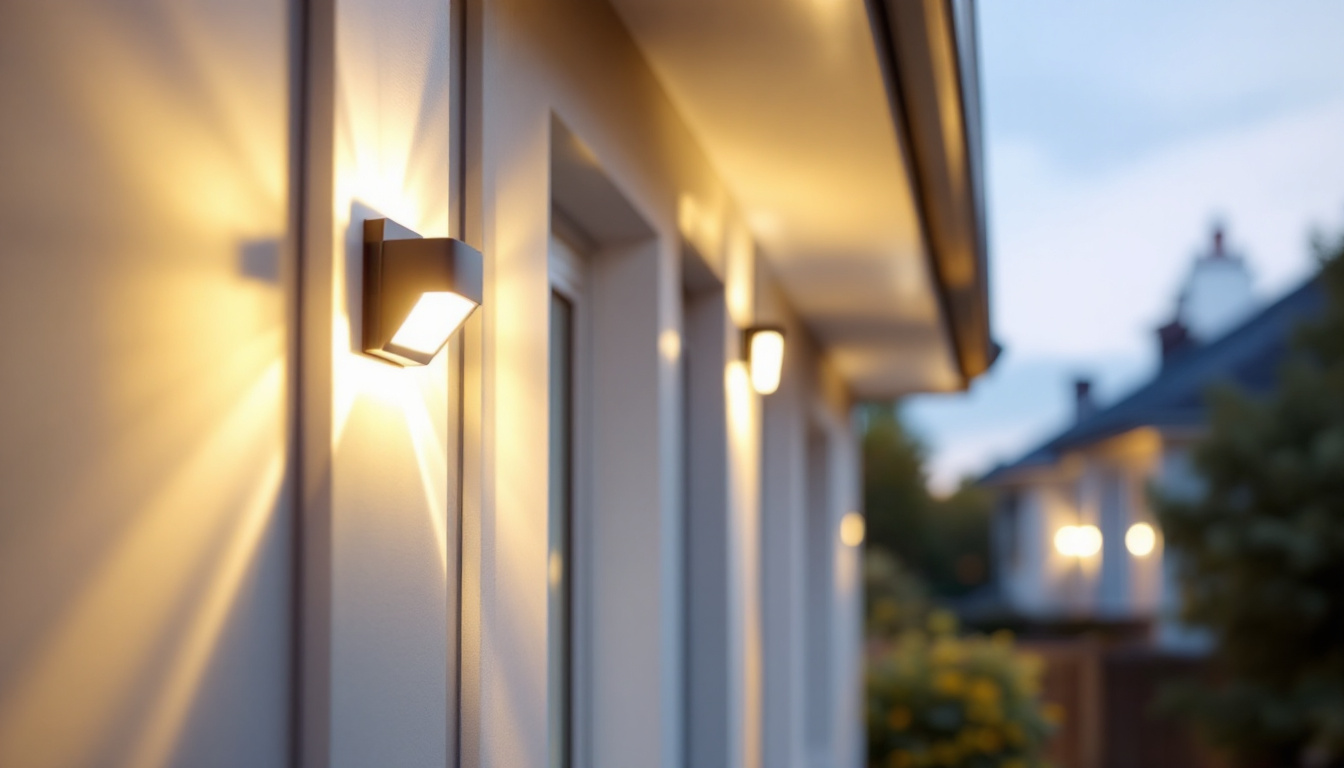
LED wall mount light fixtures have become a staple in both commercial and residential lighting projects. Their energy efficiency, longevity, and versatility make them a preferred choice for lighting contractors aiming to deliver high-quality illumination solutions. However, selecting and installing these fixtures requires a thorough understanding of their specifications and applications to ensure optimal performance and client satisfaction.
For lighting contractors, the LED wall mount fixture is not just a product but a critical component that influences the ambiance, safety, and energy consumption of a space. This checklist is designed to guide professionals through the essential considerations when working with LED wall mount lights, from design and installation to maintenance and compliance.
One of the key advantages of LED wall mount fixtures is their adaptability to various environments. Whether it’s a sleek, modern office, a cozy residential area, or an industrial setting, these fixtures can be tailored to meet specific aesthetic and functional needs. With options ranging from adjustable brightness levels to a variety of color temperatures, contractors can create the perfect atmosphere for any space. Furthermore, many LED fixtures come with smart technology capabilities, allowing for remote control and automated lighting schedules, which can enhance energy savings and user convenience.
Another important aspect to consider is the installation process itself. Proper mounting and positioning are crucial to maximize the effectiveness of LED wall mount lights. Contractors must take into account factors such as the height of the installation, the angle of illumination, and the proximity to other light sources to avoid shadows and ensure even distribution of light. Additionally, understanding local building codes and regulations regarding electrical installations is vital to ensure compliance and safety. By paying close attention to these details, contractors can not only enhance the functionality of the lighting but also contribute to the overall aesthetic appeal of the space.
Key Specifications to Evaluate Before Selection
Luminous Efficacy and Brightness
One of the primary factors to consider is the luminous efficacy, which measures how well a light source produces visible light, typically expressed in lumens per watt (lm/W). High luminous efficacy means more light output for less energy consumed, a crucial aspect for clients focused on sustainability and cost savings.
Lighting contractors should assess the brightness requirements based on the installation environment. For example, outdoor security lighting demands higher brightness levels compared to decorative wall sconces in residential settings. Understanding the lumen output and how it aligns with the project’s lighting goals is essential. Additionally, it is important to consider the distribution of light; a well-designed lighting plan not only focuses on brightness but also on how light is spread across the area, preventing dark spots and ensuring safety and visibility.
Color Temperature and Color Rendering Index (CRI)
Color temperature, measured in Kelvins (K), influences the mood and functionality of a space. Warm white (2700K-3000K) is often preferred for residential and hospitality environments, while cooler temperatures (4000K-5000K) suit commercial and industrial applications.
The Color Rendering Index (CRI) indicates how accurately the light source reveals colors compared to natural light. A CRI of 80 or above is generally recommended for most applications, ensuring that colors appear vibrant and true to life. Lighting contractors should match the CRI and color temperature to the client’s aesthetic and functional needs. Furthermore, it is beneficial to provide clients with visual aids or samples to help them visualize how different color temperatures will affect their spaces, as this can significantly influence their satisfaction with the final outcome.
Fixture Material and Durability
The material of the LED wall mount fixture significantly impacts its durability and suitability for different environments. Common materials include aluminum, stainless steel, and polycarbonate. Aluminum fixtures offer excellent heat dissipation and corrosion resistance, making them ideal for outdoor installations.
For coastal or industrial environments where exposure to harsh elements is expected, stainless steel or specially coated fixtures provide enhanced protection. Contractors must evaluate the environmental conditions and select materials that ensure longevity and minimal maintenance. In addition to material selection, it is also important to consider the finish of the fixtures. A powder-coated finish can provide an extra layer of protection against UV rays and salt air, while also allowing for a variety of aesthetic options that can complement the overall design of the space. Understanding these nuances can help contractors make informed decisions that align with both functional and aesthetic requirements.
Installation Considerations for Lighting Contractors
Mounting Location and Orientation
Proper placement of LED wall mount fixtures is critical to achieving desired lighting effects and ensuring safety. Contractors should conduct a thorough site assessment to determine the optimal height and angle for mounting.
For security lighting, fixtures should be positioned to minimize shadows and cover key areas such as entrances and pathways. In decorative applications, the orientation can highlight architectural features or create ambient lighting. Understanding the client’s priorities and the spatial layout is essential for effective installation. Additionally, contractors should consider the impact of surrounding structures and landscaping, as these elements can influence light distribution and visibility. For instance, tall trees or nearby buildings may obstruct light, necessitating adjustments in fixture placement to ensure comprehensive coverage.
Electrical Compatibility and Wiring
Ensuring electrical compatibility is a key step in the installation process. LED fixtures typically operate on low voltage or line voltage systems, and contractors must verify that the existing wiring and power supply match the fixture’s requirements.
Additionally, integrating dimmers or smart controls requires compatible drivers and wiring configurations. Proper grounding and adherence to electrical codes are mandatory to guarantee safety and functionality. Lighting contractors should also consider future-proofing installations by allowing space for upgrades or additional controls. This foresight can save time and resources in the long run, as technology evolves rapidly. For example, incorporating wireless control systems or energy monitoring devices can enhance the functionality of the lighting setup, providing clients with greater control and efficiency.
Heat Management and Ventilation
LEDs generate less heat than traditional light sources, but effective heat dissipation remains crucial to maintaining fixture longevity and performance. Many LED wall mount fixtures incorporate heat sinks or ventilation features to manage thermal output.
Contractors should ensure that the installation site allows for adequate airflow around the fixture. Enclosed or poorly ventilated areas can lead to overheating and premature failure. Selecting fixtures with robust thermal management designs and following manufacturer guidelines is essential. Furthermore, it’s beneficial to educate clients about the importance of regular maintenance, such as cleaning dust and debris from fixtures, which can obstruct airflow and hinder performance. By fostering an understanding of these factors, contractors can help clients maximize the lifespan and efficiency of their lighting installations.
Compliance and Safety Standards
Understanding Relevant Codes and Certifications
Lighting contractors must stay informed about local and national electrical codes, as well as industry standards governing LED lighting installations. Compliance ensures safety, legal adherence, and often impacts insurance and warranty considerations.
Key certifications to look for include UL (Underwriters Laboratories) listing, DLC (DesignLights Consortium) qualification, and IP (Ingress Protection) ratings. UL listing confirms that the fixture meets safety standards, while DLC qualification indicates energy efficiency and performance. IP ratings describe the fixture’s resistance to dust and water, critical for outdoor or damp locations.
Energy Efficiency Incentives and Rebates
Many jurisdictions offer incentives and rebates for installing energy-efficient lighting solutions such as LED fixtures. Lighting contractors should be knowledgeable about these programs to assist clients in reducing upfront costs and maximizing return on investment.
Documenting compliance with energy codes and using DLC-qualified products often qualifies projects for such incentives. Contractors who proactively incorporate these benefits into proposals can enhance client satisfaction and competitive advantage.
Maintenance and Longevity
Routine Inspection and Cleaning
Although LED fixtures require less maintenance than traditional lighting, regular inspection and cleaning are necessary to sustain optimal performance. Dust, dirt, and debris can accumulate on lenses and heat sinks, reducing light output and impairing heat dissipation.
Contractors should advise clients on maintenance schedules and procedures, including using appropriate cleaning materials that do not damage the fixture’s surface or electronics. Establishing maintenance contracts can also provide ongoing value and ensure the lighting system’s longevity.
Replacement and Upgrades
LED technology continues to evolve rapidly, offering improved efficiency, color quality, and control options. Lighting contractors should stay abreast of advancements to recommend timely upgrades or replacements that enhance client satisfaction and system performance.
When replacing fixtures, matching the new product’s specifications with the existing installation is critical to maintain consistent lighting quality. Additionally, upgrading to smart lighting controls can provide enhanced energy management and user convenience.
Final Checklist for Lighting Contractors
- Assess project-specific lighting requirements including brightness, color temperature, and CRI.
- Choose fixture materials suitable for the environmental conditions of the installation site.
- Determine optimal mounting location and orientation based on functional and aesthetic goals.
- Verify electrical compatibility, wiring, and compliance with local codes and standards.
- Ensure fixtures have adequate heat management features and installation space for ventilation.
- Confirm UL, DLC, and IP certifications to guarantee safety and performance.
- Inform clients about available energy efficiency incentives and rebates.
- Establish maintenance plans to sustain fixture performance and longevity.
- Stay updated on LED technology advancements for future upgrades and replacements.
By following this comprehensive checklist, lighting contractors can confidently specify, install, and maintain LED wall mount light fixtures that meet client expectations, comply with regulations, and deliver long-term value.
Illuminate Your Projects with LumenWholesale
Ready to elevate your lighting projects with the best in LED wall mount light fixtures? Look no further than LumenWholesale, where we provide contractors with exceptional, spec-grade lighting products at unbeatable wholesale prices. Say goodbye to local distributor markups and hello to a vast selection of industry-standard lighting solutions that promise reliability and high performance. With LumenWholesale, bulk buying is a breeze, and with free shipping, you’re guaranteed premium lighting at the best value — no hidden fees, no compromises. Don’t miss out on the perfect combination of quality, affordability, and convenience. Visit LumenWholesale today for Wholesale Lighting at the Best Value, and light up your projects with confidence.