Understanding LED Strip Shop Lights
LED strip shop lights have gained immense popularity in recent years, especially among retail and commercial spaces. These versatile lighting solutions are not only energy-efficient but also offer a range of customizable options that can enhance the aesthetics of any shop. As a lighting contractor, it is essential to understand the unique features and benefits of LED strip lights to meet client expectations effectively.
Clients often look for solutions that not only illuminate their spaces but also create a welcoming atmosphere. LED strip lights can be used in various applications, from accent lighting to task lighting, making them a multifaceted choice for shop owners. Understanding the technical specifications and installation requirements of these lights is crucial for contractors aiming to deliver high-quality service.
Key Features of LED Strip Lights
LED strip lights come with a variety of features that set them apart from traditional lighting options. One of the most significant advantages is their energy efficiency. Compared to incandescent bulbs, LED strips consume considerably less power, which translates to lower electricity bills for clients.
Moreover, these lights are available in different color temperatures, allowing clients to choose the ambiance they desire. Whether it’s a warm, inviting glow or a cool, modern feel, the versatility of LED strip lights can cater to various design preferences. Additionally, many LED strips are dimmable, giving clients control over the brightness levels in their shops.
Installation Considerations
When it comes to installation, LED strip lights offer flexibility. They can be cut to size, allowing for precise fitting in various locations. However, contractors must be aware of the specific installation requirements, such as the need for proper mounting surfaces and power supply considerations.
Furthermore, understanding the importance of heat dissipation is crucial. LED strips can generate heat, and if not installed correctly, this can lead to reduced lifespan and performance issues. Ensuring that clients are informed about these considerations can help in maintaining the longevity and efficiency of the lighting setup.
Client Expectations on Aesthetics and Design
Clients often have specific aesthetic goals when it comes to their shop lighting. They want solutions that not only illuminate their products but also enhance the overall shopping experience. As a lighting contractor, understanding these design expectations is key to delivering satisfactory results.
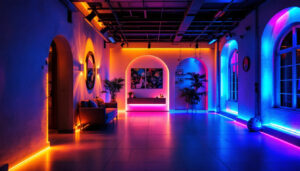
LED strip lights offer a sleek and modern appearance that can seamlessly blend into various design themes. Whether a client is looking for minimalist elegance or vibrant displays, these lights can be tailored to fit the desired aesthetic. Additionally, the ability to change colors and brightness levels allows for dynamic displays that can adapt to different marketing campaigns or seasonal changes.
Creating Ambiance with Color Temperature
The color temperature of LED strip lights plays a significant role in creating the desired ambiance. Clients may prefer warmer tones for a cozy, inviting atmosphere or cooler tones for a more contemporary feel. Understanding the psychological effects of color temperature can help contractors make informed recommendations to clients.
For example, warm white lights (around 2700K to 3000K) are often used in retail environments to create a welcoming atmosphere, while cooler white lights (above 4000K) can be utilized in modern or high-tech settings. Being able to guide clients in selecting the right color temperature can enhance their satisfaction and improve the overall shopping experience.
Customization Options
One of the standout features of LED strip lights is their customizable nature. Clients appreciate the ability to tailor lighting solutions to their specific needs. This can include adjusting the length of the strips, selecting different colors, or even incorporating smart technology for remote control and automation.
As a contractor, being knowledgeable about these customization options is essential. Offering clients a range of choices can set a contractor apart from competitors. Additionally, educating clients about how these customizations can impact their shop’s atmosphere and functionality can lead to more informed decisions.
Technical Knowledge and Installation Expertise
Clients expect lighting contractors to possess a solid understanding of the technical aspects of LED strip lights. This includes knowledge of voltage requirements, power supplies, and the different types of LED chips used in the strips. A well-informed contractor can provide valuable insights that help clients choose the best products for their needs.
Moreover, installation expertise is crucial. LED strip lights may seem straightforward, but improper installation can lead to issues such as flickering, uneven lighting, or even damage to the strips. Clients expect contractors to execute installations flawlessly, ensuring that the lights function as intended and enhance the overall aesthetic of the shop.
Voltage and Power Supply Considerations
Understanding voltage requirements is fundamental when working with LED strip lights. Most strips operate on either 12V or 24V systems, and selecting the appropriate power supply is essential for optimal performance. Contractors should be prepared to explain these requirements to clients and recommend suitable power supplies that match the specifications of the chosen LED strips.
Furthermore, contractors should also consider the total wattage of the strips being installed. This ensures that the power supply can handle the load without overheating or failing. Clients appreciate contractors who can provide clear guidance on these technical aspects, as it instills confidence in the installation process.
Heat Management and Longevity
Heat management is another critical factor that clients expect contractors to address. LED strips, while energy-efficient, can generate heat during operation. If not managed properly, this can lead to reduced lifespan and performance degradation. Educating clients about the importance of heat dissipation and recommending suitable installation methods can significantly enhance the longevity of the lighting system.
For instance, using aluminum channels or heat sinks can help dissipate heat effectively. Clients will appreciate contractors who take the time to explain these considerations, as it demonstrates a commitment to quality and durability.
Regulatory Compliance and Safety Standards
Clients expect lighting contractors to be well-versed in regulatory compliance and safety standards related to LED strip lights. Understanding local building codes and electrical regulations is essential to ensure that installations meet safety requirements. This knowledge not only protects the contractor but also reassures clients that their lighting solutions are safe and compliant.
Additionally, contractors should be aware of any certifications that LED products may require. Clients may inquire about energy efficiency ratings or safety certifications, and being able to provide this information can enhance credibility and trust. A contractor who prioritizes compliance and safety is likely to foster long-lasting client relationships.
Understanding Local Codes
Local building codes can vary significantly, and it is crucial for contractors to stay informed about these regulations. This includes understanding electrical codes, fire safety regulations, and any specific requirements related to commercial lighting installations. Clients expect contractors to navigate these complexities and ensure that all installations are compliant.
Being proactive in understanding and adhering to local codes not only protects the contractor from potential liabilities but also establishes a reputation for professionalism and reliability. Clients are more likely to trust contractors who demonstrate a thorough understanding of regulatory requirements.
Safety Certifications and Standards
Safety certifications play a vital role in the selection of LED strip lights. Clients may inquire about certifications such as UL or CE, which indicate that the products meet specific safety standards. Contractors should be prepared to discuss these certifications and their significance in ensuring the safety and reliability of the lighting solutions offered.
Furthermore, educating clients about the importance of choosing certified products can help them make informed decisions. Clients appreciate contractors who prioritize safety and can provide assurance that the products being installed are of high quality and meet industry standards.
Future Trends in LED Strip Lighting
The lighting industry is continually evolving, and staying informed about future trends is essential for contractors. Clients expect contractors to be knowledgeable about emerging technologies and innovations in LED strip lighting. This includes advancements in smart lighting, energy efficiency, and design trends that can enhance the overall shopping experience.
As smart technology becomes more prevalent, clients may express interest in integrating LED strip lights with home automation systems. Understanding how to incorporate these technologies can position contractors as forward-thinking professionals who are attuned to the latest developments in the industry.
Smart Lighting Integration
Smart lighting solutions are becoming increasingly popular among clients. The ability to control lighting remotely through smartphones or voice-activated devices offers convenience and flexibility. Contractors should be familiar with the various smart lighting options available and how they can be integrated with LED strip lights.
Educating clients about the benefits of smart lighting, such as energy savings and customizable settings, can enhance their overall satisfaction. Clients appreciate contractors who can guide them through the integration process, ensuring a seamless and user-friendly experience.
Energy Efficiency Innovations
Energy efficiency remains a top priority for many clients. As technology advances, new innovations in LED lighting continue to emerge, further improving energy performance. Contractors should stay informed about these advancements and be prepared to recommend the most energy-efficient options available.
Clients are likely to appreciate contractors who can provide insights into energy savings, potential rebates, and the long-term benefits of investing in energy-efficient lighting solutions. This knowledge not only enhances client satisfaction but also positions contractors as experts in sustainable lighting practices.
Conclusion
In summary, understanding the expectations of clients regarding LED strip shop lights is essential for lighting contractors. From technical knowledge and installation expertise to aesthetic considerations and regulatory compliance, contractors must be well-equipped to meet the diverse needs of their clients. By staying informed about industry trends and innovations, contractors can position themselves as trusted advisors in the world of lighting solutions.
Ultimately, delivering high-quality installations that align with client expectations will lead to lasting relationships and a successful lighting contracting business. By prioritizing education, safety, and customization, contractors can create exceptional lighting experiences that illuminate shops and enhance the overall shopping experience.
Illuminate Your Projects with LumenWholesale
Ready to elevate your lighting installations with the best LED strip shop lights in the market? At LumenWholesale, we provide lighting contractors like you with spec-grade lighting products that combine quality with unbeatable wholesale value. Say goodbye to local distributor markups and hello to a vast selection of industry-standard lighting solutions. With free shipping on bulk orders, you can stock up on superior lighting without the worry of hidden fees. Don’t compromise on quality or price. Discover wholesale lighting at the best value today and bring your clients’ visions to life with LumenWholesale.