Understanding LED Shop Ceiling Lights: What Sets Them Apart?
Shop ceiling lights are the backbone of any commercial or industrial workspace. They need to deliver consistent, bright illumination that supports productivity and safety. LED technology has revolutionized this space, offering advantages that traditional lighting solutions like fluorescent or metal halide lamps simply can’t match.
LED shop ceiling lights are designed to provide high lumen output with lower energy consumption. Unlike older lighting technologies, LEDs convert most of the electrical energy into visible light rather than heat, which means less energy wasted. This efficiency translates directly into cost savings on electricity bills—a critical factor for large-scale operations running dozens or hundreds of fixtures.
Another key feature is longevity. LED fixtures can last tens of thousands of hours longer than traditional bulbs. For a lighting contractor, this means fewer replacements, less maintenance, and happier clients. In environments like warehouses, manufacturing plants, or automotive shops, where downtime is costly, reliable long-lasting lighting is invaluable.
Moreover, LED shop ceiling lights are available in a variety of color temperatures, allowing businesses to choose the perfect ambiance for their specific needs. For instance, a cooler light (around 5000K) can enhance visibility and alertness in a workshop, while a warmer light (around 3000K) may create a more inviting atmosphere in retail spaces. This flexibility not only improves the working conditions for employees but can also positively influence customer experience, making it an essential consideration for shop owners.
Additionally, many modern LED fixtures come equipped with smart technology features, such as dimming capabilities and motion sensors. These advancements allow for further energy savings and customization, enabling lights to adjust based on the presence of people or the time of day. This means that in less trafficked areas, lights can dim or turn off entirely, reducing unnecessary energy consumption. As businesses increasingly prioritize sustainability, the integration of smart technology in LED lighting solutions is becoming a vital aspect of modern commercial design.
Key Specifications Lighting Contractors Must Know
Lumens and Wattage: Balancing Brightness and Efficiency
When choosing LED shop ceiling lights, lumens and wattage are the primary specs to consider. Lumens measure the total amount of visible light emitted by the fixture, while wattage indicates the power consumption. The goal is to maximize lumens per watt, which reflects the fixture’s efficiency.
For example, a 50-watt LED fixture producing 5,000 lumens offers a much better energy-to-light ratio than a 100-watt fluorescent fixture producing the same lumens. This efficiency reduces operational costs and heat output, which can affect HVAC loads in large facilities. Additionally, lower heat output can extend the lifespan of both the lighting fixtures and the surrounding equipment, as excessive heat can lead to premature failures and increased maintenance costs.
Moreover, understanding the relationship between lumens and wattage can help contractors make informed decisions that align with sustainability goals. By opting for energy-efficient lighting solutions, businesses not only reduce their carbon footprint but also improve their overall energy management strategies, which can be a significant selling point for environmentally conscious clients.
Color Temperature and Color Rendering Index (CRI)
Color temperature, measured in Kelvin (K), impacts how the light appears to the human eye. For shop environments, a range between 4000K to 5000K is common. This range provides a bright, neutral white light that enhances visibility without causing eye strain.
CRI is equally important. It measures how accurately colors appear under the light source compared to natural daylight. A CRI of 80 or above is generally recommended for shop lighting to ensure true color representation, which is critical in tasks like quality control, painting, or assembly. High CRI lighting can significantly improve the accuracy of color matching, which is essential in industries such as textiles and automotive where precise color differentiation is necessary.
Furthermore, the choice of color temperature can also influence the mood and productivity of workers. Cooler temperatures (5000K and above) can create a more alert and focused environment, making them suitable for areas where precision work is performed. In contrast, warmer temperatures (below 4000K) can foster a more relaxed atmosphere, which might be beneficial in break areas or lounges within the workspace.
Beam Angle and Mounting Options
The beam angle determines how light spreads from the fixture. Narrow beam angles focus light on specific areas, ideal for task lighting or highlighting workstations. Wider beam angles distribute light more evenly across large spaces, reducing shadows and dark spots.
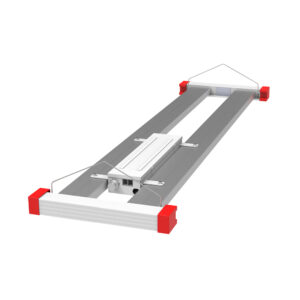
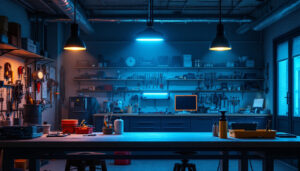
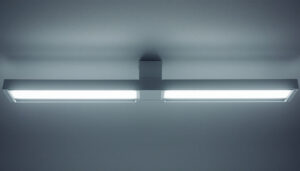
LED shop ceiling lights come in various mounting styles—surface mount, recessed, or suspended. The choice depends on ceiling height, workspace layout, and aesthetic preferences. Suspended fixtures are common in high-bay applications, while recessed lights work well in drop ceilings. Each mounting option not only affects the aesthetics of the space but also the efficiency of the lighting. For instance, suspended fixtures can provide more flexibility in adjusting light levels and angles, while recessed lights can offer a cleaner, more streamlined look that integrates seamlessly with the ceiling.
In addition to these considerations, the installation process and maintenance requirements of different mounting styles can also vary. Surface-mounted fixtures may require less labor and time to install, making them a practical choice for quick upgrades, while recessed fixtures often necessitate more complex installation procedures. Understanding these nuances can help contractors better advise clients on the best lighting solutions tailored to their specific needs and operational workflows.
Installation Considerations for Lighting Contractors
Assessing Existing Infrastructure
Before installing LED shop ceiling lights, evaluate the current electrical infrastructure. Many shops still rely on outdated wiring or ballasts designed for fluorescent or HID lamps. LED fixtures often require different drivers or direct wiring, so compatibility is crucial.
Additionally, check ceiling height and structural support. High-bay LED fixtures, for example, need secure mounting points and sometimes additional hardware to withstand vibrations or environmental conditions like dust and moisture.
Wiring and Driver Integration
LED fixtures use drivers to regulate power and ensure consistent light output. Lighting contractors must select compatible drivers that match the voltage and current requirements of the LEDs. Some fixtures come with integrated drivers, simplifying installation, while others require separate components.
Proper wiring practices are essential to avoid flickering or premature failure. Grounding and surge protection should be part of the installation plan, especially in industrial settings prone to electrical disturbances.
Compliance and Safety Standards
Shop lighting installations must comply with local electrical codes and safety standards. This includes adherence to UL or ETL listings for fixtures, proper circuit protection, and emergency lighting requirements where applicable.
Lighting contractors should also consider OSHA guidelines related to illumination levels in workplaces. Ensuring adequate lux levels not only meets regulations but enhances worker safety and productivity.
Benefits of LED Shop Ceiling Lights: Beyond Energy Savings
Improved Work Environment and Productivity
Good lighting reduces eye fatigue and improves focus. LED shop ceiling lights provide consistent, flicker-free illumination that minimizes headaches and discomfort. This can lead to fewer errors and higher output, especially in precision tasks.
Color accuracy also plays a role in quality control. When colors are rendered accurately, workers can detect defects or inconsistencies more easily, reducing waste and rework.
Reduced Maintenance and Operational Downtime
LEDs’ long lifespan means fewer replacements and less labor spent on maintenance. For large facilities, this translates to significant savings in both time and money. Maintenance crews can focus on other critical tasks instead of constantly changing bulbs.
Additionally, LEDs turn on instantly without warm-up time, unlike some HID lamps. This instant illumination is beneficial in environments where lighting is frequently switched on and off or where emergency lighting is necessary.
Environmental Impact and Sustainability
LED shop ceiling lights contribute to sustainability goals by lowering energy consumption and reducing waste. They contain no mercury or hazardous materials, making disposal safer and easier compared to fluorescent or HID lamps.
Many clients now prioritize green building certifications or energy rebates. Lighting contractors who specify LED solutions can help clients qualify for these incentives, adding value to their services.
Common Challenges and How to Overcome Them
Addressing Glare and Light Pollution
Bright LED fixtures can cause glare if not properly diffused or aimed. Glare leads to discomfort and reduced visibility. Using fixtures with diffusers, adjustable beam angles, or shields can mitigate this issue.
Lighting contractors should also consider the layout to avoid direct line-of-sight exposure to intense light sources, especially in areas where employees work at eye level.
Compatibility with Existing Controls and Automation
Many shops use lighting controls like dimmers, occupancy sensors, or daylight harvesting systems. Not all LED fixtures are compatible with these controls out of the box. It’s critical to verify compatibility or select fixtures designed for integration with control systems.
Proper integration enhances energy savings and allows for smarter lighting management, which clients increasingly demand.
Heat Management in High-Bay Applications
Although LEDs generate less heat than traditional lamps, they still produce some heat that must be dissipated. Poor heat management can reduce LED lifespan and performance.
Fixtures designed with effective heat sinks and ventilation improve reliability. Lighting contractors should avoid installing fixtures in enclosed or poorly ventilated spaces unless specifically rated for those conditions.
Trends and Innovations Lighting Contractors Should Watch
Smart LED Fixtures and IoT Integration
Smart LED shop ceiling lights with integrated sensors and wireless controls are gaining traction. These systems allow remote monitoring, scheduling, and adaptive lighting adjustments based on occupancy or natural light levels.
For lighting contractors, offering smart solutions can differentiate their service and provide clients with enhanced control over energy use and maintenance needs.
Human-Centric Lighting (HCL) in Industrial Spaces
Human-centric lighting adjusts color temperature and intensity throughout the day to align with natural circadian rhythms. While traditionally used in office or healthcare settings, HCL is making its way into industrial environments to improve worker well-being and alertness.
Lighting contractors should be aware of this trend as clients seek to improve workplace conditions and reduce fatigue-related incidents.
Modular and Retrofit Solutions
Modular LED fixtures and retrofit kits allow lighting contractors to upgrade existing installations without complete fixture replacement. These solutions reduce upfront costs and installation time, making LED upgrades more accessible.
Understanding the compatibility and installation requirements of these kits is essential to provide effective recommendations and avoid issues.
Final Thoughts for Lighting Contractors
LED shop ceiling lights are more than just a lighting upgrade-they’re a strategic investment in efficiency, safety, and productivity. For lighting contractors, mastering the technical details and installation nuances is key to delivering value and building lasting client relationships.
From selecting the right specifications to navigating installation challenges and embracing emerging technologies, the expertise lighting contractors bring can transform how shops illuminate their workspaces. Staying informed and adaptable ensures that every project meets the highest standards and client expectations.
Illuminate Your Projects with LumenWholesale
Ready to elevate your lighting game? At LumenWholesale, we provide lighting contractors with the industry’s finest LED shop ceiling lights, ensuring your projects shine with efficiency, safety, and productivity. Say goodbye to middleman markups and hello to spec-grade lighting at wholesale prices that truly make a difference to your bottom line. With our commitment to quality, affordability, and convenience, you’ll find everything you need to meet and exceed client expectations. Plus, with free shipping on bulk orders, your investment in superior lighting is just a click away. Don’t settle for less—choose LumenWholesale for Wholesale Lighting at the Best Value and light up your projects with confidence.