Understanding LED Shoe Lights: What Sets Them Apart?
LED shoe lights have become a niche yet essential component in architectural and landscape lighting projects. Unlike traditional lighting fixtures, these compact, linear LED modules are designed to be installed in tight spaces-often recessed into stair treads, pathways, or shoe moldings-to provide subtle, yet effective illumination. Their slim profile and energy efficiency make them a favorite among lighting contractors aiming to blend aesthetics with functionality.
What distinguishes LED shoe lights from other linear lighting options is their ability to deliver consistent, glare-free illumination in areas where conventional fixtures might be too bulky or visually intrusive. Their versatility allows them to be used indoors and outdoors, offering a clean, modern look while enhancing safety by illuminating steps and walkways. This is particularly beneficial in residential settings where families with children or elderly individuals may require additional visibility to navigate their homes safely during the evening hours.
Key Features Lighting Contractors Should Know
When selecting LED shoe lights, contractors must consider several critical features. First, the color temperature plays a significant role in the ambiance. Warm white (2700K–3000K) is often preferred for residential settings to create a cozy atmosphere, while cooler temperatures (4000K–5000K) are common in commercial or contemporary spaces for a crisp, clean effect. Additionally, some LED shoe lights offer adjustable color temperatures, allowing users to switch between warm and cool settings depending on the time of day or specific mood they wish to create.
Another vital factor is the lumen output. Since shoe lights are typically used for accent or task lighting, they don’t need to be overly bright. A range of 100–300 lumens per foot is usually sufficient to highlight architectural details without overpowering the space. This careful balance of brightness ensures that the lighting enhances the environment rather than detracts from it, making it an ideal choice for highlighting features like textured walls or decorative elements in a room.
Durability is also paramount. Many LED shoe lights come with IP65 or higher ratings, ensuring they withstand moisture and dust—crucial for outdoor installations or areas prone to humidity. Furthermore, the longevity of LED technology means that these lights can last for years without needing replacement, making them a cost-effective solution for both residential and commercial projects. This long lifespan, combined with low energy consumption, not only reduces maintenance costs but also contributes to a more sustainable approach to lighting design.
Installation Best Practices from the Field
Proper installation is where many contractors either make or break the effectiveness of LED shoe lighting. Experts emphasize the importance of planning the layout meticulously before beginning any wiring or mounting. A well-thought-out design not only enhances the aesthetic appeal but also ensures safety and functionality, which are paramount in any lighting installation.
Recessed vs. Surface Mounting
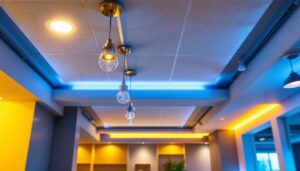
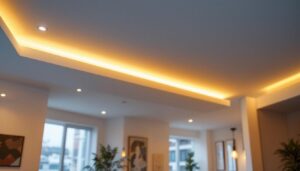
Recessed installation is often preferred for a seamless look. This involves cutting a channel into the shoe molding or stair tread to house the LED strip, then covering it with a diffuser lens. The diffuser softens the light and prevents hotspots, creating a uniform glow along the length of the fixture. This method is particularly advantageous in high-traffic areas, as it minimizes the risk of damage to the fixtures while providing a sleek, integrated appearance that complements modern design sensibilities.
Surface mounting, while easier and less labor-intensive, can sometimes result in visible fixtures that may detract from the design intent. However, it remains a practical choice for retrofit projects where cutting into existing structures is not feasible. In such cases, contractors can explore various mounting options, including adhesive strips or clips, which allow for quick installation without compromising the integrity of the existing materials. Additionally, surface-mounted fixtures can be painted or finished to match surrounding decor, offering a customizable solution that can blend seamlessly into any environment.
Wiring and Power Considerations
LED shoe lights typically operate on low-voltage DC power, usually 12V or 24V. Contractors must ensure the power supply is compatible with the LED strips and capable of handling the total wattage. Voltage drop is a common challenge, especially in longer runs, and can cause uneven brightness. To mitigate this, experts recommend either using thicker gauge wiring or installing power feeds at multiple points along the run. This not only helps maintain consistent illumination but also extends the lifespan of the LED strips by preventing overheating and overloading.
Additionally, integrating dimmers or smart controls can enhance the functionality and user experience. Many LED shoe light systems are compatible with standard dimming protocols, allowing for smooth brightness adjustments and even color tuning in some models. The ability to control the lighting via smartphone apps or voice commands adds a layer of convenience and modernity, enabling users to tailor the ambiance to suit different occasions. Furthermore, incorporating motion sensors can provide added safety and energy efficiency, automatically illuminating pathways when movement is detected, which is especially beneficial in residential settings or commercial spaces with high foot traffic.
Material and Design Trends Influencing LED Shoe Light Use
Lighting contractors are noticing a shift in client preferences toward more minimalist and integrated lighting solutions. LED shoe lights fit perfectly into this trend, offering a discreet way to illuminate spaces without bulky fixtures. This move towards subtlety not only enhances the aesthetic appeal of environments but also aligns with the growing demand for energy-efficient solutions that do not compromise on style.
Innovations in Diffuser Technology
Recent advances in diffuser materials have improved light distribution and durability. Frosted acrylic and polycarbonate diffusers are now standard, providing excellent light diffusion while resisting yellowing over time. Some manufacturers have developed micro-textured diffusers that reduce glare even further, a feature highly valued in hospitality and residential projects. These innovations ensure that LED shoe lights can create a warm, inviting atmosphere, making them ideal for settings such as restaurants and boutiques where ambiance plays a crucial role in customer experience.
Customizable Profiles and Finishes
Another trend is the availability of customizable aluminum profiles that can be anodized or powder-coated to match the surrounding architecture. This allows contractors to tailor the installation to client specifications, whether that means a sleek black finish for modern interiors or a brushed aluminum look for industrial spaces. Furthermore, the ability to incorporate unique shapes and sizes into the design process means that LED shoe lights can be seamlessly integrated into various architectural elements, such as staircases or wall niches, enhancing both functionality and visual appeal. This level of customization not only meets the aesthetic desires of clients but also allows for creative solutions that can adapt to diverse environments, from cozy residential homes to expansive commercial spaces.
Common Challenges and How Experts Overcome Them
Despite their advantages, LED shoe lights present specific challenges that contractors must navigate carefully.
Heat Management
LEDs generate heat, and confined spaces like shoe moldings can trap this heat, potentially shortening the lifespan of the fixtures. Experts recommend using aluminum profiles with good thermal conductivity and ensuring adequate ventilation. In some cases, installing thermal pads between the LED strip and the mounting surface helps dissipate heat more effectively. Additionally, incorporating temperature sensors can provide real-time monitoring of heat levels, allowing for proactive adjustments or interventions. This not only enhances the longevity of the LEDs but also improves overall performance, ensuring that the lights maintain their brightness and efficiency over time.
Ensuring Uniform Light Distribution
Uneven lighting is a frequent complaint with linear LED installations. To avoid this, contractors should use high-quality LED strips with closely spaced diodes and pair them with appropriate diffusers. Consistent installation depth and alignment are also critical to maintaining uniformity. Furthermore, utilizing advanced optical design techniques, such as lensing or reflector systems, can help in achieving a more even light spread. By analyzing the layout and intended use of the space, contractors can strategically position the fixtures to optimize light distribution, thereby enhancing visibility and aesthetics in the area.
Addressing Moisture and Outdoor Exposure
For outdoor applications, sealing is crucial. LED shoe lights must be installed with weatherproof connectors and sealed channels to prevent water ingress. Using IP67-rated fixtures and ensuring proper drainage around the installation site can prevent premature failures. In addition to these measures, contractors should consider the local climate conditions when selecting materials and installation techniques. For instance, in areas prone to heavy rainfall or snow, using corrosion-resistant materials can further safeguard the integrity of the installation. Regular maintenance checks can also be beneficial; by inspecting seals and connections periodically, contractors can address potential issues before they lead to significant failures, ensuring the longevity and reliability of the lighting system.
Maximizing ROI and Client Satisfaction
From a contractor’s perspective, LED shoe lights offer an excellent opportunity to add value to projects. Their energy efficiency translates into long-term savings for clients, while the enhanced safety and aesthetics can increase property appeal.
Educating Clients on Benefits
Contractors who take the time to explain the advantages of LED shoe lighting-such as reduced energy costs, low maintenance, and improved safety-often find clients more willing to invest. Demonstrating sample installations or providing mock-ups can help clients visualize the impact.
Offering Maintenance and Upgrade Services
Because LED technology evolves rapidly, offering clients periodic maintenance checks and upgrade options can build long-term relationships. Many contractors find that clients appreciate proactive service calls to ensure all lighting components function optimally.
Conclusion: LED Shoe Lights as a Smart Choice for Contractors
For lighting contractors, LED shoe lights represent a versatile, efficient, and aesthetically pleasing solution for a variety of applications. Mastering their selection, installation, and maintenance can set professionals apart in a competitive market.
By understanding the nuances of product features, installation challenges, and client needs, contractors can deliver lighting solutions that not only illuminate spaces but also enhance safety and style. The ongoing innovations in LED technology and design promise even greater opportunities for those willing to stay informed and adapt.
Illuminate Your Projects with LumenWholesale
Ready to elevate your lighting projects with the sleek and efficient LED shoe lights? Look no further than LumenWholesale, where we provide contractors with the highest quality lighting solutions at the best wholesale prices. Our commitment to excellence ensures that you have access to spec-grade products that will make your installations stand out. With free shipping on bulk orders, you can trust that you’re getting premium lighting without any hidden costs. Enhance your projects with the perfect combination of style, safety, and savings. Discover the value of shopping with us by visiting Wholesale Lighting at the Best Value today.