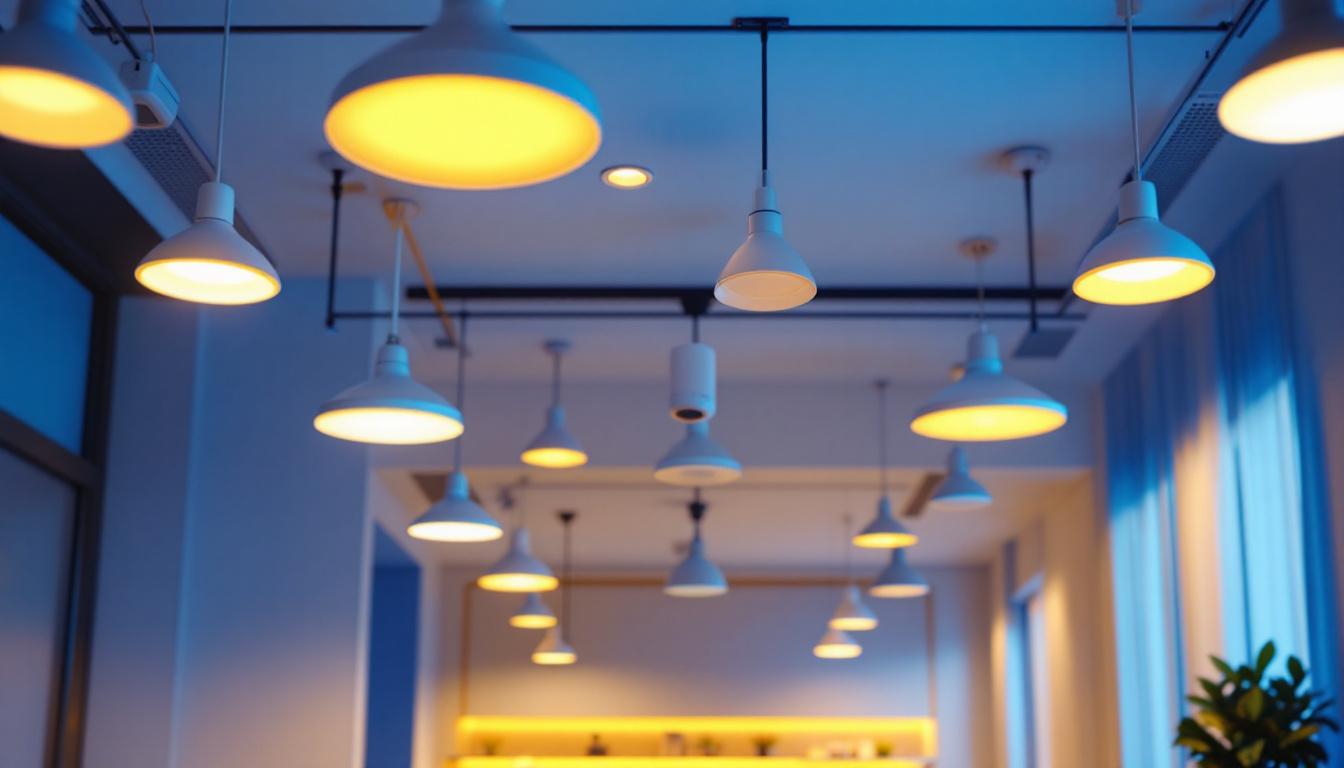
Understanding LED Pendant Fixtures: A Foundation for Lighting Contractors
LED pendant fixtures have become a staple in modern lighting design, offering energy efficiency, aesthetic versatility, and longevity. For lighting contractors, a deep understanding of these fixtures is essential to delivering high-quality installations that meet client expectations and comply with industry standards.
LED (Light Emitting Diode) technology uses semiconductors to convert electricity into light, resulting in significantly lower energy consumption compared to traditional incandescent or fluorescent bulbs. Pendant fixtures, which hang from the ceiling by a rod, chain, or cord, are often used to provide focused or ambient lighting in residential, commercial, and hospitality environments.
Before installation, contractors should familiarize themselves with the various types of LED pendant fixtures available, including single-light pendants, multi-light chandeliers, and adjustable-height models. Each type serves different functional and aesthetic purposes, influencing placement, wiring, and compatibility with dimming controls.
In addition to understanding the types of fixtures, contractors must also consider the importance of color temperature and lumens when selecting LED pendants. Color temperature, measured in Kelvin (K), affects the ambiance of a space; warmer tones (2700K-3000K) create a cozy atmosphere, while cooler tones (4000K-5000K) are ideal for workspaces that require focus and clarity. Lumens, on the other hand, measure the brightness of the light emitted, guiding contractors in choosing the right fixture to achieve the desired illumination level for different environments.
Furthermore, the design of the pendant fixture can significantly impact the overall aesthetic of a space. From sleek, modern designs to vintage-inspired styles, the choice of materials—such as glass, metal, or wood—can enhance the décor and create a cohesive look. Lighting contractors should also be aware of the fixture’s height and how it interacts with the surrounding elements, ensuring that it complements furniture and architectural features while providing adequate lighting without obstructing views or movement.
Key Considerations When Selecting LED Pendant Fixtures
Energy Efficiency and Performance Metrics
One of the primary advantages of LED pendant fixtures is their energy efficiency. Lighting contractors should evaluate fixtures based on lumens per watt (lm/W), which measures the amount of light produced per unit of energy consumed. Higher lm/W ratings indicate more efficient fixtures. In addition to energy savings, this efficiency translates into lower electricity bills and a reduced carbon footprint, making LED fixtures an environmentally friendly choice for both residential and commercial applications.
Additionally, color temperature and Color Rendering Index (CRI) are critical performance metrics. Color temperature, measured in Kelvins (K), affects the ambiance of a space—warmer tones (2700K-3000K) create cozy environments, while cooler tones (4000K-5000K) are suited for task-oriented or commercial settings. A CRI above 80 is generally recommended to ensure accurate color representation, which is especially important in retail or hospitality applications. The right color temperature can enhance the visual appeal of products on display or create a welcoming atmosphere in dining establishments, influencing customer experience and satisfaction.
Fixture Compatibility and Electrical Requirements
Before installation, contractors must verify that the LED pendant fixtures are compatible with the existing electrical infrastructure. This includes checking voltage requirements (typically 120V or 277V in commercial settings) and ensuring that the fixtures are compatible with dimmer switches if dimming functionality is desired. Understanding the electrical layout is crucial, as improper installation can lead to safety hazards or performance issues.
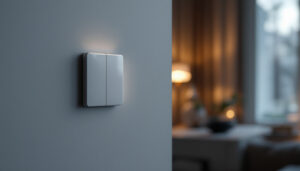
Many LED fixtures require specific types of dimmers designed for low-voltage or LED loads. Using incompatible dimmers can cause flickering, reduced lifespan, or damage to the fixture. Contractors should consult manufacturer specifications and, when necessary, recommend appropriate dimming controls to clients. Furthermore, considering the integration of smart lighting technology can enhance user experience, allowing for remote control and automation of lighting, which is increasingly popular in modern design.
Design and Aesthetic Integration
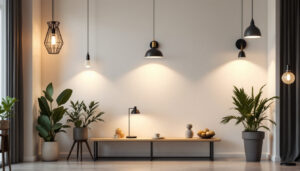
Lighting contractors play a pivotal role in integrating LED pendant fixtures into the architectural and interior design of a space. The size, shape, and finish of the pendant must complement the room’s style and scale. For example, oversized pendants with metallic finishes can serve as focal points in modern commercial lobbies, while smaller, minimalist designs suit residential kitchens or dining areas. The choice of materials—such as glass, metal, or fabric—can also influence the overall aesthetic and functionality of the lighting.
Adjustable-height pendants offer flexibility, allowing contractors to tailor the fixture’s placement to ceiling height and furniture layout. This adaptability is particularly valuable in spaces with varying ceiling heights or multifunctional areas. Moreover, the use of multiple pendant fixtures in a clustered arrangement can create a striking visual effect, drawing attention to specific areas while providing ample illumination. By carefully considering the interplay of light and shadow, contractors can enhance the architectural features of a space, creating a dynamic and inviting atmosphere that resonates with the intended design vision.
Installation Best Practices for LED Pendant Fixtures
Pre-Installation Planning and Site Assessment
Successful installation begins with thorough planning. Contractors should conduct a site assessment to evaluate ceiling types, electrical box locations, and any potential obstructions. Confirming the structural integrity of the mounting surface is essential, especially for heavy or large fixtures.
Additionally, contractors should verify that the electrical circuit can handle the load of the new fixtures, even though LED pendants generally consume less power. This step helps prevent overloading circuits and ensures compliance with local electrical codes. It may also be beneficial to consult with a licensed electrician to assess the existing wiring and make any necessary upgrades, ensuring that the installation adheres to safety standards and optimizes performance.
Furthermore, considering the overall design and aesthetic impact of the pendant fixtures is critical during the planning phase. Evaluating the height at which the fixtures will hang can significantly influence the ambiance of the space. For instance, in dining areas, pendants should be installed low enough to provide adequate illumination without obstructing sightlines, while in living spaces, they can be hung higher to create a more open feel. Taking into account the color temperature of the LED bulbs can also enhance the desired atmosphere, whether warm and inviting or cool and modern.
Proper Mounting and Wiring Techniques
When mounting LED pendant fixtures, it is crucial to follow manufacturer instructions meticulously. Secure mounting hardware ensures safety and prevents fixture sagging or detachment over time. Using a level during installation guarantees that pendants hang straight, contributing to a professional finish.
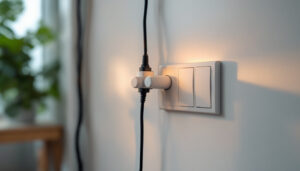
Wiring should be performed with attention to detail, ensuring all connections are tight and insulated. Grounding the fixture properly is a safety imperative. Contractors should also label circuits clearly for future maintenance and troubleshooting. It is advisable to use wire connectors that are rated for the specific load and type of fixture being installed, as this can enhance the longevity and reliability of the electrical connections.
Moreover, considering the use of dimmers and smart lighting controls can add a layer of versatility to the installation. These features not only allow for adjustable brightness but can also integrate with home automation systems, providing users with the ability to customize their lighting experience. Ensuring compatibility between the LED fixtures and any dimming technology is essential to avoid issues such as flickering or reduced lifespan of the bulbs.
Testing and Quality Assurance
After installation, testing the fixture’s functionality is vital. This includes verifying that the light operates correctly, dimming functions smoothly if applicable, and there is no flickering or buzzing. Checking the fixture’s alignment and height adjustments ensures the lighting effect meets design specifications.
Documenting the installation with photos and notes can be helpful for client records and warranty claims. Providing clients with maintenance tips and warranty information enhances customer satisfaction and supports long-term fixture performance. It is also beneficial to schedule a follow-up visit or check-in after a few weeks to ensure that the fixtures are performing as expected and to address any concerns the client may have.
Additionally, educating clients on the energy efficiency of LED technology can foster appreciation for their new fixtures. Sharing information about the potential cost savings on energy bills and the longevity of LED bulbs compared to traditional lighting can reinforce their investment. Highlighting the environmental benefits of using LED fixtures, such as reduced carbon footprint and lower waste generation, can further enhance client satisfaction and promote sustainable practices in their homes or businesses.
Maintenance and Troubleshooting for LED Pendant Fixtures
Routine Maintenance Practices
LED pendant fixtures require minimal maintenance compared to traditional lighting, but regular cleaning and inspection extend their lifespan. Contractors should advise clients to dust fixtures periodically and clean lenses with a soft, damp cloth to maintain optimal light output.
Inspecting mounting hardware and electrical connections annually helps identify potential issues before they become safety hazards. Replacing damaged components promptly is essential to preserve fixture integrity.
Common Issues and Solutions
Although LED technology is reliable, some common issues may arise. Flickering lights often indicate incompatible dimmers or loose wiring. Contractors should recommend compatible dimmers and ensure secure electrical connections during installation.
Another issue is reduced brightness, which can result from voltage drops or aging drivers. Using high-quality drivers and verifying electrical supply stability during installation minimizes these risks.
In rare cases, LED fixtures may fail prematurely due to manufacturing defects. Contractors should familiarize themselves with warranty terms and work closely with manufacturers to facilitate replacements or repairs.
Staying Current: Industry Trends and Innovations
The LED lighting industry is rapidly evolving, with new technologies and design trends emerging regularly. Lighting contractors who stay informed about advancements can offer clients cutting-edge solutions that enhance energy savings and aesthetic appeal.
Smart LED pendant fixtures with integrated sensors and wireless controls are gaining popularity, enabling automated lighting adjustments based on occupancy or daylight levels. These features improve energy efficiency and user convenience, making them attractive options for commercial and residential projects alike.
Additionally, advances in tunable white LEDs allow for dynamic control of color temperature, supporting circadian lighting principles that promote occupant well-being. Contractors should consider these innovations when advising clients on fixture selection and system integration.
Conclusion: Delivering Excellence with LED Pendant Fixtures
For lighting contractors, mastering the selection, installation, and maintenance of LED pendant fixtures is key to providing superior lighting solutions. By prioritizing energy efficiency, compatibility, aesthetic integration, and adherence to best practices, contractors can enhance client satisfaction and contribute to sustainable building practices.
Ongoing education about emerging technologies and industry standards ensures that contractors remain competitive and capable of meeting diverse project requirements. Ultimately, attention to detail and commitment to quality distinguish successful lighting contractors in the evolving landscape of LED lighting.
Illuminate Your Projects with LumenWholesale
Ready to elevate your lighting installations with the finest LED pendant fixtures on the market? Look no further than LumenWholesale, where we provide contractors with exceptional, spec-grade lighting solutions at unbeatable wholesale prices. Say goodbye to unnecessary markups and hello to a vast selection of premium lighting that meets rigorous industry standards. Plus, with free shipping on bulk orders, you can stock up on high-quality lighting without the worry of hidden costs. Don’t compromise on quality or value—choose LumenWholesale for your lighting needs and experience the ultimate in affordability and convenience. Wholesale Lighting at the Best Value is just a click away.