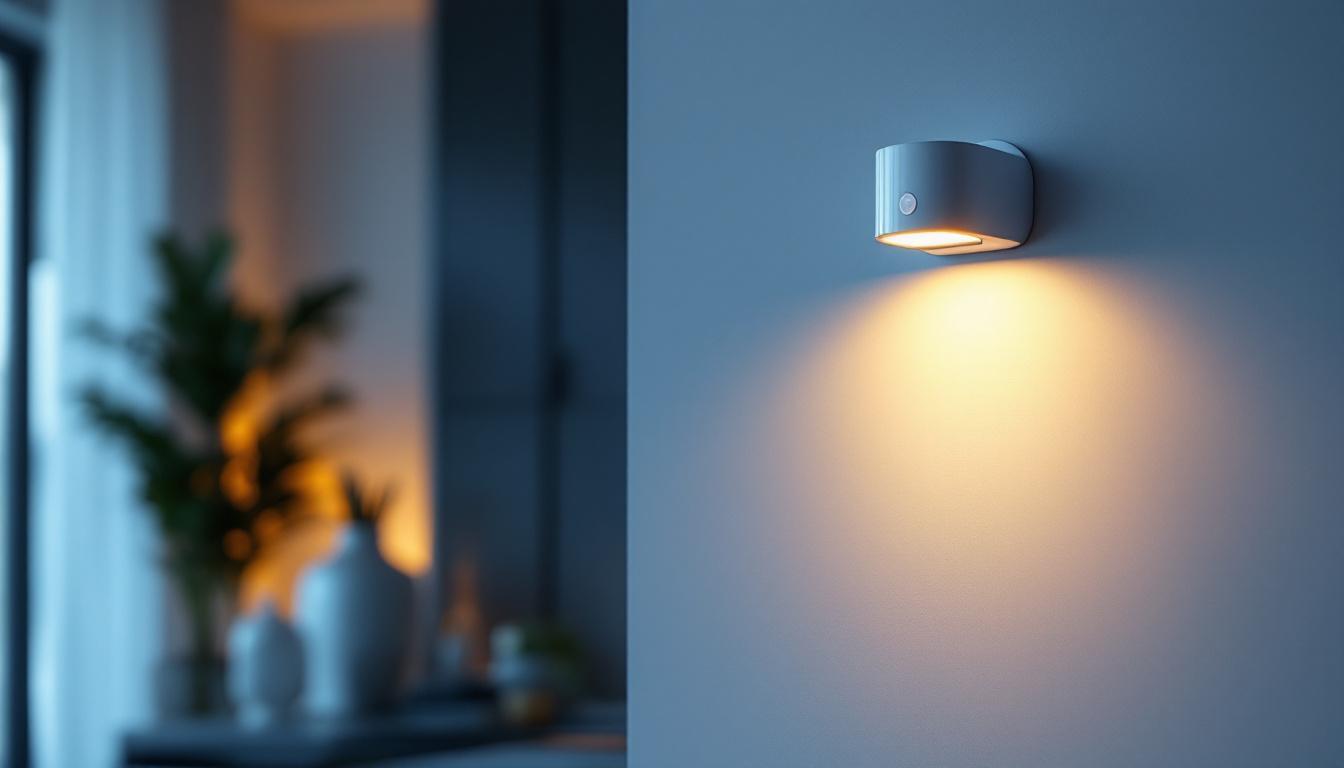
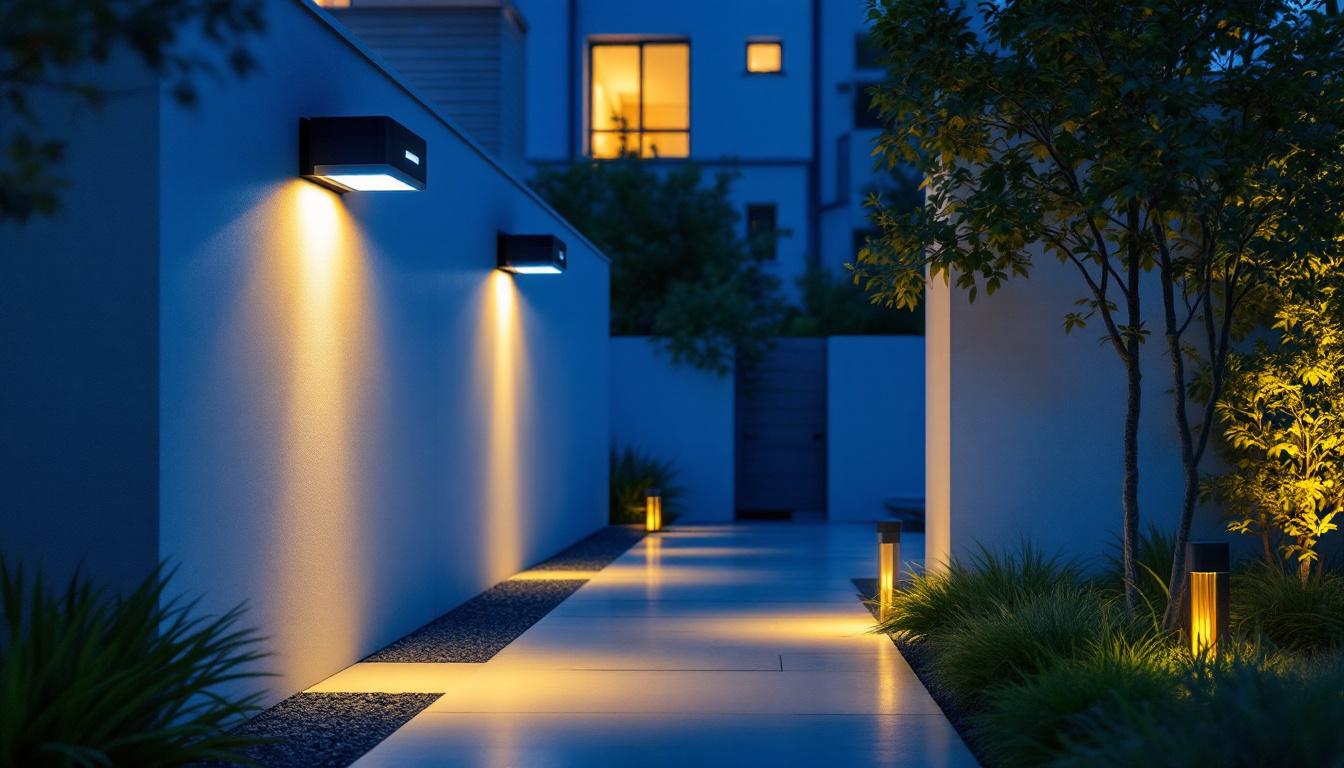
In recent years, the integration of LED lighting with movement sensors has transformed the landscape of smart lighting solutions. For lighting contractors, understanding the intricacies of these technologies is essential to meet the evolving demands of clients. This article explores various approaches and considerations that contractors should keep in mind when implementing LED lights with movement sensors.
Understanding LED Lighting and Movement Sensors
LED lights are known for their energy efficiency, longevity, and versatility. When paired with movement sensors, they can significantly enhance the functionality of lighting systems. Movement sensors detect the presence of individuals in a given area and can automatically turn lights on or off, providing both convenience and energy savings.
The Basics of LED Technology
LED, or Light Emitting Diode, technology has revolutionized the way we illuminate spaces. Unlike traditional incandescent bulbs, LEDs convert a higher percentage of energy into light rather than heat, making them far more efficient. This efficiency translates into lower energy bills and reduced environmental impact.
Moreover, LEDs come in various color temperatures and designs, allowing contractors to customize lighting solutions for different applications. From residential settings to commercial spaces, the adaptability of LED technology makes it a preferred choice for modern lighting projects.
Movement Sensors: Types and Functionality
Movement sensors can be categorized into several types, each with unique functionalities. The most common types include passive infrared (PIR) sensors, ultrasonic sensors, and dual-technology sensors. Understanding these types is crucial for contractors to select the right sensor for specific applications.
PIR sensors detect body heat and are ideal for indoor applications, such as hallways and offices. Ultrasonic sensors, on the other hand, emit sound waves and are effective in larger spaces where movement may be less predictable. Dual-technology sensors combine both PIR and ultrasonic technologies, offering a more comprehensive solution that minimizes false triggers.
Benefits of Integrating LED Lights with Movement Sensors
The combination of LED lights and movement sensors offers a multitude of benefits that appeal to both contractors and clients. These advantages extend beyond mere convenience, impacting energy efficiency, safety, and user experience.
Energy Efficiency and Cost Savings
One of the most compelling reasons to integrate movement sensors with LED lighting is the potential for energy savings. By ensuring that lights are only on when needed, contractors can help clients significantly reduce their energy consumption. This not only lowers utility bills but also extends the lifespan of the lighting fixtures, as they are not constantly in use.
In commercial settings, where lighting can account for a substantial portion of energy costs, the savings can be particularly pronounced. Clients often appreciate the long-term financial benefits, making this a strong selling point for contractors.
Enhanced Safety and Security
Incorporating movement sensors into lighting systems also enhances safety and security. For outdoor applications, such as parking lots and pathways, lights that activate upon detecting movement can deter potential intruders and provide a sense of safety for users. This is particularly important in residential areas where homeowners seek to protect their property.
In indoor environments, movement-activated lights can illuminate dark areas, reducing the risk of accidents. For elderly individuals or those with mobility challenges, this feature can be invaluable, ensuring that they can navigate their homes safely.
Considerations for Contractors When Implementing Smart Lighting Solutions
While the benefits of LED lights with movement sensors are clear, there are several considerations that lighting contractors must take into account when designing and installing these systems. Understanding the unique requirements of each project is essential for achieving optimal results.
Assessing the Space and Usage Patterns
Before selecting the appropriate LED lights and movement sensors, contractors should conduct a thorough assessment of the space in question. This includes evaluating the size of the area, the typical usage patterns, and the specific needs of the occupants. For example, a high-traffic area may require more sensitive sensors, while a less frequently used space might benefit from more basic options.
Additionally, understanding the layout of the space is crucial. Obstacles such as walls, furniture, and other structures can affect the performance of movement sensors. Contractors should strategically position sensors to ensure optimal coverage and minimize blind spots.
Choosing the Right Sensors and Fixtures
With a variety of sensors and LED fixtures available on the market, selecting the right combination is vital. Factors such as sensor range, sensitivity, and compatibility with LED technology should be considered. Contractors should also take into account the aesthetics of the fixtures, ensuring they align with the overall design of the space.
Moreover, it’s important to consider the installation process. Some sensors may require more complex wiring or configuration, which can impact the overall project timeline and budget. Therefore, contractors should be well-versed in the specifications of the products they choose.
Installation Best Practices for LED Lights with Movement Sensors
Successfully installing LED lights with movement sensors requires attention to detail and adherence to best practices. By following established guidelines, contractors can ensure that the systems function effectively and meet client expectations.
Proper Placement of Sensors
The placement of movement sensors is critical to their effectiveness. Sensors should be installed at a height that maximizes their detection range while minimizing the likelihood of false triggers. For PIR sensors, this is typically around 6 to 8 feet off the ground. Ultrasonic sensors may require different placements depending on their design and intended use.
Additionally, contractors should avoid placing sensors near heat sources, such as radiators or windows, as these can interfere with their operation. A thorough understanding of the sensor’s specifications will guide contractors in achieving optimal placement.
Wiring and Connectivity Considerations
Wiring and connectivity are fundamental aspects of the installation process. Contractors should ensure that all wiring is done according to local codes and regulations. Properly securing and insulating wires will prevent potential hazards and ensure the longevity of the installation.
Furthermore, contractors should consider the integration of smart technology. Many modern movement sensors offer connectivity options that allow for remote monitoring and control. This can enhance the user experience and provide added convenience for clients.
Maintenance and Troubleshooting of Smart Lighting Systems
Once the installation is complete, ongoing maintenance and troubleshooting are essential to ensure the longevity and functionality of LED lights with movement sensors. Contractors should educate clients on basic maintenance practices and be prepared to address any issues that may arise.
Regular Maintenance Practices
Regular maintenance of LED lighting systems is crucial for optimal performance. This includes cleaning the fixtures and sensors to prevent dust and debris from obstructing their functionality. Contractors should recommend a cleaning schedule that aligns with the specific environment, such as more frequent cleanings in dusty or outdoor settings.
Additionally, contractors should advise clients on the importance of checking the settings of movement sensors periodically. Changes in the environment, such as new furniture or landscaping, can affect sensor performance, necessitating adjustments to sensitivity or coverage.
Troubleshooting Common Issues
Despite proper installation and maintenance, issues may occasionally arise with LED lights and movement sensors. Common problems include lights not turning on or off as expected, which can often be traced back to sensor placement or settings. Contractors should be prepared to troubleshoot these issues efficiently.
In some cases, it may be necessary to recalibrate the sensors or replace components. Having a solid understanding of the products being used will enable contractors to provide effective solutions, ensuring client satisfaction.
Future Trends in Smart Lighting
The field of smart lighting is continually evolving, with new technologies and trends emerging regularly. For lighting contractors, staying informed about these developments is essential to remain competitive and meet client demands.
Integration with Smart Home Systems
As smart home technology becomes increasingly prevalent, the integration of LED lights with movement sensors into broader smart home systems is a growing trend. Clients are seeking solutions that allow them to control their lighting alongside other smart devices, such as thermostats and security systems.
Contractors should familiarize themselves with various smart home platforms and ensure that the products they recommend are compatible with these systems. This knowledge will enable them to provide comprehensive solutions that enhance the overall user experience.
Advancements in Sensor Technology
Advancements in sensor technology are also shaping the future of smart lighting. Newer sensors are becoming more sophisticated, with features such as adjustable sensitivity, advanced analytics, and even machine learning capabilities. These innovations allow for more precise control and customization of lighting systems.
Contractors who stay ahead of these trends will be better positioned to offer cutting-edge solutions that meet the needs of their clients. By embracing new technologies, contractors can enhance their service offerings and differentiate themselves in a competitive market.
Conclusion
The integration of LED lights with movement sensors represents a significant advancement in smart lighting solutions. For lighting contractors, understanding the benefits, considerations, and best practices associated with these technologies is essential for delivering high-quality installations that meet client expectations.
By assessing space requirements, choosing the right products, and adhering to installation best practices, contractors can create efficient and effective lighting systems. Additionally, staying informed about future trends will ensure that contractors remain at the forefront of the industry, ready to meet the evolving needs of their clients.
In a world increasingly focused on sustainability and smart technology, the role of lighting contractors is more important than ever. By embracing innovations in LED lighting and movement sensors, contractors can contribute to creating safer, more efficient, and more intelligent spaces for everyone.
Illuminate Your Projects with LumenWholesale
Ready to elevate your lighting installations with the latest LED lights and movement sensors? Look no further than LumenWholesale for all your lighting needs. We provide contractors with high-quality, specification-grade lighting solutions at unbeatable wholesale prices. Our extensive selection is designed to meet the highest industry standards, ensuring you deliver reliable and high-performance lighting to your clients. Plus, with free shipping on bulk orders, you can enjoy premium lighting at the best value — without any hidden fees. Don’t compromise on quality or cost. Wholesale Lighting at the Best Value is just a click away. Experience the LumenWholesale difference today!