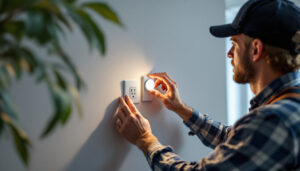
Why LED Light Bulbs Are Revolutionizing Solar-Powered Lighting
Lighting contractors have witnessed a dramatic shift in how lighting systems are designed and implemented, especially with the rise of solar power. LED light bulbs are at the forefront of this transformation. Their compatibility with solar energy systems makes them a game-changer for energy-efficient lighting solutions.
LEDs consume significantly less power than traditional incandescent or fluorescent bulbs, which aligns perfectly with the limited energy supply from solar panels. This efficiency means that solar-powered lighting systems can be smaller, more affordable, and easier to install without sacrificing brightness or reliability.
For contractors, understanding the synergy between LED technology and solar power is crucial. It opens doors to projects that prioritize sustainability, cost savings, and long-term performance—qualities increasingly demanded by clients and regulatory bodies alike. Moreover, the lifespan of LED bulbs, often exceeding 25,000 hours, drastically reduces the frequency of replacements, further enhancing the appeal of solar-powered solutions. This longevity not only minimizes maintenance costs but also contributes to a lower environmental impact, as fewer bulbs end up in landfills.
Additionally, the versatility of LED lighting allows for a wide range of applications, from street lighting to garden illumination, making them suitable for both residential and commercial projects. Many modern LED fixtures also come equipped with smart technology, enabling features like motion sensors and dimming capabilities that can optimize energy use even further. As cities and communities increasingly adopt solar-powered lighting, the integration of LED technology ensures that these systems are not only efficient but also adaptable to the evolving needs of urban environments, paving the way for smarter, greener cities.
How Solar Power Enhances LED Lighting Performance
Optimizing Energy Use with Solar Integration
Solar power systems convert sunlight into electricity, which can then be stored in batteries for use when natural light isn’t available. When paired with LED bulbs, the energy demand drops dramatically, allowing smaller solar arrays and battery banks to meet lighting needs effectively.
This optimization is especially important in remote or off-grid locations where extending electrical infrastructure is costly or impractical. Solar-powered LED lighting provides a reliable, autonomous solution that requires minimal maintenance and no ongoing electricity costs. Furthermore, the integration of solar power with LED technology not only reduces energy consumption but also contributes to a significant decrease in carbon emissions, making it an environmentally friendly choice. As communities and businesses increasingly prioritize sustainability, the adoption of solar-powered LED lighting systems is becoming more prevalent, paving the way for greener urban and rural landscapes.
Battery Life and LED Compatibility
One of the challenges in solar lighting is managing battery life and ensuring consistent illumination. LEDs help by drawing less current, which reduces battery drain and extends the overall system lifespan. This compatibility means fewer battery replacements and lower maintenance expenses over time.
Additionally, LED bulbs’ durability and resistance to frequent switching on and off complement solar lighting systems that rely on sensors or timers. This resilience further enhances system reliability and client satisfaction. Moreover, advancements in battery technology, such as lithium-ion batteries, have further improved the efficiency and longevity of solar lighting systems. These batteries can handle deeper discharges and recharge more quickly, providing a steady supply of power even during extended periods of low sunlight. This combination of LED efficiency and advanced battery technology not only ensures that solar-powered lighting remains functional during cloudy days but also enhances the overall user experience by delivering bright, consistent light when it is needed the most.
Design Considerations for Solar-Powered LED Lighting Systems
Assessing Solar Resource and Load Requirements
Before installing a solar-powered LED lighting system, contractors must evaluate the solar resource available at the site. Factors like geographic location, shading, and seasonal sunlight variations influence panel sizing and battery capacity. For instance, areas with frequent cloud cover or tall surrounding structures may require larger solar arrays or more efficient panels to capture adequate sunlight. Additionally, conducting a solar site assessment can provide valuable insights into the optimal placement of solar panels to maximize exposure throughout the day.
Equally important is calculating the total load. LED bulbs vary in wattage, so selecting the right combination of brightness and power consumption is key. Overestimating load can lead to unnecessarily large and expensive systems, while underestimating it risks insufficient lighting and battery depletion. It’s also beneficial to consider the potential for future expansion; designing the system with a bit of extra capacity can accommodate additional fixtures or increased usage without requiring a complete overhaul.
Choosing the Right LED Bulbs for Solar Applications
Not all LED bulbs are created equal. For solar-powered setups, bulbs with high luminous efficacy (lumens per watt) maximize light output while minimizing energy use. Color temperature also matters; cooler white LEDs often provide better visibility and are preferred for outdoor and security lighting. Furthermore, the durability of the bulbs is crucial, especially in outdoor settings where they may be exposed to harsh weather conditions. Selecting bulbs with robust housings and weather-resistant features can enhance longevity and reduce maintenance costs.
Contractors should look for bulbs designed to operate efficiently at the lower voltages typical of solar systems, often 12V or 24V DC. This direct compatibility avoids the need for complex inverters, reducing system complexity and losses. Additionally, considering the beam angle of the LEDs can help in achieving the desired lighting effect; a narrow beam may be ideal for focused lighting, while a wider beam can illuminate larger areas effectively, making it essential to match the bulb’s characteristics with the intended application.
Integration with Smart Controls and Sensors
Modern solar LED lighting systems increasingly incorporate smart controls such as motion sensors, daylight harvesting, and remote monitoring. These features enhance energy savings by ensuring lights operate only when needed and at optimal brightness levels. For example, motion sensors can trigger lights to turn on when someone approaches, providing safety and convenience while conserving energy when the area is unoccupied. Daylight harvesting systems can adjust the brightness of the LEDs based on the amount of natural light available, further optimizing energy use.
For contractors, integrating these controls requires understanding both the electrical and software components. Proper installation and configuration can significantly improve system performance and client satisfaction. Moreover, the ability to monitor system performance remotely can alert contractors to potential issues before they become significant problems, allowing for proactive maintenance. As technology continues to evolve, staying updated on the latest advancements in smart lighting controls will be essential for delivering cutting-edge solutions to clients.
Benefits for Lighting Contractors and Their Clients
Meeting Sustainability Goals
Clients today are more conscious about their environmental impact. Offering solar-powered LED lighting solutions positions contractors as leaders in sustainable building practices. These systems reduce carbon footprints and often qualify for incentives or rebates, adding financial appeal. Furthermore, as businesses and individuals increasingly prioritize eco-friendly choices, contractors who provide these solutions can enhance their brand image and attract a clientele that values corporate responsibility. By showcasing successful projects that highlight energy savings and environmental benefits, contractors can build trust and demonstrate their commitment to sustainability.
Expanding Market Opportunities
Solar LED lighting opens new markets, including rural electrification, emergency lighting, and outdoor public spaces. Contractors can diversify their portfolios and tap into growing demand for off-grid and green lighting solutions. Additionally, as urban areas expand and the need for smart city initiatives grows, the integration of solar LED lighting into public infrastructure becomes crucial. This not only enhances safety and accessibility but also promotes community engagement by creating well-lit, inviting spaces for social interaction. Contractors can leverage these opportunities to partner with municipalities and organizations focused on improving urban environments, thereby solidifying their role as key players in community development.
Reducing Installation and Operational Costs
Solar LED systems often require less wiring and infrastructure, leading to faster installations and lower labor costs. Over time, clients benefit from reduced electricity bills and minimal maintenance, strengthening the value proposition contractors can present. Moreover, the durability of solar LED fixtures, which are designed to withstand various weather conditions, means that clients can expect a longer lifespan for their investments. This reliability translates into fewer replacements and repairs, allowing clients to allocate their resources more effectively. As contractors educate clients about the long-term savings and performance benefits of solar LED lighting, they can foster stronger relationships built on transparency and shared goals for efficiency and cost-effectiveness.
Common Challenges and How to Overcome Them
Addressing Initial Cost Concerns
While solar LED lighting systems can have higher upfront costs compared to traditional lighting, educating clients about long-term savings is essential. Detailed cost-benefit analyses and case studies demonstrating payback periods help justify the investment.
Ensuring Reliable Performance in Varying Conditions
Solar lighting depends on weather and daylight availability, which can be unpredictable. Proper system design, including adequate battery storage and quality components, mitigates these risks. Contractors should also plan for maintenance access and client training on system operation.
Keeping Up with Technological Advances
The solar and LED industries evolve rapidly. Staying informed about new products, standards, and best practices is critical. Participating in training, industry events, and manufacturer programs ensures contractors can offer cutting-edge solutions.
Case Studies: Successful Solar-Powered LED Lighting Projects
Rural Community Lighting Initiative
A lighting contractor installed solar LED streetlights in a remote village lacking grid access. The system used high-efficiency LEDs powered by compact solar panels and deep-cycle batteries. The project improved safety and extended productive hours for residents without ongoing energy costs.
Commercial Parking Lot Upgrade
Replacing traditional lighting with solar-powered LEDs in a commercial parking lot reduced electricity expenses by over 70%. Motion sensors and smart controls further optimized energy use, while the contractor benefited from streamlined installation and positive client feedback.
Emergency and Disaster Relief Applications
Solar LED lighting kits were deployed in disaster-affected areas to provide immediate, reliable illumination. Their portability, ease of setup, and low power consumption made them invaluable for temporary shelters and medical facilities.
Final Thoughts: Embracing Solar-Powered LED Lighting
For lighting contractors, mastering solar-powered LED lighting is no longer optional-it’s a strategic advantage. These systems deliver unmatched energy efficiency, cost savings, and environmental benefits that resonate with today’s clients.
By carefully selecting components, designing systems tailored to site conditions, and integrating smart controls, contractors can deliver lighting solutions that excel in performance and sustainability. Staying ahead in this evolving field ensures long-term success and opens exciting new opportunities.
Illuminate Your Projects with LumenWholesale
Ready to harness the power of solar LED lighting and elevate your lighting projects to new heights? At LumenWholesale, we provide lighting contractors like you with the highest quality, spec-grade lighting products at prices that can’t be beaten. Say goodbye to local distributor markups and hello to a vast selection of reliable, high-performance lighting that meets rigorous industry standards. Plus, with free shipping on bulk orders, you can stock up on premium lighting solutions without worrying about hidden fees or compromises. Don’t miss out on the perfect combination of quality, affordability, and convenience. Wholesale Lighting at the Best Value is just a click away—transform your lighting approach with LumenWholesale today.