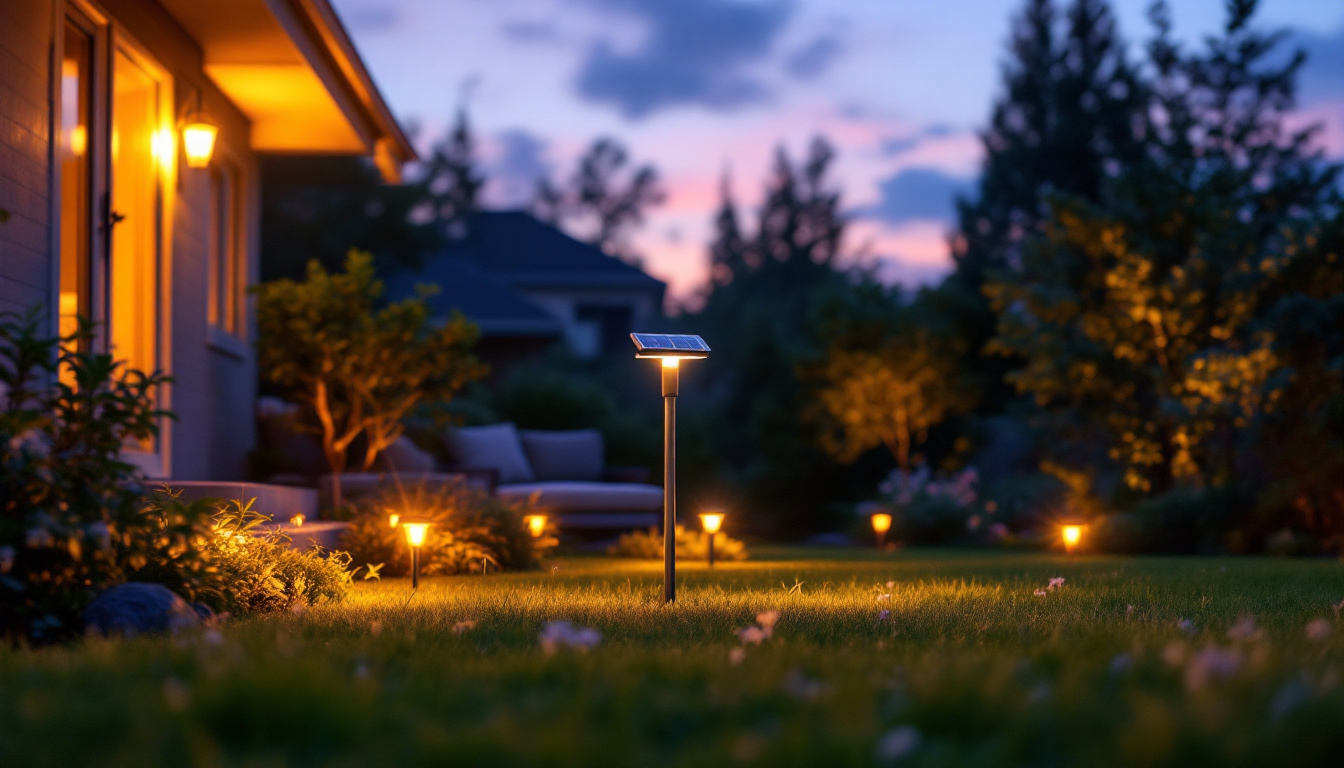
As the demand for sustainable and energy-efficient lighting solutions continues to rise, LED solar lamps have emerged as a popular choice for both residential and commercial applications. For lighting contractors, understanding the nuances of these innovative products is crucial for successful project execution and client satisfaction. This article delves into the essential aspects of LED solar lamps, providing valuable insights that every lighting contractor should consider.
Understanding LED Solar Technology
LED solar lamps combine two advanced technologies: light-emitting diodes (LEDs) and solar power. This fusion not only enhances energy efficiency but also promotes environmental sustainability. By harnessing solar energy, these lamps reduce reliance on traditional electricity sources, making them an attractive option for eco-conscious clients. Furthermore, the ability to install these lamps in remote locations without the need for extensive wiring or infrastructure makes them a versatile solution for various applications, from residential gardens to public parks.
The Basics of Solar Power
Solar power is generated through photovoltaic cells that convert sunlight into electricity. When sunlight hits these cells, it excites electrons, creating an electric current. This process is fundamental to the operation of solar-powered LED lamps. The stored energy in batteries allows the lamps to function even during nighttime or cloudy conditions, ensuring consistent illumination. Additionally, advancements in battery technology, such as lithium-ion batteries, have improved energy storage capacity and charging efficiency, allowing solar lamps to operate longer and brighter than ever before, even in less-than-ideal weather conditions.
Advantages of LED Technology
LEDs are known for their longevity and energy efficiency. Unlike traditional incandescent bulbs, which waste a significant amount of energy as heat, LEDs convert a higher percentage of energy into visible light. This efficiency translates into lower energy costs and reduced environmental impact. Additionally, LED lamps have a lifespan that can exceed 25,000 hours, significantly reducing maintenance and replacement costs over time. The durability of LED technology also means that these lamps are less prone to breakage, making them suitable for outdoor environments where they may be exposed to harsh weather conditions or vandalism. Furthermore, many LED solar lamps come equipped with features such as motion sensors and adjustable brightness settings, allowing users to customize their lighting experience while maximizing energy savings.
Key Features of LED Solar Lamps
When selecting LED solar lamps for projects, contractors should consider various features that can influence performance and client satisfaction. Understanding these features will aid in making informed decisions that align with project requirements and client expectations.
Brightness and Lumens
The brightness of an LED solar lamp is measured in lumens. Higher lumens indicate brighter light output, which is crucial for applications requiring significant illumination. Contractors should assess the specific lighting needs of each project and select lamps that provide adequate brightness without compromising energy efficiency. Furthermore, it is essential to consider the color temperature of the light emitted, as this can affect the ambiance of the space. Warmer light (around 2700K) is often preferred for residential areas, creating a cozy atmosphere, while cooler light (5000K and above) is more suited for commercial or security applications where visibility is paramount.
Battery Capacity and Type
The battery is a vital component of solar lamps, as it stores energy generated during the day for use at night. The capacity of the battery, typically measured in amp-hours (Ah), directly affects how long the lamp can operate after sunset. Additionally, the type of battery—whether lithium-ion, lead-acid, or nickel-cadmium—can influence performance, lifespan, and charging efficiency. Contractors should evaluate the battery specifications to ensure they meet the demands of the intended application. It’s also worth noting that some advanced models come with smart technology that allows for adaptive brightness control, optimizing battery usage based on environmental conditions and user preferences, thus extending operational time and enhancing energy savings.
Durability and Weather Resistance
Given that solar lamps are often installed outdoors, durability and weather resistance are paramount. Look for lamps with high IP (Ingress Protection) ratings, indicating their ability to withstand dust and water exposure. Materials such as aluminum or high-quality plastic can enhance durability, ensuring that the lamps can endure harsh weather conditions without compromising performance. Additionally, contractors should consider the impact of UV exposure on the materials used in the lamp’s construction; UV-resistant coatings can significantly prolong the lifespan of the lamp by preventing fading and degradation. Moreover, features like impact resistance can be crucial in areas prone to vandalism or accidental damage, ensuring that the investment in solar lighting remains protected over time.
Installation Considerations
Proper installation is critical to maximizing the performance of LED solar lamps. Lighting contractors must take into account several factors to ensure optimal functionality and longevity of the lamps.
Site Assessment
Before installation, a thorough site assessment is essential. Contractors should evaluate the location for adequate sunlight exposure, as this directly impacts the efficiency of solar charging. Areas with significant shading from trees, buildings, or other structures may require alternative solutions or additional solar panels to ensure sufficient energy capture.
Mounting Options
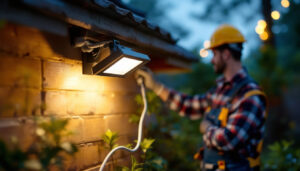
LED solar lamps can be mounted in various ways, including wall-mounted, pole-mounted, or ground-mounted configurations. The choice of mounting option will depend on the specific application and desired aesthetic. Contractors should consider factors such as height, angle, and orientation to achieve optimal light distribution and coverage.
Cost Considerations
While the initial investment in LED solar lamps may be higher than traditional lighting options, the long-term savings and benefits often outweigh the upfront costs. Contractors should provide clients with a comprehensive cost analysis that includes installation, maintenance, and energy savings over time.
Initial Investment vs. Long-Term Savings
Clients may be hesitant to invest in solar technology due to the higher initial costs. However, it is essential to highlight the long-term savings associated with reduced energy bills and lower maintenance costs. Additionally, many regions offer incentives or rebates for solar installations, further offsetting the initial investment.
Financing Options
To make solar lighting solutions more accessible, contractors can explore various financing options for clients. This may include leasing arrangements, power purchase agreements (PPAs), or government-backed loans. By presenting these options, contractors can help clients make informed decisions while alleviating financial concerns.
Regulatory and Compliance Issues
Lighting contractors must stay informed about local regulations and compliance issues related to solar lighting installations. Understanding the legal landscape ensures that projects meet safety standards and environmental guidelines.
Before commencing any installation, contractors should familiarize themselves with local building codes and permit requirements. Some jurisdictions may have specific regulations governing solar installations, including setbacks, height restrictions, and electrical codes. Ensuring compliance not only avoids potential fines but also enhances the project’s credibility.
Environmental Regulations
As solar technology promotes sustainability, contractors should also be aware of environmental regulations that may affect their projects. This includes guidelines related to waste disposal, battery recycling, and the use of eco-friendly materials. Adhering to these regulations not only demonstrates a commitment to environmental stewardship but also builds trust with clients.
Maintenance and Troubleshooting
While LED solar lamps are designed for longevity and minimal maintenance, regular checks and troubleshooting can ensure optimal performance. Contractors should educate clients about proper maintenance practices to extend the lifespan of the lamps.
Routine Inspections
Encouraging clients to conduct routine inspections can help identify potential issues before they escalate. This includes checking for dirt or debris on solar panels, ensuring that the lamps are securely mounted, and verifying that the batteries are functioning correctly. Simple maintenance tasks can significantly enhance the performance and longevity of solar lamps.
Troubleshooting Common Issues
Contractors should be prepared to address common issues that may arise with LED solar lamps. This includes dimming lights, inconsistent performance, or complete failure. Understanding the root causes—such as battery depletion, insufficient sunlight exposure, or faulty connections—enables contractors to provide effective solutions and maintain client satisfaction.
Future Trends in LED Solar Lighting
The landscape of LED solar lighting is continually evolving, with advancements in technology and design paving the way for innovative solutions. Staying abreast of these trends is essential for lighting contractors looking to remain competitive in the market.
Smart Solar Lighting
As smart technology becomes increasingly prevalent, the integration of smart features into solar lighting systems is on the rise. This includes remote control capabilities, motion sensors, and automated dimming features that enhance energy efficiency and user convenience. Contractors should consider recommending smart solar lamps to clients seeking modern and adaptable lighting solutions.
Enhanced Aesthetics and Design
Modern LED solar lamps are available in a variety of designs, catering to diverse aesthetic preferences. From sleek, contemporary styles to more traditional looks, there are options to suit any project. Contractors should stay informed about design trends to offer clients a range of choices that align with their vision.
Conclusion
In summary, LED solar lamps represent a significant advancement in lighting technology, offering numerous benefits for both contractors and clients. By understanding the intricacies of solar technology, installation considerations, cost implications, regulatory requirements, and future trends, lighting contractors can position themselves as knowledgeable experts in this growing field. Embracing LED solar solutions not only enhances project outcomes but also contributes to a more sustainable future.
As the market for solar lighting continues to expand, contractors who stay informed and adapt to these changes will be well-equipped to meet the evolving needs of their clients. Investing in knowledge about LED solar lamps is not just an opportunity; it is a necessity for those looking to thrive in the competitive lighting industry.
Illuminate Your Projects with LumenWholesale
Ready to elevate your lighting projects with the most efficient LED solar lamps on the market? Look no further than LumenWholesale. We provide contractors like you with the highest quality, spec-grade lighting products at prices that can’t be beaten. Say goodbye to local distributor markups and hello to our extensive selection that meets rigorous industry standards. Plus, with free shipping on bulk orders, you can trust that you’re getting premium lighting solutions at the best value — no hidden fees, no compromises. Enhance your lighting expertise and project success with LumenWholesale. Discover our unbeatable deals and make the smart choice for your lighting needs by visiting Wholesale Lighting at the Best Value today.