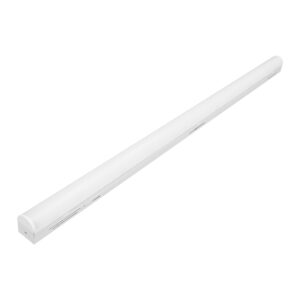
As the demand for energy-efficient lighting solutions continues to rise, lighting contractors are increasingly tasked with converting traditional lighting systems to LED technology. This transition not only benefits the environment but also offers significant cost savings for clients. However, the process of LED lamp conversion can be complex and requires careful planning and execution. This article provides essential tips for lighting contractors to ensure a successful conversion project.
Understanding LED Technology
Before diving into the conversion process, it is crucial for lighting contractors to have a solid grasp of LED technology. LEDs, or light-emitting diodes, are semiconductor devices that emit light when an electric current passes through them. Unlike traditional incandescent or fluorescent bulbs, LEDs are more energy-efficient and have a longer lifespan.
Benefits of LED Lighting
The advantages of LED lighting are numerous. First and foremost, LEDs consume significantly less energy compared to their traditional counterparts. This reduction in energy usage leads to lower electricity bills for clients, making it an attractive option for both residential and commercial applications.
Additionally, LEDs have a longer lifespan, often lasting up to 25 times longer than incandescent bulbs. This longevity means less frequent replacements, reducing maintenance costs and inconvenience for clients. Furthermore, LEDs are available in a variety of color temperatures, allowing for greater flexibility in design and ambiance creation.
Common Misconceptions
Despite their many benefits, there are still misconceptions surrounding LED technology. One common myth is that LEDs produce harsh, cold light. In reality, LEDs can be designed to emit warm light that closely resembles traditional incandescent bulbs. This versatility allows contractors to cater to client preferences without compromising on energy efficiency.
Another misconception is that LED lighting is excessively expensive. While the initial investment may be higher than traditional lighting options, the long-term savings on energy and maintenance costs often outweigh the upfront expenses.
Assessing the Existing Lighting System
Before proceeding with an LED lamp conversion, it is essential to conduct a thorough assessment of the existing lighting system. This evaluation will inform the contractor’s decisions regarding the type of LED fixtures to use and the overall approach to the conversion.
Evaluating Energy Consumption
Start by analyzing the energy consumption of the current lighting system. This includes identifying the wattage of existing bulbs and calculating the total energy usage. Understanding the current energy footprint will help determine the potential savings that can be achieved through conversion.
In addition to wattage, consider the type of fixtures in use. Some fixtures may require specific LED replacements, while others may need to be retrofitted or replaced entirely. This assessment will guide the selection of appropriate LED products that meet both performance and aesthetic requirements.
Identifying Client Needs
Every client has unique needs and preferences when it comes to lighting. Engaging in a detailed discussion with clients about their expectations, desired ambiance, and specific applications can provide valuable insights. For instance, a retail space may require bright, focused lighting to highlight products, while a residential setting may benefit from softer, warmer tones.
Understanding these requirements will enable contractors to recommend the best LED solutions tailored to each client’s specific situation, ensuring satisfaction and enhancing the overall experience.
Choosing the Right LED Products
With a clear understanding of the existing lighting system and client needs, the next step is selecting the appropriate LED products. The market offers a wide range of options, making it essential for contractors to choose wisely.
Fixture Compatibility
When selecting LED replacements, compatibility with existing fixtures is paramount. Some fixtures may be designed specifically for LED use, while others may require modifications or complete replacements. It is crucial to verify that the chosen LED products are compatible with the existing electrical systems and fixtures to avoid any operational issues.
Additionally, consider the beam angle and distribution of light. Different applications may require different beam angles to achieve optimal lighting effects. For example, a narrow beam may be suitable for spotlighting artwork, while a wider beam may be necessary for general illumination in larger spaces.
Quality and Certification
Not all LED products are created equal. It is essential to prioritize quality and reliability when selecting products for conversion projects. Look for products that have been certified by recognized organizations, such as the Lighting Global Quality Assurance program or the Energy Star label. These certifications indicate that the products meet specific performance and efficiency standards.
Investing in high-quality LED products not only ensures better performance but also enhances the reputation of the contractor. Satisfied clients are more likely to recommend services to others, leading to potential new business opportunities.
Planning the Conversion Process
Once the appropriate LED products have been selected, careful planning is necessary to execute the conversion process smoothly. A well-structured approach can minimize disruptions and ensure that the project is completed on time and within budget.
Creating a Detailed Timeline
Developing a comprehensive timeline is a crucial aspect of project management. Outline each phase of the conversion process, including assessment, product selection, installation, and post-installation evaluation. This timeline should also account for any potential delays, such as shipping times for LED products or scheduling conflicts with clients.
By establishing clear deadlines and milestones, contractors can keep the project on track and maintain open communication with clients about progress and expectations.
Safety Considerations
Safety should always be a top priority during any lighting conversion project. Ensure that all team members are trained in safe working practices, especially when dealing with electrical systems. Proper personal protective equipment (PPE) should be worn, and all safety protocols must be followed to prevent accidents and injuries.
Additionally, consider the impact of the conversion on the surrounding environment. Minimizing disruptions to the client’s daily operations and ensuring that work areas are clean and safe can enhance the overall experience for clients and their customers.
Installation Best Practices
The installation phase is where the planning and preparation come to fruition. Following best practices during installation can help ensure a successful LED lamp conversion.
Proper Removal of Existing Fixtures
Before installing new LED fixtures, it is essential to safely remove the existing lighting components. This process should be conducted with care to avoid damaging any surrounding structures or electrical systems. Properly disconnecting and disposing of old fixtures according to local regulations is also vital.
Documenting the removal process can be beneficial for future reference, especially if any issues arise after installation. This documentation can also serve as a valuable resource for clients who may want to revert to traditional lighting in the future.
Ensuring Correct Installation
When installing LED fixtures, following the manufacturer’s instructions is crucial. This includes correctly wiring the fixtures, securing them in place, and ensuring that they are level and aligned properly. Attention to detail during installation can prevent future issues and ensure optimal performance from the new lighting system.
It is also advisable to conduct a thorough inspection of the installation before completing the project. Testing the new LED fixtures to ensure they operate correctly and meet the desired lighting specifications is essential for client satisfaction.
Post-Installation Evaluation
After the installation is complete, conducting a post-installation evaluation is a critical step in the conversion process. This evaluation helps identify any potential issues and ensures that the new lighting system meets client expectations.
Gathering Client Feedback
Engaging with clients after the installation allows contractors to gather valuable feedback on the new lighting system. This feedback can provide insights into the performance of the LED fixtures, the overall satisfaction of the client, and any areas for improvement in future projects.
Encouraging clients to share their experiences can also foster a positive relationship and lead to future referrals or repeat business. Satisfied clients are more likely to recommend contractors to others, enhancing the contractor’s reputation in the industry.
Monitoring Performance
Monitoring the performance of the new LED lighting system is essential to ensure long-term success. This includes checking for any flickering lights, color inconsistencies, or other issues that may arise over time. Regular maintenance and follow-up visits can help address any concerns and demonstrate a commitment to quality service.
Establishing a maintenance schedule can also benefit clients by ensuring that their lighting systems continue to operate efficiently and effectively. This proactive approach can help prevent costly repairs and replacements down the line.
Staying Informed and Adapting
The lighting industry is constantly evolving, with new technologies and trends emerging regularly. For lighting contractors, staying informed about these developments is crucial to maintaining a competitive edge in the market.
Continuing Education and Training
Investing in continuing education and training opportunities can help contractors stay up-to-date with the latest advancements in LED technology and lighting design. Workshops, webinars, and industry conferences can provide valuable insights and networking opportunities.
Additionally, many manufacturers offer training programs on their products, which can enhance contractors’ knowledge and expertise. This training can lead to better product recommendations and improved installation practices, ultimately benefiting clients.
Adapting to Market Trends
As consumer preferences and market trends shift, lighting contractors must be adaptable. Keeping an eye on emerging trends, such as smart lighting solutions or sustainable practices, can provide new opportunities for growth and innovation.
By being proactive and responsive to market changes, contractors can position themselves as leaders in the industry, attracting new clients and retaining existing ones.
Conclusion
LED lamp conversion presents a wealth of opportunities for lighting contractors. By understanding LED technology, assessing existing systems, choosing the right products, and following best practices throughout the conversion process, contractors can ensure successful projects that meet client needs and expectations. Furthermore, staying informed about industry trends and committing to ongoing education will help contractors thrive in an ever-evolving market.
Ultimately, the shift to LED lighting is not just a trend; it is a vital step towards a more sustainable and energy-efficient future. Lighting contractors play a crucial role in this transition, and with the right knowledge and approach, they can lead the way in providing innovative lighting solutions.
Start Your LED Conversion Journey with LumenWholesale
Ready to elevate your lighting projects with the efficiency and sustainability of LED technology? At LumenWholesale, we provide lighting contractors with an exceptional range of top-quality, spec-grade lighting products at unbeatable wholesale prices. Say goodbye to local distributor markups and hello to superior lighting solutions that meet the highest industry standards. With our hassle-free bulk buying and free shipping, you can trust that you’re getting premium lighting at the best value — no hidden fees, no compromises. Take the first step towards innovative lighting solutions and Wholesale Lighting at the Best Value with LumenWholesale today.