Understanding LED Hi Bay Lights and Their Importance
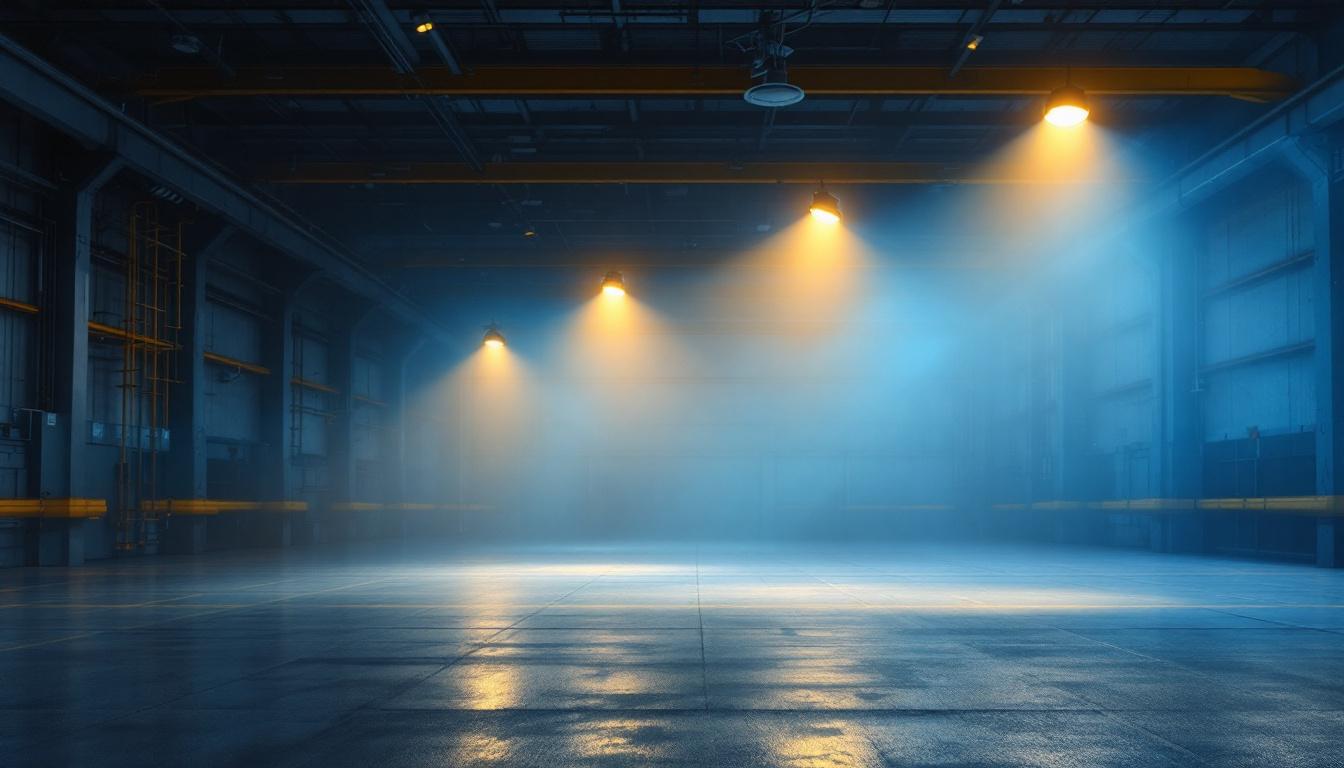
In the realm of commercial and industrial lighting, LED Hi Bay lights have emerged as a game-changer. Designed specifically for spaces with high ceilings—typically 15 feet or more—these fixtures provide powerful illumination that is both energy-efficient and long-lasting. For lighting contractors, understanding the nuances of LED Hi Bay technology is essential to delivering optimal lighting solutions that meet client demands for performance, sustainability, and cost-effectiveness.
Hi Bay lighting is commonly used in warehouses, manufacturing plants, gymnasiums, and large retail spaces. Traditional lighting options like metal halide or fluorescent lamps have long been the norm in these settings, but they come with drawbacks such as high energy consumption, frequent maintenance, and shorter lifespans. LED Hi Bay lights address these challenges by offering superior illumination quality while significantly reducing operational costs.
What Sets LED Hi Bay Lights Apart?
LED Hi Bay lights utilize light-emitting diode technology, which converts electricity into light more efficiently than conventional bulbs. This results in higher lumen output per watt, meaning brighter light with less energy consumption. Additionally, LEDs generate less heat, reducing cooling costs and improving workplace safety.
Another key advantage is the directional nature of LED lighting. Unlike traditional fixtures that emit light in all directions, LEDs focus light downward, minimizing wasted illumination and enhancing visibility. This characteristic is particularly valuable in high-ceiling environments where light dispersion can be a challenge.
Moreover, the longevity of LED Hi Bay lights is a significant factor that sets them apart. With lifespans often exceeding 50,000 hours, these lights drastically reduce the frequency of replacements, which is not only cost-effective but also minimizes waste. This durability is particularly beneficial in hard-to-reach areas, where changing bulbs can be labor-intensive and time-consuming. Furthermore, many LED Hi Bay lights are designed with advanced thermal management systems that ensure optimal performance over their lifespan, maintaining brightness and efficiency even in challenging conditions.
Another aspect worth noting is the versatility of LED Hi Bay lights. They come in various designs and configurations, allowing for tailored solutions that meet specific lighting needs. Options such as adjustable beam angles, dimmable features, and smart technology integration enable businesses to create customized lighting environments that enhance productivity and comfort. For instance, in a gymnasium, adjustable lighting can cater to different activities, from bright lighting for basketball games to softer tones for yoga classes, showcasing the adaptability of LED Hi Bay solutions in diverse settings.
Energy Efficiency and Cost Savings: Why They Matter
Energy efficiency is a critical consideration for any lighting contractor advising clients on large-scale installations. LED Hi Bay lights typically consume 50-70% less energy compared to metal halide or high-pressure sodium lamps. This reduction translates into substantial savings on electricity bills, especially in facilities where lights operate for extended hours. The shift to LED technology not only benefits the bottom line but also contributes to a more sustainable future by reducing overall energy demand and greenhouse gas emissions.
Beyond energy savings, LED Hi Bay lights have a longer operational life—often exceeding 50,000 hours. This longevity means fewer replacements and less maintenance downtime, which can be costly in industrial settings. For businesses, these factors contribute to a lower total cost of ownership, making LED Hi Bay lighting an economically sound investment. Moreover, the reduced heat output of LEDs can also lead to lower cooling costs in facilities, further enhancing the financial advantages of switching to energy-efficient lighting solutions.
Real-World Impact: Case Studies and Statistics
Consider a distribution center that replaced its 400-watt metal halide fixtures with 150-watt LED Hi Bay lights. The facility reported a 60% reduction in energy consumption and a payback period of under two years. Additionally, maintenance costs dropped by nearly 40% due to the LEDs’ extended lifespan. This case is not an isolated incident; many businesses across various sectors have reported similar outcomes, reinforcing the trend toward energy-efficient lighting as a standard practice.
Such examples underscore the tangible benefits of LED Hi Bay technology. For lighting contractors, presenting these data points to clients can facilitate informed decision-making and foster trust in the recommended solutions. Furthermore, the integration of smart lighting controls with LED systems can amplify these benefits, allowing for even greater energy savings through features like occupancy sensors and daylight harvesting. As industries increasingly prioritize sustainability, the transition to LED Hi Bay lights not only enhances operational efficiency but also aligns with corporate social responsibility goals, making it a win-win for both businesses and the environment.
Key Features and Specifications Lighting Contractors Should Know
When selecting LED Hi Bay lights, several technical specifications and features warrant close attention. These factors influence not only the lighting quality but also installation complexity and long-term performance.
Lumen Output and Wattage
Lumen output measures the total amount of visible light emitted by a fixture. For high-ceiling applications, a high lumen output is essential to ensure adequate brightness at floor level. Lighting contractors should balance lumen requirements with wattage to optimize energy efficiency without compromising illumination. Additionally, it is important to consider the specific needs of the environment; for example, warehouses may require higher lumen outputs to accommodate large spaces filled with shelving, while manufacturing facilities might need focused lighting in work areas to enhance productivity.
Color Temperature and Color Rendering Index (CRI)
Color temperature, measured in Kelvins (K), affects the ambiance and functionality of a space. LED Hi Bay lights typically range from 4000K (neutral white) to 6000K (cool white). Neutral to cool white tones are preferred in industrial environments as they enhance visibility and reduce eye strain. Furthermore, the choice of color temperature can impact worker morale and efficiency; cooler temperatures can create a more alert atmosphere, while warmer tones may foster a more relaxed environment, which is particularly beneficial in areas where employees spend long hours.
The Color Rendering Index (CRI) indicates how accurately a light source reveals colors compared to natural light. A CRI of 80 or above is generally recommended for industrial and commercial spaces to ensure clear color differentiation, which is crucial for safety and quality control. In applications such as food processing or textile manufacturing, a higher CRI can be essential for maintaining product integrity and ensuring that colors are true to their intended appearance, thus preventing costly errors.
Beam Angle and Mounting Options
Beam angle determines the spread of light emitted from the fixture. Narrow beam angles (around 60 degrees) focus light on specific areas, while wider angles (up to 120 degrees) provide broader coverage. Lighting contractors must assess the spatial layout and ceiling height to select the appropriate beam angle. Additionally, understanding the tasks performed in various areas can guide the selection process; for instance, areas requiring precision work may benefit from focused lighting, while general storage areas may need a more dispersed light distribution to ensure safety and visibility.
Mounting options also vary, including hook mounts, pendant mounts, and surface mounts. The choice depends on the facility’s structural design and accessibility for maintenance. It is also important to consider future maintenance needs; for example, fixtures that are easier to access can reduce downtime during bulb replacements or repairs. Moreover, the mounting height can significantly influence the effectiveness of the lighting; too high may lead to insufficient illumination, while too low can cause glare and discomfort. Therefore, careful planning and consultation with stakeholders can ensure the optimal setup for both functionality and ease of maintenance.
Installation Considerations and Best Practices
Proper installation is critical to maximizing the benefits of LED Hi Bay lighting. Lighting contractors should consider several factors to ensure safety, performance, and compliance with regulations.
Assessing the Space and Lighting Needs
A thorough site assessment is the first step. This includes measuring ceiling height, floor area, and existing light levels. Understanding the nature of the work conducted in the space helps determine optimal light intensity and distribution.
Advanced lighting design software can assist in modeling light placement and output, enabling contractors to create efficient layouts that minimize shadows and glare.
Electrical Compatibility and Wiring
LED Hi Bay fixtures often require compatible drivers and may have specific voltage requirements. Ensuring the existing electrical infrastructure supports these fixtures is essential to avoid performance issues or safety hazards.
Contractors should also verify that wiring meets local electrical codes and standards, incorporating surge protection and proper grounding to extend fixture lifespan.
Maintenance and Accessibility
Although LED Hi Bay lights require less maintenance than traditional lamps, periodic cleaning and inspections are necessary to maintain optimal performance. Installing fixtures with accessible mounting systems simplifies maintenance tasks and reduces labor costs over time.
Environmental and Regulatory Benefits
Beyond cost savings and performance, LED Hi Bay lights contribute to environmental sustainability—a growing priority among businesses and regulatory bodies alike.
Reducing Carbon Footprint
By consuming less energy, LED Hi Bay lights help lower greenhouse gas emissions associated with electricity generation. Facilities that adopt LED lighting can significantly reduce their carbon footprint, aligning with corporate social responsibility goals and environmental certifications.
Compliance with Energy Standards
Many regions have implemented energy efficiency standards and incentives for commercial lighting upgrades. LED Hi Bay lights often qualify for rebates and tax credits, providing additional financial incentives for clients.
Lighting contractors should stay informed about local regulations and incentive programs to guide clients toward compliant and cost-effective solutions.
Future Trends in LED Hi Bay Lighting
The LED lighting industry continues to evolve, with innovations aimed at enhancing efficiency, control, and integration.
Smart Lighting and IoT Integration
Emerging LED Hi Bay fixtures increasingly incorporate smart controls, allowing remote dimming, scheduling, and occupancy sensing. These features optimize energy use by adapting lighting levels to real-time needs, further reducing waste.
Advancements in Light Quality and Design
Ongoing improvements in LED chip technology and optics are enhancing light uniformity and reducing glare. Sleeker fixture designs also facilitate easier installation and better heat dissipation, extending product life.
Conclusion: Why LED Hi Bay Lights Are Essential for Modern Lighting Contractors
For lighting contractors, mastering the technical and practical aspects of LED Hi Bay lighting is crucial to delivering value-driven solutions. These fixtures offer unmatched energy efficiency, cost savings, and environmental benefits, making them the preferred choice for high-ceiling commercial and industrial applications.
By staying updated on product specifications, installation best practices, and emerging trends, contractors can confidently recommend LED Hi Bay lights that meet client expectations and regulatory requirements. Ultimately, embracing LED Hi Bay technology positions contractors as leaders in sustainable, high-performance lighting solutions.
Illuminate Your Projects with LumenWholesale
Ready to elevate your lighting solutions with the efficiency and sustainability of LED Hi Bay lights? Look no further than LumenWholesale for the highest quality, spec-grade lighting at unbeatable wholesale prices. Say goodbye to unnecessary markups and hello to a vast selection of industry-standard, reliable lighting options. With free shipping on bulk orders, LumenWholesale is your go-to source for premium lighting without hidden fees. Don’t compromise on quality or value—choose LumenWholesale for your next project. Wholesale Lighting at the Best Value is just a click away.