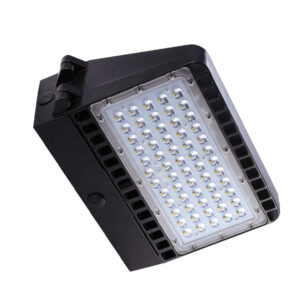
Understanding the Role of LED Floodlights with Motion Sensors in Modern Lighting
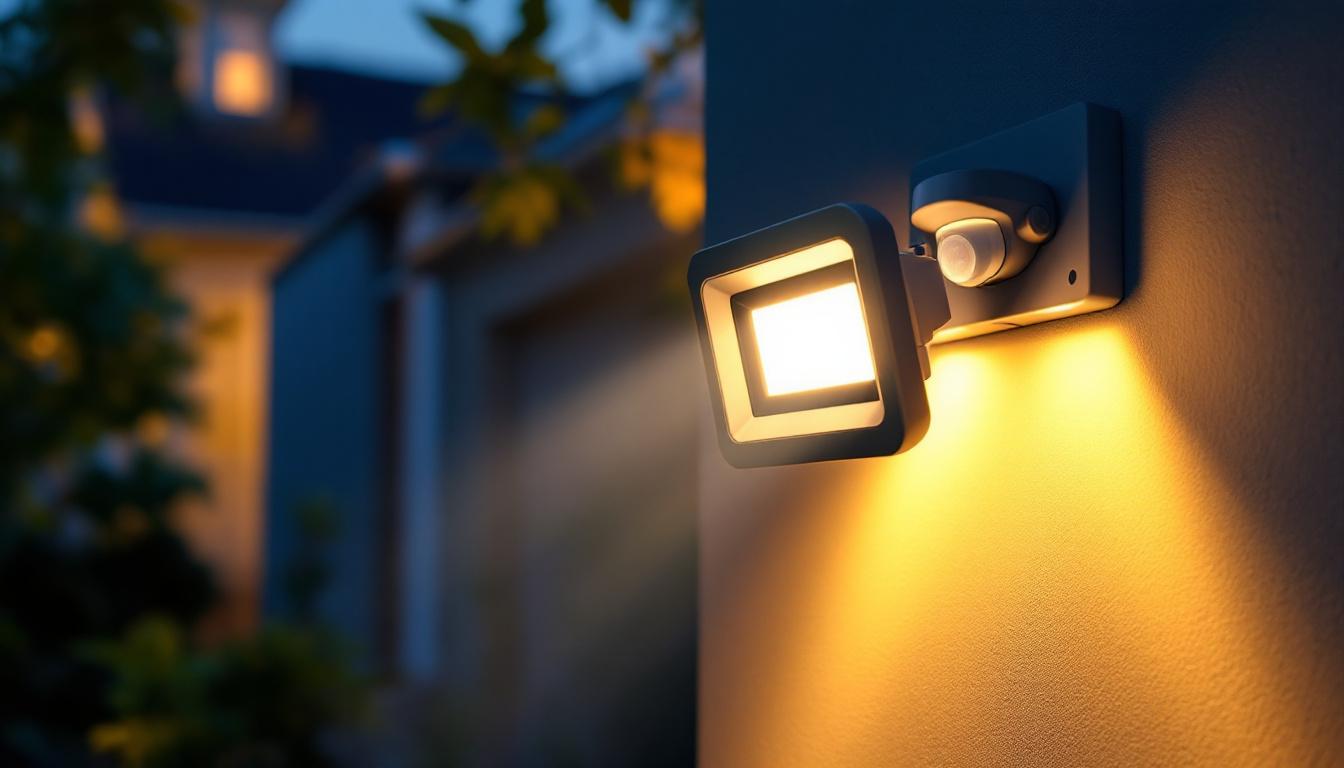
In the evolving landscape of lighting technology, LED floodlights equipped with motion sensors have emerged as a pivotal solution for a wide range of applications. For lighting contractors, integrating these devices into projects is no longer just an option but often a necessity. The combination of energy efficiency, enhanced security, and user convenience positions LED floodlights with motion sensors as a cornerstone in both residential and commercial lighting designs.
LED technology itself revolutionized the lighting industry by offering longer lifespan and lower energy consumption compared to traditional incandescent or halogen bulbs. When paired with motion sensors, these floodlights become intelligent lighting solutions that respond dynamically to environmental cues, thereby optimizing performance and functionality.
Moreover, the adaptability of LED floodlights with motion sensors extends beyond mere energy savings. These lights can be programmed to activate only when movement is detected, which not only conserves electricity but also prolongs the lifespan of the bulbs. This feature is particularly beneficial in outdoor settings, where lights can be set to illuminate pathways, driveways, or gardens only when someone approaches, enhancing safety without unnecessary energy expenditure. Additionally, many modern motion sensors come equipped with adjustable sensitivity settings and timers, allowing users to tailor their lighting experience according to specific needs and preferences.
Furthermore, the integration of LED floodlights with motion sensors also plays a significant role in enhancing security measures for both homes and businesses. The sudden illumination triggered by motion detection can deter potential intruders, creating a safer environment. In commercial spaces, this technology can be pivotal in protecting assets, as well as providing peace of mind to employees working late hours. As smart home technology continues to gain traction, these floodlights can also be seamlessly integrated into broader security systems, allowing for remote monitoring and control via smartphones or home automation systems, thereby elevating the overall user experience and security capabilities.
Key Benefits of LED Floodlights with Motion Sensors
Energy Efficiency and Cost Savings
One of the most compelling reasons to incorporate LED floodlights with motion sensors is the significant reduction in energy consumption. Unlike conventional floodlights that remain illuminated continuously, motion-activated floodlights operate only when movement is detected. This targeted usage can reduce electricity bills dramatically, a critical consideration for large-scale projects or commercial properties.
Studies indicate that motion sensor lighting can cut energy use by up to 70% in certain applications. For contractors advising clients on sustainable building practices, this feature not only aligns with green building standards but also provides a tangible return on investment through operational savings. Additionally, many utility companies offer rebates or incentives for installing energy-efficient lighting, further enhancing the financial benefits of adopting LED floodlights with motion sensors. This combination of savings and incentives can make a compelling case for clients looking to modernize their lighting systems.
Enhanced Security and Safety
Security is a primary concern in many lighting projects, especially for outdoor environments such as parking lots, building perimeters, and residential yards. LED floodlights with motion sensors serve as an effective deterrent against unauthorized access or vandalism by illuminating areas immediately when movement is detected.
This instant illumination can also prevent accidents by lighting pathways, staircases, or work zones only when needed, reducing the risk of trips and falls without wasting energy on continuous lighting. For contractors working on commercial or industrial sites, incorporating these lights can contribute to compliance with safety regulations and improve overall site security. Moreover, the ability to customize the sensitivity and duration of the light activation allows property owners to tailor the system to their specific needs, ensuring that high-traffic areas are well-lit while minimizing disturbances in less frequented spaces.
Longevity and Reduced Maintenance
LED floodlights are known for their long operational life, often exceeding 50,000 hours. When combined with motion sensors, the reduced operating time further extends the lifespan of the fixture. This translates to fewer replacements and lower maintenance costs over the life of the project.
For lighting contractors managing large installations, this durability is a significant advantage. It reduces the frequency of service calls and the associated labor costs, while also minimizing disruption to the client’s operations. Furthermore, the robust design of LED floodlights is often resistant to harsh weather conditions, making them suitable for a variety of environments—from coastal areas with salt exposure to regions that experience extreme temperatures. This resilience not only enhances the reliability of the lighting solution but also reinforces the value proposition for clients seeking long-term, low-maintenance lighting options.
Design Considerations for Integrating LED Floodlights with Motion Sensors
Sensor Placement and Coverage
Proper placement of the motion sensor is critical to maximize effectiveness. Sensors should be positioned to cover high-traffic or vulnerable areas without triggering false alarms from irrelevant movement such as passing vehicles or animals. Contractors must evaluate the environment carefully, considering factors like landscaping, nearby heat sources, and typical movement patterns.
Many modern motion sensors offer adjustable sensitivity and detection angles, allowing customization to suit specific project requirements. This flexibility ensures that lighting activates precisely when needed, enhancing both security and energy efficiency.
Light Intensity and Beam Angle
The brightness and spread of the floodlight must be tailored to the application. For expansive areas like parking lots, a higher lumen output with a wide beam angle is necessary to ensure comprehensive coverage. In contrast, residential or pathway lighting might require softer illumination with a narrower focus to avoid light pollution or disturbance to neighbors.
Contractors should collaborate closely with clients to determine the appropriate specifications, balancing visibility, comfort, and energy consumption. Many LED floodlights now come with dimming capabilities or multiple brightness settings, adding another layer of customization.
Integration with Smart Systems
As smart building technologies gain traction, LED floodlights with motion sensors are increasingly integrated into broader automation systems. This allows for remote monitoring, scheduling, and control via mobile apps or centralized management platforms.
For contractors, offering lighting solutions compatible with smart home or building management systems can differentiate their services and meet the growing demand for connected infrastructure. Features such as programmable lighting scenes, real-time alerts, and adaptive brightness adjustments improve user experience and operational efficiency.
Common Challenges and How to Overcome Them
False Triggers and Sensor Malfunction
One of the frequent issues encountered with motion sensor floodlights is false triggering caused by environmental factors such as wind-blown debris, small animals, or reflections. These false activations can lead to unnecessary energy use and client dissatisfaction.
To mitigate this, contractors should select sensors with advanced detection algorithms and adjustable sensitivity. Proper installation height and angle adjustments can also minimize false alarms. Regular maintenance checks ensure sensors remain clean and functional over time.
Compatibility with Existing Electrical Systems
Integrating LED floodlights with motion sensors into older buildings or complex electrical setups can present compatibility challenges. Voltage fluctuations, wiring limitations, or lack of suitable control circuits may require additional components or modifications.
Experienced contractors conduct thorough site assessments and may recommend upgrading electrical infrastructure or using compatible drivers and transformers to ensure seamless operation. This proactive approach prevents installation delays and future operational issues.
Balancing Cost and Quality
While LED floodlights with motion sensors offer many benefits, the initial investment can be higher compared to traditional lighting solutions. However, cutting corners on quality can lead to premature failures or inadequate performance.
Contractors should educate clients on the total cost of ownership, emphasizing long-term savings from energy efficiency and reduced maintenance. Selecting reputable manufacturers and products with solid warranties ensures reliability and client satisfaction.
Case Studies: Successful Implementations of LED Floodlights with Motion Sensors
Commercial Parking Lot Lighting Upgrade
A mid-sized retail center replaced its outdated halogen floodlights with LED floodlights equipped with motion sensors. The upgrade resulted in a 65% reduction in energy consumption and a noticeable decrease in nighttime security incidents. The motion sensors ensured lighting was active only during business hours or when movement was detected, creating a safer environment for customers and employees.
Residential Security Enhancement
In a gated community, lighting contractors installed motion-activated LED floodlights around perimeter fencing and entry points. Residents reported increased peace of mind and a reduction in trespassing attempts. The system’s integration with a smart home platform allowed homeowners to receive alerts and control lighting remotely, adding convenience and control.
Industrial Facility Safety Improvement
An industrial warehouse incorporated LED floodlights with motion sensors in loading dock areas and walkways. The lighting system provided bright illumination only when workers were present, improving safety without the cost of continuous lighting. The durable fixtures withstood harsh environmental conditions, reducing maintenance needs and downtime.
Conclusion: Why Lighting Contractors Should Prioritize LED Floodlights with Motion Sensors
For lighting contractors, the integration of LED floodlights with motion sensors represents a strategic opportunity to deliver superior lighting solutions that meet modern demands. These fixtures combine energy efficiency, enhanced security, and operational longevity, addressing key client concerns across residential, commercial, and industrial sectors.
By understanding design considerations, anticipating challenges, and leveraging the latest technologies, contractors can position themselves as leaders in the lighting industry. Incorporating motion sensor LED floodlights not only elevates project quality but also contributes to sustainable practices and improved user experiences.
Ultimately, LED floodlights with motion sensors are more than just a component—they are the missing piece that completes many lighting projects, ensuring they are smart, efficient, and effective.
Illuminate Your Projects with LumenWholesale
Ready to enhance your lighting projects with the efficiency, security, and longevity of LED floodlights with motion sensors? Look no further than LumenWholesale, where we provide contractors with superior, spec-grade lighting products at unbeatable wholesale prices. Our commitment to quality and affordability ensures you have access to the best lighting solutions without the burden of inflated markups. With free shipping on bulk orders, we make it easy for you to get the premium lighting you need at the best value. Elevate your lighting projects today by visiting Wholesale Lighting at the Best Value and discover the LumenWholesale difference.