Lighting plays a crucial role in enhancing safety, security, and aesthetic appeal in both residential and commercial spaces. As the demand for energy-efficient solutions grows, the integration of LED bulbs with motion sensors has emerged as a popular choice among lighting contractors. However, this combination also presents unique challenges that contractors must navigate to ensure successful installations and satisfied clients. This article explores these challenges and offers practical solutions for lighting contractors.
Understanding LED Technology
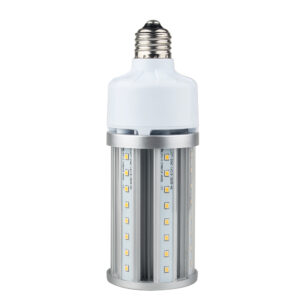
LED (Light Emitting Diode) technology has revolutionized the lighting industry. Unlike traditional incandescent or fluorescent bulbs, LEDs are more energy-efficient, have a longer lifespan, and offer greater flexibility in design and application. However, understanding the intricacies of LED technology is essential for lighting contractors to maximize its potential.
The Advantages of LED Bulbs
One of the most significant advantages of LED bulbs is their energy efficiency. They consume significantly less power than traditional bulbs, which translates to lower electricity bills for clients. Additionally, LEDs have a lifespan that can exceed 25,000 hours, reducing the frequency of replacements and maintenance costs.
Moreover, LEDs are available in a wide range of color temperatures, allowing contractors to create tailored lighting solutions that meet the specific needs of their clients. This versatility can enhance both the functionality and aesthetic appeal of a space, making it a desirable option for many projects. For instance, warm white LEDs can create a cozy atmosphere in residential settings, while cooler white options are perfect for commercial spaces that require bright, focused lighting for productivity.
Common Misconceptions
Despite their numerous benefits, there are still misconceptions surrounding LED technology. Some clients may believe that LEDs are too expensive upfront, not realizing the long-term savings on energy and maintenance. Others may worry about the quality of light produced by LEDs, fearing it may be harsh or unflattering.
Lighting contractors must be prepared to educate clients on these misconceptions, emphasizing the long-term advantages and the availability of various LED options that cater to different lighting needs. Providing samples or demonstrations can be an effective way to showcase the quality of light that LEDs can produce. Additionally, it’s important to highlight the advancements in LED technology that have led to improved color rendering indexes (CRI), which ensure that colors appear more vibrant and true to life under LED lighting. This is particularly crucial in settings like art galleries or retail stores, where accurate color representation is essential for showcasing products effectively.
Furthermore, the environmental impact of LED technology is a compelling point to discuss with clients. Unlike traditional bulbs, LEDs do not contain hazardous materials like mercury, making them a safer choice for both users and the environment. Their lower energy consumption also contributes to a reduction in greenhouse gas emissions, aligning with the growing trend towards sustainability in building practices. By incorporating LED solutions, contractors not only enhance the functionality of their projects but also contribute positively to the planet’s health, which is an increasingly important consideration for many clients today.
Motion Sensors: Enhancing Efficiency and Security
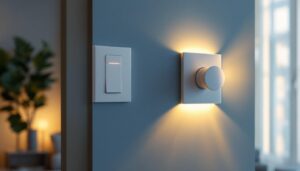
Motion sensors are an excellent complement to LED lighting, providing enhanced efficiency and security. By detecting movement, these sensors can automatically turn lights on or off, ensuring that energy is not wasted in unoccupied areas. This feature is particularly beneficial in commercial spaces, where lighting can be a significant expense. Additionally, in residential settings, motion sensors can enhance safety by illuminating pathways and entryways when someone approaches, deterring potential intruders and providing peace of mind for homeowners.
Types of Motion Sensors
There are several types of motion sensors available, each with its own advantages and suitable applications. Passive infrared (PIR) sensors are the most common, detecting heat emitted by objects in their field of view. Ultrasonic sensors, on the other hand, use sound waves to detect movement and can cover a larger area. Furthermore, dual-technology sensors combine both PIR and ultrasonic technologies, offering a more reliable detection method by minimizing false alarms and ensuring that lights activate only when necessary.
Understanding the different types of motion sensors and their specific applications is crucial for lighting contractors. Selecting the right sensor for a particular project can significantly enhance the effectiveness of the lighting system while meeting the client’s needs. For instance, in large warehouses, a combination of PIR and ultrasonic sensors may be ideal to ensure comprehensive coverage, while in smaller retail spaces, a single type may suffice. This nuanced approach not only optimizes energy use but also aligns with the operational requirements of the space.
Challenges in Integration
Integrating motion sensors with LED lighting systems can pose several challenges. One common issue is the compatibility of the sensor with the LED driver. Not all sensors are designed to work seamlessly with LED technology, which can lead to flickering or inconsistent performance. Moreover, the varying voltage requirements of different LED fixtures can complicate the integration process, necessitating careful selection of compatible components to ensure smooth operation.
Another challenge is the placement of motion sensors. Incorrect positioning can result in false triggers or failure to detect movement, leading to frustration for clients. Lighting contractors must carefully assess the layout of the space and the intended use of the lighting to ensure optimal sensor placement. This may involve conducting site surveys and testing different locations to find the most effective spots for sensor installation. Additionally, environmental factors such as temperature fluctuations and physical obstructions can impact sensor performance, making it essential to consider these variables during the planning phase to achieve the best results.
Overcoming Installation Challenges
While the integration of LED bulbs and motion sensors offers numerous benefits, lighting contractors often face installation challenges. Addressing these challenges effectively requires a combination of technical knowledge and practical strategies.
Technical Considerations
One of the primary technical challenges is ensuring that the LED drivers are compatible with the motion sensors. Contractors must be familiar with the specifications of both components to avoid issues during installation. Researching and selecting products that are known to work well together can save time and prevent costly mistakes.
Additionally, understanding the electrical requirements of the installation site is essential. This includes assessing the existing wiring and ensuring that it can support the new LED and sensor systems. Contractors should conduct thorough site evaluations before beginning any installation to identify potential issues early on.
Effective Communication with Clients
Clear communication with clients is vital throughout the installation process. Contractors should set realistic expectations regarding timelines, potential challenges, and maintenance requirements. Educating clients about the technology and its benefits can foster trust and ensure a smoother installation experience.
Providing clients with detailed documentation, including product specifications and installation guides, can also enhance their understanding and satisfaction with the project. This proactive approach can lead to positive reviews and repeat business.
Maintenance and Troubleshooting
Once the installation is complete, ongoing maintenance and troubleshooting are crucial to ensure the longevity and effectiveness of the LED and motion sensor systems. Lighting contractors should establish a maintenance plan that includes regular inspections and prompt repairs as needed.
Common Maintenance Issues
One common issue that may arise is the failure of motion sensors to detect movement. This can be due to various factors, including improper placement, obstructions, or sensor malfunctions. Contractors should educate clients on how to troubleshoot these issues, such as adjusting the sensor’s sensitivity or clearing any obstructions.
Additionally, LED bulbs may experience performance issues over time, such as dimming or flickering. Regular inspections can help identify these problems early, allowing for timely replacements and ensuring that the lighting system continues to function optimally.
Providing Exceptional Customer Service
Exceptional customer service can set a lighting contractor apart from competitors. Offering maintenance packages or follow-up services can demonstrate a commitment to client satisfaction and build long-term relationships. Providing clients with a point of contact for any questions or concerns can also enhance their experience.
Encouraging feedback from clients can provide valuable insights into areas for improvement and help contractors refine their services. This feedback loop can lead to a better understanding of client needs and preferences, ultimately resulting in more successful projects.
Future Trends in LED and Motion Sensor Technology
The lighting industry is continually evolving, and staying ahead of trends is essential for lighting contractors. The future of LED and motion sensor technology promises exciting advancements that can further enhance efficiency and functionality.
Smart Lighting Solutions
One significant trend is the rise of smart lighting solutions. These systems allow for remote control and automation, enabling users to adjust lighting settings from their smartphones or other devices. Integrating motion sensors with smart technology can create even more efficient lighting systems that adapt to the needs of the user.
Contractors should familiarize themselves with smart lighting products and their installation requirements. Understanding how to integrate these systems can position contractors as leaders in the industry, attracting tech-savvy clients looking for innovative solutions.
Energy Regulations and Sustainability
As energy regulations become stricter, the demand for energy-efficient lighting solutions will continue to grow. Lighting contractors must stay informed about these regulations and ensure that their installations comply with local codes. Emphasizing sustainability and energy efficiency in marketing efforts can also attract environmentally conscious clients.
Additionally, the use of renewable energy sources, such as solar-powered LED lights, is gaining popularity. Contractors who can offer these solutions will be well-positioned to meet the evolving needs of their clients while contributing to a more sustainable future.
Conclusion
Integrating LED bulbs with motion sensors presents both opportunities and challenges for lighting contractors. By understanding the technology, addressing installation challenges, and providing exceptional customer service, contractors can overcome these hurdles and deliver successful lighting solutions. Staying informed about industry trends and advancements will further enhance a contractor’s ability to meet client needs and thrive in a competitive market.
Ultimately, the combination of LED technology and motion sensors offers a pathway to energy efficiency, enhanced security, and improved aesthetics. By embracing these innovations, lighting contractors can not only elevate their projects but also contribute to a more sustainable and efficient future in the lighting industry.
Illuminate Your Projects with LumenWholesale
Ready to tackle the challenges of integrating LED bulbs with motion sensors and elevate your lighting projects? LumenWholesale is here to support you every step of the way. Our spec-grade lighting products not only meet the highest industry standards but are also available at unbeatable wholesale prices. Say goodbye to local distributor markups and hello to a vast selection of reliable, high-performance lighting solutions. Plus, with free shipping on bulk orders, you can ensure your projects shine without the worry of hidden fees. Don’t compromise on quality or value—choose LumenWholesale for the perfect blend of affordability and convenience. Wholesale Lighting at the Best Value is just a click away.