Understanding Industrial UV Light and Its Applications
Ultraviolet (UV) light technology has evolved from a niche scientific tool into a mainstream industrial solution with broad applications. For lighting contractors, understanding the nuances of industrial UV light is crucial to unlocking new revenue streams and delivering high-value installations to clients. Unlike traditional lighting, UV light operates in a spectrum invisible to the human eye, offering unique benefits in sanitation, curing, and inspection processes.
Industrial UV light is primarily categorized into three types based on wavelength: UVA, UVB, and UVC. Each type serves distinct functions. UVA is commonly used in curing adhesives and coatings, UVB in medical and forensic applications, and UVC in sterilization and disinfection. The growing demand for hygienic environments, especially in healthcare, food processing, and water treatment industries, has propelled UVC lighting into the spotlight.
For contractors, mastering the technical aspects of UV light—such as wavelength, intensity, and exposure time—is essential to designing effective systems that meet client specifications and regulatory standards. This knowledge not only enhances installation quality but also positions contractors as trusted advisors in a competitive market.
Moreover, the versatility of UV light technology extends beyond traditional applications. In the realm of agriculture, UV light is increasingly being utilized to promote plant growth and control pests without the need for harmful chemicals. By simulating natural sunlight, UVA can enhance photosynthesis, leading to healthier crops and increased yields. This innovative use of UV technology not only supports sustainable farming practices but also opens up new avenues for contractors to explore in the agricultural sector.
Additionally, the integration of UV light systems with smart technology is revolutionizing industrial processes. Advanced sensors and IoT capabilities allow for real-time monitoring and automation of UV applications, ensuring optimal performance and energy efficiency. As industries strive for greater sustainability and reduced operational costs, the ability to provide smart UV solutions will be a significant differentiator for contractors. Understanding these emerging trends and technologies will empower contractors to stay ahead of the curve and meet the evolving needs of their clients.
Key Benefits of Industrial UV Light Installations
Enhanced Operational Efficiency
One of the most compelling reasons to integrate industrial UV lighting into projects is the significant boost in operational efficiency it offers. UV curing systems, for example, drastically reduce drying times for inks, coatings, and adhesives compared to traditional heat-based methods. This acceleration translates into faster production cycles and lower energy consumption, which clients highly value.
Moreover, UV disinfection systems can continuously sanitize air and surfaces without interrupting workflows, a critical advantage in environments requiring stringent hygiene protocols. By installing UV light solutions, contractors help businesses minimize downtime and maintain consistent output quality. The ability to achieve rapid curing and disinfection not only enhances productivity but also allows companies to respond swiftly to market demands, adapting their operations to meet customer needs without compromising on quality.
Additionally, the integration of UV technology can lead to innovative applications across various sectors. For instance, in the automotive industry, UV curing is increasingly used for applying durable finishes that withstand wear and tear, ensuring that products not only look good but also last longer. This versatility in application further solidifies the role of UV light as a cornerstone of modern industrial processes.
Cost Savings and Energy Efficiency
Industrial UV lights are often more energy-efficient than conventional lighting or sterilization methods. UVC lamps, for instance, consume less power than chemical disinfection processes, reducing operational costs over time. Additionally, UV curing eliminates the need for solvents and reduces waste, further lowering expenses.
Contractors who emphasize these cost-saving benefits during client consultations can justify premium pricing for UV installations. Demonstrating a clear return on investment (ROI) through energy savings and reduced maintenance costs makes UV lighting an attractive proposition for businesses aiming to optimize their budgets. Furthermore, the long lifespan of UV lamps compared to traditional lighting solutions means that companies can enjoy extended periods of low operational costs, making it a financially sound investment in the long run.
Moreover, as sustainability becomes a focal point for many organizations, the eco-friendly nature of UV technology aligns perfectly with corporate social responsibility goals. By reducing the reliance on harmful chemicals and minimizing waste, businesses can enhance their green credentials, appealing to environmentally conscious consumers and stakeholders alike.
Compliance and Safety Advantages
Regulatory compliance is a critical concern in many industries, especially those involving food, pharmaceuticals, and healthcare. UV light installations help clients meet stringent sanitation standards mandated by health authorities. For example, UVC systems are proven to inactivate a broad spectrum of pathogens, including bacteria, viruses, and molds, thereby enhancing workplace safety.
Contractors knowledgeable about relevant regulations and safety protocols can design UV systems that not only comply with but exceed industry requirements. This expertise minimizes liability risks and builds client confidence in the durability and effectiveness of the installation. Additionally, the implementation of UV technology can serve as a proactive measure in crisis situations, such as during outbreaks of infectious diseases, where maintaining a clean environment is paramount.
Furthermore, the transparency of UV technology in its operation can be a selling point for businesses looking to assure their customers of their commitment to safety. By showcasing the effectiveness of UV disinfection in real-time, companies can foster trust and loyalty among their clientele, reinforcing their reputation as leaders in health and safety standards within their respective industries.
Choosing the Right UV Lighting Technology for Industrial Projects
Assessing Client Needs and Environmental Factors
Successful UV light installations begin with a thorough assessment of the client’s operational environment and objectives. Lighting contractors must consider factors such as the size and layout of the facility, the nature of the processes involved, and any existing lighting infrastructure. Understanding these elements ensures that the UV system is tailored to maximize effectiveness.
For instance, a food processing plant may require high-intensity UVC lighting in air ducts and on surfaces to prevent microbial contamination, while a manufacturing facility might prioritize UVA curing systems for rapid adhesive bonding. Environmental conditions like humidity, temperature, and exposure to dust or chemicals also influence the choice of UV fixtures and protective housings.
Evaluating UV Light Sources: LED vs. Mercury Vapor Lamps
Two primary UV light sources dominate industrial applications: LED-based UV lights and traditional mercury vapor lamps. Each has distinct advantages and limitations that contractors must weigh carefully.
UV LEDs offer longer lifespans, instant on/off capabilities, and lower energy consumption. They are also mercury-free, making them environmentally friendly and easier to dispose of. However, LEDs currently provide lower UV intensity and may have higher upfront costs.
Mercury vapor lamps deliver intense UV output suitable for large-scale sterilization and curing but have shorter lifespans and require warm-up periods. They also contain hazardous materials, necessitating careful handling and disposal.
Contractors should evaluate project requirements, budget constraints, and maintenance considerations to recommend the optimal technology, thereby enhancing client satisfaction and profitability.
Installation Best Practices for Maximizing Performance and Profit
Precision in Placement and Orientation
Proper installation is paramount to achieving the desired effectiveness of UV lighting systems. Contractors must ensure that UV fixtures are positioned to deliver uniform coverage across target surfaces or airflows. Shadows, obstructions, and reflective surfaces can significantly reduce UV exposure, compromising system performance.
Using photometric analysis tools and simulation software during the design phase helps optimize fixture placement. Additionally, adjustable mounting brackets and modular designs facilitate fine-tuning post-installation, allowing contractors to address real-world variables and client feedback efficiently.
Integration with Existing Systems
Industrial facilities often have complex lighting and HVAC systems. Integrating UV lighting seamlessly requires careful coordination to avoid interference and maximize synergy. For example, UV air purification units should complement existing ventilation without causing airflow disruptions.
Contractors who excel in system integration can offer comprehensive solutions that enhance overall facility performance. This capability not only differentiates their service offering but also enables upselling opportunities through bundled installations and maintenance contracts.
Ensuring Safety and Compliance During Installation
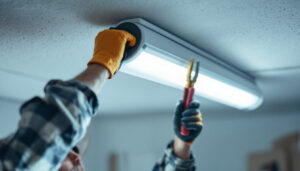
UV light, particularly UVC, poses risks to human health if not handled properly. Contractors must adhere to strict safety protocols during installation, including the use of protective gear and ensuring that systems are deactivated when personnel are present. Installing warning signs and interlocks further mitigates exposure risks.
Compliance with occupational safety standards and local regulations is non-negotiable. Contractors who prioritize safety not only protect their workforce but also reinforce their reputation for professionalism and reliability, which is critical for securing repeat business and referrals.
Maintenance Strategies to Extend System Longevity and Client Satisfaction
Routine Inspection and Cleaning
UV light fixtures are susceptible to dust accumulation and lamp degradation, which diminish their effectiveness over time. Establishing routine inspection and cleaning schedules helps maintain optimal UV output and prevents costly downtime.
Contractors can offer maintenance contracts that include lamp replacement, fixture cleaning, and performance verification. These services provide steady revenue streams and deepen client relationships by ensuring long-term system reliability.
Monitoring and Remote Diagnostics
Advancements in smart lighting technology enable real-time monitoring of UV system performance. Sensors can track lamp intensity, operating hours, and environmental conditions, alerting maintenance teams to potential issues before they escalate.
Implementing remote diagnostics allows contractors to offer proactive service, reducing response times and minimizing disruptions for clients. This high-tech approach enhances the value proposition of UV installations and supports premium pricing models.
Market Trends and Future Opportunities in Industrial UV Lighting
The industrial UV lighting market is experiencing robust growth driven by heightened awareness of hygiene, environmental sustainability, and technological innovation. Emerging trends include the integration of UV LEDs with IoT platforms, expanding applications in water and air purification, and the development of portable UV sterilization devices.
Lighting contractors who stay abreast of these trends and invest in continuous education will be well-positioned to capitalize on new business opportunities. Expanding service portfolios to include UV system design, installation, and maintenance creates diversified income streams and strengthens competitive advantage.
Furthermore, as regulatory frameworks tighten and industries increasingly prioritize health and safety, demand for certified UV lighting solutions will rise. Contractors who cultivate expertise in compliance and certification processes can command higher fees and build long-term client trust.
Conclusion
Industrial UV light represents a transformative opportunity for lighting contractors seeking to maximize profitability in lighting installations. By understanding the technology’s applications, benefits, and best practices, contractors can deliver superior solutions that enhance client operations and generate sustainable revenue.
Success in this niche requires a blend of technical knowledge, strategic project planning, and commitment to safety and compliance. Embracing emerging technologies and market trends further amplifies growth potential. Ultimately, industrial UV light installations are not just about illumination—they are about creating healthier, more efficient, and future-ready industrial environments.
Illuminate Your Projects with LumenWholesale
Ready to harness the power of industrial UV light and elevate your lighting installations to new heights of efficiency and profitability? Look no further than LumenWholesale. Our commitment to providing contractors with the highest quality, spec-grade lighting products at unbeatable wholesale prices ensures that your projects shine with excellence. With LumenWholesale, you can confidently meet the growing demand for advanced UV lighting solutions, backed by the convenience of bulk buying and free shipping. Don’t let inflated markups dim your competitive edge. Wholesale Lighting at the Best Value is just a click away. Partner with us today and light up the future of industrial environments.